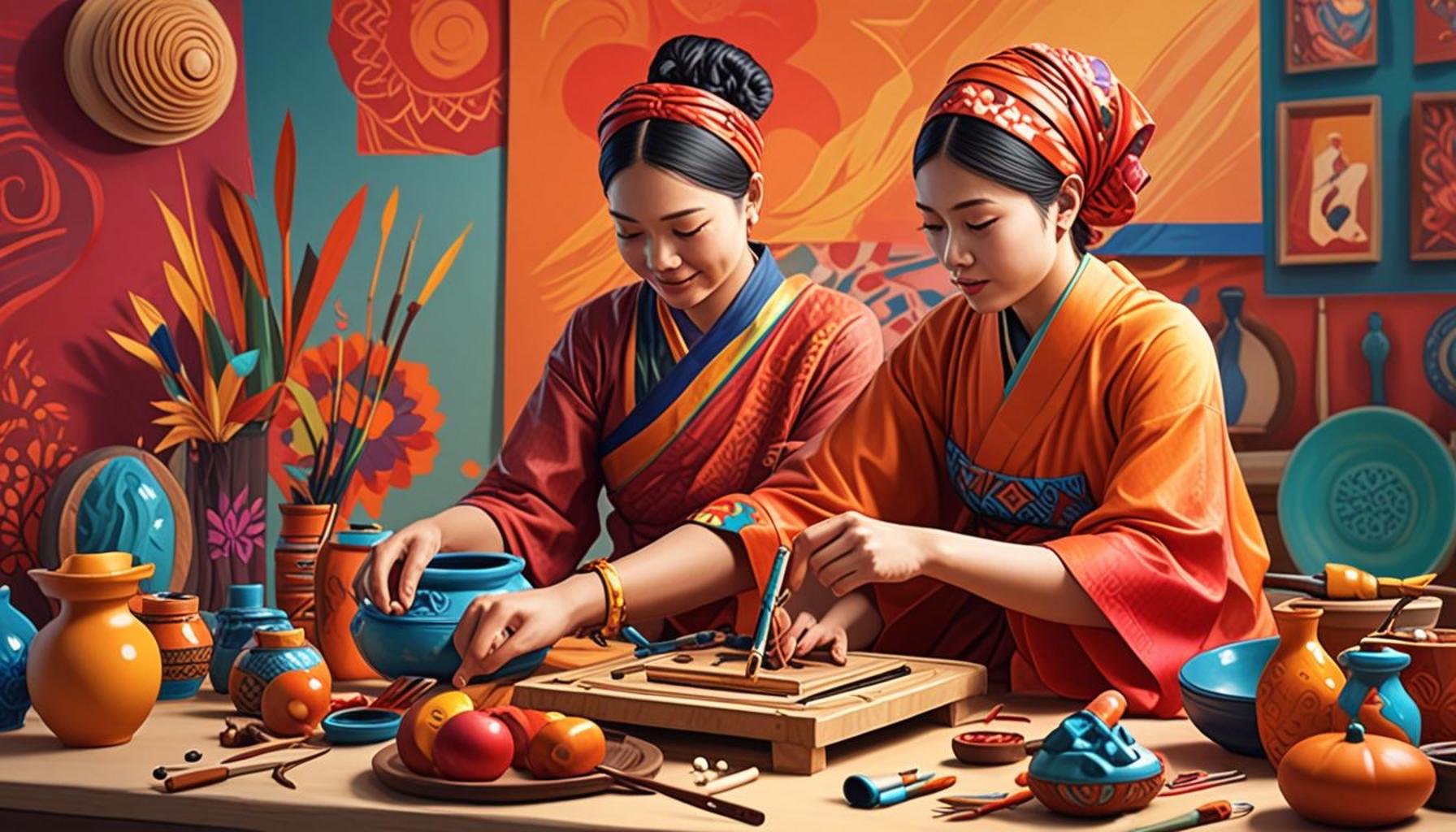
Craftsmanship and Sustainability: Creating Functional Items with Natural Materials
Exploring the Intersection of Craftsmanship and Sustainability
In recent years, there has been a pronounced shift in consumer preferences, with more individuals gravitating toward products that exemplify not just quality but also a commitment to eco-friendly practices. This transformation underscores the growing importance of craftsmanship and sustainability, merging the creation of functional items with an ethos of environmental responsibility.
The integration of natural materials into design not only serves aesthetic purposes but also delivers practical advantages. For instance:
- Durability: Products crafted from wood, stone, or natural fibers are often robust, outlasting their synthetic counterparts. A beautifully constructed dining table from reclaimed oak can be a family heirloom passed down for generations, showcasing the sustainability of the materials.
- Aesthetic appeal: Each item emerges with distinctive character, brought forth through organic textures and variations in color. Handwoven baskets made from seagrass or natural dyes on cotton textiles reflect the uniqueness and artistry inherent in sustainable design.
- Biodegradability: Unlike many plastic-based products, natural materials decompose seamlessly, enriching the soil rather than adding to landfill waste. Products like organic cotton apparel or biodegradable serving utensils are quintessential examples of this lifecycle.
This resurgence in traditional crafts highlights a nationwide movement, with artisans from coast to coast embracing local resources to produce exceptional goods. Consider the rise of handcrafted furniture workshops in New England, where artisans meticulously source reclaimed timber to create stunning pieces that tell a story. Equally inspiring is the proliferation of textile studios in the Midwest utilizing organic cotton and hemp, creating fabrics that are not only sustainable but also support fair labor practices.
Furthermore, embracing craftsmanship fosters significant benefits for local economies. When consumers choose to:
- Choose quality over quantity, they are investing in lasting items rather than disposable goods, reducing overall waste.
- Contribute to local artisans, they bolster community resilience, leading to job creation and skill development.
- Make environmentally responsible purchases, they play a vital role in fostering a sustainable future for the planet.
As we investigate the world of sustainable craftsmanship, the insights garnered reveal how these practices enrich our lives while protecting natural resources. By choosing thoughtfully designed products that prioritize eco-consciousness, consumers not only enhance their living spaces but also contribute to a larger narrative of sustainability, ensuring a healthier environment for future generations.

DIVE DEEPER: Click here to discover the art of narrative
The Values of Craftsmanship in Modern Design
The revival of craftsmanship in the contemporary marketplace reflects a growing consumer awareness of the impact of their choices on the environment. This movement is not solely about aesthetics; it’s about values, ethics, and sustainability. When artisans use natural materials, they not only produce beautiful items but also challenge the throwaway culture that has dominated consumer behavior for decades. By choosing items crafted with care, consumers are making a conscious decision to engage in a sustainable lifestyle.
Natural materials serve as a foundation for this craftsmanship, providing a wealth of options that align with eco-friendly practices. The sustainability blueprint created by artisans is often rooted in the principles of renewability and recyclability. Here’s how some popular natural materials embody these principles:
- Wood: Sourced from sustainably managed forests, reclaimed wood helps reduce deforestation while preserving the natural beauty of the material. From chairs to cabinetry, pieces crafted from this resource often include unique grains and knots, showcasing their history.
- Natural fibers: Cotton, jute, and bamboo are renewable resources that require fewer chemicals compared to synthetic fibers. Their biodegradability ensures they do not contribute to long-term landfill issues, making them ideal choices for everything from clothing to home décor.
- Clay and stone: Organic materials like clay and stone are abundant and durable. Handmade pottery, for instance, not only adds character to a household but can also be recycled at the end of its life cycle, minimizing waste.
- Leather alternatives: Innovations in sustainable leather alternatives made from materials such as cork, apple peels, and mushroom mycelium have emerged, providing consumers with ethical options without sacrificing quality or aesthetics.
One of the hallmarks of sustainable craftsmanship is the emphasis on the local economy. Artisans are increasingly prioritizing local materials that reduce transportation costs and carbon footprints. By sourcing materials closer to home, crafters not only support their local economies but also build connections within their communities. This sense of locality fosters pride in craftsmanship, encouraging artisans to invest in their skills and the stories behind their creations.
Moreover, consumers who gravitate towards handcrafted items cultivate a mindful consumption mindset. This trend towards intentional purchasing aligns with a societal shift toward valuing experiences over possessions. Rather than collecting a multitude of products that ultimately become obsolete, individuals are learning to appreciate and invest in fewer, high-quality items that coexist harmoniously with their lifestyles.
As we dive deeper into the world of sustainable craftsmanship, it becomes evident that creating functional items with natural materials is not simply a passing trend; it’s a vital movement for enhancing our lives while nurturing the planet. By exploring the artistry behind these creations and the stories they tell, consumers can make informed choices that resonate with their values and contribute to a healthier environment.
| Advantage | Description |
|---|---|
| Environmental Impact | Crafting with natural materials significantly reduces carbon footprints compared to mass-produced synthetic items. |
| Durability | Products made from high-quality natural materials offer longevity, reducing the need for frequent replacements. |
| Aesthetic Appeal | Natural materials provide unique textures and designs that enhance the beauty and charm of functional items. |
| Local Economy Support | Sourcing natural materials locally fosters community development and supports artisans, sustaining craftsmanship traditions. |
DISCOVER MORE: Click here to learn how creativity can transform lives
The Role of Innovation in Sustainable Craftsmanship
In recent years, the intersection of innovation and traditional craftsmanship has become a key aspect of sustainable design. As consumers demand more sustainable products, artisans and makers are not just relying on age-old techniques; they are also embracing modern technologies and methodologies to create functional items that prioritize both aesthetics and the environment.
One fascinating example is the use of digital tools in woodwork and textile design. Techniques such as laser cutting and 3D printing allow artisans to minimize waste by ensuring that every inch of material is purposefully utilized. This approach not only preserves resources but also enables artisans to experiment with intricate designs that might have been impractical using traditional methods. For instance, numerous designers have started using parametric design, which enables them to create complex forms while maintaining structural integrity and reducing material use.
Furthermore, the incorporation of biomimicry into craftsmanship has led to innovative approaches that emulate nature’s time-tested patterns and strategies. Artisans are studying how natural systems operate to create products that enhance efficiency and sustainability. From furniture designed with the structural strength of a tree branch to textiles that mimic the water-repelling capabilities of lotus leaves, biomimicry not only inspires creativity but also supports environmental conservation.
Meanwhile, the rise of the circular economy has prompted makers to rethink the lifecycle of their products. Artisans are now focusing on creating items that are not merely consumed but can be returned to the system once they reach the end of their usefulness. For example, brands like Patagonia and Eileen Fisher have implemented take-back programs that allow customers to return worn products for recycling or refurbishment, effectively extending the lifespan of the materials used.
As artisans explore these sustainable avenues, they are also forging partnerships with local farmers and producers. This collaboration not only strengthens community ties but also allows for greater transparency in sourcing. By working together, artisans can access materials that meet their sustainability standards while supporting eco-friendly practices in farming and production. Natural dyes, for instance, are gaining popularity as makers seek to avoid synthetic chemicals and choose plant-based alternatives sourced from local farms, thus promoting biodiversity and supporting local agriculture.
The movement toward craftsmanship that balances functionality, aesthetics, and sustainability significantly impacts the design landscape. As consumers become more discerning and informed, they often seek out items that reflect their commitment to the planet. This has created a unique niche for artisan crafts that tell a story — each piece represents not only the skill of the maker but also the sustainable journey of every material used.
Ultimately, the resurgence of craftsmanship in the context of sustainability is reshaping consumer culture. By actively participating in this movement, individuals are not just passive buyers; they are becoming conscious stewards of the environment. The choice to embrace craftsmanship that utilizes natural materials fosters a deeper connection between people and the products they use, creating a promising shift towards a more sustainable future.
DISCOVER MORE: Click here to delve deeper
Conclusion: The New Era of Eco-Conscious Craftsmanship
As we navigate the complexities of the modern world, the synergy between craftsmanship and sustainability emerges as a beacon of hope for creating a better future. Traditional techniques, now enhanced by innovative technologies, enable artisans to produce functional items that prioritize both ecological integrity and design excellence. The adoption of tools like laser cutting and 3D printing has not only optimized material usage but also redefined the creative possibilities available to makers, allowing for intricate designs that harmonize with nature.
The principles of biomimicry and the rising acceptance of the circular economy signify a significant shift in the production narrative. By creating products that can be reclaimed and recycled, artisans are addressing the critical issue of waste, while also ensuring that the lifecycle of their designs remains indefinitely sustainable. Partnering with local producers for materials enhances this process, creating a transparent system that embodies community values and ecological awareness.
Today’s consumers are not just buyers; they are advocates for a sustainable lifestyle, looking for products that resonate with their values. Each artisan piece tells a story of skill, sustainability, and a conscious choice to protect our planet. This evolving landscape of craftsmanship serves as a reminder that every decision we make contributes to a larger narrative of environmental responsibility. As we move forward, embracing craftsmanship and sustainable practices may well be the path toward a more balanced and harmonious relationship with our environment, highlighting the vital role each of us plays in this journey.