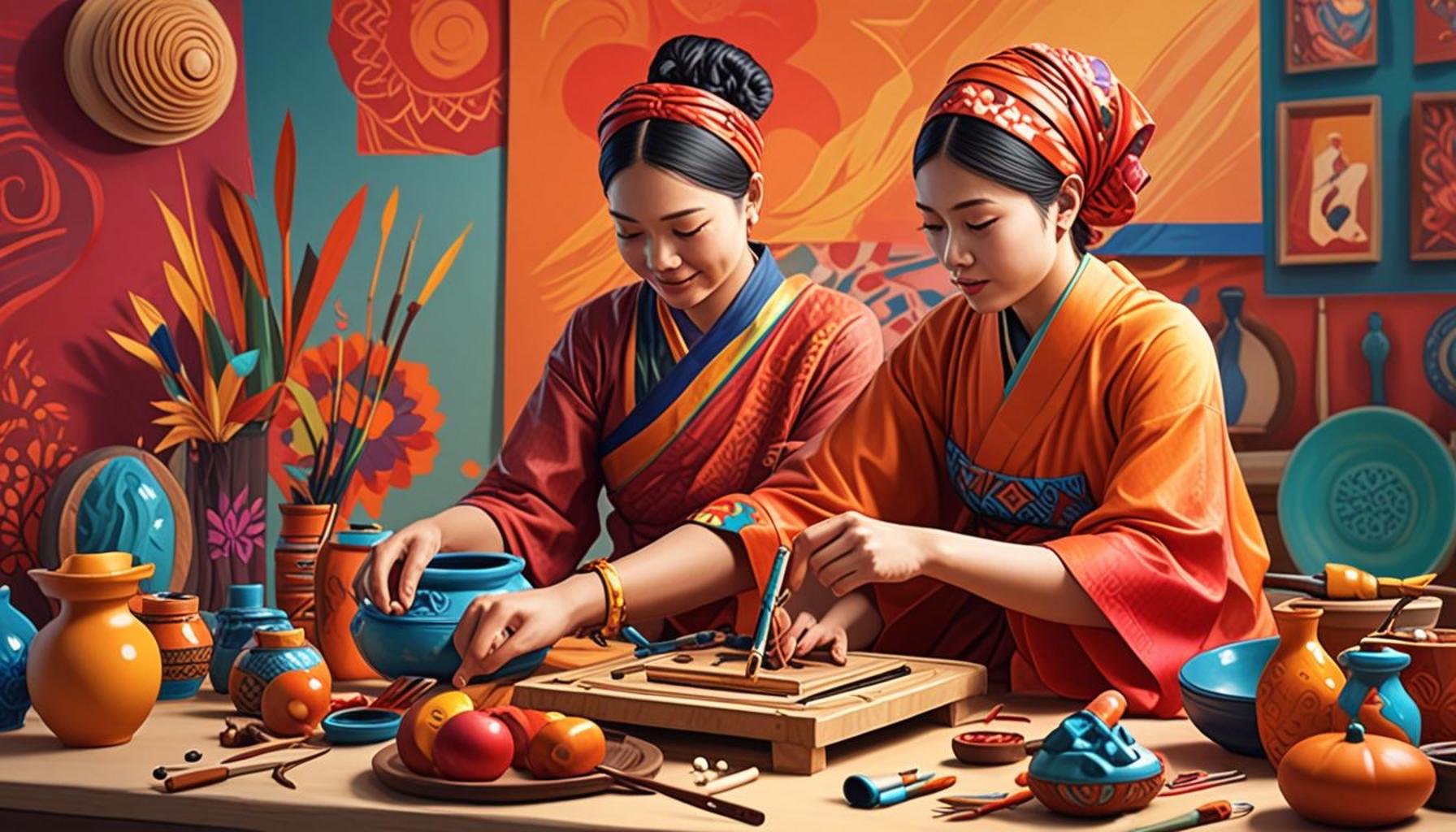
Craftsmanship and Well-Being: Projects that Promote Connection and Mindfulness
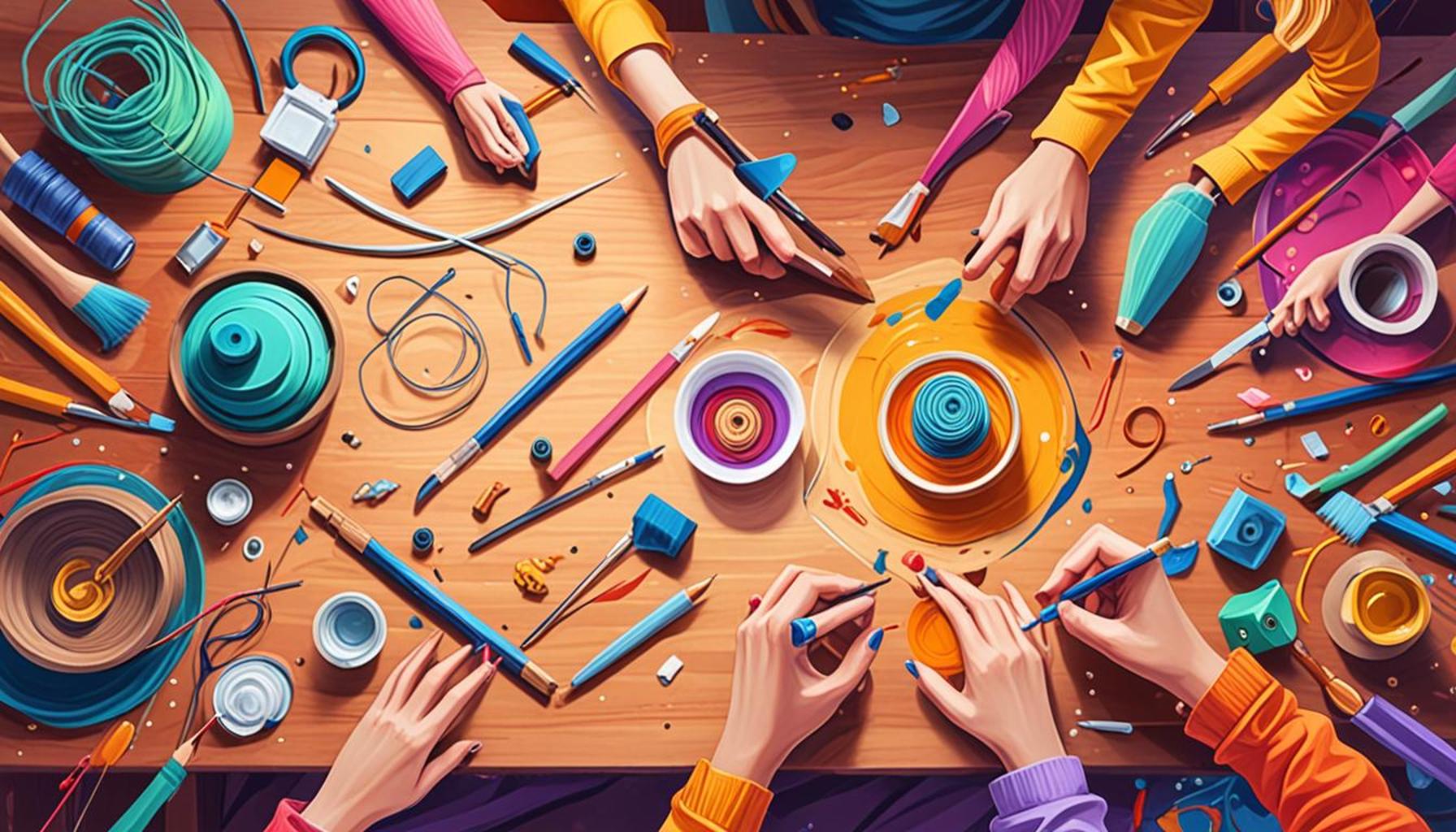
The Transformative Power of Craftsmanship
Craftsmanship encompasses a range of skills and techniques that go beyond basic proficiency; it serves as a profound path to enhance mindfulness and build authentic relationships. In a society increasingly overwhelmed by fast-moving technology and constant digital engagement, many individuals are yearning for meaningful interactions and experiences. Creative projects that engage both the mind and hands can offer a transformative escape that nurtures mental well-being and strengthens community ties.
The remarkable variety of craftsmanship includes activities such as woodworking, pottery, knitting, and metalworking. Each of these pursuits provides opportunities to immerse oneself fully in the creative process. Craftsmanship taps into our innate desire to create and express ourselves, facilitating a form of mindful engagement where individuals can experience present-moment awareness. For instance, while shaping clay on a potter’s wheel, practitioners often find that their thoughts quiet down, and they become acutely aware of the texture and movement of the material. This focus not only enhances the quality of the artwork produced but also serves as a meditative practice that can lead to improved mental clarity and reduced anxiety.
Furthermore, the social dimension of crafting should not be underestimated. Social connections formed through group crafts can lead to meaningful collaborations, friendships, and support networks. Community workshops and craft circles have proliferated across the United States, where people of different backgrounds and ages come together to learn new skills and share ideas. Activities like community knitting sessions or local pottery classes often become more than just a place to create; they develop into vibrant support systems where diversity is celebrated, and personal stories are shared, fostering a sense of belonging.
Equally important are the therapeutic benefits associated with hands-on crafting. Evidence suggests that engaging in creative activities can reduce stress hormone levels and promote feelings of relaxation. For example, art therapy programs are now widely recognized in clinical settings for their effectiveness in helping individuals cope with trauma and anxiety. When people devote time to activities such as woodworking or painting, they often report a decrease in symptoms of depression and a greater sense of self-efficacy. These benefits reinforce the idea that crafting not only provides a creative outlet but also serves as an essential tool for enhanced emotional and mental well-being.
Ultimately, the intersection of craftsmanship and well-being is multifaceted. Even simple creative projects can lead to profound impacts on both individual lives and communal wellness. For many, engaging in crafting becomes a sanctuary—offering focus, creativity, and community in a world often fraught with distractions. As we explore this fascinating realm, we invite you to discover how different forms of artistry can enrich not only your life but also the lives of those around you.
DISCOVER MORE: Click here to delve into the evolution of musical instruments
Crafting for Connection and Community
As individuals increasingly seek forms of mindfulness in their daily lives, the act of crafting becomes a valuable avenue for cultivating a sense of belonging. Whether it’s a group of friends gathering to create handmade gifts or community members engaging in workshops at local art centers, the social aspects of craftsmanship contribute significantly to overall well-being. Projects that bring people together not only promote creativity but also strengthen relationships, creating a supportive network that is essential for mental health.
One prominent example of crafting fostering connection can be seen in community art projects, where individuals from diverse backgrounds collaborate on a shared goal. Mural painting, for instance, fosters artistic expression while simultaneously beautifying public spaces. These works of art not only serve as a canvas for individual voices but also reflect the community’s collective identity. Participants often report an increased sense of pride in their neighborhood and strengthened ties with those around them.
In addition to public art initiatives, many have found solace and connection through organized crafting groups. Common activities include:
- Knitting Circles: Whether at a local coffee shop or a community center, knitting circles provide a relaxed environment for participants to engage in conversation while creating textiles. The repetitive motions of knitting are soothing, allowing makers to experience a deep sense of calm.
- Craft Fairs: Local craft fairs not only showcase artisans and their work but also create a space for community interaction. Attendees can meet makers, learn about their processes, and share their crafting experiences.
- Pottery Classes: Clay has a unique way of breaking down barriers. Under the guidance of an instructor, participants often bond over the shared experience of shaping, glazing, and firing their pieces. Many report feeling empowered by their ability to create, regardless of their prior experience.
Moreover, studies indicate a strong correlation between crafting and mental health. Engaging in hands-on creative activities can invoke a state of ‘flow’, where individuals become fully absorbed in the task at hand, effectively alleviating anxiety and fostering a sense of accomplishment. A report by the Arts in Health organization states that crafting can lower cortisol levels, the hormone primarily associated with stress, which underscores the physiological benefits crafting can offer.
The benefits extend even further, as many find that crafting can serve as a form of therapy. Programs designed for mental health recovery increasingly incorporate hands-on activities, demonstrating the versatility of craftsmanship as a healing tool. Art and craft therapies have been known to assist those grappling with conditions ranging from depression to PTSD, providing an outlet for self-expression in environments that encourage connection and support.
As we delve deeper into the interplay of craftsmanship and well-being, it becomes clear that these creative pursuits are about much more than tangible outcomes; they are gateways to community engagement, self-discovery, and resilience. By fostering connections among participants, craftsmanship serves as a profound reminder that creativity can bridge the gaps between us, uniting us through shared experiences and a collective understanding of the world around us.
Exploring the Intersection of Craftsmanship and Well-Being
In recent years, the emphasis on craftsmanship and well-being has gained remarkable traction as more individuals seek to reconnect with themselves and others through meaningful activities. The projects inspired by this trend not only foster creativity but also encourage mindfulness and enhance emotional health. Below, we explore some advantages of these initiatives.
| Advantages | Details |
|---|---|
| Enhancing Mental Health | Engaging in hands-on activities can significantly reduce stress and anxiety levels. |
| Fostering Community Bonds | Group workshops centered on craftsmanship promote social interactions and teamwork. |
Through various projects—ranging from pottery classes to community art installations—participants not only develop skills but also cultivate a sense of belonging. The essence of these initiatives revolves around the shared experience of creating, which inherently encourages connection and fosters a sense of mindfulness.Moreover, the process of crafting is a powerful form of expression, allowing individuals to channel their emotions and thoughts creatively. Crafts such as knitting, woodworking, and painting are not only therapeutic but also encourage a slower pace of life amidst the hustle and bustle of the modern world. These initiatives open doors to rediscovering traditional skills that have been fading in a digital age, leading to an appreciation of attention to detail and a profound respect for the art of creation. Engaging with craftsmanship can significantly alter perceptions of well-being, transforming routine into a meaningful journey.
DISCOVER MORE: Click here to delve deeper
Therapeutic Effects of Craftsmanship
Beyond fostering community and connection, craftsmanship offers profound mental health benefits that have captured the attention of psychologists and wellness practitioners alike. Engaging in creative projects has been shown to facilitate mindfulness, a state of being present in the moment, which is crucial for emotional well-being. Mindfulness practices can reduce symptoms of anxiety and depression, and adding craftsmanship into the mix enhances these therapeutic effects.
Research suggests that the act of creating—whether it be through painting, woodworking, or sewing—triggers the brain’s reward system, releasing dopamine, a neurotransmitter associated with pleasure and satisfaction. This is particularly valuable for individuals dealing with mental health challenges, as it empowers them to experience joy and fulfillment through their creative efforts. For instance, a study published by the Journal of Positive Psychology found that participants who engaged in artistic activities reported a higher sense of well-being, coupled with elevated mood levels and a reduction in negative emotions.
Specialized programs structured around craftsmanship, such as art therapy, are increasingly recognized in mental health treatment protocols. These programs often encourage participants to express their emotions through creative outlets without the pressure of judgment. The results have been illuminating; numerous participants in these therapeutic settings describe feelings of liberation and personal insight gained through crafting. Notably, organizations like Creatively Minded and Art with Heart utilize these principles, guiding individuals through crafting projects that encourage healing and self-expression.
In one compelling initiative, veterans dealing with PTSD engage in woodworking sessions designed not only to hone their skills but also to foster camaraderie and understanding among peers who have experienced similar challenges. This combined approach of craftsmanship and community creates a safe space for sharing personal stories and vulnerabilities, reinforcing social support systems that are so essential for recovery.
Crafting and Mindfulness Practices
The integration of craftsmanship with mindfulness practices can enhance the therapeutic benefits even further. Mindfulness-based crafting emphasizes focus on the process rather than the outcome, promoting a deeper connection with the materials and techniques utilized. For example, pottery enthusiasts may find joy in centering clay on the wheel and becoming aware of their body’s movements, thereby grounding themselves in the moment. This notion aligns with teachings from mindfulness experts such as Jon Kabat-Zinn, who emphasizes that being present cultivates a profound connection to oneself.
Another innovative approach involves activities like mindful coloring or zen doodling, which provide a gentle entrance into the world of art and creativity. These activities allow individuals from all walks of life to explore their imaginative capacities without the pressures often found in traditional art classes. A growing number of community centers across the U.S. are hosting mindful crafting workshops, allowing participants to explore their creativity while cultivating relaxation and awareness.
As crafting continues to bridge the realms of creativity, connection, and mindfulness, it becomes clear that these projects are not simply about creating beautiful objects. They play an essential role in fostering emotional resilience, promoting mental health, and nurturing a deeper understanding of oneself and one’s community. The growing awareness of these benefits only serves to highlight the significant impact that craftsmanship can have on our collective well-being.
DISCOVER MORE: Click here to dive deeper
Conclusion: The Transformative Power of Craftsmanship
In an increasingly fast-paced world, the significance of craftsmanship as a vehicle for well-being, mindfulness, and connection cannot be overstated. Engaging in hands-on creative projects not only provides a therapeutic escape but fosters emotional resilience by connecting individuals to their inner selves and their communities. As outlined, the act of creating—be it through art therapy, woodworking, or mindful coloring—serves as a powerful outlet for self-expression while combating the challenges posed by mental health issues.
The integration of mindfulness within craftsmanship encourages individuals to savor the process of creation, transforming each project into a meditative experience. Communities across the United States are embracing this trend by offering workshops that blend creativity with well-being, allowing participants from all walks of life to experience the liberating effects of crafting. Initiatives such as those providing support to veterans or engaging underserved populations demonstrate how these projects can not only enhance personal satisfaction but also cultivate essential social bonds.
As awareness of the mental health benefits of craftsmanship continues to grow, communities and organizations are recognizing the necessity of promoting these activities on a larger scale. With continued support and investment in such programs, we can celebrate the enduring spirit of craftsmanship not merely as a hobby but as a vital aspect of nurturing our collective well-being. By encouraging more people to engage in these enriching experiences, we pave the way for a more connected, mindful society, where the art of creation fosters healing and happiness.