Creative Recycling Art Transform Everyday Materials into Craft
Discover the World of Creative Recycling
In a world where sustainability is increasingly essential, transforming everyday materials into creative artwork has emerged as both a responsible practice and a fulfilling hobby. This creative recycling not only minimizes waste but also unleashes our imagination, allowing us to see potential in items typically destined for the trash. By giving new life to these materials, crafters have the unique opportunity to blend artistry with environmental consciousness.
Relevance in Creative Hobbies
Engaging in creative recycling encourages individuals to explore their artistic side while nurturing a sense of community and responsibility. Its relevance extends beyond personal expression, as it promotes awareness about environmental issues and resource conservation. The joy of transforming seemingly useless items into beautiful crafts can inspire others to adopt similar eco-friendly habits.
Top 5 Creative Recycling Projects
Ready to dive into the art of recycling? Here is a sneak peek at our ranking of the Top 5 creative recycling projects that will ignite your passion for crafting:
- Upcycled Furniture: Give new life to old pieces
- Jar Lanterns: Illuminate your space with style
- T-Shirt Tote Bags: Fashion meets functionality
- Plastic Bottle Planters: Garden sustainably
- Cardboard Art: Unleash your creativity on a budget
Join us as we explore these creative projects, offering tips and inspiration to transform your everyday materials into stunning works of art!
Top 5: The Art of Recycling – Transforming Everyday Materials into Creative Crafts
In a world where environmental challenges are mounting, the art of recycling has become a powerful movement, transforming waste into beauty and functionality. Artists and hobbyists alike are finding innovative ways to give everyday materials a second life, turning them into stunning works of art. This article delves into the top five methods of recycling creatively, which not only inspire artistic expression but also promote sustainability. By reimagining waste, we invite everyone to explore their creativity and contribute to a greener planet.
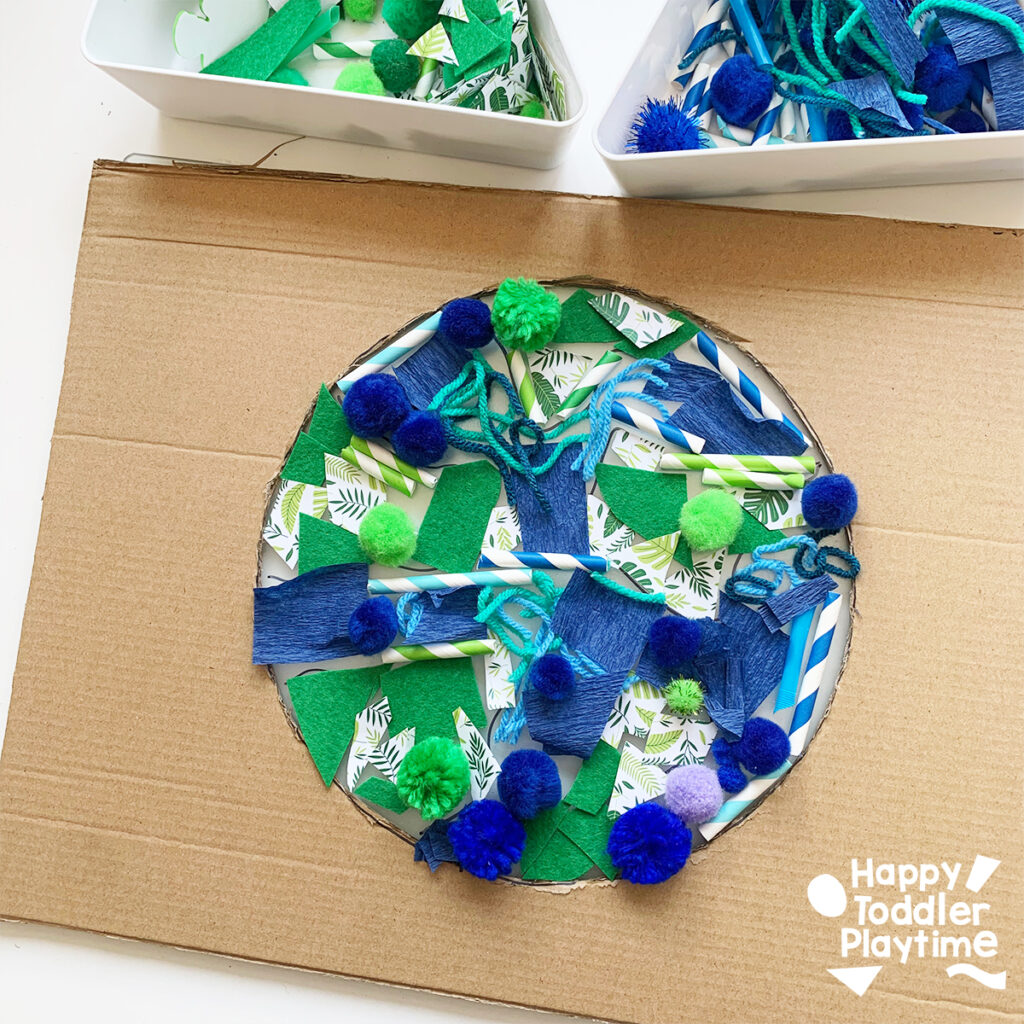
5. Upcycled Furniture: A New Life for Old Pieces
The concept of upcycled furniture has taken the world by storm. Instead of parting ways with old pieces of furniture, DIY enthusiasts are breathing new life into them. This movement is a testament to the fusion of creativity and sustainability.
Techniques such as decoupage, a method where paper cutouts are glued to the furniture and sealed with varnish, transform surfaces into canvases of intricate design. Painting and stenciling are other popular methods, offering endless possibilities for customization. These processes allow old items to become the visual centerpiece of any space, expressing personal taste and ingenuity.
Consider the story of an old wooden dresser, once boring and neglected, turning into a chic, color-blocked design with the simple addition of paint and new handles. This not only saves resources but also offers the satisfaction of a one-of-a-kind piece.
Through upcycled furniture, we witness a tangible example of how discarded items can be transformed into objects of beauty and function, adding renewed charm to our homes while preventing waste.
4. Bottle Cap Art: Small Bits, Big Impact
Bottle cap art is an exciting medium that highlights how small, overlooked items can be assembled into substantial works of art. It’s a creative response to the escalating issue of consumer waste, especially from the beverage industry.
Artists across the globe have been crafting vibrant mosaics from bottle caps. These pieces range from expansive murals depicting landscapes or abstract designs to detailed portraits capturing human expressions with striking clarity. The simplicity of the materials used stands in stark contrast to the complexity of the artwork created.
Engage with this craft by following these steps:
- Amass a collection of various colored caps; diversity in color is key.
- Plan your design by sketching it out on your chosen base.
- Arrange and glue the caps meticulously, ensuring they form your intended patterns or images.
- Seal with a protective coat to ensure the longevity of your masterpiece.
Beyond personal satisfaction, creating bottle cap art fosters a mindful awareness of our waste habits and challenges us to make impactful changes.
3. Paper Mache: Crafting with Old News
Paper mache, an ancient craft, continues to delight creators with its versatility and sustainability. Using discarded paper, such as newspapers, transforms waste into sculptures and decor that enchant and inspire.
Ideal for artists of all ages, paper mache involves the simple act of tearing paper into strips, mixing with a glue solution, and molding it over a form to create the desired shape. With a solid structure formed, artists can paint and embellish their creations, turning them into decorative pieces full of personality and charm.
This method encourages resourcefulness and patience, with end results that can vary from sturdy bowls to whimsical masks. It’s an exercise in creativity, as the potential forms and designs are as limitless as one’s imagination.
Such projects remind us that the use of environmentally friendly materials can result in eye-catching, durable items, highlighting the ethos that beauty can indeed spring from the recyclables in our daily lives.
2. Fabric Scrap Projects: Sewing a Greener Future
Sewing can generate a multitude of fabric scraps that most people perceive as useless remnants. Yet creative minds see a treasure trove of possibility in these seemingly insignificant scraps.
By fashioning these remnants into new items, one reduces fabric waste and breathes new life into material otherwise destined for the landfill. For instance, patchwork quilts crafted from leftover fabrics bring warmth and texture, while simultaneously telling a story of different patterns and colors.
Other inventive projects include:
- Crafting reversible tote bags, which employs scraps in an attractive, fashionable manner.
- Designing wall hangings that showcase a medley of colors, textures, and styles.
In harnessing fabric scraps, artisans not only contribute to sustainability efforts but also instill a culture of creative reuse that prioritizes both ecology and individuality.
1. Wooden Pallets: The Crafting Canvas of Recyclers
Topping our list is the utilization of wooden pallets, a material often discarded yet brimming with potential. Their sturdiness and rustic appeal enhance their versatility for a range of creative projects.
Wooden pallets are particularly celebrated for their transformation into practical and decorative items, such as garden furniture or wall art. For instance, a single pallet can be dismantled and reconfigured into a robust outdoor bench, combining sustainability with style for alfresco settings.
Project ideas include:
- Constructing garden planters that not only add greenery to spaces but do so with a keen eye on design and resourcefulness.
- Creating decorative wall shelves or photo frames, which integrate the natural aesthetic of the wood with functional design.
The use of pallet wood encourages individuals to recognize the adaptable nature of this often-discarded resource, offering an eco-friendly solution that brings innovation to the forefront.
In conclusion, the art of recycling transcends the mere reduction of waste to become an expressive avenue for creativity and ecological mindfulness. It is a call to action, urging us all to reconsider what we consider disposable and to find beauty in the overlooked. Embracing this art form enriches our lives and our environment, encouraging each of us to play a part in shaping a sustainable future.
| Category | Details |
|---|---|
| Environmental Awareness | Engaging in recycling crafts promotes environmental consciousness among individuals and communities, helping to reduce waste and highlight the importance of sustainable practices. |
| Cultural Heritage | Many cultures have traditional forms of recycling and repurposing materials, which can be preserved and enhanced through creative projects, fostering a sense of identity and cultural pride. |
| Skill Development | Crafting from recycled materials enhances practical skills such as creativity, problem-solving, and fine motor skills, making it an enriching activity for both adults and children. |
| Economic Benefits | Utilizing everyday items in crafts can lead to cost-effective creations, allowing artisans to produce high-quality goods at a lower expense and potentially generating income from selling handcrafted items. |
The art of recycling is not merely a practical endeavor; it’s a gateway to deeper societal implications and transformations. By participating in recycling crafts, individuals develop a holistic understanding of their impact on the environment. This promotes a lifestyle that embraces sustainability, thereby influencing future generations to recognize the value of repurposing.Furthermore, recycling practices often reflect a community’s unique cultural narratives and traditions, reinforcing connections with one’s ancestry while innovatively blending the old with the new. Engaging with these crafts can facilitate workshops and community events, enhancing social bonds and celebrating diversity.As individuals hone their skills through crafting, they also experience personal growth and self-discovery. The act of transforming discarded materials into works of art fosters a mindset of innovation and resilience, empowering creators to push boundaries and explore uncharted territories in their artistic journeys.Economically, recycling crafts can inject life into local economies. By creating low-cost, high-value products, artisans can tap into niche markets and engage with consumers who prioritize sustainability. This venture not only fosters a sense of accomplishment but also beckons others to explore their creativity, revealing the art of recycling as both a meaningful and financially viable pursuit.
Frequently Asked Questions about The Art of Recycling: Turning Everyday Materials into Creative Crafts
What materials can be used for creative recycling crafts?
Creative recycling embraces a wide variety of materials, ranging from commonly discarded items such as plastic bottles, newspapers, and glass jars, to more unique finds like old CDs, fabric scraps, and metal cans. The key is to see potential in what is often considered waste and transform it into something beautiful or functional. By adopting this perspective, one might not only reduce environmental impact but also ignite a creative spark.
How can recycling crafts benefit the environment?
Engaging in recycling crafts can significantly benefit the environment by reducing the volume of waste sent to landfills, conserving natural resources, and minimizing pollution. By reusing materials, we can lower the demand for new raw materials, thereby decreasing the ecological footprint associated with manufacturing and disposal processes. Additionally, creative recycling promotes awareness and inspires others to adopt more sustainable practices.
Are there any cultural influences in recycling crafts?
Recycling crafts are rich with cultural influences, reflecting the diverse traditions and resourcefulness of communities around the world. In many cultures, the concept of ‘upcycling’ has been practiced for centuries, utilizing available resources to create tools, garments, and art. These cultural expressions not only preserve heritage but also adapt to modern sustainability needs, offering a unique blend of history and innovation in each piece.
Can children participate in recycling craft activities?
Absolutely! Involving children in recycling craft activities is a fun and educational way to teach them about sustainability and environmental responsibility. Projects can be designed to suit all ages and skill levels, from simple paper mache and bottle cap art for younger kids to more intricate constructions and designs for older ones. These activities foster creativity, problem-solving skills, and environmental awareness from an early age.
Where can one find inspiration or tutorials for recycling crafts?
Inspiration for recycling crafts can be found in a plethora of places: online platforms like Pinterest and YouTube offer countless tutorials and ideas, while local workshops and community centers may host crafting events. Additionally, exploring art and craft books or visiting museums dedicated to environmental art can provide profound insights and spark new concepts. The world of recycling crafts is ever-evolving, offering endless opportunities for discovery and creativity.
Conclusion: Embracing the Art of Recycling in Creative Hobbies
In a world increasingly driven by conscious consumption and sustainability, the art of recycling has emerged as a vital and innovative frontier in creative hobbies. By transforming everyday materials into unique handicrafts, this practice does more than just reduce waste; it opens a new realm of artistic possibilities. Throughout this article, we’ve delved into the significance and impact of recycling in the crafting world.
One of the main takeaways is the environmental benefit. By repurposing items that would otherwise contribute to landfill overflow, hobbyists contribute to a more sustainable planet. Additionally, the process of creating art from recycled materials fosters a unique form of expression, where the limitations of the material challenge creativity, leading to more innovative and unconventional designs.
The economic advantage cannot be overlooked. In an era where crafting supplies can be costly, recycled materials offer a cost-effective alternative. Not only do they reduce the financial burden on hobbyists, but they also stimulate innovation by pushing artists to explore and experiment with different textures and forms.
Finally, the personal satisfaction and sense of accomplishment that arise from completing a recycled art project are unparalleled. It is a practice that not only nurtures the creator’s ingenuity but also promotes a sense of community as ideas and methods are shared among fellow enthusiasts.
Overall, recycling in creative hobbies is not just an environmental necessity but a gateway to artistic exploration and personal fulfillment. By adopting this practice, individuals can contribute positively to global challenges while simultaneously enriching their personal and artistic lives. As you close this article, consider how you might incorporate this philosophy into your own creative pursuits and how it might reshape the landscape of crafting in the future.