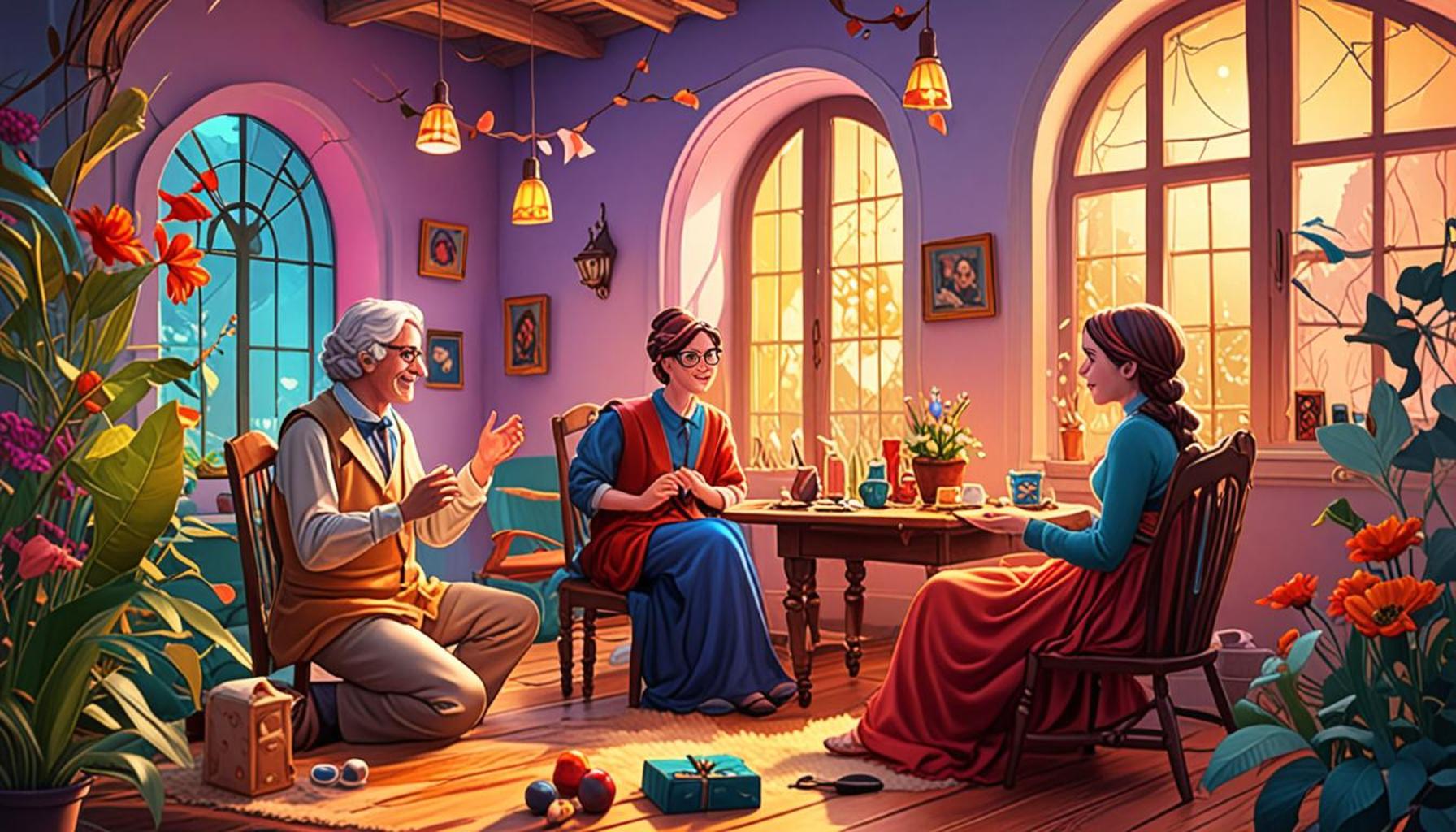
Creative Writing Workshops: How to Connect with Others Through Narrative and Imagination

The Vibrant World of Creative Writing Workshops
Imagine stepping into a space that breathes life into imagination and self-expression. Creative writing workshops are dynamic environments designed to foster collaboration, allowing participants to draw from their own narratives while enriching the storytelling experience of others. Participants, often united by a shared love for the written word, find themselves immersed in a world where creativity flourishes.
One of the standout features of these workshops is the element of collaboration. Participants come together with their diverse backgrounds, bringing a wealth of ideas and experiences to the table. This exchange of thoughts often gives rise to innovative stories that reflect varied cultural insights. For example, a participant from a rural background may craft a narrative steeped in nature, while a city dweller’s story might explore urban complexities. This blending of narratives can lead to collaborative projects that highlight the richness of different experiences.
Moreover, the diverse perspectives represented in a workshop contribute to a richer literary tapestry. Writers of all ages, ethnicities, and backgrounds come together, each voice providing a unique lens through which to view the world. This variety often leads to discussions that expand one’s understanding of different life experiences, enhancing empathy and connection among participants. Imagine hearing a poignant story about immigration from a fellow writer, which not only touches hearts but could inspire others to reflect on their own journeys.
Participation in creative writing workshops also promotes skill development. The guided exercises offered by facilitators are not only tailored to different levels of expertise but also encourage participants to step outside their comfort zones. For instance, a writer might be prompted to experiment with poetry if they primarily write fiction, helping them uncover new dimensions in their writing and storytelling capabilities.
As creative writers engage with one another, they don’t just develop narratives; they also cultivate a sense of community. The workshops create a safe space for vulnerability, where sharing one’s story can be both a liberating and affirming experience. Each session can lead to friendships, mentorships, and collaborations that extend far beyond the workshop itself.

Furthermore, these workshops harness the astonishing power of imagination to propel participants toward personal and artistic growth. Writers are encouraged to:
- Explore different genres and styles, from memoirs to speculative fiction.
- Challenge their writing boundaries by creating pieces that venture into unexplored themes or formats.
- Build confidence in their storytelling abilities through constructive feedback and supportive peer review.
Through every shared narrative and pen stroke, creative writing workshops transform not just individual stories, but also forge meaningful relationships. Participants leave enriched, not only by their enhanced writing skills but by the bonds formed with others who share their passion. Embrace this journey into the world of narrative and connection, and discover what unfolds in your creative journey.
DISCOVER MORE: Click here to dive deeper into musical creativity
Fostering Connection Through Shared Stories
Creative writing workshops are more than just a collection of writers working on individual pieces; they serve as a catalyst for connection. As participants share their work, they delve into others’ stories, which fosters empathy and understanding. The act of narrating one’s experiences allows individuals to find common ground, even when their backgrounds differ drastically. In a workshop setting, a story about overcoming adversity may resonate with multiple participants, leading to discussions that reveal parallels in personal journeys, no matter how unique they may seem.
In many workshops, facilitators encourage peer feedback, which creates a supportive environment where writers can receive constructive criticism and suggestions. This process not only hones writing skills but also cultivates a sense of community. Participants bond over their shared experiences of vulnerability; after all, sharing one’s creative work often requires courage. By committing to an open, collaborative space, writers develop not just their own projects but also relationships built on mutual support and respect.
Another mesmerizing aspect of these workshops is the opportunity to experiment with genres and storytelling techniques. Writers often find themselves inspired by the varied styles and voices around them. For instance, a former journalist may turn to fiction after hearing a lyrical poem that captures emotion in a way they aspire to emulate, while a novelist might find new energy in the concise forms of flash fiction. The workshop experience challenges writers to step outside their established genres, igniting creativity. This ongoing interchange encourages participants to think critically about their narrative choices and explore themes that they had previously overlooked.
Consider a scenario where a writer explores the theme of identity through a fictional character who faces challenges reflective of current societal issues. A workshop participant might share insights from their own life experiences, prompting the writer to deepen the narrative. This kind of experiential dialogue enriches the story, weaving in authenticity and varied perspectives. Such connections are vital in today’s diverse landscape, as they highlight how narrative can act as a bridge across different societal groups.
In the United States, where creative writing workshops have thrived in educational institutions, community centers, and even online platforms, the accessibility of these programs has extended the reach of storytelling as a communal activity. Many organizations offer tailored workshops focusing on specific themes, such as mental health, diversity and inclusion, or even environmental issues. This specialization invites participants to connect not only through personal experiences but also through pressing societal conversations, creating a vibrant dialogue among writers passionate about making a difference through their narratives.
- Networking opportunities: Writers can build professional ties that may lead to future collaborations or publishing opportunities.
- Encouraging diversity: Workshops often celebrate different cultures, which contributes to a more inclusive narrative landscape.
- Mental health benefits: Engaging in writing can be therapeutic, allowing participants to express emotions they may have found difficult to communicate otherwise.
Ultimately, creative writing workshops transform individual narratives into collective journeys, fostering a sense of belonging among participants. This powerful synergy not only enriches their writing experiences but also cultivates lasting connections grounded in shared creativity and mutual respect.
Exploring the Depths of Creative Writing Workshops
Creative writing workshops have become a vital incubator for writers seeking not only to hone their craft but also to establish genuine connections with others. These workshops transcend mere writing; they serve as communal spaces where participants share stories that reflect their unique experiences, fostering a deeper understanding among individuals of diverse backgrounds. Through the art of storytelling, participants learn to appreciate the multifaceted nature of human emotions, which can lead to transformative relationships.
Building Empathy through Shared Narratives
One of the most significant advantages of creative writing workshops is their ability to cultivate empathy. When writers pour their thoughts and emotions onto the page, they often reveal profound truths that resonate with others. This process allows participants to connect on a personal level, creating a supportive environment where everyone feels valued and understood. Sharing narratives in this manner invites feedback and discussion, enhancing the communal bond and reinforcing mutual respect.
Igniting Imagination and Inspiration
The structured yet flexible nature of creative writing workshops serves to ignite the imagination. Guided exercises prompt participants to explore different perspectives and experiment with various writing styles. This liberated approach to writing not only enhances creativity but also encourages collaborative storytelling, where individuals weave their ideas together. In a workshop setting, this collaborative effort can lead to unexpected results, inspiring participants to take creative risks they might not have considered on their own.
| Workshop Benefits | Experience Narratives |
|---|---|
| Enhanced Creativity | Participants explore new ideas and develop their own writing styles. |
| Empathy Building | Sharing personal stories fosters understanding and connection. |
Through the adventure of writing collectively, individuals not only enrich their own literary abilities but also form meaningful bonds that can extend far beyond the session. Whether it’s through discussing plot twists, setting boundaries in storytelling, or crafting characters that resonate with others, creative writing workshops enhance connections that thrive on narrative and imagination.
DISCOVER MORE: Click here to start your creative journey
The Role of Imagination in Collaborative Storytelling
Imagination plays a crucial role in creative writing workshops, serving not only as a personal tool for writers but also as a means of collaboration that connects participants on a deeper level. As writers unleash their creativity, they weave together narratives that reflect their insights, worries, and aspirations. For instance, during a workshop where participants collaborate on a collective story, they must engage their imaginations to build characters, settings, and plots. This collaborative exercise promotes not only creativity but also a shared sense of ownership as each contributor sees their influence reflected in the evolving narrative.
Moreover, engaging with the imaginative aspects of storytelling allows writers to explore universal themes such as love, loss, or hope. When participants create fictional worlds, they often draw from their own lives but transform ordinary experiences into extraordinary stories. This transformation invites readers to view life through someone else’s lens, fostering increased empathy and perspective. When addressing themes like mental health or cultural identity, the narratives produced can resonate profoundly, revealing the intricate tapestry of human experience that often lies beneath the surface of daily interactions.
In many creative writing workshops, facilitators utilize imaginative exercises such as prompts and story starters to spark creativity. For example, a prompt that encourages participants to imagine a conversation with their future selves can yield surprising insights, leading to expressive narratives that reveal hopes and dreams. These exercises challenge writers to push beyond their comfort zones and cultivate innovative ideas, transforming personal reflections into gripping tales. Creative writing workshops encourage participants to embrace spontaneity, allowing the imagination to flourish in unexpected ways, which can result in authentic connections among the group as stories unfold.
Furthermore, a creative writing workshop’s diversity of voices emphasizes the richness of storytelling. Writers from varied backgrounds bring their unique perspectives, contributing richly thematic narratives shaping a more inclusive literary world. For example, a workshop centered around cultural narrative allows participants to not only share their stories but also learn from the experiences of others. A participant might share a fictional account of their family heritage, prompting others to reflect on their ancestral roots and fostering a discussion that celebrates their differences while revealing shared human experiences.
- Skill Development: Collaborative storytelling fosters vital writing skills, such as narrative structure and character development, as writers engage with each other’s ideas.
- Confidence Building: Sharing imaginative stories helps participants gain confidence, as consistent feedback can bolster their willingness to take risks in their writing.
- Community Creation: A workshop often becomes a safe haven where writers feel accepted and validated, forming lasting bonds through shared creativity.
As these workshops continue to gain traction across the United States, they play a pivotal role in reshaping how writers perceive and harness their creative potential. Fostering imagination amid a collaborative environment not only enhances personal storytelling but also solidifies the communal aspect of narrative creation—a core element vital for deepening connections among diverse individuals unified by their love for storytelling.
LEARN MORE: Click here to delve into sustainable craft-making
Conclusion
In a world that often feels disconnected, creative writing workshops serve as a vital bridge, fostering connections through the powerful mediums of narrative and imagination. By engaging in collaborative storytelling, participants not only hone their writing skills but also cultivate a sense of community that transcends individual experiences. The role of imagination in this process cannot be overstated; it allows writers to explore profound themes, challenge perceptions, and create empathy within a supportive environment.
Workshops encourage the exploration of diverse perspectives, inviting voices from various backgrounds to contribute narratives that resonate universally. This diversity enriches discussions and deepens understanding, revealing the shared human experience beneath the surface of individual stories. As participants learn from one another, they develop not only as writers but also as empathetic listeners, revealing the potential for creativity to foster meaningful relationships.
Interactive exercises, such as prompts and collaborative storytelling, push participants to venture beyond their comfort zones, enhancing their imaginative capabilities and building confidence in their creative expressions. As these workshops grow in popularity across the United States, they reaffirm the essential role that storytelling plays in connecting individuals, celebrating differences, and creating a sense of belonging.
Ultimately, creative writing workshops provide a unique space where artistry thrives, friendships blossom, and narratives unite hearts and minds. For anyone seeking to enhance their writing journey, these workshops promise not just skill enhancement but an enriching social experience that encourages deeper, more compassionate connections with others through the shared love of stories.