Exploring Music Therapy: How Music Can Help Mental Health and Well-Being
Understanding Music Therapy
In recent years, the connection between music therapy and mental health has gained significant attention as more individuals and professionals recognize its potential benefits. As we navigate the complexities of modern life, music proves to be a universal language that offers a unique avenue for healing and support, transcending cultural boundaries and personal backgrounds.
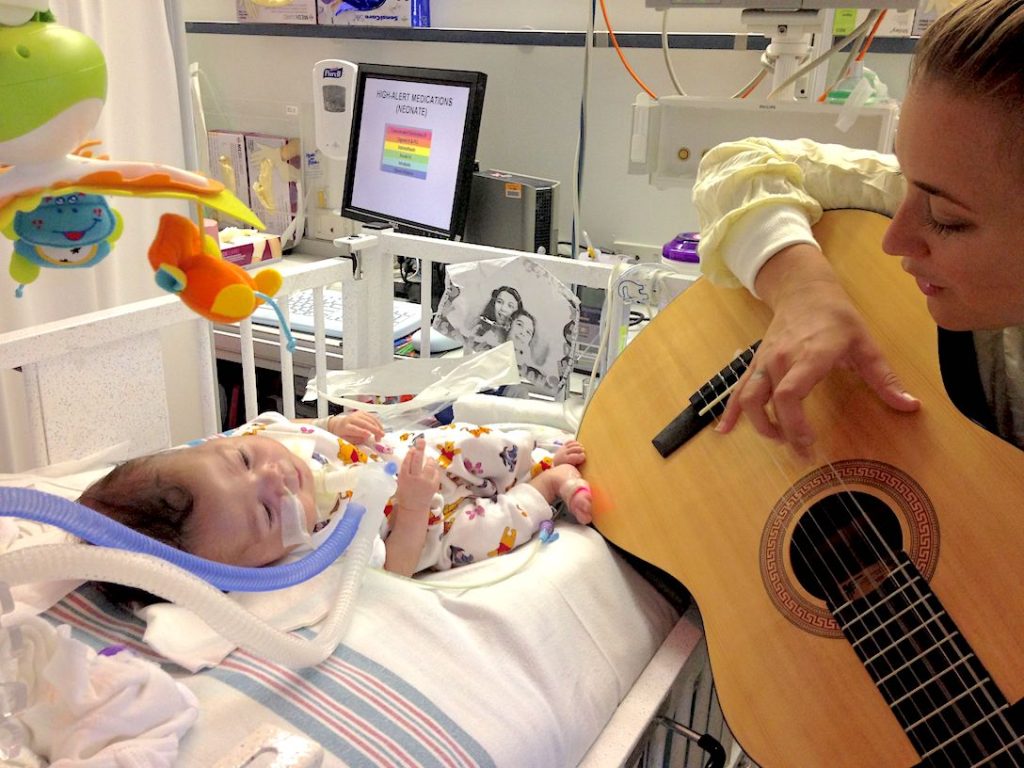
Music therapy is not merely about listening to melodies; it encompasses a range of practices and techniques that harness the power of sound to assist individuals in coping with various mental health challenges. The therapeutic process often involves licensed music therapists who create personalized treatment plans, using both active and receptive methods to address clients’ specific needs.
Here are several key aspects that demonstrate the efficacy of music therapy:
- Emotional expression: Music provides a safe outlet for feelings that may be difficult to articulate. For instance, individuals struggling with depression can express their sadness through songwriting, allowing them to process and communicate their emotions in a supportive environment.
- Stress reduction: Listening to calming music can lower cortisol levels, easing anxiety. Studies have shown that patients undergoing surgery who listen to soothing music experience less pre-operative anxiety and require less sedation.
- Social connection: Group music activities encourage interaction and foster a sense of community. Choirs or drumming circles can create shared experiences that build friendships and reduce feelings of isolation. For example, community choirs aimed at adults with mental health issues often provide a welcoming space for emotional sharing and support.
Research highlights that music therapy can benefit a wide range of mental health issues, including depression, anxiety, and PTSD. For many individuals, engaging with music stimulates positive changes in mood and behavior. This adaptability of music as a therapeutic tool means there’s something for everyone, regardless of age or background, making it an accessible form of treatment. In children with autism, for example, structured music sessions can help improve social skills, communication, and emotional regulation.
As we delve deeper into the world of music therapy, we’ll explore specific techniques and their impact on mental health. Techniques such as guided imagery, where clients visualize scenarios while listening to music, and lyric analysis, which involves examining the meaning of song lyrics, reveal how the universal language of music can significantly enhance well-being. Whether through individual sessions or community workshops, music therapy continues to emerge as a powerful instrument for mental health support, inviting individuals to embark on a journey of self-discovery and emotional healing.
DISCOVER MORE: Click here to learn about sustainable craft-making
The Therapeutic Techniques of Music Therapy
As we explore the nuances of music therapy, it is essential to understand the variety of techniques employed by therapists to ensure an impactful experience for each individual. These therapeutic techniques are designed not only to facilitate emotional healing but also to foster personal growth and self-awareness. By utilizing the dynamic nature of music, therapists can help clients tap into their internal resources for mental and emotional stability.
One prominent technique is guided imagery and music (GIM), which merges mental visualization with music listening. In this process, clients are encouraged to create mental images inspired by the music they hear. This can lead to profound insights and emotional breakthroughs, as participants can explore past experiences, current feelings, and future aspirations in a safe and supportive environment. GIM has shown excellent results in reducing symptoms of stress and anxiety, making it a popular choice in therapeutic settings.
Another method widely adopted is lyric analysis. This approach involves examining song lyrics to uncover deeper meanings and personal connections. As individuals reflect on these lyrics, they often find new ways to articulate their feelings, leading to improved emotional processing. By understanding and contextualizing their thoughts, clients can face their issues with renewed clarity. Studies have suggested that this method can be especially beneficial for those dealing with feelings of isolation or emotional turmoil, providing a voice to thoughts often left unexpressed.
Moreover, improvisation in music—whether through singing, playing instruments, or composing—enables a unique form of self-exploration. This spontaneous engagement encourages individuals to break free from self-imposed limitations, allowing them to express their emotions in real-time. For instance, a person grappling with anger can transform that energy into a powerful musical expression, fostering resilience and personal empowerment.
The benefits of these methods are reinforced by a growing body of research outlining their impact on mental health. Here are some key benefits of music therapy techniques:
- Enhanced emotional insight: Clients gain a deeper understanding of their emotions, which fosters better coping mechanisms.
- Improved communication skills: Engaging with lyrics or musical expression can help individuals articulate complex feelings more effectively.
- Strengthened self-esteem: As clients create or perform music, they often experience a boost in confidence and a sense of accomplishment.
- Reduction in stress levels: The act of making and listening to music has been scientifically shown to lower cortisol, aiding relaxation.
The adaptability of music therapy techniques makes them suitable for a diverse range of populations, from children to the elderly. Communities across the United States have increasingly recognized the value of music therapy programs within schools, hospitals, and rehabilitation centers, allowing a greater number of individuals to benefit from this rich, multifaceted form of therapy.
In the following sections, we will delve deeper into specific studies illustrating the positive impact of music therapy and share testimonials from individuals who have experienced transformative journeys through music. The tapestry of healing that music offers beckons to be explored further, revealing an essential understanding of mental well-being.
| Advantages | Description |
|---|---|
| Emotional Release | Music therapy promotes emotional expression, allowing individuals to process feelings that may be difficult to articulate verbally. |
| Enhanced Mood | Listening to or creating music has been shown to release endorphins, helping to elevate mood and reduce symptoms of depression. |
| Improved Social Connections | Participating in group music therapy sessions can foster a sense of belonging and community among individuals facing similar challenges. |
| Cognitive Stimulation | Engaging with music stimulates various brain functions, enhancing memory, attention, and overall cognitive health. |
Exploring the nuances of music therapy can uncover how these therapeutic techniques not only address specific mental health issues but also promote overall well-being. Techniques such as songwriting or rhythmic drumming can facilitate unique forms of self-discovery, often leading to revelations that improve interpersonal relationships and personal insight. Furthermore, studies indicate that individuals with conditions such as anxiety or PTSD benefit immensely from music therapy interventions, demonstrating its wide-reaching potential in diverse settings. It is a fascinating field that intertwines art and healing, urging both professionals and newcomers alike to delve deeper into the world of therapeutic sound. Engaging with one’s musicality can serve not only as a form of personal expression but as a bridge to understanding the emotional landscapes we navigate daily. Through continued research and practice, the power of music in mental health can be further harnessed, providing a robust avenue for healing and growth.
DISCOVER MORE: Click here to learn about accessible design tools
The Impact of Music Therapy on Various Populations
As we delve deeper into music therapy, it becomes crucial to examine its unique applications across different populations. The versatility of music therapy makes it an invaluable resource for enhancing mental health and well-being in a wide range of settings, from hospitals to schools and beyond. Each demographic experiences distinct challenges that music therapy can effectively address, paving the way for improved emotional resilience and coping skills.
Children often face emotional and behavioral challenges as they navigate early development. Music therapy plays a key role in helping children express themselves in ways that may be difficult through conventional communication. Through play-based approaches such as therapeutic songwriting or rhythmic games, children can explore their emotions and build interpersonal skills. One study published in the journal *Child and Adolescent Mental Health* found that children with anxiety showed significant improvements in behavior and mood when engaged in music therapy sessions. The ability to process complex feelings through music enables young clients to develop greater emotional intelligence and communication capabilities.
The elderly population also reaps profound benefits from music therapy, particularly in the context of dementia and Alzheimer’s disease. Music has the power to unlock memories and foster connections that may otherwise be lost. Research conducted by the University of Iowa found that familiar music can elicit emotional responses even in advanced stages of dementia, providing an avenue for engagement and enjoyment. Tailored music therapy approaches can revive personal histories, stimulate cognitive function, and forge a sense of belonging among older adults. With studies indicating that exposure to music can decrease agitation and enhance overall emotional well-being, the role of music therapy in geriatric care remains vital.
Individuals dealing with mental health disorders, such as depression, anxiety, and PTSD, also experience remarkable transformations through music therapy. In a clinical setting, therapists often create a safe space for clients to explore traumatic memories or overwhelming emotions through music. For example, trauma-informed approaches can utilize musical improvisation to help clients articulate their experiences without revisiting the pain directly. Reports from participants highlight a reduction in symptoms and an increase in feelings of safety and empowerment. These results align with findings from various studies, illustrating that music therapy not only alleviates symptoms but also promotes resilience and recovery.
Furthermore, rehabilitation programs for substance abuse have started to incorporate music therapy as a complementary treatment option. Research suggests that engaging clients in musical activities can help reduce cravings, improve mood, and develop healthy coping mechanisms. For many, participating in group music-making sessions fosters a sense of community and belonging, which can be crucial during the recovery journey. A randomized control trial published in the *Journal of Substance Abuse Treatment* demonstrated that individuals who participated in music therapy reported significantly lower levels of anxiety and higher motivation towards recovery than those receiving standard care alone.
The integration of music therapy into treatment plans continues to attract attention from professionals across various fields. As practitioners increasingly recognize the merits of artistic expression as a therapeutic tool, we can expect more innovative and tailored programs emerging in traditional healthcare, educational institutions, and community settings. The ongoing quest to understand and harness the power of music for mental well-being is not only enlightening but also transformative for countless lives.
DISCOVER MORE: Click here to dive into creative recycling art
Conclusion
As we conclude our exploration of music therapy and its profound impact on mental health and well-being, it becomes evident that the therapeutic potential of music transcends age, background, and individual challenges. From children articulating their feelings through melodies to the elderly reconnecting with precious memories, and individuals battling mental health disorders finding solace and empowerment, the heterogeneity of music therapy’s application reveals its vital role in contemporary therapeutic practices.
Recent studies reinforce the idea that music not only serves as a vehicle for emotional expression but also acts as a bridge for connection—addressing issues of isolation, anxiety, and cognitive decline. The integration of music therapy within various therapeutic settings—be it educational institutions, rehabilitation programs, or geriatric care—highlights the consistent recognition of its efficacy by professionals dedicated to mental health.
Furthermore, as we venture into an era where mental health awareness grows rapidly, understanding how to leverage music therapy effectively could play an integral part in refining treatment strategies. By promoting further collaboration among music therapists, mental health professionals, and researchers, we can pave the way for innovative, evidence-based programs that meet the diverse needs of our communities.
Ultimately, the journey into the world of music therapy not only enhances individual healing but also enriches collective mental wellness. The harmonies and rhythms of music have the power to create a transformative atmosphere, signaling a hopeful step towards a more empathetic society where mental well-being is prioritized and cherished.