
Exploring the History of Craftsmanship: Traditions and Techniques That Withstood the Test of Time
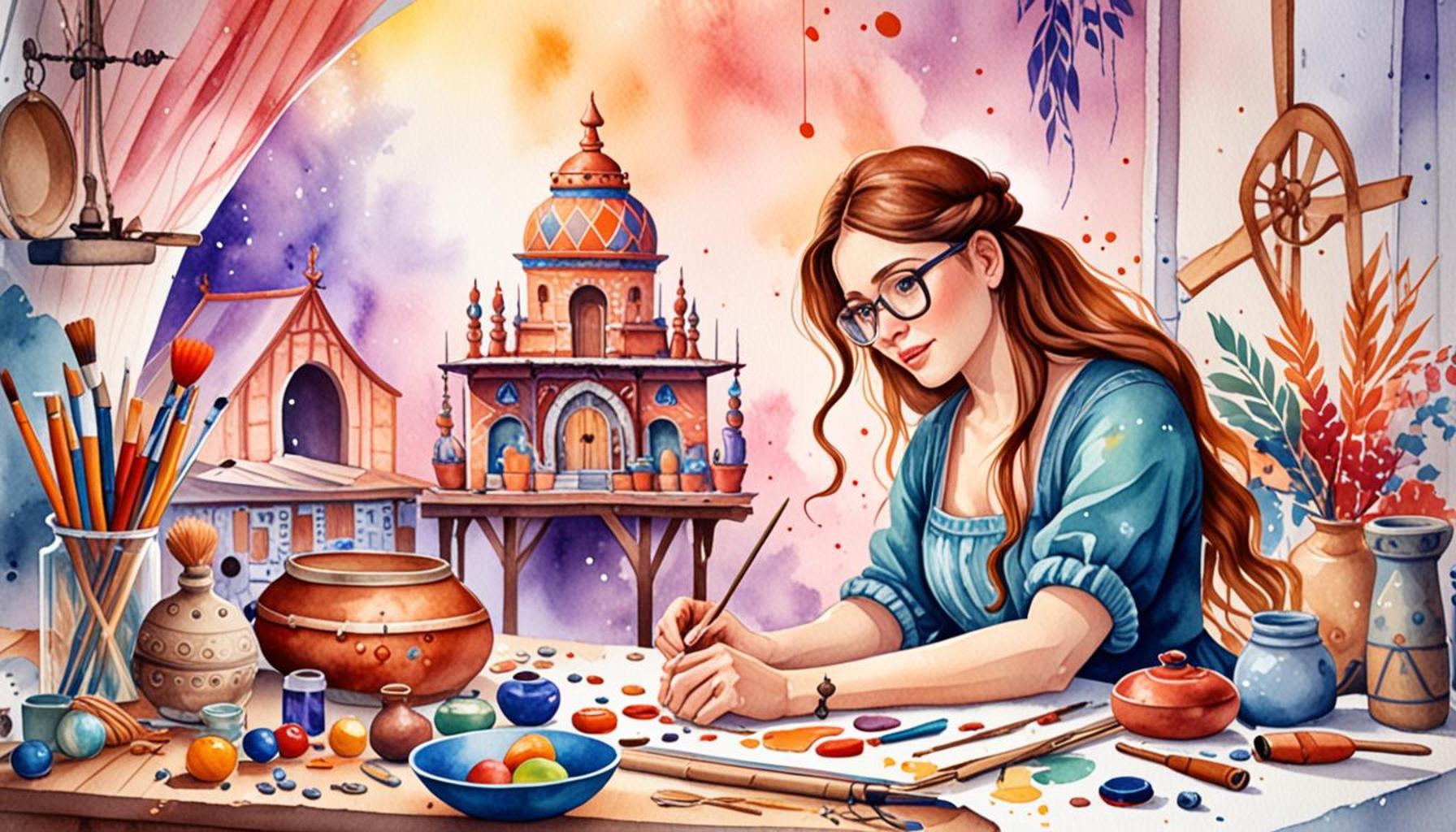
Unraveling Craftsmanship Through the Ages
Craftsmanship has been a cornerstone of human expression and innovation. Across cultures and eras, skilled artisans have preserved techniques that reflect both tradition and ingenuity. This journey into the world of craftsmanship reveals the intricate connections between the past and our contemporary lives.
Key traditions and techniques include:
- Woodworking: A timeless skill that has evolved yet remains rooted in ancient practices. From handcrafted furniture to complex architectural designs, woodworking showcases the artistry of transforming raw timber into functional and beautiful forms. Notably, Shaker furniture emphasizes simplicity and utility, serving as a historical touchstone for designers today.
- Metalworking: From blacksmithing to modern fabrication, metal has shaped civilizations. The art of forging metal dates back thousands of years, with blacksmiths playing pivotal roles in community development. Techniques such as welding and casting have emerged, allowing for intricate designs in art and industrial applications. The work of contemporary sculptors like Richard Serra reflects the ongoing evolution of metal as a medium of expression.
- Textile Arts: Weaving and sewing, crucial for creating both functional and aesthetic pieces. Traditions like Navajo rug weaving illustrate a deep cultural connection to the landscape, while contemporary fashion designers draw from these techniques to tell stories through fabric. In America, quilting has become a celebrated art form, with each quilt often symbolizing family heritage and communal storytelling.
- Pottery: Techniques like wheel-throwing and hand-building have persisted through generations. Ancient pottery styles, such as those from the Pueblo people, highlight the intricate relationship between utility and artistry. Today, potters often experiment with glazes and forms, bridging tradition with innovation to create unique pieces that are both functional and decorative.
Exploring these crafts not only unveils the technical mastery of artisans but also emphasizes the cultural narratives stitched into their work. Each craft embodies a unique story, representing a community’s identity and values. Artistic movements and cultural shifts often influence these crafts, demonstrating how they adapt and evolve over time.
As we delve deeper into craftsmanship, we discover how these traditions have withstood the challenges of modernization and globalization. Some artisans have embraced technology, combining traditional methods with digital tools to expand their reach and capabilities, while others fiercely protect age-old techniques from vanishing amidst mass production.
Understanding the history of craftsmanship invites us to appreciate the dedication behind each piece created. Each handcrafted item tells a story of labor, skill, and a bond to cultural identity, prompting us to recognize the value of artisanal work in our daily lives. Join us on this expedition to uncover the techniques that have withstood the test of time, enriching our lives and heritage while igniting a curiosity that inspires the next generation of artisans and craftspeople.

DISCOVER MORE: Click here to uncover the emotional benefits of crafting
Rediscovering Time-Honored Techniques
The journey through the history of craftsmanship unveils a tapestry of techniques that have transcended generations, adapting yet remaining true to their origins. Each craft not only reflects the artistry of its makers but also serves as a testament to the cultural significance it holds. This exploration highlights a few crafts that have left significant marks, not just on the artisans themselves but on society at large.
Woodworking: A Craft of Legacy
Woodworking is not merely a technical skill; it embodies a legacy passed down through ages. From the ancient timber-framed homes of the early settlers in America to intricately designed Shaker furniture, woodworking showcases a commitment to quality and detail. These designs emphasize functionality and minimalism, allowing the natural beauty of the wood to shine. Artisans today utilize both traditional joinery techniques and modern tools, creating a new dialogue between past and present. Workshops across the US welcome both novice and experienced woodworkers, reflecting the craft’s enduring appeal.
Metalworking: Shaping the Future of Art
Metalworking stands as one of the most transformative crafts in human history. The evolution from simple metalworking techniques to advanced technologies such as 3D printing illustrates this craft’s adaptability. At local foundries, artisans apply age-old methods like welding and casting to shape metal into functional art, as seen in the intricate sculptures of renowned artists like Richard Serra. The rise of maker spaces invites a new generation to experiment with this craft, marrying traditional practices with contemporary designs.
Textile Arts: Weaving Stories of Culture
The art of textiles transcends mere fabric, entwining personal and communal narratives into every stitch. In indigenous cultures, techniques like Navajo rug weaving not only produce stunning aesthetics but also serve as a connection to cultural heritage and landscapes. In contemporary contexts, established designers and local craft communities are rediscovering these practices, creating fashion that tells stories and fosters connection. Quilting gatherings, particularly in the Midwest and South, highlight the importance of community and shared history, with each quilt often representing familial legacies.
Pottery: Building Connections Through Clay
Pottery, characterized by its tactile nature and creative potential, has witnessed a delightful resurgence in recent years. Techniques like wheel-throwing have origins that stretch back thousands of years, yet they remain relevant in today’s artistic expressions. The Pueblo peoples’ style of pottery, with its distinctive glazes and forms, speaks to the balance between utility and beauty. Modern potters have embraced this heritage, experimenting with new glazes and firing techniques, creating pieces that both honor tradition and push boundaries.
The interplay of these crafts exemplifies how they have weathered the storms of modernity and consumerism. They are not merely relics of the past but living practices that inspire innovation while maintaining connections to cultural narratives. By exploring these enduring traditions and techniques, we gain insight into the values and identities that shape our society.
| Advantage | Details |
|---|---|
| Preservation of Heritage | Cultural significance is embedded in craftsmanship, allowing skills passed down through generations. |
| Sustainability | Traditional techniques often utilize locally sourced materials, promoting sustainable practices. |
As we traverse through the narrative of craftsmanship, it’s evident that the preservation of heritage forms a keystone in understanding its enduring traditions. Craftspeople not only perfect their skills but also keep alive the stories and techniques that have shaped cultures over millennia. From intricate woodworking in Scandinavia to ceramic arts in East Asia, each craft piece tells a tale of human experience and connection with the environment.Moreover, the shift towards sustainability in modern society has led many to rediscover these time-tested techniques. Utilizing local resources reduces the carbon footprint, evidencing that skills honed through the ages are not just art forms—they’re solutions addressing contemporary challenges. The art of craftsmanship is both a bridge to the past and a map for sustainable future practices, stimulating consumer interest in products with history and intention behind them. This duality emphasizes an ongoing quest for authenticity in a world inundated with mass production, making the exploration of craftsmanship an essential discussion in today’s discourse.
DIVE DEEPER: Click here to uncover the art of storytelling
Embracing Traditional Skills in a Modern Age
The narrative of craftsmanship remains vibrant as artisans continue to breathe life into age-old skills. In an era dominated by mass production and digital design, the revival of these traditional crafts not only highlights their aesthetic value but also emphasizes the significance of hand-made work in a world that increasingly favors convenience over quality.
Leatherworking: The Art of Endurance
Leatherworking is an illustrious craft, evolving from simple necessities into a multifaceted art form. The production of leather goods dates back thousands of years and has become a staple in fashion and functional design. Artisans often emphasize techniques such as hand-stitching and tooling, which preserve the material’s natural characteristics while allowing for personalized customization. Brands like Red Wing Shoes celebrate this heritage by producing durable footwear that withstands the test of time, showcasing the potential of leatherworking in contemporary markets. Craft markets and workshops across the United States regularly feature demonstrations of these skills, inviting a new audience to appreciate the beauty and durability of handcrafted leather products.
Glassblowing: A Transparent Journey of Creation
Glassblowing, a craft that necessitates precision and flair, has roots traceable to ancient Egypt and Mesopotamia. The transformative process begins when skilled artisans heat silica sand to high temperatures, allowing them to mold the molten glass into exquisite shapes. Studio glass movement in the United States, which gained momentum in the mid-20th century, has led to the emergence of numerous glass artists who experiment with color, form, and function. Institutions like The Corning Museum of Glass offer workshops and exhibitions that not only showcase the skill but also honor the legacy of this craft, emphasizing its relevance in both functional and artistic contexts.
Jewelry Making: Crafting Personal Narratives
The craft of jewelry making intertwines artistry, technology, and history, creating pieces that reflect personal and cultural narratives. Techniques such as lost-wax casting and filigree work have been handed down through generations, allowing artisans to preserve ancestral methods while adding modern interpretations. American artisans are increasingly turning to sustainably sourced materials and ethical practices, thus enhancing the craft’s relevance in a socially conscious marketplace. Annual trade shows and local fairs provide platforms for these jewelers to showcase their innovative designs, bridging the gap between traditional craftsmanship and contemporary aesthetics.
Calligraphy: The Visual Poetry of Handwriting
In an age dominated by digital text, calligraphy stands out as a cherished craft that emphasizes the beauty of handwriting. Rooted in ancient scripts and transformed through artistic expression, calligraphy incorporates various techniques and styles, from elegant cursives to bold modern lettering. Workshops, often held in urban centers, are resurging in popularity, inviting enthusiasts to explore the nuances of letterforms and ink application. The revival of decorative writing has spilled into wedding invitations, branding, and art designs, proving that the art of beautiful handwriting can adapt and thrive in contemporary culture.
The resurgence of these traditional craftsmanship practices highlights a larger trend of seeking authenticity and individuality in a world filled with homogenized products. From leather to glass, each technique carries history and artistry, inviting us to not only admire but also to participate in the ongoing narrative of craftsmanship that resonates across cultures and generations.
EXPLORE MORE: Click here for techniques to spark your creativity
Revitalizing Craftsmanship for Future Generations
The exploration of craftsmanship unveils a rich tapestry of traditions and techniques that have withstood the test of time, revealing not only their historical significance but their contemporary relevance. As we’ve examined, each craft—be it leatherworking, glassblowing, jewelry making, or calligraphy—serves as a bridge connecting us to our past while inviting innovation and self-expression in today’s world. Artisans who embrace these time-honored methods showcase a commitment to quality and authenticity, offering a compelling counter-narrative to the ever-growing preference for mass-produced goods.
As interest in handcrafted products surges, enthusiasts and newcomers alike are drawn into this vibrant community, learning techniques that not only enrich their lives but also cultivate appreciation for the artistry involved in each piece. Whether attending a workshop, visiting an artisan market, or simply opting for handmade goods, individuals can participate in preserving these traditions. This engagement ensures that the narratives of craftsmanship remain alive and continue to evolve, blending ancient wisdom with modern-day sensibilities.
In conclusion, the journey of craftsmanship is not just about appreciating the past; it’s about reviving traditions that inform our choices and enrich our experiences in the present. By investing time and resources into these crafts, we celebrate culture, promote sustainability, and foster a deep connection to the stories embedded in each handmade creation. As we continue to explore the rich legacy of craftsmanship, we are reminded that true artistry endures, inspiring generations to come.