Exploring the Relationship Between Visual Design and Storytelling in Creative Projects
Unveiling the Connection
Every creative project is an opportunity for storytelling, yet the effectiveness of that storytelling heavily relies on its mode of communication. Visual design plays an instrumental role in this process, often transitioning simple narratives into compelling experiences that resonate with audiences. By exploring the nuanced relationship between design and narrative, we uncover the principles of effective communication in various domains, including art, advertising, and multimedia.
The Intersection of Design and Narrative
Combining visual design with storytelling transcends mere aesthetics; it creates a cohesive message that speaks to the audience on multiple levels. For instance, consider the realm of branding. Elements such as logos, color schemes, and typography carry significant weight in shaping audience perceptions. Iconic brands like Apple and Coca-Cola utilize distinctive designs that are instantly recognizable and evoke specific feelings, proving that strategic design can amplify brand storytelling.
In the world of film, cinematic techniques such as cinematography and editing enhance the narrative arc. Films like “Inception” and “Mad Max: Fury Road” showcase how visual elements can elevate plot depth and emotional intensity. The visual storytelling in these films captivates viewers, immersing them in worlds where every frame adds layers to the story, making their experiences unforgettable.
Moreover, in the advertising industry, compelling imagery and thoughtful layouts are essential for capturing attention. Effective ad campaigns, such as Nike’s “Just Do It,” utilize visuals that not only showcase the product but also evoke strong emotional connections. This ability to resonate with viewers invites them to engage with the brand in a more meaningful way, turning simple advertisements into powerful narratives.
Why It Matters
As our world becomes increasingly visual, recognizing the synergy between design and storytelling is more crucial than ever. This exploration fosters deeper connections between creators and audiences, encouraging innovative storytelling methods. As we venture further into this topic, we invite you to look beyond the superficial aspects of visuals and delve into the profound ways they can breathe life into narratives.
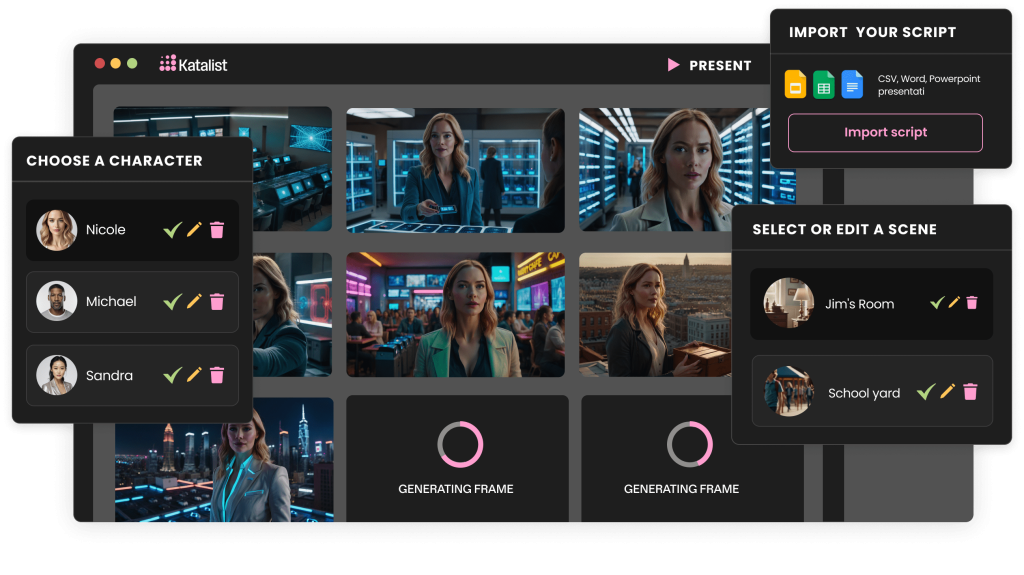
Understanding this dynamic relationship invites creators to think critically about how they can use design not merely as decoration but as a fundamental storytelling tool. In a hyper-connective society, where attention spans are short, the integration of visual design and narrative is essential for capturing and maintaining audience interest. Researchers and creatives alike continue to explore the techniques that blend these elements, paving the way for stories that inspire and resonate with diverse audiences.
Ultimately, the dialogue between visual design and storytelling holds immense potential for creating impactful narratives that are not soon forgotten. As creators, the challenge lies in mastering this intersection to communicate stories that are as visually stunning as they are narratively rich.
DIVE DEEPER: Click here to discover more
Bridging the Gap: How Design Amplifies Storytelling
In the vast landscape of creative projects, the interplay between visual design and storytelling emerges as a vital force that shapes how narratives are communicated. Within diverse fields such as literature, gaming, and digital content creation, the fusion of visual elements and storytelling techniques crafts experiences that engage audiences profoundly. To understand this relationship, we must examine the various methods through which design complements and elevates narrative.
Visual Hierarchies: Organizing the Story
One of the most significant contributions of visual design to storytelling is the establishment of visual hierarchies. This concept refers to the arrangement and presentation of design elements that guide the viewer’s attention and prioritize information. For instance, in a graphic novel, the layout of panels, the size of images, and the selection of colors not only define the atmosphere but also provide insights into character emotions and plot development. By strategically using visual hierarchies, creators can lead audiences through their narratives more intuitively, creating rhythms that enhance comprehension and impact.
Moreover, consider the realm of web design. A well-organized website not only conveys information but also tells a story. For instance, interactive features such as scrolling animations and transitions help to create a narrative flow that can captivate visitors. By integrating user experience (UX) principles, designers can ensure that the audience is engaged and informed throughout their journey on the site, thus enriching the storytelling experience.
The Power of Imagery and Color
Imagery and color evoke emotions and set the tone for any narrative, making them crucial components of visual design in storytelling. Here are some important aspects to consider:
- Color Psychology: Different colors elicit distinct emotional responses. For example, blue often represents calmness, while red can signify energy or urgency. By leveraging these psychological effects, creators can enhance their narratives’ emotional depth.
- Symbolism: Visual symbols can convey complex ideas succinctly. For instance, a broken chain may symbolize freedom or liberation. Effective design employs symbolism to deepen the audience’s understanding of the underlying themes without relying solely on text.
- Imagery Context: The choice of images not only supports storytelling but can also convey cultural or contextual significance. Using culturally relevant images allows for greater resonance with a target audience, fostering a deeper connection to the story.
Incorporating these elements requires careful consideration and experimentation, as both designers and storytellers navigate the thin line between artistry and meaning. The creative process thus becomes an exploration of how well visuals can encapsulate and elevate narratives, making the story more engaging and relatable.
As we move forward in our exploration of the relationship between visual design and storytelling, the importance of merging aesthetics with narrative intent becomes increasingly clear. Understanding these principles not only enhances the creation of artistic works but also lays the groundwork for compelling experiences that leave a lasting impression on audiences. The next segment will delve into how the evolution of technology has further transformed this dynamic partnership, allowing for innovative storytelling methods that continue to push creative boundaries.
| Visual Design | Impact on Storytelling |
|---|---|
| Color Palette | Strongly evokes emotions and atmosphere that resonate with the narrative. |
| Typography | Sets the tone, guiding the audience’s perception of character and plot. |
| Layout and Composition | Influences how the story is consumed, directing viewer focus to key elements. |
| Imagery and Illustration | Visually enhances the narrative, creating memorable impressions and deeper connections. |
Visual design and storytelling are intricately linked, oftentimes coalescing to create a unified experience. One fundamental aspect is the impact of the color palette. Colors can convey emotions before a single word is spoken, setting the atmosphere of a story. Similarly, typography serves as an auditory cue, establishing a character’s voice through its visual representation. The layout and composition strategically influence how viewers experience the narrative, giving careful consideration to where eyes should land and when.Additionally, the use of imagery and illustration can captivate audiences, conjuring emotions and memories that resonate at a profound level. Each element speaks volumes—whether through subtle hints or bold declarations, they weave a rich tapestry that enhances understanding and engagement with the story being told. In the world of creative projects, exploring these relationships leads to innovative strategies that elevate the overall narrative experience.
DISCOVER MORE: Click here to learn about the therapeutic benefits of craft-making
Innovative Technologies: Reimagining Visual Storytelling
The relationship between visual design and storytelling has evolved dramatically with the advent of innovative technologies. New platforms and tools have expanded the possibilities for creators, allowing them to experiment with narrative structures and visual aesthetics in ways previously unimaginable. From virtual reality (VR) and augmented reality (AR) to interactive storytelling, these technologies invite audiences to engage in immersive experiences that deepen their connection to the narrative.
The Rise of Interactive Storytelling
One of the most fascinating developments in creative projects is the rise of interactive storytelling. This format empowers audiences to participate actively in the narrative, transforming them from passive viewers to engaged participants. For example, in video games, players often influence story outcomes based on their choices, with art direction enhancing this experience. A game like “The Last of Us” is not just celebrated for its gripping story but also for its visual storytelling, where environments reveal backstory and character emotions, shaping player experiences.
Furthermore, interactive web documentaries such as those produced by media organizations utilize scrolling, animation, and user-driven choices to propel storytelling. These projects invite viewers to navigate their paths through narratives, allowing them to explore themes and topics in a personal and meaningful way. By integrating well-crafted visual elements, creators can enhance audience engagement and retention, making the stories not only more enjoyable but also more impactful.
The Impact of Virtual and Augmented Reality
Alongside interactive storytelling, virtual reality (VR) and augmented reality (AR) have begun to reshape how stories are experienced. VR, for instance, transports viewers into entirely new worlds, enabling them to experience narratives from a first-person perspective. By employing immersive visual design, creators can craft environments that envelop users and evoke emotional responses in real time. The Netflix VR experience, “Stranger Things: The Game,” exemplifies how visual design in a virtual world can enhance storytelling, inviting fans to explore and interact with the universe of the show.
On the other hand, AR helps to layer digital elements over the physical world, creating unique storytelling avenues. A practical example is the popular mobile game “Pokémon GO,” which combines the real-world environment with digital characters. Analyzing this, we see that just like in traditional storytelling, effective visual design communicates the game’s theme and reinforces its narrative structure. The result is a compelling blend, where players engage with both the reality around them and the fantasy of the game narrative.
Data Visualization: Uniting Information and Narrative
Moreover, data visualization has arisen as a critical intersection between storytelling and design, allowing complex information to be presented in visually engaging formats. Infographics, interactive charts, and animated graphics simplify the communication of data-driven narratives, making them accessible and resonant. This approach is particularly valuable in journalism, where presenting statistical information alongside human stories can create a compelling and informative narrative.
- Infographics: Well-designed infographics can distill intricate data into digestible visuals, enabling audiences to grasp insights quickly while maintaining engagement.
- Interactive Dashboards: Websites like “Our World in Data” leverage interactive visual elements to present comprehensive data on global development topics, marrying storytelling with statistics.
As we navigate the landscape of storytelling robots, autonomous drones, and artificial intelligence in design, the future holds immense potential. As technology continues to advance, the synergy between visual design and storytelling will likely evolve further, yielding innovative forms of expression that keep audiences captivated. Understanding this dynamic can facilitate the creation of more enriching experiences that resonate on multiple levels.
DISCOVER MORE: Click here to learn about sustainable visual design innovations
Bringing Narratives to Life Through Visual Design
In conclusion, the relationship between visual design and storytelling is a dynamic interplay that continues to shape creative projects across various mediums. As we have explored, innovative technologies such as virtual reality (VR), augmented reality (AR), and interactive storytelling have broadened the horizons for how narratives are constructed and experienced. These advancements allow creators to captivate audiences by creating immersive environments where visual elements enhance emotional depth and engagement.
The rise of interactive storytelling has transformed viewers from passive recipients into active participants, fundamentally altering how narratives are conveyed. Similarly, the fusion of data visualization and storytelling serves as a powerful tool to communicate complex information in relatable ways, ensuring that narratives remain accessible and impactful. Platforms that combine these elements, like interactive web documentaries and infographics, highlight the potential of visual design to make stories resonate with broader audiences.
As we look to the future, the continuous evolution of technology promises even more innovative avenues for storytellers and designers to explore. The ongoing synergy between visual design and storytelling opens the door to experiences that not only entertain but also educate and inspire. By embracing this relationship, creators can craft richer narratives that leave lasting impressions on their audiences, fostering connections that transcend the boundaries of traditional storytelling. In doing so, they will not only engage their viewers but also invite them to explore narratives in ways that are increasingly interactive, immersive, and meaningful.