Exploring Visual Design Sustainability Eco-Conscious Innovations
Introduction
In a world increasingly concerned with climate change, visual design has found itself at a crucial crossroads. The integration of sustainability into creative practices is not just an option; it is an imperative. Designers are now tasked with the responsibility to innovate while being mindful of the environmental impact of their creations.
This emerging intersection represents an exciting frontier in creative hobbies, pushing artists and designers alike to rethink their materials and processes. By embracing eco-conscious methods, they can foster a more sustainable future while continuing to express their artistic visions. This exploration has given birth to numerous innovative practices that contribute positively to the planet.
In this article, we will delve into the top 5 eco-conscious innovations within visual design that exemplify this convergence. You will discover:
- Examples of sustainable materials
- Techniques in eco-friendly printing
- Case studies of successful sustainable design projects
- Impactful design philosophies
- Resources for further exploration
Get ready to be inspired by how creativity can coexist with environmental stewardship, redefining the future of design.
Top 5: The Intersection of Visual Design and Sustainability: Designing with Environmental Awareness
As environmental issues loom larger on the global stage, the intertwining of visual design and sustainability becomes an increasingly critical dialogue among designers, artists, and consumers alike. In the realm of creative work, understanding and integrating eco-friendly principles is no longer a choice—it’s a necessity. Through this intersectional lens, designers are discovering innovative ways to mitigate ecological impacts while continuing to produce remarkable and aesthetically pleasing works. This exploration ranks five pivotal aspects of sustainable design, offering insights into how each individual can contribute to a more environmentally conscious future. Join us as we delve into the top five elements propelling this movement and discover inspiring strategies that can be applied to creative projects everywhere.
5. Eco-Friendly Materials
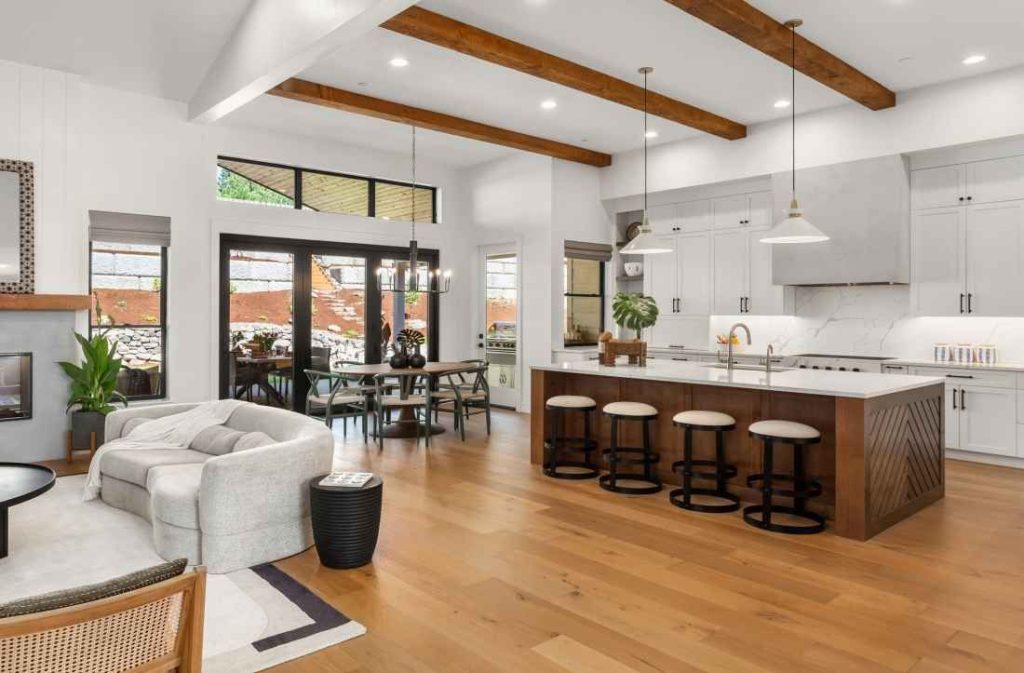
The journey towards sustainability in design initiates with the procurement and application of eco-friendly materials. A paradigm shift is occurring as designers move from traditional materials towards options that are kinder to the planet. Consider bamboo, not merely a plant but an emblem of sustainability, growing rapidly while sequestering carbon more efficiently than many trees. Its versatility allows it to be crafted into everything from furniture to fabrics.
Meanwhile, recycled materials are making waves in different mediums. Plastics once viewed as disposable nuisances are being reborn through innovative processes that transform them into sustainable products. Textile designers are leaning towards organic fabrics such as cotton, linen, and hemp, utilizing natural dyes that not only reduce the ecological footprint but also eliminate toxic chemical residue.
- Organic fabrics cultivate sustainable fashion, providing alternatives to chemically-intensive textiles.
- The use of reclaimed wood transforms old structures into contemporary furniture and art pieces, each containing a narrative of its prior life.
- Recycled metals are finding new expressions in sculpture and industrial design, marrying sustainability with an industrial aesthetic.
By selecting materials that are renewable, recyclable, and biodegradable, designers are not just reducing their carbon footprint but also engaging with the materials on a deeper level, integrating their unique stories into their works.
4. Sustainable Processes
Sustainability extends beyond products to the methodologies employed in sustainable processes. The narrative of eco-design involves rethinking production approaches to minimize environmental impact. A growing number of designers are adopting zero-waste design principles, striving to utilize every piece of material which, in some cases, can lead to exciting new forms and functions in their work.
The shift to renewable energy sources is bolstered by a growing awareness of the need for energy efficiency. Solar, wind, and other green energies are increasingly powering factories and studios, reducing reliance on fossil fuels. Furthermore, by implementing efficient logistics, transportation emissions can be minimized, thus reducing the sector’s carbon footprint.
In a candelabra of sustainable practices, some designers are seeking out partnerships with local producers to source materials sustainably and to ensure that products are transported efficiently and ethically. These collaborations also add a layer of community support and transparency in the supply chain.
3. User-Centric Design
Integrating environmental awareness into design inevitably involves a user-centric approach, which highlights the role of consumers in the sustainability puzzle. Designers are tasked not solely with crafting beautiful products but also educating and informing their audience on how to use and dispose of these items responsibly.
By bridging the knowledge gap, designers empower consumers to become active participants in sustainability. Details on a product’s lifecycle, its environmental credentials, and guidelines for recycling or repurposing become vital touchpoints for creating informed consumers. The ripple effect is a more educated populace that is conscious of their environmental footprint.
Interactive user interfaces and packaging designs that communicate these ideas effectively can promote engagement and thought. As users gain an understanding of how to extend a product’s life through maintenance or upcycling, they are more likely to make sustainable choices, breaking the cycle of throwaway culture.
2. Minimalism and Functional Aesthetics
The ethos of minimalism and functional aesthetics serves as an advocate for sustainability within the design sphere by promoting simplicity and utility. This movement values the necessity of each element in a product while shedding excesses that burden consumption patterns with superfluous waste.
Minimalism celebrates designs that can endure the test of time, prioritizing function over form. This philosophy directly opposes the trend of planned obsolescence, where products are deliberately designed with short life spans. Instead, functional aesthetics advocate for durable creations that require less frequent replacements, thereby reducing waste produced by fast consumer cycles.
Such designs often resonate with the pragmatic user, who values the elegance of purpose and considers objects as more than products, but as partners in sustainable living.
1. Community Engagement and Activism
Topping the list is the unparalleled importance of community engagement and activism. The true potential of sustainable design is unlocked when it transcends individual endeavors and fosters a collective, environmental movement. Many designers are investing their talents in social causes, collaborating with communities to spawn grassroots initiatives that address local environmental challenges.
These efforts manifest in various formats—ranging from educational workshops that introduce sustainable practices to community participatory art projects which visualize and confront pressing environmental issues. Such activism crafts ecosystems wherein shared values culminate towards proactive environmental stewardship.
The synergy between design and community activism can evoke profound change, influencing policy, raising awareness, and creating resilience against ecological adversities. By making sustainable living principles an intrinsic part of community culture, such initiatives establish a foundation of shared responsibility and collective action towards a sustainable future.
In conclusion, the convergence of visual design and sustainability outlines a roadmap for creatives striving to make impactful differences. By emphasizing eco-friendly materials, sustainable practices, user education, minimalism, and community efforts, designers can weave environmental stewardship into every aspect of their artistic expression. As these principles ripple outwards, every line drawn, and every creative decision taken, reflects a commitment to safeguarding our planet for future generations.
| Category | Details |
|---|---|
| Innovative Materials | The use of sustainable materials such as bamboo, recycled plastics, and organic fabrics reduces environmental impact and promotes ecological balance. |
| Energy Efficiency | Designing with energy efficiency in mind not only curtails waste but also enhances user experience through natural lighting and ventilation. |
| User Engagement | Creative and engaging designs foster a stronger connection between consumers and the environment, encouraging mindful consumption. |
| Lifecycle Considerations | Designers are now considering the entire lifecycle of products, ensuring that items are recyclable, reusable, or biodegradable, which prolongs their usefulness and reduces waste. |
In the realm of design, the intersection between visual aesthetics and sustainability is increasingly recognized as a pivotal factor that can transform industries and communities alike. The concept of using innovative materials cannot be overstated. Designers are now incorporating natural, renewable resources and recycled elements into their projects. Materials like bamboo or bioplastics not only contribute to reducing carbon footprints but also inspire a sense of responsibility among consumers. For instance, bamboo, which is incredibly fast-growing and requires minimal resources, is becoming a favored choice among furniture designers.Furthermore, energy efficiency is a key advantage when considering environmentally conscious design. Utilizing passive solar techniques, energy-efficient appliances, and designs that maximize natural light can significantly lower energy consumption in buildings and products. The modern architectural landscape is evolving with structures that integrate living green walls and solar panels, enhancing both sustainability and aesthetic appeal.Moreover, user engagement has emerged as a crucial aspect of sustainable design. By enabling consumers to actively participate in the design process or decision-making, designers can enhance appreciation and accountability towards environmentally friendly choices. Programs that allow users to track the environmental impact of their decisions via user-friendly interfaces are gaining traction.Another integral consideration is the lifecycle of products. This approach not only focuses on the production phase but also on the end-of-life stage of materials. By designing products that can be easily disassembled for recycling or that biodegrade naturally, designers are actively reducing landfill contributions. Creative campaigns around “repair culture” are also emerging, encouraging consumers to fix rather than discard, thus promoting a circular economy.By embracing these strategies, the synergy between design and sustainability is more powerful than ever, leading to developments that inspire not just innovation but environmental stewardship as well.
Frequently Asked Questions about the Intersection of Visual Design and Sustainability
What is environmentally conscious design?
Environmentally conscious design is an approach to creating visual elements and products with a clear focus on reducing negative impacts on the environment. This involves utilizing sustainable materials, minimizing waste, and optimizing processes for energy efficiency. The goal is to blend aesthetics with environmental responsibility, ensuring that beauty does not come at the expense of the planet.
How can design professionals integrate sustainability into their projects?
Design professionals can integrate sustainability by selecting eco-friendly materials, adopting digital tools to reduce print materials, and choosing energy-efficient technologies in production. Additionally, emphasizing longevity and versatility in design can prevent premature disposal and resource consumption. Assessing the full lifecycle of a design project ensures every phase from creation to disposal considers its environmental impact.
Are there any examples of successful sustainable design practices in the industry?
Yes, there are several influential examples. Companies like Patagonia and IKEA have embraced sustainable design practices by utilizing recycled materials and sustainable sourcing. In the fashion industry, brands are increasingly turning to eco-friendly fabrics like organic cotton and recycled polyester. Graphic designers are also reducing their carbon footprint by prioritizing digital portfolios and presentations over printed materials.
What challenges do designers face when prioritizing sustainability?
One of the primary challenges is balancing costs, as sustainable materials and processes can be more expensive. Additionally, there may be limitations in terms of availability and versatility of sustainable resources. Designers need to become skilled in navigating these constraints, possibly advocating for changes in the supply chain to make sustainable options more accessible.
How can consumers support sustainable design?
Consumers can support sustainable design by making informed purchasing decisions, opting for products that clearly state their environmental credentials. Supporting brands and designers dedicated to sustainability can incentivize more businesses to adopt environmentally responsible practices. By becoming more aware and encouraging transparency, consumers have the power to drive significant change in the industry.
Conclusion
The fusion of visual design and sustainability is not just a trend; it is a profound shift in the way creative individuals and industries approach their craft. This article explored the compelling integration of these two worlds, emphasizing how designers can make a significant impact by embracing environmentally conscious practices. From the use of sustainable materials to energy-efficient processes, visual design is increasingly recognizing its responsibility towards ecological stewardship.
Design with a purpose was identified as a crucial takeaway, highlighting the need for creators to go beyond aesthetics and innovate with solutions that prioritize environmental well-being. The choice of materials, such as recycled elements, and the incorporation of renewable energy sources are pivotal in reducing the carbon footprint of design projects.
The emphasis on educating and inspiring audiences also emerged as a critical component. Designers have the unique platform to influence public perception and encourage sustainable behavior through captivating visual narratives. By integrating sustainability into their projects, they not only convey eco-friendly messages but also set benchmarks for industry standards.
Moreover, the article pointed toward continued collaboration and innovation as key drivers of this transformation. Creative communities are called to collaborate across disciplines, sharing knowledge and resources to craft solutions that are not only beautiful but sustainable. This convergence can lead to breakthroughs that redefine what it means to design with an environmental conscience.
Ultimately, the intersection of visual design and sustainability represents a dynamic frontier where creative hobbies can thrive without compromising ecological integrity. As more designers embrace this intersection, the potential for positive change exponentially grows, inviting creators to explore new terrains where their art can truly contribute to a healthier planet.