
How collaboration between shelters and veterinarians can optimize the pet adoption process
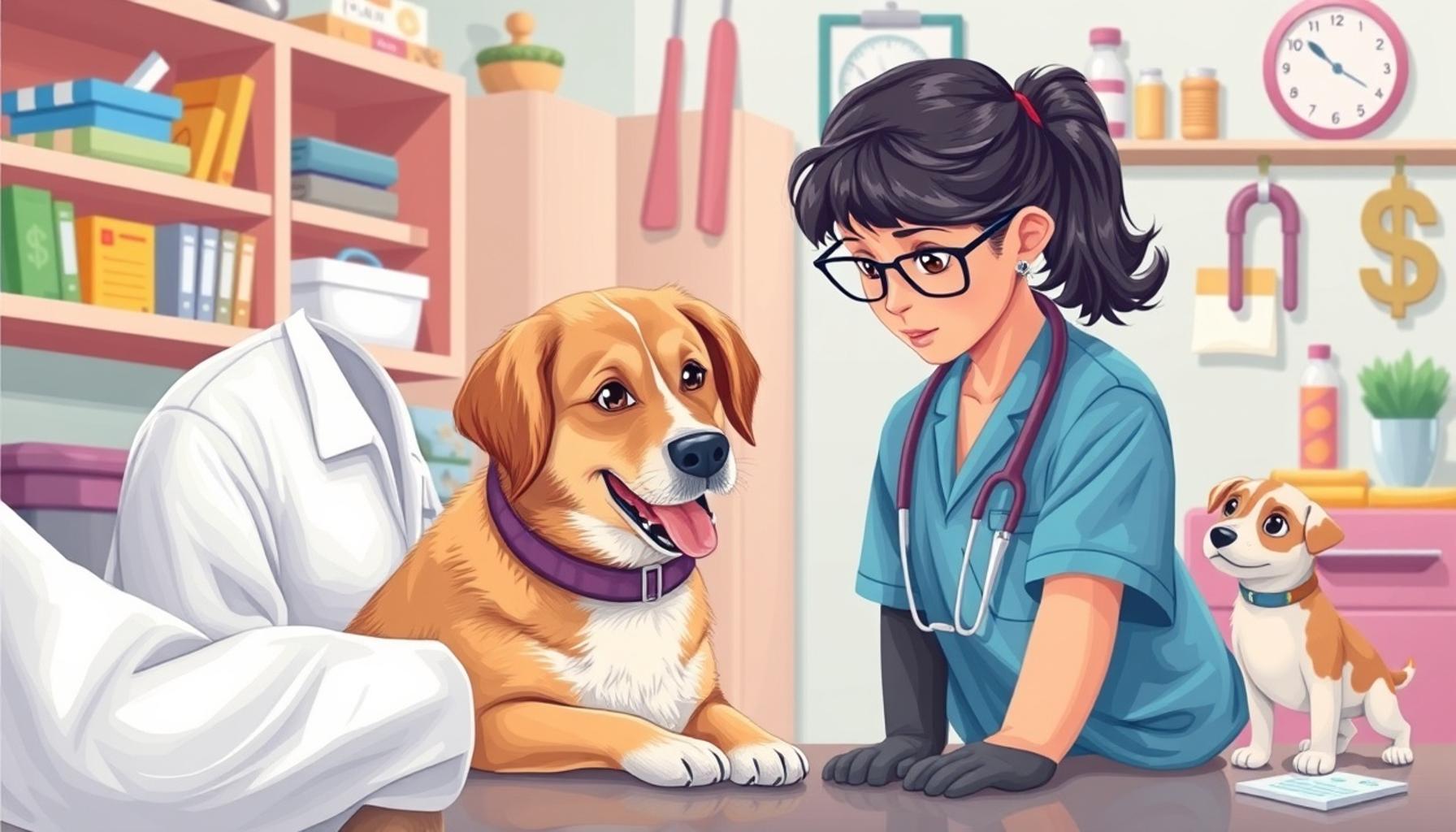
Enhancing Pet Adoption Through Collaboration
The quest for a loving home for every adopted animal is an ongoing challenge faced by shelters across the United States. One promising approach is the synergy between animal shelters and veterinarians, which is increasingly recognized as a vital component in streamlining the pet adoption process. By forming partnerships, these two entities not only help expedite adoptions but also prioritize the health and well-being of pets, ensuring that they are matched with families that will provide the care and environment they need to thrive.
- Health Assessments: One critical role veterinarians play in this collaboration is conducting thorough health evaluations. By assessing the physical condition of pets before they are put up for adoption, veterinarians can identify any medical needs, from vaccinations to treatments for existing conditions. This proactive approach not only enhances the prospects of adoption but also significantly contributes to the long-term success of the match. For example, a fully vaccinated animal is more appealing to potential adopters, as it signifies responsible care and reduces the immediate veterinary costs for new owners.
- Behavioral Insights: Behavioral assessments conducted by veterinarians offer invaluable insights that help shelters understand each animal’s temperament. This knowledge assists in aligning the right animal with the right adopter, thus reducing the chances of returns due to mismatched expectations. For instance, if an energetic dog is taken in by a family that lives in a small apartment with limited exercise options, it may lead to frustration for both the pet and the owners. Instead, veterinarians can help identify high-energy dogs that would thrive in households with ample outdoor space or active families.
- Community Education: Furthermore, joint programs orchestrated by shelters and veterinarians can serve as powerful vehicles for community education about responsible pet ownership. These initiatives might include workshops, informational pamphlets, and online resources that not only cover pet care basics but also highlight the importance of spaying and neutering, and the benefits of adopting rather than buying from breeders. Such outreach can foster a more informed public that is equipped to meet the needs of their new pets, ultimately resulting in happier pets and owners.
As the landscape of animal welfare continues to evolve, the significance of cooperative efforts becomes undeniable. By combining resources and expertise, shelters can enhance the services they offer to potential adopters. This collaborative approach not only builds a robust support network but also reinforces a culture of trust throughout the adoption process. Trust is essential for not only persuading families to adopt but also ensuring that they remain committed to their new companions.
In the upcoming sections, we will delve deeper into specific strategies that illustrate how shelters and veterinarians can work hand in hand. From innovative adoption events to comprehensive follow-up care, these strategies are designed to ensure a more efficient and effective adoption experience for both pets and their future families. By embracing collaboration, we can pave the way for a brighter future where every animal finds the loving home they deserve.
DISCOVER MORE: Click here for effective strategies
Building a Healthy Foundation for Adoption
Collaboration between animal shelters and veterinarians is more than just a helpful partnership; it serves as a critical foundation for successful pet adoptions. By bringing their expertise together, these organizations can create an enhanced framework that prioritizes the health, matching, and education of potential pet owners, ultimately leading to more successful and lasting adoptions.
One of the fundamental aspects of this collaboration lies in the early health interventions managed by veterinarians. A thorough veterinary examination before adoption can reveal essential information regarding a pet’s health status. This proactive health approach not only helps in identifying any underlying medical conditions but also plays a pivotal role in ensuring that animals are prepared for their new homes. For instance, a study by the American Veterinary Medical Association (AVMA) indicated that pets that receive timely vaccinations and health check-ups have a higher adoption rate, as they are more appealing to potential families who are concerned about upfront costs and pet welfare.
Creating Tailored Adoption Experiences
The integration of veterinary insights extends beyond health checks; it also encompasses an understanding of an animal’s behavioral characteristics. Assessments by veterinarians can help shelters place pets based on their specific needs, personality types, and compatibility with a prospective owner’s lifestyle. Such tailored matches can significantly minimize the chances of adoption returns, which, according to the ASPCA, is a significant issue, with roughly 25% of all adopted pets returned to shelters.
- Understanding Pet Temperament: By analyzing specific behavioral traits, veterinarians can offer guidance on whether a pet is suited for a quiet household or an active family environment.
- Providing Post-Adoption Support: Collaboration doesn’t end with the adoption process. Shelters and veterinarians can work together to offer post-adoption resources, like training tips and health care guidance, helping to ensure pet owners are prepared for their new responsibilities.
- Customized Adoption Events: Jointly organized events may integrate health seminars or behavioral workshops, attracting more potential adopters while simultaneously educating them about the diverse needs of different pets.
The role of community outreach initiatives cannot be understated, either. Shelters and veterinarians are uniquely positioned to educate the public on various pet ownership topics, from the importance of proper nutrition to understanding pet behavior. Such initiatives can be transformative, as informed owners are more likely to make responsible choices which ultimately benefits their pets.
As these partnerships flourish, the combined efforts of shelters and veterinarians create a framework that improves not only the adoption rates but also enriches the entire welfare ecosystem for animals. With a focus on health assessments, tailored matches, and community education, the concerted approach taken by these organizations fosters a culture of understanding and responsibility—an essential ingredient for ensuring that every pet finds a loving, permanent home.
| Advantage | Description |
|---|---|
| Increased Adoption Rates | Collaboration ensures pets are healthier and more appealing, encouraging potential adopters. |
| Comprehensive Health Assessments | Veterinarians can provide thorough health checks, reducing the risk of post-adoption surprises. |
| Educational Opportunities | Workshops and classes conducted by veterinarians can inform potential adopters about pet care. |
| Streamlined Adoption Process | Simplified paperwork by working together can quicken the legalities surrounding adoptions. |
As shelters and veterinarians collaborate, the pet adoption process becomes more efficient and effective. Through fostering enhanced communication and sharing resources, both parties create a supportive ecosystem that prioritizes the welfare of animals. By increasing adoption rates, providing comprehensive health assessments, and offering educational opportunities for prospective pet owners, the partnership leads to better animal welfare and increased satisfaction among adopters. The streamlined adoption process, which addresses legalities more seamlessly, makes taking home a new furry friend as easy as possible, ensuring that more pets find loving homes.
DISCOVER MORE: Click here to learn how to use a clicker with your pet
Strengthening Community Connections
Another vital component of enhancing the pet adoption process lies in the formation of trusting relationships within the community. When shelters and veterinarians actively collaborate, they not only foster a network of support for animal welfare but also create pathways for community members to engage meaningfully with local animal services. By undertaking co-branded campaigns or outreach programs, they can collectively advocate for animal welfare and responsible pet ownership.
One effective initiative is the deployment of community vaccination clinics organized by shelters in collaboration with local veterinary practices. These clinics not only provide essential health services to animals in the community but also serve as an opportunity to connect with potential adopters. By promoting these services, shelters can attract individuals who may not have considered pet adoption previously, demonstrating the value of companionship while also ensuring that existing pets remain healthy and protected.
Utilizing Data for Better Outcomes
The integration of data is another aspect that can significantly enhance collaboration between shelters and veterinarians. Both parties can collect and analyze pet adoption data to identify trends and making more informed decisions about their collaborative efforts. For instance, detailed data analysis can reveal patterns in adoption rates among breeds, ages, and health conditions, allowing shelters to tailor their outreach and educational efforts.
- Breed-Specific Initiatives: If data shows that certain breeds are less adopted, shelters can partner with veterinarians to conduct breed-specific events that highlight the unique traits of these animals, offering potential adopters the chance to learn about and interact with various breeds.
- Health Programs for Senior Pets: Insights into adoption statistics may indicate a lower rate of senior pet adoptions. Collaboratively, shelters and veterinarians can develop targeted campaigns that focus on the benefits of adopting older pets, such as lower energy needs and companionship.
- Follow-Up Research: After adoptions, veterinarians can engage in follow-up studies with pet owners to assess their satisfaction and gather feedback on the adoption process. This continuous feedback loop strengthens the relationship between shelters, adopters, and veterinarians.
Moreover, linking shelters with local schools can enhance the educational aspect of the collaboration. Engaging students through programs that teach responsible pet ownership and animal care can cultivate a future generation of considerate pet owners. Initiatives like classroom visits from veterinarians or shelter staff, along with hands-on activities, can create a lasting impact on the community’s perception of animal welfare.
Finally, the response to animal emergencies becomes more coordinated when shelters and veterinarians unite their resources. During times of crisis, such as natural disasters or mass animal rescues, the collaboration can ensure that animals receive timely medical attention and shelter facilities are prepared to accommodate incoming animals. This proactive planning ultimately leads to more efficient response strategies, providing a safety net for vulnerable populations of pets and increasing successful outcomes for their adoption.
The multifaceted approach to collaboration among shelters and veterinarians not only optimizes the pet adoption process but also cultivates a thriving community that supports animal welfare. By prioritizing health interventions, utilizing data effectively, and strengthening community ties, together they create a comprehensive strategy that uplifts every aspect of the pet adoption journey.
DISCOVER MORE: Click here to learn about post-adoption commitments
Conclusion: A Unified Approach for Pet Adoption Success
In conclusion, the collaboration between shelters and veterinarians represents a transformative strategy that can significantly optimize the pet adoption process. By establishing a strong partnership, these entities can leverage their combined expertise to create a more effective and compassionate approach to animal welfare. Key areas such as data-driven decision-making, community engagement, and health initiatives not only enhance the adoptability of pets but also ensure that they are placed into loving homes where their needs are met.
The collaborative efforts pave the way for innovative programs like community vaccination clinics and breed-specific outreach, which can transform misconceptions and elevate the profile of less-adopted animals. Moreover, the integration of educational initiatives in local schools instills a sense of responsibility among future pet owners, nurturing a more informed community. The insights gained from data analysis and follow-up studies ensure that shelters and veterinarians can continually improve their strategies, addressing the dynamic needs of both pets and potential adopters.
As the landscape of pet adoption evolves, the urgency and importance of collaboration between shelters and veterinarians cannot be overstated. Such partnerships foster a community-centric model that not only champions animal welfare but also creates a holistic environment where both pets and people can thrive. A united front, dedicated to the health and well-being of animals, ultimately lays the groundwork for a brighter future in pet adoption and responsible pet ownership across the United States.

Linda Carter
Linda Carter is a writer and pet care expert specializing in pet health, grooming, and wellness. With extensive experience helping pet owners create safe, loving, and enriching environments for their animals, Linda shares her knowledge on our platform. Her goal is to empower readers with practical advice and strategies to ensure their pets thrive and lead joyful, healthy lives.