How to Deal with the Anxiety of a Newly Adopted Pet: Tips and Strategies

Welcoming Your New Furry Friend
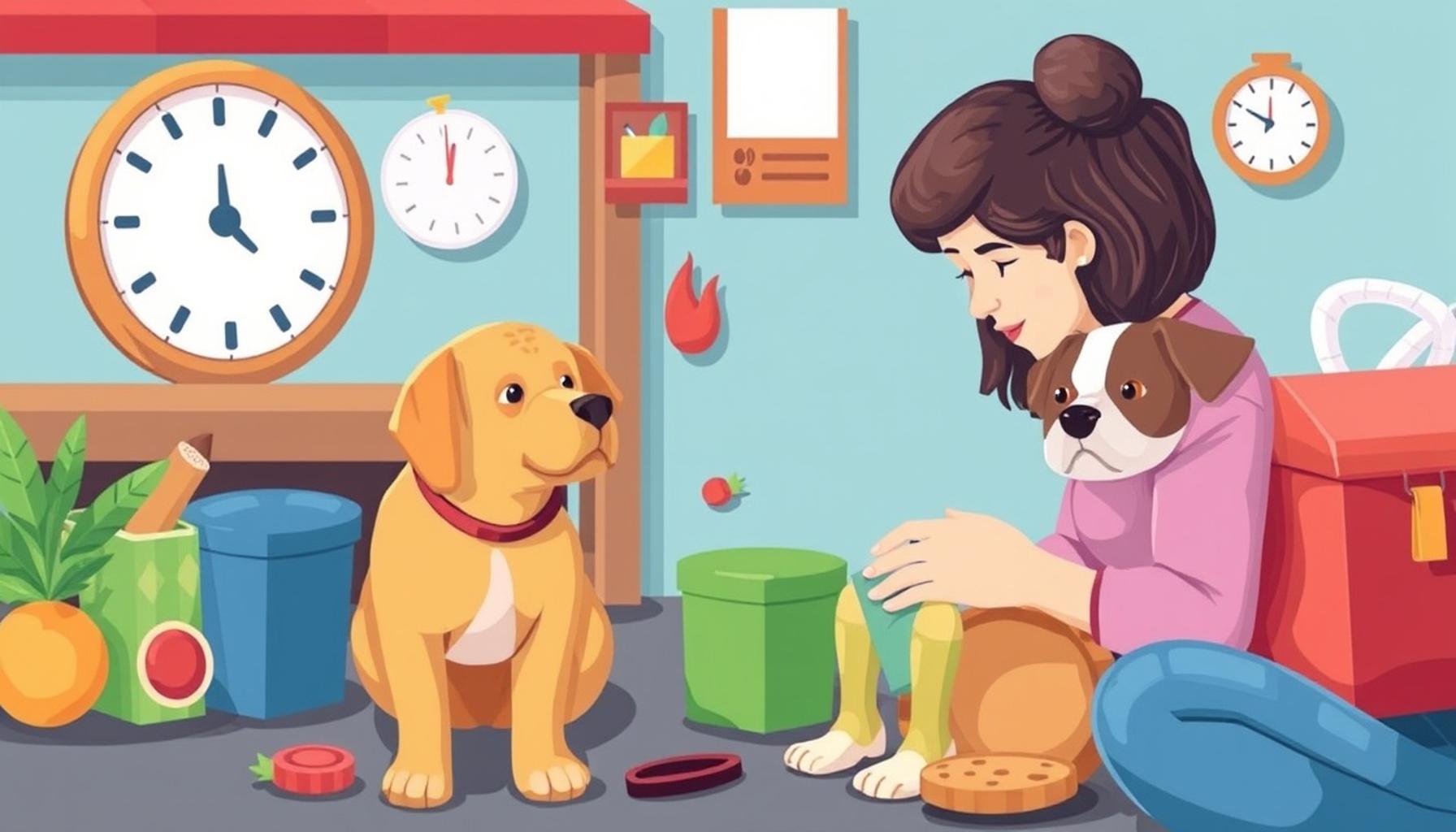
Bringing a pet into your home is not just about adding a fluffy companion to your life; it’s also about embracing the challenges of a new relationship that entails care, understanding, and patience. For many animals, a change in environment can lead to significant uncertainty and anxiety. Pets often experience anxiety during these transitions, which can manifest not only in their behavior but can also affect your household dynamics. Recognizing and addressing your new companion’s needs during this adjustment phase is key to ensuring a smoother integration into your family.
Common Signs of Anxiety in Pets
Recognizing signs of anxiety in your pet can sometimes be puzzling, especially if they are in a new environment. However, being observant is essential. Here are some common signs to look out for:
- Excessive barking or meowing: If your pet becomes unusually vocal, this could indicate they are stressed or seeking attention and comfort.
- Hiding or cowering: Pets may retreat to corners or under furniture as a way to cope with their fears.
- Destructive behavior: Chewing on furniture or scratching items can be a sign of frustration or anxiety.
- Refusing to eat or drink: A decrease in appetite can reflect stress and discomfort in a new setting.
By identifying these behaviors, you can take proactive steps toward creating a more comforting environment. Providing a cozy space with familiar toys and blankets can go a long way in helping your pet feel more secure and at ease. Additionally, establishing a consistent routine for feeding and walks can make them feel more grounded in their new surroundings.
Why It Matters
The importance of addressing your pet’s anxiety cannot be overstated. It’s not only about making your furry friend comfortable; it profoundly affects your relationship and overall household harmony. A stressed pet may be less likely to bond with you or participate in family activities. Therefore, by taking proactive measures to alleviate their anxiety, you are laying the foundation for a loving and trusting bond.
Moreover, creating a relaxed atmosphere benefits everyone at home. A peaceful pet is much more enjoyable to be around and can make your living environment calmer and happier. Employing techniques such as positive reinforcement and gradual socialization can pave the way for a nurturing relationship that enriches both your lives. As you continue this journey of adaptation, you’ll discover that every small triumph feeds into a deeper connection with your new furry friend.
Understanding and compassion during this transition phase can lead not only to a successful companionship but also to a fulfilling experience as you both grow together in your new life. So take a moment to observe, adapt, and embrace this journey with love and patience.
DISCOVER MORE: Click here for insights on rescue organizations
Creating a Safe Space for Your Pet
As you welcome your new pet into your home, creating a safe and secure environment should be your top priority. This ensures that they have a comfortable place to retreat to when the world feels overwhelming. Start by designating a specific area in your home that can be their personal haven. This can be a cozy corner with their bed, favorite toys, and a few familiar items from their previous environment. It’s essential to use soft bedding and provide them with toys that can engage their attention while also offering comfort.
Moreover, ensure that this space is away from household disturbances. A peaceful environment can significantly reduce anxiety levels, enabling your pet to relax and acclimatize to their new surroundings. Think of it as their little sanctuary where they can retreat whenever needed. Consider using calming pheromone diffusers, which can mimic the natural scents that help reduce anxiety in animals. These products can be found at most pet stores and are known to promote a sense of security.
Establishing a Routine
Another effective strategy to help your newly adopted pet manage anxiety is to implement a consistent daily routine. Pets thrive on predictability, and knowing what to expect can alleviate their stress. Here are some aspects of routine to consider:
- Feeding Schedule: Feed your pet at the same time each day. This habit not only helps regulate their digestion but also fosters a sense of security.
- Walks and Playtime: Regular walks and play sessions can elevate their mood and also allow for the exploration of their new environment under your supervision.
- Training Sessions: Incorporating short training sessions into your daily routine can build your pet’s confidence and strengthen your bond while setting clear expectations for behavior.
Integrating these elements can help your pet feel grounded and provide them with a framework they can rely on. They will soon associate certain times of the day with positive experiences, making the transition smoother and less stressful.
Socialization Strategies
It’s also crucial to expose your new pet to various experiences and people gradually. While some pets may enjoy social interaction, others might take more time to adjust. Start by allowing them to observe the household from a safe distance. As they become more comfortable, slowly introduce them to different family members, pets, and even new environments. Positive reinforcement during these social activities, such as treats and praise, can help foster a sense of safety and trust.
Be mindful of your pet’s responses during socialization. If they display signs of discomfort or anxiety, it’s important to take a step back and allow them to acclimate at their own pace. Every pet is unique, and patience is vital in creating a strong, trusting relationship.
By implementing these strategies, you will not only alleviate your newly adopted pet’s anxiety but also pave the way for a fulfilling companionship built on trust, love, and mutual understanding.
Understanding Your New Pet’s Anxiety
When you bring a new pet into your home, it’s essential to understand that they may experience anxiety during this transition period. Newly adopted pets have often faced significant changes, whether they came from a shelter, a foster home, or a previous household. This adjustment can trigger feelings of confusion and fear, and it is your responsibility to help ease these emotions.
Recognize the Signs of Anxiety
Pets exhibit various signs of anxiety, including excessive barking or meowing, hiding, loss of appetite, or destructive behaviors. Being vigilant about these behaviors allows you to address the issues promptly and create a more comfortable environment for your new companion. Establishing a safe space for your pet to retreat to can make a significant difference in their comfort level.
Establish a Routine
Creating a structured routine is crucial in helping your pet feel secure. Dogs and cats thrive on predictability. Consistent feeding times, regular walks, and established play routines can significantly reduce anxiety levels. This structure not only benefits your pet but also builds trust in your relationship.
Positive Reinforcement Techniques
Using positive reinforcement can greatly assist in alleviating your pet’s anxiety. Offering treats, praise, or affection for calm behavior encourages your pet to associate their new environment with safety and happiness. Training exercises that incorporate reward-based methods can further enhance their confidence and reduce anxiety levels.
Provide Mental and Physical Stimulation
A new pet might have pent-up energy that can exacerbate their anxiety. Engage them in daily mental and physical activities to help take the edge off. Puzzle toys, interactive games, or even training commands can keep your pet entertained while fostering a stronger bond between you.
Strategies to Help Your Pet Adjust
Moving forward with strategies aimed at decreasing anxiety can lead to a more fulfilling life for both you and your newly adopted pet. Consider gradual introductions to various areas of your home and limit exposure to overwhelming stimuli initially. Patience is key—understanding that every pet has their unique timeline for adjustment will foster a nurturing environment. Simply put, your supportive actions and commitment are vital in helping your pet become a calm and happy member of your family.
| Category 1 | Category 2 |
|---|---|
| Recognizing Anxiety | Look for behaviors like barking, hiding, or destructive actions. |
| Routine Establishment | Implement consistent feeding and exercise schedules to promote security. |
DIVE DEEPER: Click here to uncover the truth about pet adoption myths
Providing Mental and Physical Stimulation
To successfully manage your newly adopted pet’s anxiety, it’s crucial to focus on both mental and physical stimulation. Engaging their minds and bodies not only reduces stress but also fosters a sense of accomplishment and happiness. Whether it’s through puzzle toys, training exercises, or interactive games, keeping your pet active can significantly help in managing anxiety levels.
Puzzle Toys and Games
Puzzle toys are an excellent way to challenge your pet’s cognitive abilities. These toys often require pets to solve problems to receive a reward, like treats or toys. By providing them with engaging activities, you allow them to safely channel their nervous energy. Start with simpler puzzles to gauge your pet’s interest and gradually increase the complexity as they become more comfortable. Additionally, games like hide-and-seek or fetch can excite and encourage bonding, further easing their anxiety.
Exercise Regimens
Regular exercise is paramount for both physical and mental health. Daily walks can serve as an excellent outlet for your pet’s pent-up energy while also helping them acclimate to their new environment. For dogs, activities like running or agility training can be beneficial, while cats may enjoy climbing structures or interactive laser sessions. Aim for at least 30 minutes to an hour of structured outdoor activity each day, adjusting based on your pet’s breed, age, and health condition.
A recent survey hinted that pets with dedicated physical activity routines display lower anxiety levels in new settings, showcasing the importance of consistent exercise in their daily lives.
Seeking Professional Help
If you find your pet’s anxiety remains persistent despite your best efforts, consider seeking professional help. A veterinarian or animal behaviorist can be invaluable resources in diagnosing specific anxiety issues and developing a tailored plan for you and your pet. They may recommend behavioral therapy, which can assist in teaching your pet coping mechanisms, or in some cases, prescribe anxiety-relief medications that can facilitate a smoother transition to their new life.
Additionally, joining a local pet training class can provide both social interaction for your pet and education for you. Classes commonly feature group activities designed to build your pet’s confidence while promoting safe social experiences. Many pet owners have found that these classes not only aid anxiety reduction but also develop better communication and understanding between them and their pets.
Understanding Body Language
Finally, understanding your pet’s body language is essential in effectively addressing their anxiety. Each animal has unique signals that indicate their stress levels. For instance, a hesitant tail wag or flattened ears can suggest unease. Learning to recognize these signs allows you to intervene before stress escalates. Calm and gentle responses to your pet’s fears will enable them to feel safe and understood. Patience is vital in helping your pet navigate new experiences.
By implementing a multifaceted approach of mental stimulation, physical exercise, professional guidance, and a keen understanding of body language, you’ll be well equipped to tackle the anxiety that comes with a newly adopted pet. This journey will not only benefit your pet but will also enrich the bond you share, paving the way for a loving and harmonious relationship.
DISCOVER MORE: Click here to learn how to choose the perfect pet
Conclusion
In conclusion, navigating the anxiety of a newly adopted pet can be a challenging yet rewarding experience. Understanding your pet’s unique needs and behaviors is fundamental in creating a nurturing environment where they feel secure and loved. The strategies outlined, including providing mental stimulation, adhering to an adequate exercise regimen, and seeking professional help when necessary, serve as essential tools in your quest to alleviate their anxiety.
Moreover, fostering an awareness of your pet’s body language can significantly enhance your connection, allowing you to respond effectively to their needs. Each pet is different, and patience plays a crucial role in this transition period. Remember, establishing trust and a sense of safety takes time, so celebrating small victories along the way can provide motivation and strengthen your bond.
As you embark on this journey, consider integrating local resources, such as training classes or community groups, that can offer support and shared experiences with fellow pet owners. Engaging with others not only helps you learn but also reinforces the sense of community aimed at ensuring a happy and healthy environment for your furry friends.
Ultimately, the road to overcoming anxiety in your newly adopted pet is a partnership built on love, understanding, and commitment. By implementing these tips and strategies, you are not just helping your pet adjust; you are fostering a lifelong companionship that brings immeasurable joy to both your lives.

Linda Carter
Linda Carter is a writer and pet care expert specializing in pet health, grooming, and wellness. With extensive experience helping pet owners create safe, loving, and enriching environments for their animals, Linda shares her knowledge on our platform. Her goal is to empower readers with practical advice and strategies to ensure their pets thrive and lead joyful, healthy lives.