How to Prepare Children for the Arrival of an Adopted New Pet
Welcoming a New Family Member
Bringing a new pet into your home is an exciting time, filled with anticipation and joy. However, it’s essential to prepare your children for this significant change. Teaching them how to interact with and care for the pet can foster responsibility and empathy. Research indicates that children who grow up with pets often show increased levels of these important qualities, helping them to develop stronger emotional intelligence during formative years.
The Importance of Preparation
To ensure a smooth transition when introducing a new furry friend into your family, ready your household and your children by considering the following:
- Setting Expectations: It is crucial to discuss what it means to have a pet, including daily responsibilities such as feeding, grooming, and walking. Explain to your children that these responsibilities are not just a one-time activity; they are lifelong commitments. You could enlist their help in creating a chore chart, making the process engaging and interactive. For instance, assign specific tasks that change weekly, allowing each child to experience different aspects of pet care.
- Safety First: Educating children on how to approach and interact with the new pet safely is vital to minimizing stress for both parties. Teach them to approach the pet calmly, allowing it to come to them, and to recognize signs of discomfort in the animal. For example, explain the importance of not pulling the tail or disturbing a pet while it’s eating or sleeping, emphasizing that respect goes both ways. This kind of knowledge can prevent accidents and ensure harmonious living between the kids and their new companion.
- Building Excitement: Involving children in the adoption process can spark enthusiasm and foster a connection with their new furry friend. Take them with you to adopt the pet, allowing them to choose the name, or collaborate on crafting a cozy space for the new arrival. A visit to a local animal shelter could provide the perfect opportunity for hands-on learning. By actively participating, children will be more emotionally invested and eager to help care for their new pet.
Kids and Pets: A Bond to Nurture
The bond between children and pets can enrich family life and teach valuable lessons about love, responsibility, and life cycles. Understanding your child’s feelings about the new pet is also crucial; it helps to acknowledge any apprehension or excitement they may be experiencing. Support your children through this adjustment period by encouraging open communication about their feelings and experiences with the pet.
With proper guidance, children will not only become loving pet owners but also grow into compassionate individuals who appreciate the significance of caring for others. Consider organizing family activities that incorporate the pet, such as training lessons or outdoor playdates in the park. This not only fosters bonding but also creates a safe environment for your new family member to thrive in.
As you embark on this transformative journey, prepare to create lasting memories that will enhance your home with joy, laughter, and unconditional love. Research shows that pets have a unique ability to alleviate stress and improve the overall emotional well-being of all family members, making them not just companions but integral members of your household.
Preparing for the Big Day
The arrival of a new pet is not just a change for your household; it’s a life-altering event for every family member, especially children. Kids often harbor fantasies about having a pet, eagerly dreaming of playtimes and cuddles. However, it is important to underscore the reality of pet ownership as well. They need to grasp that adopting a pet is a commitment that involves various responsibilities and emotional ties.
Involve Your Children in the Journey
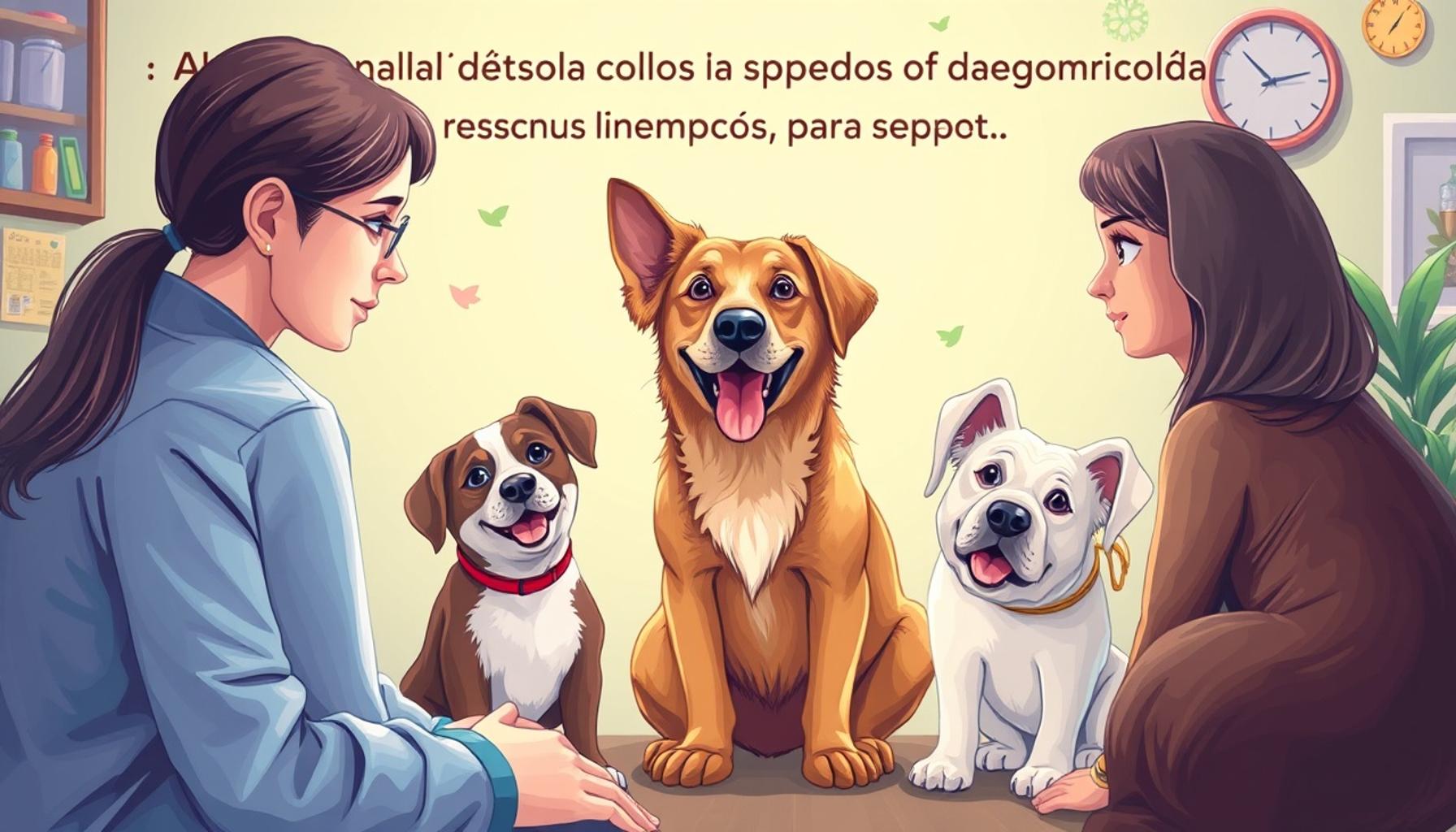
Engaging your children in the pet adoption process can help them feel empowered and excited about welcoming a new family member. Before bringing the pet home, take them with you on visits to animal shelters. These outings can serve as an educational opportunity where kids learn about different breeds, their needs, and how rescue organizations operate.
- Research Together: Help your children research different types of pets that may fit well into your home environment. Show them videos and articles about care, needs, and behaviors of various animals. This knowledge lays the foundation for understanding what to expect, reducing misunderstandings once the pet arrives.
- Choosing the Pet’s Name: Allow your children to brainstorm and select the new pet’s name. This small act can empower them and boost their emotional connection with the pet. Let them share why they like certain names and discuss the personality traits the name might represent.
- Creating a Welcome Space: Encourage your children to help set up a designated area for the new pet. Whether it’s making a cozy bed, filling food and water bowls, or selecting toys, actively involving kids gives them a sense of ownership and responsibility.
Discussing Adjustments
As thrilled as children may be about the arrival of a new pet, it’s equally important to talk about the possible adjustments they may need to make in their daily routines. Remind them that their new furry and feathered friends will need time to acclimate to a new environment, which may lead to some initial quirks in behavior.
Make it clear that while the pet integrates into the family, it will need gentle love and patience. Allow your children to ask questions about this process so they feel included and knowledgeable. Encourage them to observe the pet’s behavior and share their thoughts, fostering a dialogue that helps the pet and the child acclimate together.
The transition of welcoming a new pet can indeed be an intricate dance between emotions, responsibilities, and newfound excitement. Preparing your children for the behavioral quirks and the foundational responsibilities that come with pet ownership can create a more stable home for both your family and the new pet. Through this preparation, not only will children learn the value of responsibility, but they will also cultivate a deep respect for their new companion, laying the groundwork for a lasting friendship.
How to Prepare Children for the Arrival of an Adopted New Pet
Understanding the Responsibilities
When welcoming a new pet into the family, it’s essential to ensure that children comprehend the responsibilities involved in pet care. This includes feeding, grooming, and exercising the pet regularly. Engaging children in these responsibilities not only teaches them about compassion and commitment but also strengthens their bond with the new family member. Consider setting a schedule that allows each child to partake in specific tasks, reinforcing their sense of ownership and accountability.
Creating a Safe Environment
Another vital step in preparing children is to create a safe and welcoming environment for the new pet. Involve your children in setting up a designated space for the pet, such as a cozy sleeping area and a play zone. Use this opportunity to teach your children about safe interactions with animals, emphasizing respect and understanding of the pet’s needs and space.
Educating Children About Animal Behavior
Educating children about basic animal behavior can ease the transition when the pet arrives. Organize activities such as reading books about pet care or watching educational videos together. Discuss various pet behaviors and what they mean so that the children are equipped to understand and respond appropriately to their new pet’s signals. This knowledge will help prevent misunderstandings and foster a harmonious relationship.
Benefits of Preparing Children for a New Pet
To further illustrate the advantages of preparation, here’s an insightful table detailing key benefits:
| Category 1 | Category 2 |
|---|---|
| Emotional Growth | Children learn empathy through caring for another being. |
| Responsibility | Participants become accountable for their pet’s well-being. |
These preparations and insights will not only nurture your child’s understanding but also pave the way for a joyful experience with their new pet. As you embark on this journey, remember that education and engagement are key components in creating a loving home for your adopted companion.
Establishing Expectations and Responsibilities
Once the excitement of adoption kicks in, it’s essential to shift focus toward establishing expectations and responsibilities surrounding the new pet. This transformative journey requires clear communication about what a pet’s arrival entails, and both children and parents need to share in the responsibilities. Make them aware that while pets can be wonderful companions, they also require consistent care and attention.
Defining Responsibilities
Start by outlining specific roles for each family member, particularly the children. Assign age-appropriate tasks that will help create a routine that integrates the new pet into daily life. This could range from simple tasks such as:
- Feeding Time: Designate days or times for children to help feed the pet. Younger kids can fill food bowls while older ones can be responsible for measuring out the correct portions, ensuring they grasp the importance of proper nutrition.
- Training Sessions: Incorporate short, fun training sessions that parents and kids can do together. Teaching commands like “sit” or “stay” gives children the chance to bond with the pet while instilling important behaviors.
- Exercise Routines: For active pets like dogs, take turns walking or playing. This will not only keep the pet healthy but also teach children about the pet’s exercise needs and the importance of physical activity.
It’s crucial to review and adapt these responsibilities as the pet grows and acclimates. Regular discussions can help maintain children’s engagement and interest in their duties.
Setting Boundaries and Safety Measures
Another key aspect of preparing children involves establishing clear boundaries and safety measures. Children need to recognize the importance of respecting the pet’s space and signals. This can be especially relevant when it comes to more sensitive animals, like cats or rescues that may exhibit fear responses.
- Teach Signs of Stress: Explain to children how to recognize when a pet is feeling overwhelmed or uncomfortable. Key signals may include a tucked tail, ears back for dogs, or hissing for cats. Understanding these signals promotes empathy and will guide their interactions.
- Safe Interactions: Encourage gentle handling and respectful distance, especially during feeding or resting times. Teach children the importance of letting the pet approach them first, rather than being intrusive.
Incorporating education about pet behaviors empowers children to form a relationship based on trust and respect, ultimately leading to a better experience for everyone involved.
Creating A Continuous Learning Environment
The arrival of a new pet is an ongoing educational experience. Foster an environment where children can regularly learn about pet care, behaviors, and well-being. Utilize resources such as books, websites, and local park events where families can gather and socialize with their pets. This continuous learning not only deepens their connection with the new animal but also instills crucial lessons about compassion and responsibility that can last a lifetime.
Encourage your children to keep a pet diary, documenting observations or developments in their pet’s behavior. Sharing experiences can reinforce their sense of responsibility and understanding, further enhancing the bond between child and pet. As children engage actively in the adoption journey and their pet’s integration into the family, they are not just preparing for the arrival of the new family member but also cultivating a loving and responsible future pet owner.
Conclusion: Embracing the Journey Together
Preparing children for the arrival of an adopted new pet is a multifaceted process that goes beyond mere excitement. It is a valuable opportunity to teach the core principles of responsibility, empathy, and respect. By establishing clear expectations and age-appropriate responsibilities, parents can guide their children to understand the commitment that comes with pet ownership. It is imperative to discuss the significance of boundaries, making sure that children learn to recognize and respond to their pet’s needs and signals. This not only fosters a safe and loving environment but also helps build a strong bond between the child and pet.
Moreover, nurturing a culture of continuous learning around the care and well-being of the pet equips children with essential life skills that go beyond this singular experience. Utilizing community resources, engaging them in educational activities, and encouraging diary-keeping can elevate their understanding and appreciation for the animal’s needs. This preparedness paves the way for a harmonious home, allowing the new pet to feel welcomed and secure.
Ultimately, this journey is about more than just adjusting to a new member of the family; it’s about laying the groundwork for responsible future pet owners. As children engage actively in caring for their new companion, they not only enrich their own lives but also contribute positively to the animal’s well-being, ensuring a lasting, loving relationship for years to come.

Linda Carter
Linda Carter is a writer and pet care expert specializing in pet health, grooming, and wellness. With extensive experience helping pet owners create safe, loving, and enriching environments for their animals, Linda shares her knowledge on our platform. Her goal is to empower readers with practical advice and strategies to ensure their pets thrive and lead joyful, healthy lives.