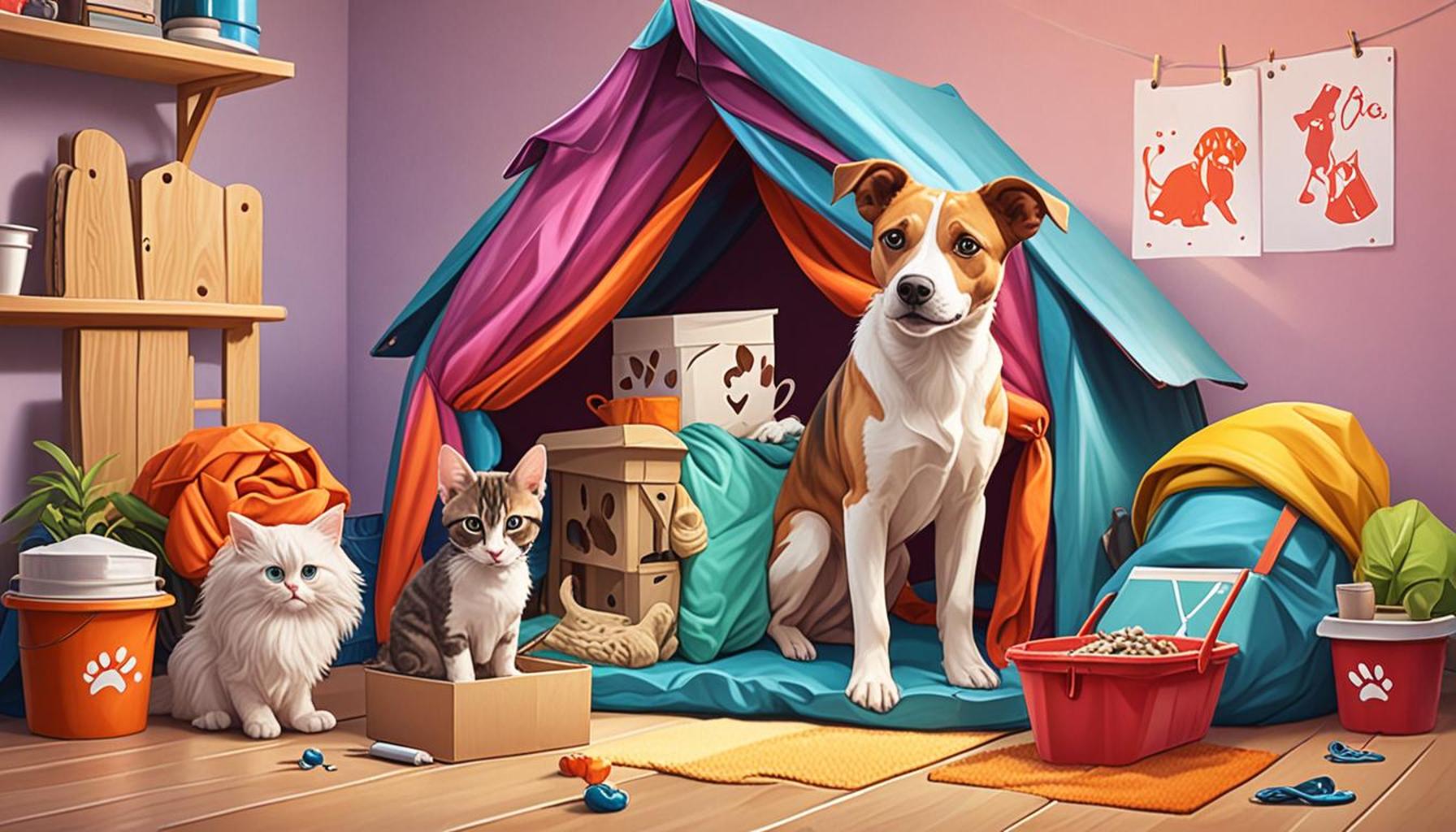
How to Prepare Your Home for a New Pet: A Step-by-Step Guide

The Joy of Preparing for a Pet
Welcoming a new furry friend into your life marks the beginning of a beautifully rewarding relationship. Pets offer unconditional love, companionship, and can even improve your overall well-being. However, before you can fully enjoy the delightful antics of a new dog or cat, it’s important to ensure that your home is prepared for this transition. A little foresight can help in creating a harmonious living space for both you and your new companion.
Ensuring Safety First
Safety should be your top priority when preparing for a new pet. Begin by conducting a thorough walkthrough of your home. Remove any hazards that could potentially harm your pet, such as toxic plants like lilies for cats or sago palms for dogs. Secure electrical cords and tuck away small objects that could be ingested. Additionally, consider installing baby gates to limit access to stairs or other hazardous areas until your pet gets accustomed to their new environment.
Creating a Cozy Atmosphere
Every pet deserves a special place in your home. To foster a sense of comfort, establish a dedicated area filled with a cozy bed and age-appropriate toys. For instance, a senior dog might benefit from an orthopedic bed to support their joints, while a playful kitten may thrive with interactive toys that stimulate both their mind and body. This careful attention to their comfort not only makes them feel secure but also encourages them to explore their new surroundings without fear.
Gathering Essential Supplies
Next on your list should be the necessary supplies that cater to your pet’s daily needs. For dogs and cats, having food and water bowls is a given, but it’s essential to choose the right type and size for their breed and size. Similarly, if you’re welcoming a cat, you’ll need to invest in a suitable litter box along with high-quality litter that is clumping and odor neutralizing. Don’t forget grooming tools, which play a vital role in maintaining their health and cleanliness, especially for long-haired breeds that are more prone to matting.
Understanding Individual Needs
Diving deeper into your pet’s specific requirements is paramount for their successful adjustment. For instance, energetic dog breeds like Border Collies require significant amounts of exercise and mental stimulation, while breeds such as Bulldogs may be more sedentary. On the cat front, some felines appreciate a loud, bustling household while others may need serene corners to retreat and recharge. Learning about these needs can make a marked difference in how smoothly the transition goes.
Ultimately, the effort you put into preparing your home can pave the way for a stronger bond with your new pet. By addressing safety, comfort, and individual needs, you not only provide a welcoming environment but also set the foundation for a fulfilling relationship. Are you eager to delve deeper into pet care? Keep exploring to ensure your journey with your new furry companion is both joyful and fulfilling.
DIVE DEEPER: Click here to learn about their vital contributions
Creating a Safe and Inviting Space
Before your new pet steps paw into your life, it is essential to transform your home into a safe and inviting haven. A well-prepared environment not only ensures their safety but also enhances their comfort and promotes a seamless transition into your family. Below are key aspects to focus on as you gear up to welcome your furry friend.
Pet-Proofing Your Home
First and foremost, pet-proofing your home is crucial to mitigate potential risks. Take a comprehensive tour of your house, assessing each room for safety hazards. Some common areas to check include:
- Kitchen: Ensure cleaning supplies, food items, and any potentially harmful substances are stored securely. Many human foods, including chocolate and grapes, can be toxic to pets.
- Living Room: Keep fragile items out of reach and secure any cables or cords that could be chewed on. Consider the placement of furniture to create open space for your pet to move around safely.
- Bathroom: Store personal care items, medications, and any small objects that could easily be swallowed out of reach.
- Yard: If you have an outdoor space, ensure fencing is intact, and check for any gaps your new pet could slip through. Keep harmful plants and chemicals away from areas your pet might roam.
Additionally, it’s wise to install childproof locks on cabinets where you keep hazardous materials, as pets are notorious for their curiosity. This proactive approach can save you from potential mishaps down the road.
Choosing the Right Environment
Next, carefully consider the environment you are creating within your home. This includes choosing the right space for your pet’s bed, food and water bowls, and play area. Each pet has different preferences, so pay attention to their behavior during the initial days. Here are some considerations:
- Location: Preferably, select a quiet area away from high foot traffic, allowing your pet to retreat and feel safe.
- Comfort: Ensure the bedding is suitable for their size and comfort level. As mentioned earlier, senior pets may need special support, while younger pets may benefit from more playful surroundings.
- Temperature Control: Make sure the area isn’t too hot or cold, keeping your pet’s comfort in mind, especially during extreme weather.
Establishing a Routine
Once your home is safe and welcoming, it’s time to think about a structured routine. Pets thrive on routine; it helps them feel secure and reduce anxiety. Start by introducing a consistent schedule for feeding, walks, playtime, and training sessions. This predictable system allows your new pet to acclimate to their new life and develops healthy habits.
Besides, creating a consistent framework allows you to bond with your new companion, adjusting to rhythms that suit both of your lifestyles. Whether it’s dedicating time each morning for a vigorous walk or winding down with cuddles each evening, these established habits will foster trust and companionship.
By focusing on safety, comfort, and routine, you lay the groundwork for a fulfilling relationship with your new pet. As you continue to prepare, remember that transitioning into a new home can be just as overwhelming for pets as it is for humans. Patience and understanding, combined with thoughtful preparation, can lead you and your furry friend to a delightful beginning.
Step 2: Create a Safe Environment
Once you’ve decided to welcome a new pet into your home, creating a safe environment becomes crucial. Every corner of your home should be analyzed to ensure that it is pet-friendly. Begin by removing hazardous items that could pose a threat. This includes items such as chemicals, medications, and sharp objects. Store these materials in high cabinets or locked drawers to prevent your curious new friend from accessing them.
Pet-Proofing Tips
- Secure electrical cords and cables to prevent chewing.
- Install gates to block off rooms or areas where pets aren’t allowed.
- Hide or cover any fragile items that could be knocked over.
Having a secure environment not only protects your pet but also helps you adjust to your new family member with peace of mind. Also, consider investing in quality pet-proof furniture that can withstand a pet’s energy and playfulness.
Step 3: Designate Pet Areas
Designating specific areas in your home for your pet can greatly enhance their comfort and help them understand their space within your household. Start by choosing areas for sleeping, eating, and playing. Each space should be in a quiet and safe location, free from foot traffic and disturbances.
Essentials to Include in Pet Areas
- Comfortable bedding for rest or sleep.
- Water and food bowls placed on mats for easy cleaning.
- Toys and scratching posts, depending on the type of pet.
By establishing these areas early on, you enable your pet to acclimate to their new home more smoothly and promote positive behavior as they learn where they can eat, sleep, and play.
| Advantage | Description |
|---|---|
| Safe Environment | Eliminates hazards and creates a secure space for pets to explore. |
| Designated Areas | Helps pets understand their space and promotes a sense of security and comfort. |
As you follow these steps, remember that each pet is unique and may require specific adjustments within your home. Tailor your preparations based on your new pet’s needs for a more successful integration.
DISCOVER MORE: Click here to learn about the vital role of shelters and rescue organizations
Gathering Essential Supplies
Preparing for a new pet goes beyond creating a safe space; it also involves gathering the right supplies to ensure their daily needs are met. From food to grooming essentials, having these items ready to go will ease your transition and allow your pet to feel more secure in their new environment. Here’s a breakdown of varied supplies you should consider:
Feeding and Water Supplies
Your new pet will require appropriate food and water dishes. Consider the size and breed of your pet to choose bowls that cater to their needs. Stainless steel or ceramic bowls are often recommended over plastic due to their durability and ease of cleaning. Additionally, think about investing in a quality pet food that suits your pet’s age, size, and dietary needs; consult your veterinarian for recommendations to ensure you’re making the best choice. If you’re adopting a dog, look for brands that include protein sources, while cat owners should pay attention to high-quality taurine content.
Health and Hygiene Products
Maintaining their health from the get-go is vital. Stock up on essential health and hygiene products such as:
- Grooming tools: Depending on the breed of your pet, this could include brushes, grooming mitts, and even nail clippers.
- Flea and tick prevention: Consult with your veterinarian about the best prevention products available on the market.
- Pet-safe cleaning supplies: While the cleaning products you currently use may be safe for you, pets can be sensitive to strong chemicals. Look for natural and non-toxic options to keep your living environment clean and safe.
Comfort Items
Creating a cozy environment begins with comfortable resting areas. Depending on the type of pet you’re welcoming into your home, consider acquiring:
- Pet beds: Choose a bed that is appropriate for their size and sleeping style, such as orthopedic for older pets or soft, cushioned beds for younger animals.
- Toys: It’s essential to provide mental stimulation alongside physical exercise. Look for toys that cater to your pet’s natural instincts—interactive toys for dogs or scratching posts for cats.
- Blankets or towels: A familiar smell and soft surface can help your new pet feel at ease, especially during their initial few days in your home.
Establishing Training Tools
Training your new pet comes with its own set of challenges and joys. Being prepared with the right training supplies can simplify this important process:
- Collars and leashes: These are essential for dog owners and can be adapted for training purposes.
- Crates or carriers: Crate training aids in house training and provides a safe space for your pet during travel.
- Training pads: If you’re welcoming a puppy or kitten, having these on hand can help with early potty training efforts.
In summary, preparing for your new pet encompasses not only adjusting your home environment but also gathering essential supplies tailored to their needs. By investing time and consideration into these preparations, you set the stage for a balanced and happy life together. Remember that this initial investment in supplies and adjustments can significantly impact your pet’s wellness and happiness, making the transition into their new home as smooth as possible.
LEARN MORE: Click here for insights on foster homes
Final Thoughts on Preparing Your Home for a New Pet
Welcoming a new pet into your home is an exciting journey filled with love and companionship. However, it requires thoughtful preparation and planning to ensure a smooth transition. As we’ve explored, creating a safe and comfortable environment includes various essential steps, from pet-proofing your living space to gathering necessary supplies tailored to your furry friend’s unique needs. Every detail, from the right food and water dishes to the cozy pet bed, contributes to your pet’s confidence and sense of security in their new home.
Beyond the physical preparations, it is crucial to foster emotional connections through gentle and consistent training. Establishing a reliable routine will help your pet adapt more quickly to their new surroundings. Don’t overlook the importance of your own education regarding pet care, health, and behavior, as this knowledge empowers you to create a harmonious living environment. Regular consultations with a veterinarian will further enhance your pet’s wellness and happiness.
Ultimately, the reward of this effort is immeasurable—a loyal companion who brings joy to your daily life. The journey begins now, so take the time to prepare and invest in the essentials that will contribute to your new pet’s well-being. With patience and commitment, you will cultivate a loving home where both you and your pet can thrive together. For more tips on ongoing care and integration, don’t hesitate to seek out resources related to specific breeds and behavioral needs, as every pet has a unique personality waiting to shine.