How Visual Design Can Transform Personal Spaces and Inspire Creativity
The Impact of Spaces on Well-being
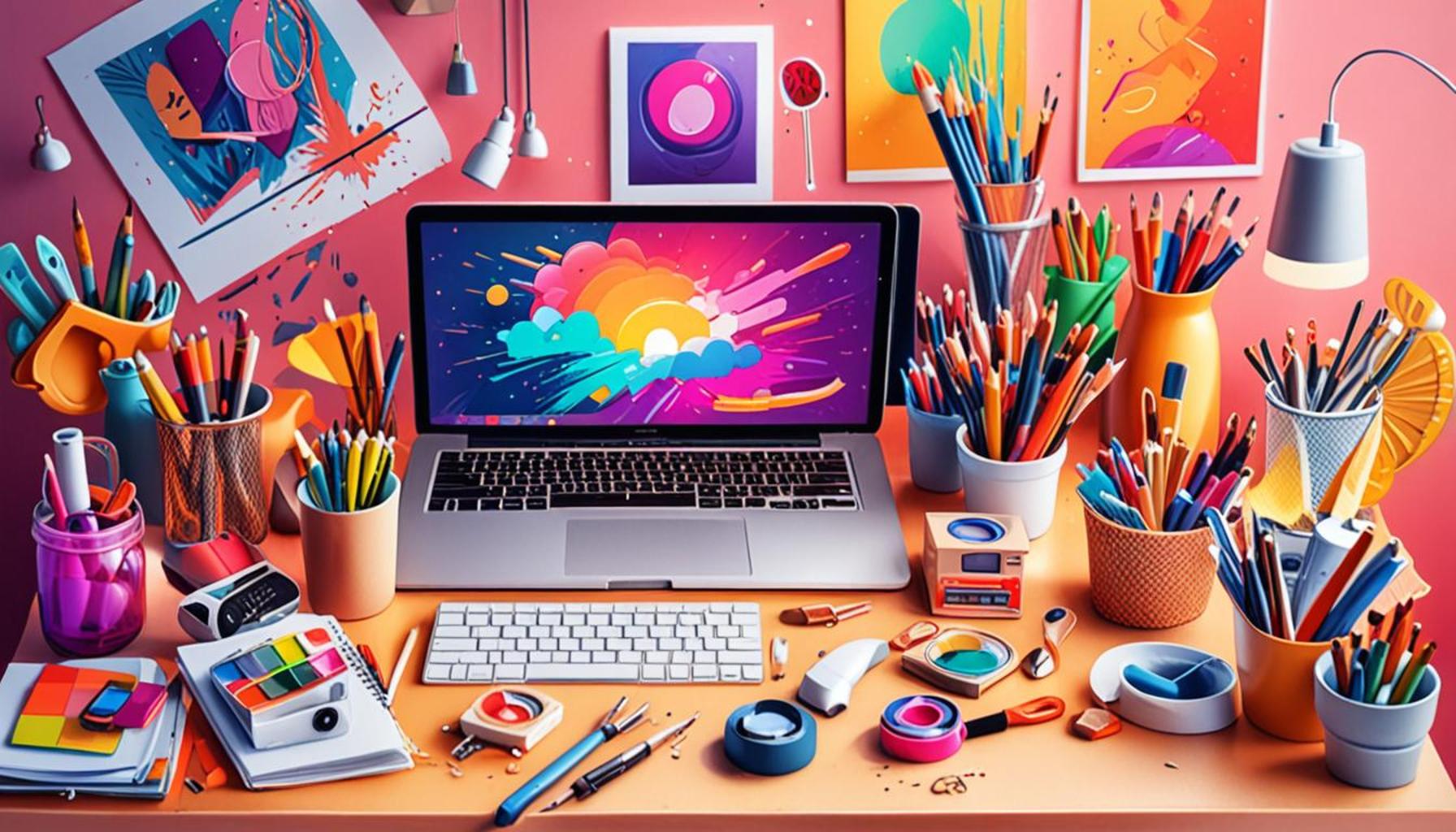
Our personal environments significantly shape our mental and emotional states, often acting as a mirror to our inner selves. When designed with intention and care, these spaces can serve as powerful catalysts for fostering creativity and unlocking potential that might otherwise remain dormant. A deeper examination into the nuances of visual design reveals how various elements can harmonize to enhance our daily experiences.
Exploring Color Schemes
Color Schemes are more than just aesthetic choices; they tap into our psychology, influencing our moods and behaviors. For example, research has shown that hues like green and blue tend to evoke feelings of tranquility and focus, making them ideal choices for offices and study areas. In contrast, vibrant colors such as orange and yellow can stimulate energy and optimism, making them perfect for creative spaces and brainstorming areas. A study published in the journal *Color Research and Application* found that the right colors could increase productivity by as much as 30% in work environments.
The Importance of Spatial Arrangement
The Spatial Arrangement of furniture and decor can dramatically alter the function and feel of a space. Open layouts can promote collaboration, making them suitable for team-oriented workplaces, while intimate corners with comfortable seating can encourage solitude and reflection. Take, for instance, the trend of open office spaces, which facilitate communication but can also lead to distraction without the right balance of quiet areas. Implementing modular furniture can provide flexibility, allowing users to quickly adapt their environments to suit collaborative efforts or focused work.
Lighting as a Vital Element
Lighting plays a crucial role in shaping our environment, influencing both mood and productivity. Natural light is known to improve concentration and stave off feelings of fatigue, while artificial lighting can be tailored to create a warm and inviting atmosphere. For instance, adjustable LED lighting systems allow individuals to customize brightness and color temperature, creating conditions that best suit their current tasks. A study from the *Journal of Environmental Psychology* found that workplaces with ample natural light report an impressive 20% increase in employee satisfaction.
The Transformative Power of Design
When individuals leverage these elements of visual design, they can cultivate environments that not only reflect their unique personalities but also spark innovative thinking. Well-crafted spaces offer a multitude of benefits, leading to:
- A boost in motivation and energy levels, essential for fostering growth and development
- Facilitated brainstorming and problem-solving, resulting in more effective collaboration among teams
- Overall enhancement of daily life experiences, contributing to a sense of fulfillment and well-being
In today’s fast-paced world, the ability to adapt and refine our surroundings has become paramount. With just a few thoughtful adjustments—whether it’s a splash of paint, rearranging furniture, or introducing elements of nature—we can create environments that nourish our creativity and productivity. As we continue to explore the intersections of design and well-being, the possibilities for enhancing our lives are indeed endless.
DISCOVER MORE: Click here to learn how creativity can be sparked through music and dance
Creating a Harmonious Atmosphere
Designing personal spaces extends beyond mere decoration; it involves creating a harmonious atmosphere that resonates with our emotions and aspirations. When individuals curate their environments thoughtfully, they foster a sense of belonging and comfort that is crucial for personal growth. Elements such as texture, pattern, and layout come into play, offering opportunities to engage the senses and inspire creativity.
Textural Elements and Patterns
Texture is another vital aspect of visual design that can greatly affect how a space feels and functions. Soft fabrics, natural woods, and varied materials can evoke warmth and coziness, while sleek, modern finishes promote a sense of clarity and focus. Incorporating diverse textures stimulates our senses and encourages tactile engagement—think of plush rugs underfoot or smooth surfaces that invite touch. A study from the *Journal of Interior Design* revealed that participants reported heightened creativity in spaces adorned with a mix of textures and materials.
Patterns also play a significant role in establishing a personal aesthetic. The use of geometric designs can create a feeling of structure and order, perfect for workspaces aiming for efficiency, whereas organic patterns can imbue a sense of calm and relaxation, making them suited for leisure areas. Whether it’s a statement wall covered in bold wallpaper or patterned textiles on furniture, engaging with patterns can inspire imaginative thoughts and foster unique ideas.
Incorporating Nature
Bringing nature indoors—a concept known as biophilic design—has become an influential element in creating inspiring spaces. Not only do plants and natural elements enhance air quality, but they also have calming effects that can reduce stress and anxiety. According to research conducted by *Human-Environment Relations*, even minor touches of greenery can uplift a person’s mood and significantly boost their creativity.
- Air-purifying plants, such as snake plants and pothos, can thrive in various conditions, bringing life to workspaces.
- Natural light from large windows creates a connection to the outdoors, enhancing feelings of well-being and productivity.
- Water features, such as indoor fountains, offer soothing sounds that contribute to a peaceful atmosphere conducive to creative thinking.
The Role of Personalization
Ultimately, the personalization of one’s space is critical for inspiring genuine creativity. Surrounding oneself with meaningful items—whether photographs, souvenirs from travels, or artwork—sparks joy and motivation. The impact of personal touches trumps mere aesthetics; they act as daily reminders of aspirations and achievements, fueling a desire to create. A home office adorned with personal mementos develops a sense of ownership and pride, making work feel less like a chore and more like a fulfilling process.
Understanding that visual design can significantly influence our emotional landscape opens up a world of possibilities. By experimenting with various elements, individuals can tailor their environments to not only reflect their true selves but also foster their creative potential in ways they may have never imagined. As we continue to delve deeper into the interplay between design and creativity, the transformative possibilities are boundless.
How Visual Design Influences Mood and Creativity
Visual design is not merely about aesthetics; it profoundly impacts how we feel and perform in our environments. The right color palette can evoke emotions, and well-arranged decor can foster a sense of calm or stimulate energy. Recent studies suggest that spaces designed with color psychology in mind can enhance productivity and creativity, leading to innovative ideas and solutions. For instance, vibrant colors like yellow and orange are known to promote creativity, while cooler tones like blue induce a sense of tranquility.
The Role of Personalization in Design
Another critical aspect of visual design lies in personalization. Tailoring spaces to reflect individual tastes or interests not only makes a space more enjoyable but also boosts confidence and inspiration. Personal touches, such as artwork, family photos, or objects that carry sentimental value, can transform a mundane environment into a sanctuary of creativity. Such elements invite engagement, turning passive observation into active inspiration.
Functionality Meets Aesthetics
Moreover, combining functionality and aesthetics is essential in crafting inspiring spaces. Spaces designed with both purpose and beauty in mind foster an environment where creativity can thrive. For instance, an orderly workspace with designated creative zones, such as a reading nook or an art corner, enhances focus while also sparking imagination. Additionally, multifunctional furniture that is both stylish and practical can help maintain a sense of clarity, which is vital for creative thought.
| Category | Key Benefits |
|---|---|
| Mood Enhancement | Certain colors influence emotions that can heighten creativity. |
| Personalization | Custom decor leads to deeper connections with the space. |
| Functionality | Combining beauty with practicality encourages focus and creativity. |
Conclusion: A Pathway to Innovation
By understanding how visual design influences our physical spaces, we can make informed decisions to enhance not just the aesthetics but the overall experience of our environments. Embracing elements that inspire creativity will positively influence our personal and professional lives, leading to groundbreaking ideas and innovations.
DISCOVER MORE: Click here to dive deeper
Color Psychology and Its Influence
The psychology of color is another fascinating dimension of visual design that can profoundly transform personal spaces and nurture creativity. Different colors evoke various emotions and can drastically alter our perception of a space. Research from the *Institute for Color Research* indicates that colors can affect mood and behavior, highlighting the vital role they play in design.
For instance, hues such as blue are associated with feelings of calmness and tranquility, making them ideal for restorative environments like bedrooms or meditation spaces. In contrast, brighter shades like yellow and orange can inject energy and enthusiasm into areas designated for creativity and collaboration, such as art studios or home offices. The thoughtful selection of a color palette can thus be a powerful tool in crafting spaces that not only please the eye but also inspire the mind.
- Monochromatic schemes, using various shades of a single color, create a cohesive look that can promote focus and clarity—perfect for study areas or libraries.
- Accent colors, applied strategically, can draw attention to specific features in a room, such as a piece of artwork or a favorite chair, effectively stimulating creativity.
- The use of warm colors can foster a sense of comfort and psychological safety, an essential aspect for developing creative ideas without self-censorship.
The Impact of Lighting
Lighting is not merely a practical aspect of design; it shapes the emotional atmosphere and functionality of a space. Natural light, in particular, is correlated with increased productivity and well-being. A study published in *The Journal of Environmental Psychology* found that exposure to natural daylight enhances creativity and cognitive performance, giving rise to the concept of “daylit spaces.”
Utilizing multiple layers of lighting—ambient, task, and accent—can also create versatile environments that encourage creativity. For instance, soft, diffused lighting can help to create a relaxed setting, while brighter task lighting is ideal for focused work. Smart lighting solutions allow users to adjust brightness and color temperature to suit their needs, providing a customized atmosphere that evolves throughout the day, inspiring creativity as the mood shifts.
Functional Design and Adaptability
Creating spaces that are both visually appealing and functional is crucial in inspiring creativity. Flexibility in design promotes adaptability to changing needs and preferences. Multifunctional furniture—think of convertible desks or modular seating—encourages individuals to rearrange and repurpose their environments to better suit specific activities, from brainstorming sessions to casual gatherings.
This versatility embodies the philosophy of adaptability in design, catering to the dual needs of creativity and efficiency. A space that can be transformed easily often leads to more spontaneous moments of inspiration, as it allows the user to shift perspectives and foster innovative thinking. The National Association of Home Builders emphasizes that flexible spaces can significantly enhance both productivity and creativity at home, supporting the movement towards more dynamic personal environments.
As individuals continue to explore how visual design influences their personal spaces, it is clear that elements like color, lighting, and functionality hold the keys to unlocking creative potential. By thoughtfully integrating these components, anyone can transform their environment into a sanctuary of inspiration, fostering a space that celebrates individuality and sparks imagination. With the right design strategies in place, personal areas evolve from mere living spaces into creative sanctums brimming with possibility.
DISCOVER MORE: Click here to dive deeper
Conclusion
In the realm of personal spaces, visual design is an invaluable ally in fostering creativity and enhancing our daily experiences. By meticulously integrating elements like color, lighting, and functional design, individuals have the power to transform mundane environments into dynamic sanctuaries that inspire innovation and self-expression. The interplay of colors can evoke emotions and set the tone for various activities, while effective lighting enhances mood and promotes cognitive performance, creating the perfect backdrop for bursts of creativity.
Furthermore, embracing adaptable and multifunctional designs encourages flexibility, allowing personal spaces to evolve with the user’s needs. This adaptability not only nurtures creativity but also cultivates a sense of ownership and connection with one’s environment. The journey of transforming a space begins with understanding the profound impact visual design can have on our psychology and behavior.
As more individuals recognize the importance of their surroundings, it becomes increasingly apparent that a well-designed personal space is not merely a reflection of style but a facilitator of creativity. With countless possibilities for tailoring spaces to match individual preferences and needs, the opportunity to create inspiring environments is within reach. By investing time and thought into visual design, anyone can embark on a transformative journey, turning their personal spaces into creative hubs brimming with potential. Embrace the power of design; the potential for inspiration is just a color, a light, or a rearrangement away.