
Incorporating Interactive Toys in Training: Fun Methods for Engaging Your Pet
Transforming Training with Interactive Play
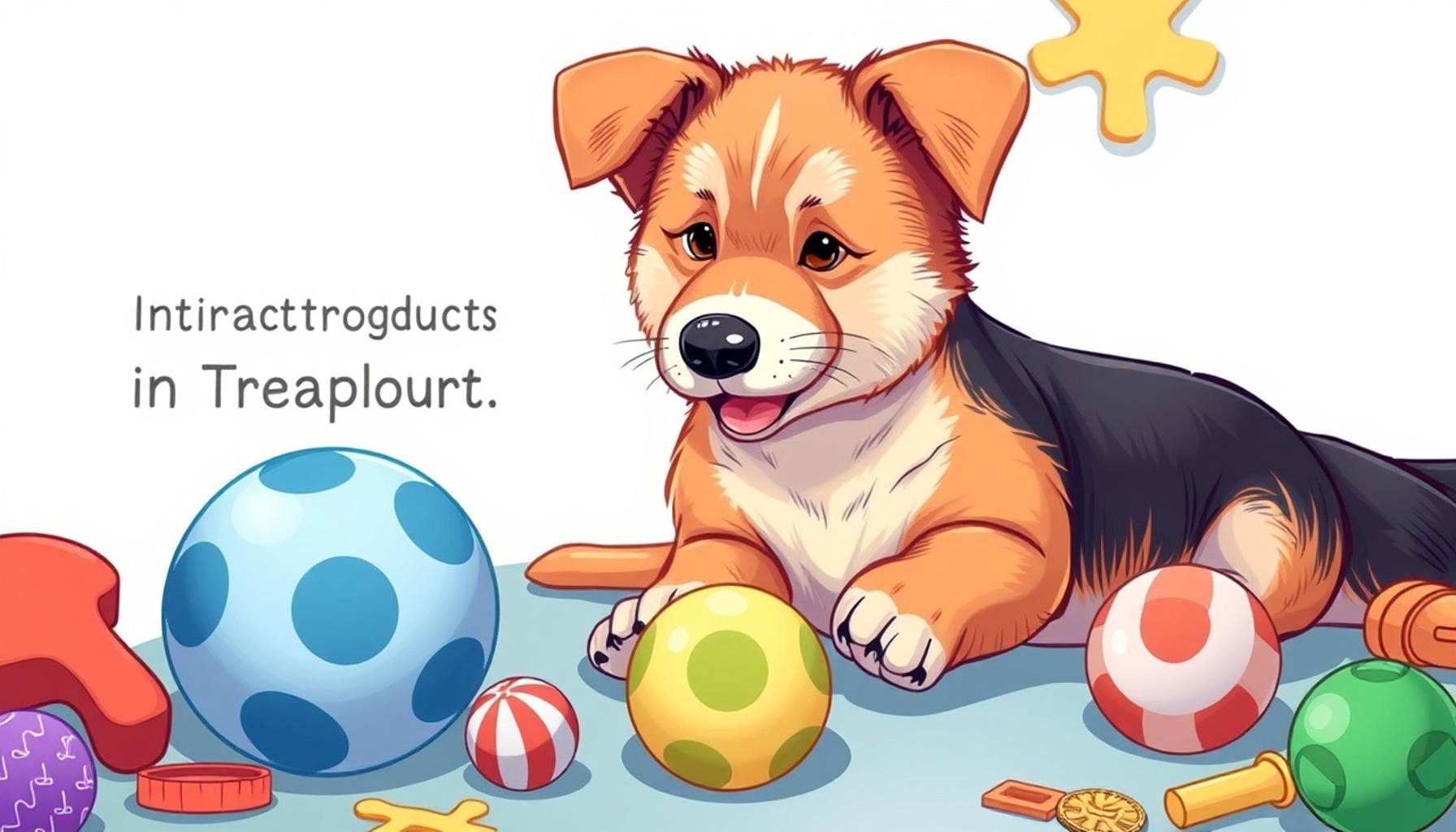
Training your pet can often feel like a chore, but it doesn’t have to be that way. By incorporating interactive toys, you can infuse excitement and joy into your training sessions. This not only makes the learning process more enjoyable for you and your furry friend but also enriches the bond you share. The myriad of interactive toys available today helps harness your pet’s natural curiosity and energy, leading to a supportive learning environment.
One of the main benefits of using interactive toys is their ability to promote enhanced focus. Engaging toys like treat-dispensing balls or interactive fetch devices can draw your pet’s attention away from distractions, allowing them to concentrate better during training. For example, a toy that challenges your dog to figure out how to obtain a hidden treat can keep them mentally engaged while teaching them patience and perseverance.
Moreover, interactive toys encourage physical activity, which is essential for maintaining a healthy weight and lifestyle. Toys that involve fetching, tugging, or running around not only entertain your pet but also help them burn off excess energy. For instance, an automated ball launcher not only stimulates your dog’s instinct to chase but also provides crucial cardiovascular exercise, making training sessions both fun and health-promoting.
Another exciting aspect of interactive toys is their potential to develop problem-solving skills. Puzzle feeders and toys filled with challenges can significantly enhance your pet’s cognitive abilities. These kinds of toys require your pet to think strategically to unlock treats or solve various tasks, turning playtime into a valuable learning experience. Imagine your clever cat navigating a laser maze or your dog figuring out how to maneuver a treat-stuffed puzzle, all while strengthening their mental acuity in the process.
The variety of available interactive toys is truly astounding, ranging from simple ball dispensers to sophisticated electronic puzzles equipped with sensors and lights. By thoughtfully selecting these toys and incorporating them into your training routine, you can achieve remarkable results. Not only will your pet become more obedient, but they will also associate training with fun and excitement, ensuring a joyful experience for both of you.
In the following sections, we will delve into specific types of interactive toys, explore their best applications, and provide tips on how to maximize their potential in training. Prepare yourself to enter a world where play and education intertwine, undoubtedly enhancing your pet’s development and happiness!
DIVE DEEPER: Click here to discover more
Exploring the Types of Interactive Toys
As we venture into the world of interactive toys, it’s essential to understand the various categories and their unique benefits. These toys serve different purposes, catering to your pet’s natural instincts and providing a multifaceted approach to training. Below are some popular types of interactive toys that can transform your training sessions into engaging experiences.
- Treat-Dispensing Toys: These toys keep your pet entertained while rewarding them with treats for their problem-solving efforts. Devices like Kong toys or puzzle feeders motivate pets to think critically and work for their food, making each session a delightful challenge.
- Fetch Toys: Automatic ball launchers have gained in popularity due to their ability to keep your dog active while allowing you to engage in training remotely. These toys not only stimulate physical activity but also reinforce commands like “fetch” and “drop it,” enhancing your dog’s obedience and response to cues.
- Interactive Plush Toys: Toys that involve hidden squeakers or compartments for treats can captivate your pet’s attention and encourage them to explore. This exploration fosters investigative skills and can lead to a calm demeanor during more structured training sessions.
- Electronic Puzzle Toys: Equipped with sensors and various challenges, these toys offer high-tech engagement that can keep your pet occupied for extended periods. They stimulate your pet’s cognitive functions while encouraging them to think ahead to overcome obstacles to access rewards.
Each type of interactive toy can provide distinctly different training benefits. For example, treat-dispensing toys promote patience and persistence, while fetch toys reinforce physical exercise and agility, key elements for a well-rounded training program. By using diverse interactive toys, pet owners can address varying aspects of their pet’s behavior and needs.
Moreover, introducing these toys into your routine can keep your training sessions fresh. Pets can become disinterested in conventional training, leading to frustration for both handlers and animals alike. Switching to an interactive toy can provide a new lease on their interest. For instance, rather than only practicing sit and stay commands, you could incorporate a treat-dispensing zig-zag path that your dog must navigate to earn a reward. This integration transforms the mundane into an adventure, cultivating enthusiasm for learning.
As you consider incorporating these toys, it’s important to note that not all toys will suit every pet. Understanding your pet’s interests, behavior, and activity level is crucial in selecting the right interactive toys that will resonate with them and make training a memorable experience. In the next section, we will delve deeper into how to assess your pet’s preferences and effectively utilize interactive toys to maximize their training potential.
Benefits of Interactive Toys in Pet Training
Incorporating interactive toys into your pet’s training regimen not only promotes learning but also enhances the overall training experience. Here are some compelling advantages:1. Enhanced Engagement: Interactive toys capture your pet’s attention and keep them engaged during training sessions. This heightened focus helps facilitate better retention of commands and tricks. Pets are more likely to participate and enjoy the learning process.2. Mental Stimulation: Pets, much like humans, crave mental challenges. Interactive toys stimulate their minds while they work towards rewards. Engaging your pet with these toys can reduce boredom and minimize destructive behaviors often seen in under-stimulated pets.3. Positive Reinforcement: Many interactive toys offer treats as a reward for solving puzzles or completing tasks. This system of positive reinforcement encourages your pet to repeat desired behaviors, making training sessions more rewarding.4. Physical Exercise: Training sessions using interactive toys often naturally incorporate physical activity. Whether it’s chasing, pawing, or nudging, these toys ensure that your pet remains active while learning. This is crucial for maintaining your pet’s overall health and well-being.5. Strengthened Bond: Training with interactive toys allows for shared experiences between you and your pet, strengthening your bond. Enjoying playtime together fosters trust and enhances your relationship, making your pet more responsive during training.6. Versatile Learning Opportunities: Interactive toys can be used creatively to teach a variety of skills, from basic commands to complex tricks. This versatility allows for a diverse training experience that can be tailored to your pet’s specific needs and personality.The advantages of using interactive toys extend far beyond simple fun. They are a dynamic and effective tool for enhancing your pet’s learning experience while also promoting your pet’s physical and mental well-being. Embrace these fun methods and watch as your pet flourishes in their training journey.
| Advantages | Description |
|---|---|
| Enhanced Engagement | Keeps pets focused during training sessions, improving command retention. |
| Mental Stimulation | Reduces boredom and destructive behaviors while sharpening cognitive skills. |
| Positive Reinforcement | Encourages desirable behaviors through rewarding interactions with toys. |
| Physical Exercise | Promotes health through active play during training scenarios. |
| Strengthened Bond | Fosters trust and enhances the pet-owner relationship. |
| Versatile Learning Opportunities | Allows for creative teaching methods, catering to individual pet needs. |
By adopting these fun methods for engaging your pet, you’re not just training them but also laying the foundation for a happy, healthy life together.
LEARN MORE: Click here to find out how to help your new pet settle in
Choosing the Right Interactive Toy for Your Pet
When it comes to incorporating interactive toys in training, one size certainly does not fit all. To maximize engagement and effectiveness, it is vital to select toys that align with your pet’s unique personality, preferences, and play style. Analyzing these factors not only heightens their interest but also enhances the overall training experience.
Start by observing your pet’s behavior. Does your dog gravitate towards chasing objects, or do they prefer solving puzzles? For active dogs that thrive on movement, fetch toys or automatic launchers may be their best match. Conversely, if you have a more inquisitive pet, interactive plush toys or treat-dispensing devices might pique their interest. Identifying their natural inclinations can guide your choice in finding the perfect toy, paving the way for a fun and engaging training regimen.
Moreover, considering your pet’s size and age is crucial. Smaller toys designed for tiny breeds may pose a choking hazard to larger dogs and vice versa. Similarly, younger pets, brimming with energy, may enjoy a more dynamic interaction, while older pets might prefer gentler engagement methods that don’t strain their physical capabilities. Tailoring toy choices in accordance with your pet’s physical attributes ensures a safer play environment.
Integrating Interactive Toys into Training Routines
Once you’ve selected suitable interactive toys, it’s essential to think strategically about how to incorporate them into your training sessions. Alternate between structured learning and self-guided play, allowing your pet to discern the value of both aspects. For example, start with a basic command, like “sit,” and once they successfully execute it, reward them by allowing them to engage with a treat-dispensing toy. This dual approach reinforces the learning of commands while keeping the atmosphere light and enjoyable.
Additionally, timing is everything. Use interactive toys as motivational tools during periods of focus and energy. The anticipation of play can act as a significant incentive for your pet to stay attentive. If your dog seems distracted or less interested during a training session, introducing a toy may revitalize their enthusiasm. For instance, if you notice your dog struggling with longer commands, initiate a mini-game session of fetch in between practice. This mix of activities can ignite their motivation and propel their learning.
Monitoring Progress and Adjusting Strategies
Tracking your pet’s response and engagement with interactive toys is integral to refining your training strategy. Keep a journal or mental note of which toys they favored and how their behavior improved with use. If a dog shows substantial interest in an electronic puzzle toy, it might be worthwhile to explore additional challenges that progressively enhance their cognitive skills while keeping them engaged.
In tandem, regular adjustments can help maintain novelty and excitement. Rotating toys weekly or incorporating new interactive challenges will renew your pet’s interest and prevent monotony. Regularly challenging their problem-solving skills with new games or varying methods of obtaining rewards can keep them sharp and invested in further learning. This consistent stimulation can also mitigate behavioral issues arising from boredom, leading to a well-adjusted and happy companion.
As we continue to explore how to effectively utilize interactive toys, the next section will delve into successful case studies from pet owners who have revolutionized their training approaches through creativity and play.
DISCOVER MORE: Click here to find out how to help your pet adapt
Conclusion
Incorporating interactive toys into your pet’s training routine offers an exciting avenue for enhancing engagement and learning. By understanding your pet’s unique preferences and tailoring your toy selection to their personality, you can create a dynamic training environment that transforms the mundane into a playful experience. The thoughtful integration of toys can transform basic commands into fun games, fostering a bond between you and your pet while boosting their cognitive skills.
As you navigate this training journey, remember that patience and observation are key. Assess your pet’s responses and adjust your strategies accordingly to keep their interest alive. By rotating toys and introducing new challenges, you not only maintain excitement but also contribute to their ongoing development—turning training sessions into stimulating adventures.
Moreover, the lessons learned through play apply beyond simple commands; they cultivate a deeper understanding of reinforcement, trust, and communication between you and your furry friend. The joy of playful learning can be the catalyst for a well-adjusted and happy pet, leading to fewer behavioral problems and a more harmonious home life.
In conclusion, interactive toys are not just playthings but essential tools for nurturing a positive training atmosphere. Embrace this innovative approach to training and watch your pet blossom into a well-behaved companion, eager to learn and play. With creativity and consistency, you can unlock new horizons in your pet’s training journey, making it a fulfilling adventure for both of you.

Linda Carter
Linda Carter is a writer and pet care expert specializing in pet health, grooming, and wellness. With extensive experience helping pet owners create safe, loving, and enriching environments for their animals, Linda shares her knowledge on our platform. Her goal is to empower readers with practical advice and strategies to ensure their pets thrive and lead joyful, healthy lives.