Master Musical Creativity Exploring Various Instruments as a Hobby
Unleashing Your Inner Musician
In our fast-paced world filled with limitless distractions and daily pressures, many individuals yearn for meaningful ways to express themselves creatively. One of the most profound and fulfilling avenues to achieve this is through exploring musical instruments. Engaging with music not only serves as a formidable form of artistic expression—it also offers a wealth of cognitive benefits, boosts self-confidence, and fosters a sense of resilience in the face of challenge and change.
By incorporating music as a cherished hobby in your life, you transform mundane moments into innovative and inspiring experiences. Let’s explore some of the key benefits that playing an instrument brings:
- Creative Outlet: Music is a magical language that transcends words, allowing for genuine and profound self-expression. It enables individuals to pour out their emotions and tell stories in a unique and personal way.
- Social Connection: Playing music with others builds camaraderie and creates a sense of unity. Whether it’s through formal ensembles, casual jamming sessions, or community gatherings, music serves as a timeless bridge between people.
- Cognitive Benefits: Engaging in the process of learning an instrument enhances critical cognitive skills, including memory, focus, and problem-solving abilities. Research shows that musicians often experience improved mental acuity and better coordination.
This article will delve into the vast realm of musical instruments suitable for hobbyists, guiding you to discover which ones resonate with your spirit and inclination. Get ready to uncover our ranking of the Top 5 instruments that could awaken your creative spirit and lead you on an incredibly rewarding musical journey. Each selection is designed to engage different skill levels and musical interests, ensuring there’s something for everyone eager to start their exploration. Whether you’re drawn to the soulful strum of a guitar, the majestic keys of a piano, or the lively rhythms of percussion instruments, there is a world of possibility waiting for you.
Top 5: Exploring Various Instruments: The Path to Musical Mastery as a Creative Hobby
In a world filled with diverse artistic expressions, music stands out as a universal language that resonates across cultures and time. Engaging in musical pursuits not only serves as a medium for creativity but also fosters personal growth and intellectual development. This transformative journey through sound offers unparalleled satisfaction, whether you’re crafting melodies alone or sharing them with an audience.
In this article, we delve into the intriguing realm of musical instruments, ranking five options that provide unique pathways to mastery. Whether you’re a seasoned musician or a curious beginner, each instrument offers a distinct experience that can enrich your life and satisfy your creative urges.
5. Ukulele: The User-Friendly Gateway
The ukulele has rapidly gained popularity in recent years as a go-to instrument for beginners. With its lightweight and compact design, the ukulele is incredibly easy to handle, making it accessible for all age groups. The instrument not only alleviates the physical strain often associated with larger instruments but also offers a welcoming introduction to the world of music.
Its four nylon strings produce a bright, cheerful sound that encourages players to engage in their musical journey without feeling overwhelmed. This element of ease helps budding musicians to focus more on the joy of playing rather than the technical challenges. As you learn popular chords and simple strumming patterns, you’ll quickly be able to play familiar tunes, which can be an immediate boost to your confidence.
Moreover, there is a wealth of resources available to help you along your path. From online tutorials and video lessons to local ukulele clubs, support is abundant, making the learning process even more enjoyable and social.
- Perfect starter instrument for all ages.
- Portable and affordable.
- Ability to learn songs quickly, enhancing enjoyment.
4. Guitar: The Versatile Companion
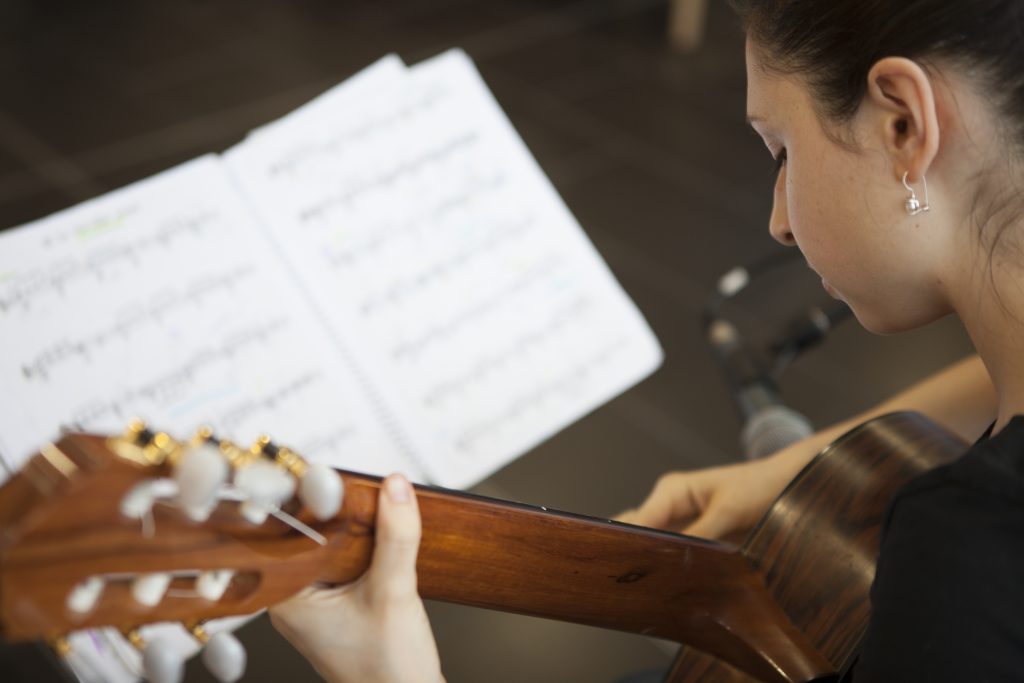
The guitar is renowned for its incredible versatility, making it a favorite among musicians of all genres. Its capability to shift fluidly between musical styles—from rock to classical—renders it a universal instrument for musical creativity. The guitar’s six strings provide ample opportunity for diverse expressions, from powerful, dynamic chords to intricate fingerpicking.
For those exploring the guitar, the supportive culture and abundant resources available make the journey less solitary. Many learners form connections in guitar circles or bands, creating a communal atmosphere where ideas and progress can be shared. The sheer volume of educational content, from books to online platforms, makes the vast world of guitar music approachable for players at any level of expertise.
- Works well in a group setting or solo.
- Wide genre options for different musical tastes.
- Rich history and cultural significance in music.
3. Piano: The Timeless Classic
The piano has stood the test of time as a revered instrument in the realm of music. With its 88 keys, the piano offers a broad canvas for musical expression, encompassing styles ranging from classical to jazz, and even reaching into modern genres like pop and electronic music. This range allows musicians to explore rhythms and compositions not possible on smaller instruments.
While learning the piano may initially appear daunting due to its complexity, its visual keyboard structure allows for easy comprehension of scales and harmonies, making it an invaluable tool for understanding music theory. The intricate patterns unveiled on a piano make it one of the best instruments for cultivating comprehensive musical skills, often laying the groundwork for other musical pursuits.
Modern technology has opened doors to piano learning, with self-taught musicians thriving on platforms and apps that make the complex process of learning accessible and engaging. The piano is also an ideal accompaniment for vocalists, as its melodic and harmonic capabilities enhance any singing performance, fostering a fuller, richer sound.
- Foundation for understanding music theory.
- Improves cognitive skills and discipline.
- Perfect instrument for solo and group performances.
2. Violin: The Gateway to Classical Mastery
The violin is a sophisticated and expressive instrument that captivates with its melodious tone. Often perceived as challenging to learn, the violin demands patience and dedication, but the rewards are immense. A staple in classical compositions, the violin’s evocative sound can bring a depth of emotion to any musical work. Its adaptability allows musicians to venture into various styles, including folk, jazz, and even contemporary genres.
The benefits of playing the violin extend beyond music. Playing this instrument greatly enhances ear training and musical sensitivity, fostering a musician’s ability to perceive minute details in compositions. Joining orchestras and ensembles can significantly enhance social opportunities and team-building skills, providing a fulfilling collective experience as musicians learn and grow together.
- Develops excellent ear training and musical sensitivity.
- Influences a wide range of musical genres.
- Enhances social opportunities through orchestras and ensembles.
1. Drums: The Heartbeat of Music
Ranking at the top is the drum, an essential instrument that lays the foundation for rhythm in various musical genres. Drumming is physically engaging, enhancing coordination and physical fitness, and provides an exhilarating outlet for emotional expression. The tactile nature of drumming allows for instinctive participation in music, connecting the mind and body through rhythm.
Drumming can lead to a strong sense of community. Skilled drummers are often in demand, with many musicians relying on them as the backbone of their performances. The communal aspect emerges in bands, where rhythmic cohesion is essential, and in cultural drumming circles, where individuals gather to create and share music. Exploring different drumming styles like rock, jazz, or traditional world music can make drumming a deeply fulfilling hobby for creative individuals seeking a both individual and shared musical experience.
- Engages multiple muscle groups and improves coordination.
- Allows for creative expression through improvisation.
- Offers collaborative opportunities in bands and ensembles.
In exploring these diverse instruments, each offers a unique journey towards musical mastery as a creative hobby. From the inviting strings of the ukulele to the rhythmic depths of the drums, the pathway to music can shape and define your artistic persona, providing not just an artistic outlet, but an enriching experience that bridges creativity, community, and personal enrichment. Whether you gravitate towards the simple strums of the ukulele or the complex harmonies of the piano, the exploration of music carries transformative potential, uniting you with a passionate community and leading to profound personal growth.
| Category | Description |
|---|---|
| Creative Expression | Engaging with various instruments allows individuals to explore different musical styles, enhancing their artistic expression through creativity and personal interpretation. |
| Skill Development | Playing multiple instruments aids in improving technical skills, such as hand coordination and ear training, which contributes to becoming a well-rounded musician. |
| Social Connectivity | Participating in group music sessions or instrument classes fosters collaboration and community interaction, connecting like-minded individuals with a shared passion for music. |
| Cognitive Benefits | Research indicates that learning instruments can enhance mental functions, including memory, attention, and problem-solving abilities, enriching one’s cognitive development. |
Frequently Asked Questions about Exploring Various Instruments
What are the benefits of learning multiple musical instruments as a hobby?
Exploring multiple musical instruments can significantly enhance your creative expression and cognitive abilities. Learning different instruments can improve your coordination, memory, and multitasking skills as you adapt to various playing styles and techniques. It also fosters a deeper understanding of music theory and composition, making your musical journey more enriching and engaging.
Is it necessary to master one instrument before trying others?
While mastery of one instrument can provide a strong foundation, it is not a prerequisite for exploring others. Each instrument offers unique insights and skills that can complement your overall musical development. Some musicians find that switching between instruments keeps their interest and motivation high, allowing them to discover new techniques and sounds that influence their primary instrument playing.
How do I choose which instruments to learn?
The choice of instruments often depends on personal interests, available resources, and the music genres you are passionate about. Consider starting with instruments you are naturally drawn to, or those that belong to a genre you enjoy. It might be helpful to watch online tutorials or listen to performances to identify which instruments resonate with you. Remember, the journey is about exploration and enjoyment, so feel free to experiment until you find what suits you best.
What are some tips for balancing time between multiple instruments?
Efficient time management is key when learning multiple instruments. Set specific practice goals and time limits for each instrument to ensure balanced development. Schedule regular practice sessions, ideally focusing on one instrument at a time, while allowing room for flexibility based on your mood and creative flow. Recording your progress and revisiting past sessions can help you track improvements and remaining objectives.
Conclusion
Exploring various musical instruments opens up a vast realm of creativity and personal growth, offering a unique pathway to musical mastery as a creative hobby. In this article, we navigated through different facets of this fascinating journey, emphasizing the freedom and flexibility inherent in pursuing music not as a profession, but as a passionate pastime.
We explored how dabbling in a variety of instruments can significantly enhance one’s musical skills, offering fresh perspectives and broadening one’s creative horizons. This approach not only develops technical abilities but also nurtures a deeper appreciation for the rich tapestry of sound. By engaging with multiple instruments, individuals can discover which ones resonate with their personal style and voice.
Key Takeaways
- The joy of experimentation with different sounds and techniques enriches the musical experience.
- Understanding various instruments can spark inspiration and lead to innovative musical expressions.
- Flexibility and exploration in musical practice encourage continuous learning and creative fulfillment.
- The non-linear path of mastering multiple instruments can be as rewarding as the journey itself.
- Such pursuits contribute to mental well-being and a sense of accomplishment, crucial aspects of engaging in a creative hobby.
Ultimately, the diversity in musical exploration reflects the boundless nature of creativity. Whether you play for personal enjoyment or as a means of self-expression, embracing the world of music through multiple instruments can indeed lead to profound personal enrichment. As we uncover different musical landscapes, we not only become more skilled musicians but also more curious and empathetic individuals, enhancing the intrinsic value of music as a hobby.