
Master Worldbuilding Techniques for Beginner Writers
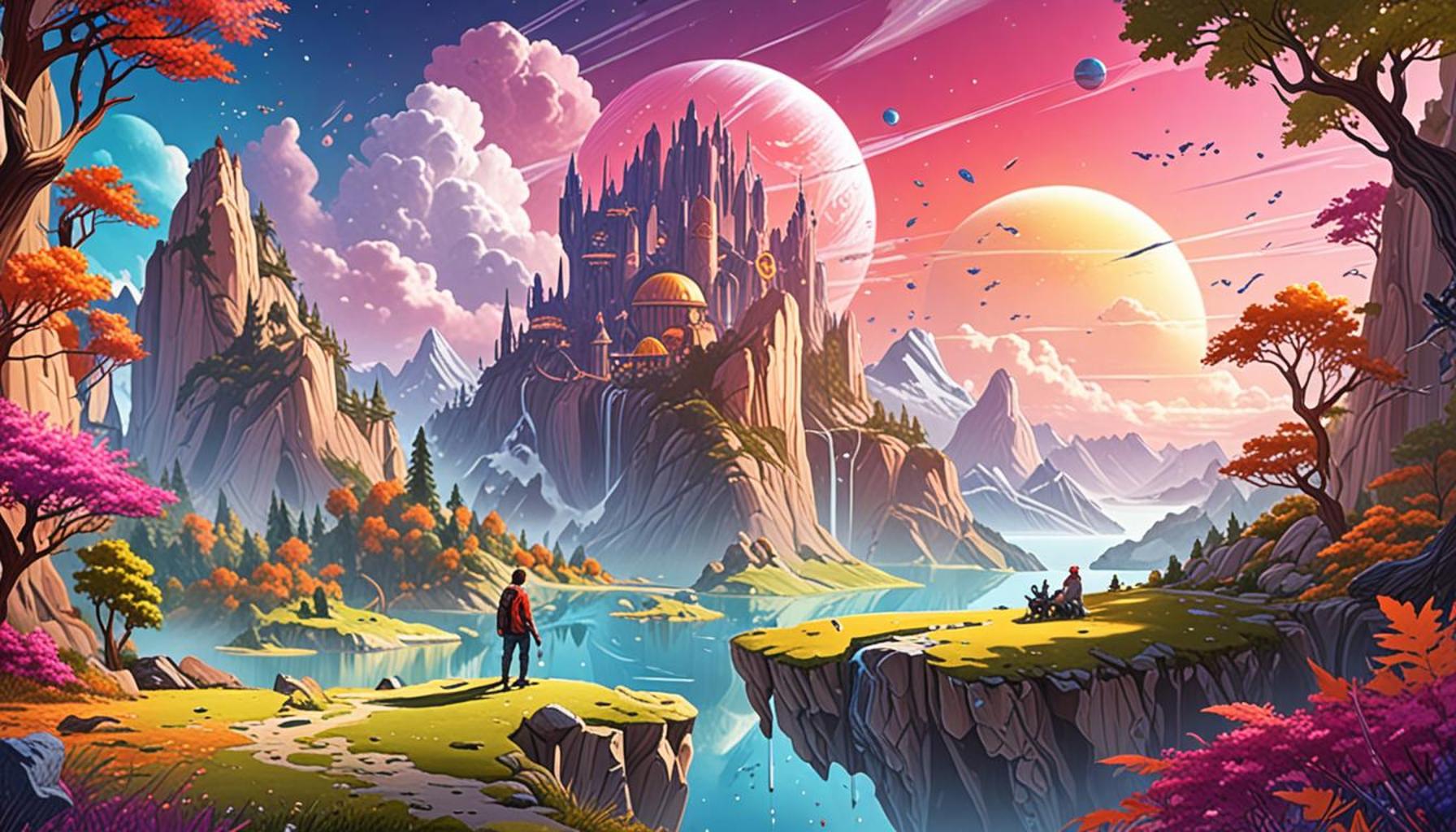
A vibrant story thrives on a well-crafted universe. For many writers, especially beginners, the process of worldbuilding can feel daunting yet exhilarating. Creating a unique setting enriches narratives, allowing characters to navigate through places that are not just imaginary but also deeply immersive.
The significance of worldbuilding in creative hobbies cannot be overemphasized. It serves as the backbone of various genres, from fantasy and science fiction to historical fiction and beyond. Writers who master these techniques are not just creating environments; they are crafting experiences that draw readers in and keep them engaged.
Why Invest Time in Worldbuilding?
- Enhances Story Depth: Detailed worlds provide context for character motivations.
- Increases Reader Engagement: Captivating settings can become characters in their own right.
- Fosters Creativity: Building a universe encourages innovative thinking.
In this article, we will explore the Top 5 worldbuilding techniques that every beginner writer should know. Each method is designed to simplify the process, allowing you to take your first steps into a world of limitless possibilities. Get ready to unleash your imagination!
The Art of Creating Worlds: Worldbuilding Techniques for Aspiring Writers
Creating a world for your stories is more than just an artistic endeavor; it’s an intricate craft that offers enriched depth, engages readers, and conjures new realities. For the aspiring writer, discovering the nuances behind worldbuilding can be a transformative process, and understanding this art form can distinguish a storyteller from the merely average to the truly immersive. By developing a layered and coherent universe, writers can make their narratives not only captivating but unforgettable. This article unveils five fundamental techniques for beginners embarking on this fascinating journey of worldbuilding. Let’s explore the possibilities.
5. Establish the Rules of Your World
The backbone of any fictional reality lies in its underlying rules. These serve as the pillars of believability and consistency, providing structure and order in narratives. Think of them as the equivalent of laws in an actual society that define how things work. By keenly delineating these rules, writers can enhance the credibility of their creations.

- Magic versus Science: Is magic a force that defines the framework of society, or does scientific advancement hold sway? Clarifying this helps set the tone—whether it’s the enchanting allure of the mystical or the reliability of technology.
- Culture and Society: Assess the social norms that permeate your world. These norms could influence everything from legal structures to moral principles, affecting how characters make decisions and interact with one another.
- Geography and Climate: Landforms and weather conditions play pivotal roles in shaping the livelihoods within your world, governing aspects from agriculture to architectural styles.
By weaving these rules seamlessly into your narrative, your readers will have a robust guidepost to navigate your story’s environment. Additionally, these established laws can interact with the plot, creating opportunities for conflict and character development.
4. Develop Unique Cultures and Societies
Culture forms the beating heart of any world, reflecting the values, rituals, and social contracts that bind its people. By crafting unique societal frameworks, writers can offer readers a rich tapestry of traditions and behaviors that breathe life into their fictional narrative.
- Social Hierarchies: Is power centralized or dispersed? Do monarchies, democracies, or perhaps council-led communities hold sway? Understanding power dynamics guides the depiction of authority and rebellion in your tale.
- Festivals and Traditions: Annual celebrations, myth-laden ceremonies, or age-old feuds can provide a backdrop against which personal and communal stories unfold. They fascinate readers by anchoring them in your world’s vibrant, living culture.
- Languages: Language adds another layer of authenticity. Consider distinct dialects that nuance social classes or geographical regions, enriching interpersonal exchanges and world perception.
Deep-rooted cultures not only enrich the narrative but allow writers to explore themes of diversity, conflict, and transition. By introducing varied cultural perspectives, your story gains depth and acknowledges the complexity of societies, both real and fictional.
3. Map Out the Geography
The physical landscape of a world can be a character in its own right, influencing events, shaping lifestyles, and setting the emotional tone for your narrative. Geography provides more than just scenery—it serves as the stage on which adventures unfold and where destinies collide.
- Topography: Mountains, rivers, and valleys are not just geographical features; they can dictate the flow of trade routes, the growth of civilizations, and the strategic value of territories.
- Urban vs. Rural Areas: Contrast between bustling cities and quaint villages influences daily lives. Each setting offers different cultural, economic, and political elements to explore.
- Landmarks: Create landmarks that hold historical, religious, or mythical significance. These can serve as focal points for plot developments or symbolize character goals and quests.
When mapped thoughtfully, geography can elucidate the story’s thematic elements and encapsulate characters within their world, providing a palpable sense of place and movement. Visual aids, like detailed maps or topographical drawings, can be invaluable tools in detailing this dimension.
2. Create a Rich History
A rich, detailed history can add layers of intrigue and context to your world. Historical narratives within your fiction allow you to weave a backdrop that informs the current era of your characters and the dilemmas they face.
- Major Events: Wars, revolutions, and pivotal alliances are the keystones that propel the history of a world. These events shape the present societal norms and can influence character motivations.
- Legends and Myths: The oral and written tales passed through generations construct your world’s mythos. They can shape the cultural worldview and inspire or discourage characters based on past heroes, villains, or divine beings.
- Conflicts: Skirmishes over resources or ideological disputes can echo throughout centuries. Understanding these conflicts is vital in portraying the complex relationships and animosities that embroil your characters.
This historical depth not only enriches the narrative but it tantalizes with familiarity and mystery, enticing readers to delve deeper into the lore that has shaped the world and its inhabitants.
1. Focus on Details That Matter
The ultimate craft of worldbuilding lies in knowing which details to expand and which to succinctly summarize. The precision in choosing which elements enhance rather than encumber your story distinguishes a masterful craftsman from the rest.
- Character Interaction: Detail should influence but not overwhelm interactions. Understanding how the world impacts relationships adds depth, making exchanges more authentic and less contrived.
- Plot Development: Ensure that world details propel the narrative. Only include those intricacies that nudge or nudge the plot toward its climaxes and resolutions.
- Reader Engagement: Use descriptive language that invites readers in. Avoid smothering them with cumbersome exposition, opting instead for succinct details that illuminate crucial elements.
Ultimately, worldbuilding that succeeds in restraint achieves sophistication. Such narratives invite readers to imagine, inquire, and engage, rewarding them with a vivid landscape painted with the right strokes of detail.
Through these techniques, aspiring writers can craft immersive and dynamic worlds with rich details and vibrant cultures. These foundations guide both the creator and audience in a shared journey through imaginative landscapes, paving the way for stories to not just be read, but felt and remembered.
Worldbuilding, the art of creating intricate and immersive worlds for storytelling, is a fundamental skill that every writer should master. Whether you are penning science fiction, fantasy, or even contemporary narratives, a well-constructed world can significantly enhance your writing. In this section, we will explore various essential techniques that beginners can deploy when crafting their unique universes.One of the most critical aspects of worldbuilding is establishing a **strong foundation**. This involves creating a set of rules that govern your world. Understanding the **geography** of your world is a prime example. Is it a planet with sprawling landscapes, towering mountains, or vast oceans? The topography not only helps set the scene but can also influence the cultures and societies that inhabit it. A desert world might produce nomadic tribes, while an oceanic world could lead to thriving city-states built on boats or underwater towns.Another important technique is defining the **societal structure** within your world. How do people interact with one another? What beliefs, values, and traditions influence their daily lives? Differentiating between classes and societal hierarchies can mirror our world or provide a sharp contrast to it, thus allowing for deeper character development and conflict. For example, a world ruled by an oppressive monarchy could create a fertile ground for revolutionary stories centered around determined protagonists.Moving on, the inclusion of a **rich history** is what adds depth to your world. Constructing a timeline of major events—such as wars, disasters, and epochs—enables readers to feel the weight of the past as they engage with your characters. Historical events can create tension, influence power dynamics, and lay the framework for present conflicts. Writers might also choose to invent myths or legends within their worlds, adding layers of intrigue and enriching the culture.Characters also play an indispensable role in the fabric of your world. Writers should consider how the environment shapes their characters’ identities, decisions, and relationships. Characters born in a wealthy city might possess very different motivations and struggles compared to those raised in a rural village on the outskirts of the empire. Moreover, by deploying **complex characters** driven by their backgrounds, writers can explore themes of loyalty, betrayal, and identity within their constructed worlds.Ultimately, writers must remember that the act of worldbuilding is **not merely an exercise in creativity**; it is an invitation for readers to escape into realms where they can imagine, dream, and feel. Well-executed worldbuilding enhances immersion and ultimately elevates the overall storytelling experience.To assist you further in your worldbuilding journey, here is a table outlining key advantages of this intricate process:
| Category | Description |
|---|---|
| Cultural Depth | Creates unique cultural practices, traditions, and social norms that shape characters’ interactions. |
| Conflict Generation | Facilitates the development of conflict through socio-political struggles, diverse beliefs, and dystopian environments. |
| Immersive Experience | Engages readers with vivid landscapes and detailed environments, ensuring an escape into another reality. |
| Character Evolution | Allows for profound character arcs shaped by their surroundings and historical events, enhancing emotional connections. |
By applying these worldbuilding techniques effectively, writers can create captivating stories that resonate deeply with readers and cultivate a sense of wonder—inviting them to explore the unexplored realms of their imagination.
Frequently Asked Questions about Worldbuilding for Aspiring Writers
What is worldbuilding and why is it important for writers?
Worldbuilding is the process of creating an entire fictional universe that serves as the backdrop for your story. It involves crafting the geography, history, cultures, and rules of the world, among other aspects. This technique is crucial because it provides a rich and immersive framework that enriches the narrative, enhancing the reader’s engagement. A well-developed world can add depth and authenticity to characters and plotlines, thereby drawing readers into a story that feels both real and expansive.
How can a beginner start with worldbuilding without feeling overwhelmed?
Beginners should start with small, manageable steps. First, focus on the foundation of your world by answering key questions about its setting, such as climate, geography, and society structures. As you become more comfortable, gradually layer in details about the world’s history, magic systems, or political dynamics. Keeping a worldbuilding journal can help you organize ideas and ensure consistency across your narrative. Remember, the aim is to enhance your story, not burden it with excessive details that may never come into play.
What are some common pitfalls in worldbuilding and how can they be avoided?
A common pitfall is creating a world that is overly complex or inconsistent, which can confuse and alienate readers. To avoid this, establish clear rules and logic within your world and ensure that your characters’ actions and story events adhere to them. Another trap is allowing worldbuilding to overshadow the narrative. Always prioritize storytelling and character development, and use your world as a tool to enhance these elements rather than dominate them.
Is it necessary to create maps for a fictional world?
While maps are not essential for every writer, they can be invaluable tools for visualizing your world and ensuring spatial consistency in your narrative. For fantasy and science fiction genres, where the layout of lands or star systems can be critical to the plot, maps help both the writer and readers navigate the world effortlessly. However, if drawing is not your forte, there are numerous mapping software and tools available that can assist you in bringing your world to life visually.
How does collaborating with other creators influence worldbuilding?
Collaborating with other creators can significantly enrich your worldbuilding process. Discussions and brainstorming with others can offer new perspectives and ideas, leading to a more nuanced and balanced development of your world. Collaborative worldbuilding also ensures a diversity of thought and can help prevent cultural biases and inaccuracies. It is important, however, to maintain a shared vision to ensure cohesion in the final storytelling.
Conclusion: The Art of Worldbuilding for Aspiring Writers
Worldbuilding represents an essential and intriguing part of creative writing that allows writers to construct rich, immersive environments that captivate readers and enrich storytelling. For beginners, understanding the foundational techniques of worldbuilding can be a game-changer in transforming simple narratives into compelling tales with depth and nuance.
Main Takeaways
- Imagination is a writer’s greatest tool, serving as the spark for creating unique worlds that resonate with authenticity and originality.
- Detailing every facet of your world, from geography to cultures, helps in weaving a tapestry that feels both real and fantastical.
- Balancing reality with fantasy is crucial to maintain believability while encouraging suspension of disbelief among your readers.
- Consistency in world rules enhances credibility, allowing readers to fully engage with the narrative without being distracted by inconsistencies.
- Character interaction within the world enriches the plot, enabling readers to connect with the environment through personal experiences.
The importance of worldbuilding in creative hobbies, particularly writing, cannot be overstated. By mastering these techniques, writers can enable their stories to transcend boundaries, offering new dimensions for exploration. As writers delve deeper into worldbuilding, they not only enhance their storytelling skills but also expand their creative perspectives. This journey into the art of creating worlds is not merely a task, but an invitation to explore infinite possibilities and to unravel new stories waiting to be told.
In essence, worldbuilding is much more than just creating a setting. It’s about bridging the gap between imagination and narrative, allowing both to flourish in harmony. Aspiring writers should embrace this dynamic art form, empowering themselves to transform ordinary stories into extraordinary adventures.