Modern Embroidery Techniques: Blending Tradition and Innovation in Craft Projects
The Evolution of Embroidery Techniques
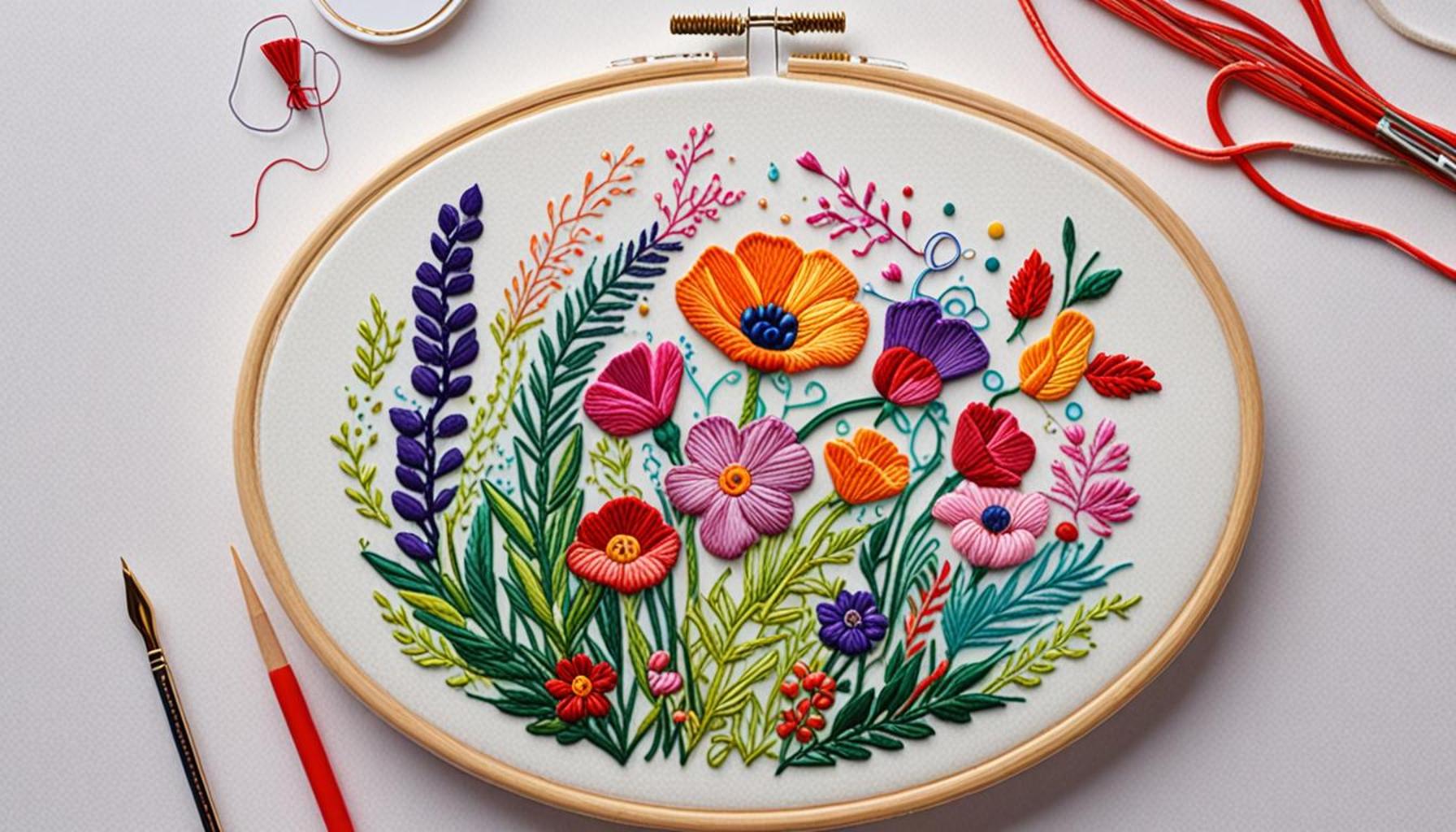
Embroidery has traversed a vibrant journey through time, enriching diverse cultures with its intricate patterns and stories. In the modern era, the art form has transformed dramatically, integrating age-old customs with cutting-edge technology to create an exciting landscape for embroidery enthusiasts. As artisans explore modern embroidery techniques, they unearth opportunities to chisel their identities within an art form that resonates with personal and communal narratives.
Technological Advancements in Embroidery
One of the key innovations shaping contemporary embroidery is computerized embroidery, which allows creators to produce detailed designs and motifs with remarkable speed and accuracy. By utilizing computerized sewing machines, embroiderers can now realize patterns that would take hours, if not days, to execute by hand. Consider the potential for producing custom branded merchandise; businesses can easily create elaborate designs for logos and promotional items, amplifying their brand presence with efficiency.
Commitment to Sustainability
The growing emphasis on sustainability has also led to the use of eco-friendly materials, such as organic threads and recycled fabrics. Enthusiasts can now source materials that not only reduce environmental impact but also tell a story of conscientious crafting. For example, small businesses in the U.S. are emerging that specialize in producing sustainable craft supplies, further cultivating a community that prioritizes ecological responsibility while fostering creativity.
Expanding Creative Horizons
Moreover, the advent of mixed media projects has opened doors for innovation in the craft. Artists now freely combine embroidery with other artistic forms, such as painting, quilting, and even photography. This blending of techniques allows for captivating artwork that captures the eye, such as embroidered paintings that bring texture to visual art. This interdisciplinary approach encourages creators to push boundaries and rethink traditional practices, leading to unique and compelling results.
The Resurgence of Hand-Stitched Artistry
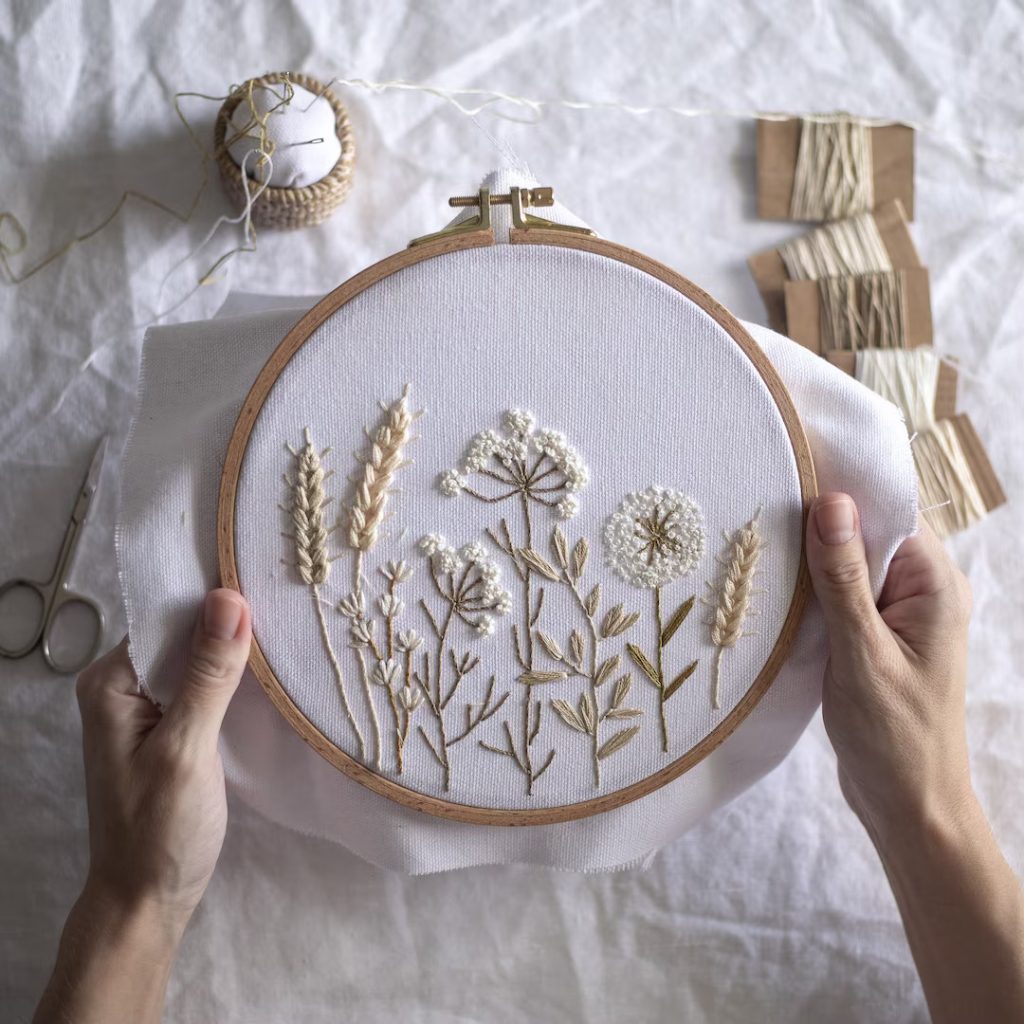
In contrast, the revival of hand-stitched artistry echoes nostalgia and a longing for authenticity. As more creators embrace tactile methods, the individual touch and imperfections found in hand-stitched pieces are celebrated. From bespoke fashion items to personal home décor, these creations often tell rich stories, allowing artists to express their distinct viewpoints. Platforms like Instagram and dedicated crafting communities have made it easier for artists to share their journeys and foster connections with like-minded creatives across the globe.
Conclusion
The exciting intersection of technology and tradition in modern embroidery truly redefines the craft. By merging innovative techniques with established practices, today’s embroiderers are creating meaningful artwork that honors the past while paving the way for the future. As we continue to explore this vibrant world, we invite both seasoned experts and budding enthusiasts to dive deeper into the possibilities of modern embroidery and discover the artistry that awaits.
DISCOVER MORE: Click here to start your creative journey
Innovative Approaches to Traditional Techniques
The fusion of traditional embroidery techniques with innovative practices has sparked a renaissance in the world of crafting. As modern artisans delve deeper into the art form, they are reviving age-old stitching methods while incorporating contemporary materials and styles. This practice not only preserves cultural heritage but also enables artists to reimagine their creative expressions.
Revitalizing Classic Patterns
Many contemporary embroiderers are choosing to revitalize classic patterns and motifs, often inspired by their cultural roots. By reinterpreting these designs using modern colors and textiles, artisans create pieces that resonate with both tradition and the present day. For example, traditional floral motifs can be stitched with vibrant, unexpected hues or combined with other crafts such as dyeing and screen printing to produce a mixed media masterpiece. This blending of styles engages a new generation of crafters, who appreciate the stories embedded in each stitch.
Embracing Digital Design
Utilizing digital design software has revolutionized how artists create embroidery patterns. With programs like Adobe Illustrator and specialized embroidery software, crafters can digitally sketch intricate designs before converting them into stitched reality. The ability to visualize creations in a digital format streamlines the process, allowing for complex layouts to be printed on fabric using high-tech printers. This transition to digital embroidery design caters to a growing demand for personalized and unique projects, with consumers now seeking one-of-a-kind works to express their individuality.
Breaking Boundaries with 3D Embroidery
Another exciting development is the rise of 3D embroidery. This technique adds depth and texture by layering stitches, resulting in striking, eye-catching designs. Artists employ materials such as foam, felt, and other three-dimensional elements to create landscapes and characters that seem to leap off the fabric. This modern method presents a fresh take on embroidery and captivates audiences, making it increasingly popular in fashion and home décor.
Accessibility Through Online Platforms
The advent of social media and online learning platforms has made modern embroidery techniques more accessible than ever. Websites like YouTube and Instagram showcase tutorials, providing aspiring crafters with an abundance of resources at their fingertips. Online marketplaces, such as Etsy, allow artisans to reach wider audiences by selling unique, handcrafted items. These platforms not only facilitate the sharing of techniques and ideas but also foster a sense of global community among enthusiasts, allowing for the exchange of knowledge that further enriches the craft.
Diverse Applications of Modern Embroidery
Today’s embroidery extends beyond personal art and into various industries, influencing fashion, interior design, and even technology. The following applications highlight the versatility of modern embroidery techniques:
- Fashion: Designers are incorporating embroidery into clothing, accessories, and even footwear, utilizing it as a statement of individuality.
- Home Décor: Handcrafted embroidered items are transforming living spaces, with pillow designs featuring intricate patterns and motifs, adding a personalized touch to interiors.
- Tech Integration: Innovations such as smart fabrics that incorporate conductive threads provide opportunities for embroiderers to explore functional fashion, blending aesthetics with technology.
As artisans continue to experiment with the boundaries of embroidery, the profound heritage of this craft melds seamlessly with inventive techniques that speak to contemporary audiences. The evolving landscape ensures that embroidery remains a cherished form of art, celebrating both the past and the future.
| Category | Details |
|---|---|
| Innovation in Materials | Advanced fabrics and eco-friendly threads are revolutionizing modern embroidery. These innovative materials not only enhance aesthetics but also elevate durability. |
| Tech Integration | Digital embroidery machines allow intricate design replication. Incorporating technology streamlines labor while offering precise outcomes. |
| Cultural Fusion | Global design influences are increasingly evident in modern projects, creating a rich tapestry of ideas that resonate with diverse audiences. |
In the realm of modern embroidery techniques, the fusion of tradition and innovation not only elevates craft projects but also opens new avenues for creativity. As artisans explore the use of digital tools and unique materials, they can push the boundaries of conventional embroidery to create works that reflect both their heritage and contemporary trends. This interplay encourages a vibrant dialogue about cultural expression, skill mastery, and artistic exploration, which captivates both creators and admirers alike. As interest in sustainable crafting grows, the incorporation of eco-friendly materials challenges traditional practices while appealing to a more conscious consumer base. Whether through workshops or online tutorials, individuals seeking to enhance their sewing skills can tap into this rich and evolving craft, giving them an opportunity to become part of a larger community. Ultimately, understanding and utilizing modern embroidery techniques inspires emerging crafters to merge the past with present, crafting pieces that not only tell stories but also resonate deeply with the evolving landscape of the arts.
DIVE DEEPER: Click here to uncover the art of storytelling
Embroidery as a Vehicle for Social Commentary
One notable trend within modern embroidery techniques is the use of this art form as a medium for social and political expression. Artists are employing embroidery to communicate their perspectives on issues such as gender equality, environmentalism, and cultural identity. Through intricate stitching, they create poignant pieces that provoke thought and conversation. This approach resonates especially with younger generations who crave activism in their creative practices, enabling them to channel their beliefs into tangible artwork.
Collaborative Projects and Community Engagement
Community-based embroidery projects have emerged as a dynamic way to foster collaboration among crafters of all skill levels. Groups gather to work on large-scale installations that embody shared themes, bringing together diverse backgrounds and perspectives. For instance, initiatives like the “Yarn Bombing” movement have transformed urban spaces into vibrant canvases by covering public objects and structures with needlework. These collective efforts not only beautify communities but also serve as a form of grassroots activism, making art accessible and engaging for the wider public.
The Rise of Sustainable Practices
As part of a growing trend toward sustainability, many embroiderers are incorporating eco-friendly practices into their projects. This shift includes using organic fabrics, recycled materials, and natural dyes to minimize environmental impact. Some artisans have even begun experimenting with upcycling garments, breathing new life into old clothing by embellishing it with stitch work. This approach aligns with the increasing consumer demand for ethically produced goods while honoring the beauty of craftsmanship.
Innovative Tools and Techniques
Technological advancements have also led to the development of innovative tools that enhance embroidery practices. The introduction of embroidery machines equipped with sophisticated software allows crafters to create even more intricate designs with precision and efficiency. However, this does not diminish the appeal of hand-stitched creations; rather, it offers a complementary avenue through which artisans may express their individuality. Such tools enable the exploration of intricate designs that might prove challenging to recreate by hand, thus expanding the creative possibilities within the craft.
Educational Opportunities and Workshops
To cultivate this craft’s resurgence, numerous workshops and educational programs now aim to impart both traditional and modern embroidery techniques. Art schools and community colleges are offering courses while online platforms host virtual classes led by experienced embroiderers. This educational accessibility encourages individuals to experiment and discover different styles, enriching their creative abilities. As these courses often include lessons on modern tools and techniques, they play a crucial role in bridging the gap between traditional craftsmanship and contemporary artistic expression.
Personal and Cultural Narratives Through Stitching
Finally, modern embroidery serves as a personal narrative tool, allowing crafters to weave stories about their lives and cherished heritage into their work. By incorporating personal symbols, memories, and even photographs into their designs, artisans create textile art that transcends mere aesthetics. This intimate practice fosters a sense of connection, inviting viewers to engage with the narratives behind each piece. Furthermore, by weaving cultural elements into their designs, embroiderers pay homage to their roots while innovating within the tradition, ensuring that these stories continue to resonate with future generations.
EXPLORE MORE: Click here for innovative tools
Conclusion: The Future of Embroidery Lies in Its Duality
In summary, the landscape of modern embroidery techniques illustrates a compelling fusion of tradition and innovation, showcasing their transformative nature. As artisans embrace this timeless craft, they not only honor its rich history but also incorporate contemporary themes and new media, expanding the boundaries of what embroidery can achieve. This art form has evolved into a powerful vehicle for social commentary, allowing artists to voice critical issues and connect with communities through shared projects.
The rise of sustainability within embroidery practices highlights a growing awareness of environmental responsibilities, demonstrating how artisans can blend personal creativity with global consciousness. Meanwhile, the introduction of advanced tools empowers both emerging and seasoned crafters to explore intricate designs, further blurring the lines between traditional handwork and technological ingenuity.
Educational opportunities have become increasingly accessible, fostering a new generation captivated by the craft. This commitment to learning not only revitalizes traditional techniques but also encourages inventive approaches that incorporate personal narratives and cultural expressions. As modern embroidery continues to thrive, it captures the essence of our society—melding individual stories, community engagement, and artistic innovation.
As we navigate the future of craft projects and textile art, it is evident that the spirit of embroidery will remain vibrant, continually evolving while holding onto its roots. Engaging with this medium can inspire understanding and appreciation of craftsmanship, allowing us to witness the stunning tapestry that emerges when tradition and innovation intertwine.