Music and Technology: How Music Production Software is Transforming Artistic Creation
The Transformation of Music Creation Through Technology
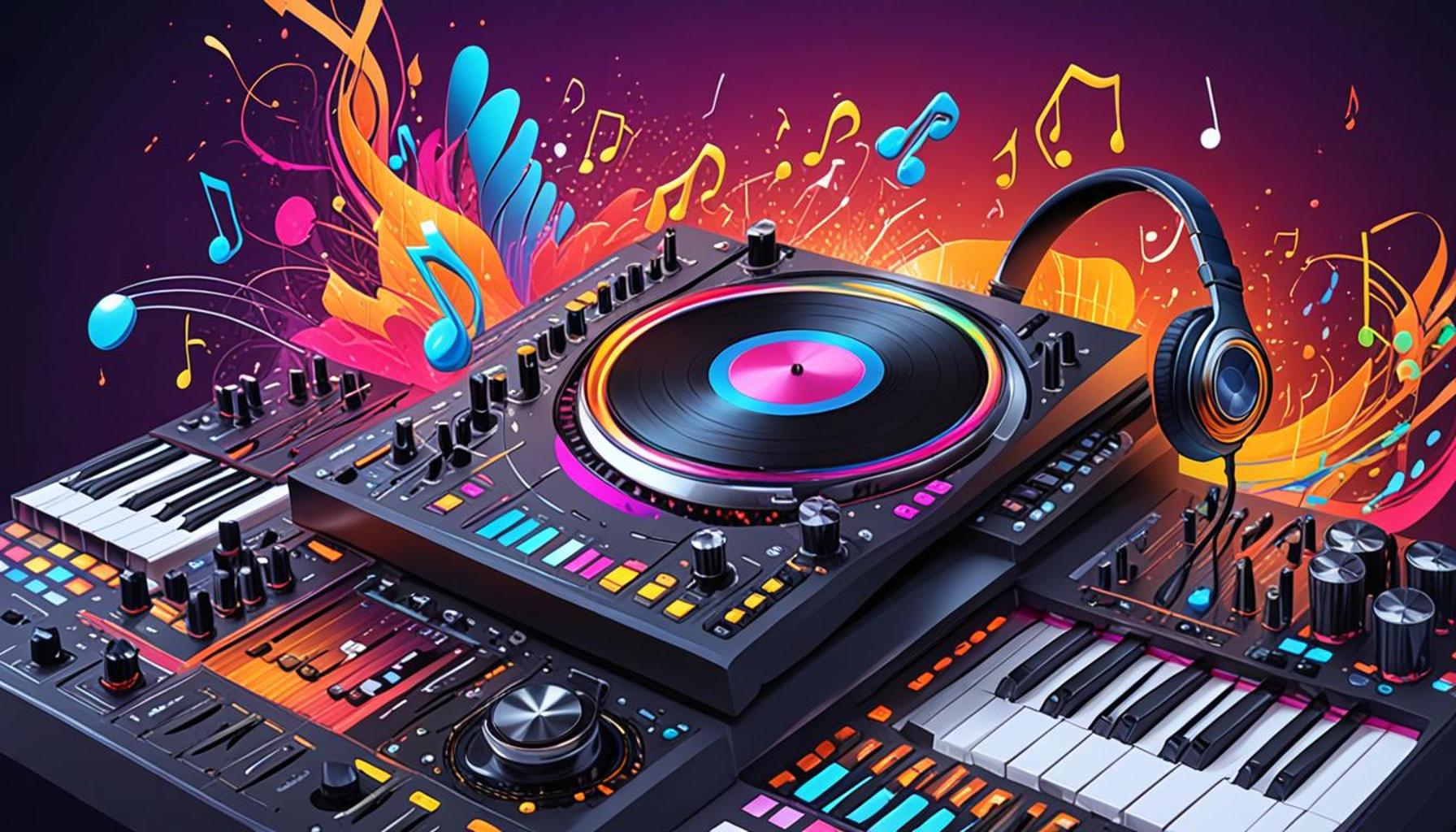
In today’s digital age, the world of music production has been profoundly transformed by advancements in music production software. This shift is more than just a trend; it represents a fundamental change in how music is conceived, created, and disseminated. With the rise of these technologies, artists find themselves equipped with tools that were once relegated to the professional realm, now available at prices that many can afford, thus democratizing the art of music production.
Accessibility to Professional Tools
The accessibility of high-quality music production software has enabled artists from all walks of life to experience a creative renaissance. Software such as Ableton Live, FL Studio, and Logic Pro X are not only designed with user-friendly interfaces but also come packed with extensive libraries of sounds, samples, and loops that cater to every genre imaginable. For example, aspiring musicians no longer need to pay for expensive studio time; they can produce polished tracks right from their bedroom, enabling a new generation of artists to share their music on platforms like SoundCloud, Spotify, and YouTube, where they can reach a global audience.
Facilitating Collaboration
Collaboration has been revolutionized by the ability to work remotely. Musicians can now easily collaborate with others from around the world, bringing together diverse influences and ideas to craft unique sounds. Through cloud-based platforms, artists can share projects in real-time, providing feedback and making adjustments on-the-go. This connectivity allows a New York producer to collaborate with a vocalist from California, or a rapper from Atlanta to team up with a DJ in Miami. Such cross-pollination enriches the musical landscape, enabling the emergence of innovative genres.
Driving Innovation in Music Production
The integration of innovation in music production has also played a crucial role in expanding sonic possibilities. New plugins and virtual instruments are constantly being developed, each offering unique sounds, effects, and production techniques. For instance, software synthesizers can mimic a wide range of instruments, from classical pianos to futuristic sounds that are not even part of the traditional music framework. This encourages artists to push the boundaries of their creativity, exploring uncharted territories in music composition.
The impact of music technology on the creative process is remarkable. Artists who embrace these advancements can streamline their workflows, allowing them to focus on the art of creation rather than being bogged down by technical challenges. As the industry continues to evolve, the possibilities for music production will expand, presenting both challenges and opportunities for musicians to innovate and inspire.
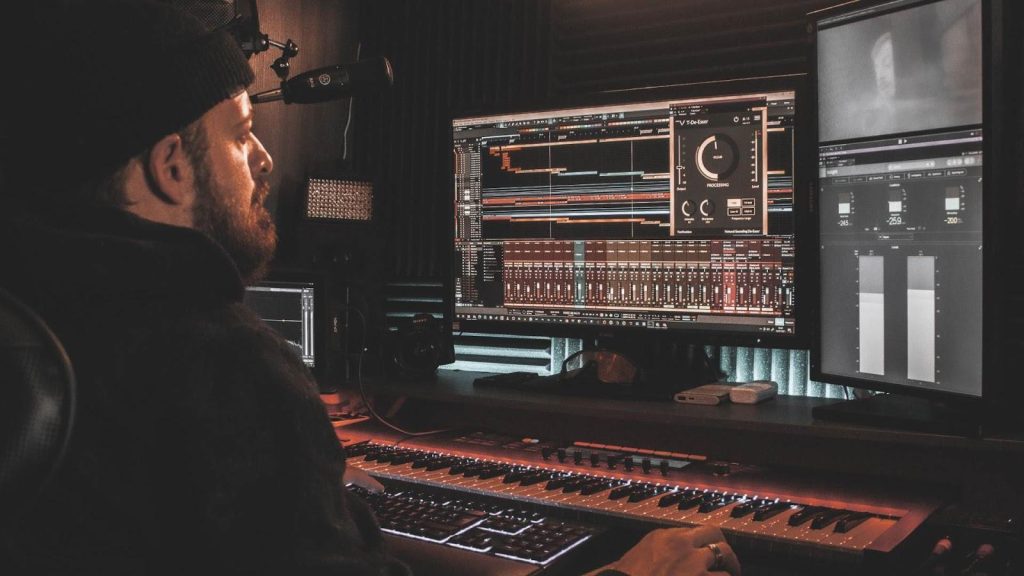
In conclusion, the evolving landscape of music production software marks a pivotal moment in how music is created and shared. As technology continues to advance, artists are equipped with a powerful toolkit that transforms their artistic expressions into tangible reality, promising a future where creativity knows no bounds.
EXPLORE MORE: Click here to start crafting
Empowering Artists: A New Era of Music Production
The emergence of music production software signifies a shift towards a more empowered and independent artistic community. Artists are no longer just passive participants in the music industry; they are now active creators, capable of managing every aspect of their work. This empowerment is fueled by the development of sophisticated yet accessible tools that cater to varying levels of expertise and genres.
The Rise of User-Friendly Interfaces
One of the most striking features of modern music production software is the user-friendly interface that demystifies the music creation process. With platforms like GarageBand, even novices can start producing music almost immediately. These software programs come equipped with intuitive layouts that simplify complex tasks, enabling users to focus on creativity rather than getting lost in technical jargon. Notable features include:
- Drag-and-Drop Functionality: This allows users to easily import and arrange samples, loops, and sound clips with just a few clicks.
- Pre-made Templates: These help artists get started quickly, offering a structure that they can customize to fit their unique sound.
- Built-in Tutorials: Many software options provide step-by-step guides, enabling users to learn while they create.
Such features not only encourage experimentation but also minimize the initial barriers that often discourage aspiring musicians from pursuing their passion.
Enhancing Creative Control
The depth of control afforded by music production software has changed the game for artists. Musicians can now manipulate every facet of their recordings, from individual notes to arrangement structures. Tools like Pro Tools and Cubase allow artists to fine-tune their sound, offering features such as:
- Multi-tracking: Artists can record multiple layers of sound, enabling the creation of rich, complex compositions.
- Effects Processing: A vast array of effects can be applied to enhance vocals, instruments, or entire tracks, from reverb to EQ adjustments.
- MIDI Capabilities: Musicians can create intricate arrangements without the need for physical instruments, providing endless creative possibilities.
Such enhancements empower musicians to realize their artistic visions fully, allowing for a level of creativity that was previously limited to how much time and money a musician could invest in traditional studio settings.
The Influence of Online Communities
The impact of music production software extends beyond the personal creativity of artists; it also fosters a sense of community. Online forums, social media groups, and collaborative platforms enable creators to share their work, receive feedback, and even participate in projects together. This communal aspect not only enriches the individual artist’s experience but also contributes to musical diversity as artists share techniques, workflows, and collaborations. Platforms like Splice and Soundtrap highlight this trend, allowing musicians to access an extensive library of sounds while networking with fellow creators.
As artists harness the power of music production software, they pave the way for interdisciplinary collaborations that push the boundaries of artistic expression. This ongoing evolution signals an exciting future for music, prompting both artists and audiences to rethink traditional notions of musical artistry.
Continuing the Exploration of Music Production Software
As the landscape of artistic creation continuously evolves, music production software stands at the forefront of this transformation. This technology not only democratizes access to high-quality music production tools but also enhances creativity and innovation among artists across the globe. With an array of features that cater to beginners and professionals alike, these platforms empower musicians to experiment and refine their craft with unprecedented ease.One notable advancement is the integration of artificial intelligence in music software. AI tools analyze existing tracks to provide suggestions on melody, harmony, and arrangement, enabling artists to break through creative blocks and discover new directions in their work. Additionally, features such as automated mixing and mastering take away the burden of technicalities, allowing creators to focus on their artistic vision.Furthermore, collaboration has never been easier, thanks to cloud-based software. Artists can share projects, provide feedback, and make contributions from anywhere in the world, fostering a global creative community that thrives on diverse ideas and styles. This shift not only broadens the horizons for musicians but also enriches the overall music culture by promoting cross-genre collaborations.In this rapidly evolving environment, the role of music production software serves as both a creative tool and a platform for innovation. As artists continue to explore the possibilities presented by these technologies, the future of music looks bright and full of potential.
| Advantage | Details |
|---|---|
| Accessibility | Music production software levels the playing field, allowing all artists to access professional-grade tools. |
| Enhanced Creativity | AI integration suggests new ideas, helping artists overcome creative blocks and embrace innovation. |
As technology continues to advance, it will be fascinating to witness how music production software further shapes the artistic landscape and transforms the ways in which music is created and experienced.
DIVE DEEPER: Click here to discover more about musical creativity
Breaking Down Geographical Barriers
The proliferation of music production software has not only revolutionized how individuals create music, but it has also helped in transcending geographical limitations. In the past, talented musicians often found themselves stuck in local scenes with limited exposure. Today, software like Logic Pro and FL Studio enables musicians across the globe to collaborate in real-time, creating a more globally interconnected music environment. Artists can share files instantaneously and produce tracks together, regardless of where they are located—be it Los Angeles, Tokyo, or Berlin. This capability has led to the rise of numerous cross-genre collaborations, merging diverse cultural influences into new musical forms.
Incorporating Artificial Intelligence in Music Creation
Artificial intelligence (AI) is making waves in the music production landscape as software advances. Tools such as AIVA (Artificial Intelligence Virtual Artist) allow users to generate original compositions that can serve as a foundation for their projects. This technology uses algorithms and machine learning to analyze existing music patterns and genres, providing creative suggestions and ideas that artists can then refine. By integrating AI, the creative process is augmented, allowing musicians to experiment with new ideas and soundscapes that may not have previously occurred to them. Oddly enough, some creators are even collaborating with AI to produce entire albums, sparking conversations about originality and authorship in music.
The Accessibility of Learning Resources
Alongside user-friendly interfaces and community-driven platforms, the availability of educational resources plays a crucial role in this musical renaissance. Websites such as Coursera and MasterClass offer courses on music production, providing in-depth knowledge ranging from basic concepts to advanced techniques. Moreover, YouTube has become an invaluable treasure trove for aspiring producers. Tutorials are available for almost every major software, offering insights directly from seasoned professionals. This abundance of accessible knowledge empowers artists, leveling the playing field and democratizing music production.
Shifting Industry Economics
As more artists embrace music production software, the economics of the music industry is also evolving. The traditional model, which often favored record labels and big studios, is facing significant disruption. Independent artists can produce high-quality music at home, distribute it through platforms like Bandcamp and SoundCloud, and market it via social media, thus bypassing conventional power structures. This shift not only allows artists to retain greater control over their work but also affects how revenues are generated in the industry, promoting a direct relationship between creators and their fans.
While music production software enhances individual creativity and accessibility, it also sparks broader discussions regarding the future of music itself. As technology continues to advance, artists and audiences alike must adapt to these changes, prompting a collective exploration of what it means to create and experience music in this dynamic digital age.
DISCOVER MORE: Click here to dive into the beauty of outdoor painting
Conclusion: The Future of Music in a Technological Landscape
As we navigate through the intricate relationship between music and technology, it becomes evident that music production software has fundamentally shifted the contours of artistic creation. The tools available today empower musicians, enabling unparalleled creative freedom while fostering collaboration that transcends borders and cultural backgrounds. The integration of artificial intelligence into music-making not only enhances creativity but also invites ongoing conversations regarding innovation and artistic integrity.
The democratization of music production, fueled by accessible educational resources and affordable software, has transformed the landscape for emerging artists. Independent creators now have the opportunity to hone their skills and share their work with a global audience, significantly reshaping the traditional music industry model. This evolution invites new opportunities and challenges, as the power dynamics shift from established record labels to a more direct relationship between artists and their fans.
Looking forward, as technology continues to evolve, musicians and listeners alike will need to adapt to new paradigms in creation, distribution, and consumption of music. This ongoing transformation not only redefines what it means to be an artist but also enriches our collective musical experience. It invites us to ponder critical questions about authenticity, creativity, and the very essence of music in our lives. As we embrace this digital age of sound, the possibilities for artistic expression are boundless, paving the way for the next generation of musical innovation.