The aesthetics of visual design in DIY projects: how to create with style
Unlocking the Beauty of DIY Design
Engaging in do-it-yourself (DIY) projects is not merely a form of self-expression; it’s an opportunity to connect with your surroundings and craft personalized spaces that reflect your individuality. When you create something with your own hands, you foster a sense of accomplishment and pride, transforming everyday items into unique pieces that resonate with your aesthetic. The intersection of DIY projects and visual design is where the magic happens, as aesthetics play a crucial role in achieving not only a visually stunning result but also an environment that feels authentically yours.
Key Elements of Aesthetic Appeal
- Color Palette: Selecting a harmonious color scheme can significantly affect the mood of a space. For instance, soft pastels like mint green or peach can create a calm, serene ambiance, perfect for bedrooms or studies. In contrast, bold hues such as navy blue or emerald can add a sophisticated punch to living areas, inviting energy and conversation.
- Texture: The use of different materials adds depth and interest to your projects. Think about combining raw wood, smooth glass, and wrought iron in a shelving unit, or layering soft fabrics and sleek metals in a dining area. This tactile variety captivates the senses and elevates your design.
- Scale and Proportion: Maintaining balance is essential in any design. When decorating, mix large furniture pieces, like a substantial sectional sofa, with smaller accent chairs or side tables. This creates a visually pleasing harmony and allows each element to shine without overwhelming the space.
In the expansive universe of DIY projects, these aesthetic considerations can significantly improve your outcomes. Here are some practical benefits to keep in mind:
- Enhances overall space utility: Thoughtful design can make even the tiniest apartment feel spacious and organized.
- Inspires creative expression: A well-executed DIY project can serve as a canvas for your artistic voice.
- Increases the value of your home: Stylish upgrades, such as a refurbished kitchen or a chic outdoor space, can significantly enhance property value in future real estate evaluations.
As you take on your next DIY endeavor, it’s crucial to remember that style and functionality don’t have to be mutually exclusive. Embracing aesthetics doesn’t mean sacrificing practical utility; they can coexist harmoniously. A multifunctional piece, like a coffee table with built-in storage, beautifully illustrates this principle—serving both as a stunning focal point and as a practical solution for clutter.
Ready to Transform?
Join us as we delve deeper into the art of visual design in DIY projects. We’ll provide actionable tips, inspiring examples, and insights to enhance your creative journey. Each project is a chance to learn, explore, and push the boundaries of your design capabilities. Whether you’re a seasoned DIY enthusiast or just starting, there’s always a new technique to master or an innovative idea waiting to be unearthed.
DISCOVER MORE: Click here to learn about the therapeutic power of storytelling

Bringing Aesthetic Principles to Life
When embarking on a DIY project, understanding the principles of visual design can be transformative. As you blend color, texture, and form, you unlock the potential to create not just functional items but pieces that embody your creative vision and aesthetic sensibility. Notably, the choices you make regarding these elements dictate the overall impact your project will have in your space. A well-thought-out design doesn’t merely look good; it encapsulates a story, evoking emotions and creating connections.
From Concept to Creation
Starting with a clear concept is vital. Before diving into a project, take a moment to think about the purpose of your creation. Ask yourself:
- Who is the intended audience or user? Consider age, lifestyle, and preferences, as these factors will influence design choices.
- What function does the piece serve? Whether it’s a decorative item or a practical fixture, aligning form with function is key.
- What style best represents you? Whether you lean towards rustic charm, modern minimalism, or bohemian flair, knowing your personal style will help guide your decisions.
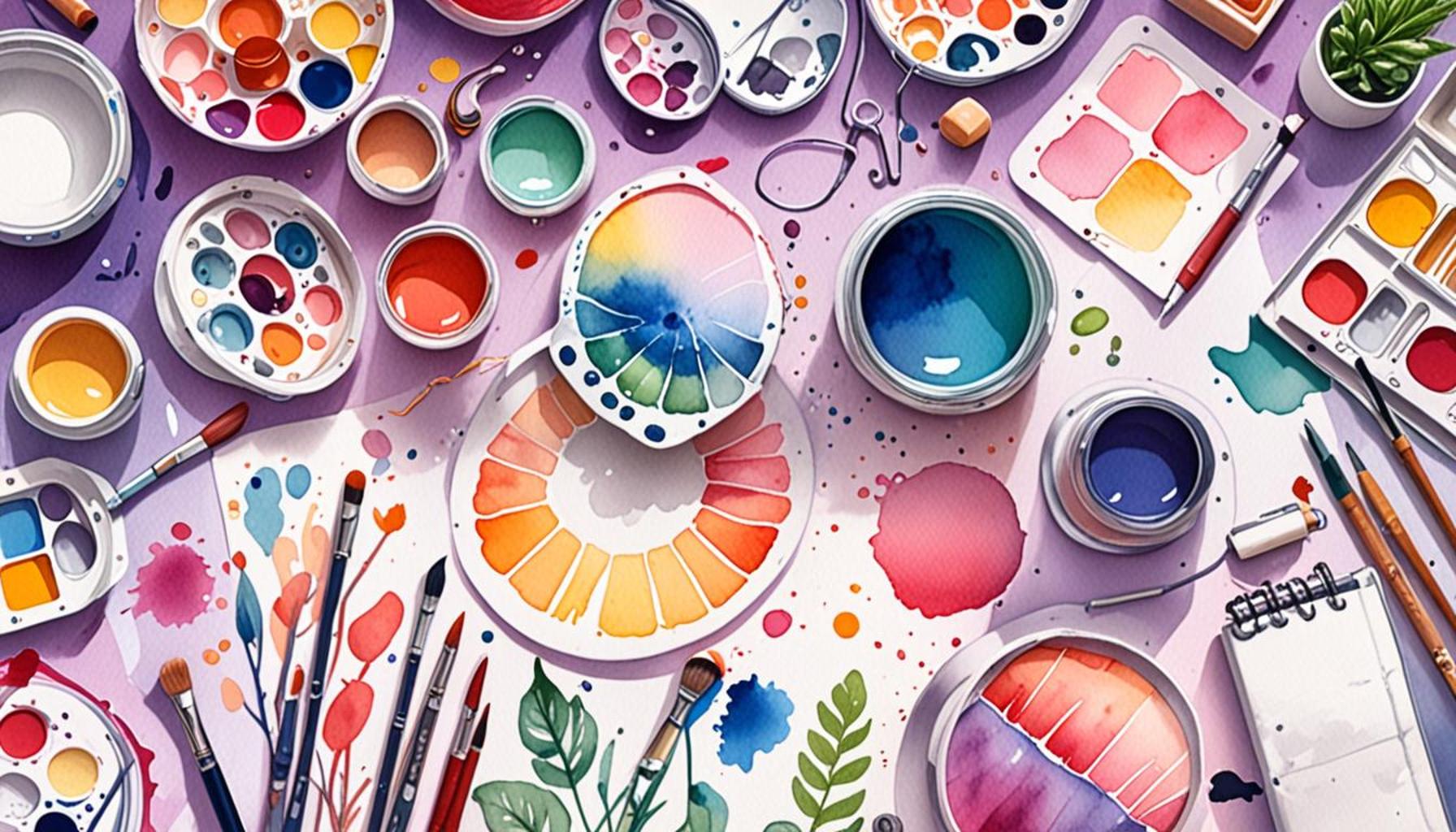
Once you have defined your concept, the next step is to explore color theory. Colors possess the power to evoke feelings, and a cohesive color palette serves as the foundation of your aesthetic. When selecting colors, consider the following:
- Complementary Colors: Choose colors opposite each other on the color wheel for a vibrant contrast.
- Analogous Colors: Pick colors that are next to each other on the wheel for a seamless and harmonious look.
- Monochromatic Schemes: Use varying shades and tints of a single color to create depth and interest.
Texture is another vital aspect of visual design that can dramatically affect the aesthetic quality of your DIY projects. Incorporating different materials—such as soft fabrics, rough woods, and sleek metals—not only adds tactile appeal but also enhances the visual interest of your creations. For example, a handmade throw pillow with a mix of sumptuous velvet and woven linen can provide both comfort and style, elevating the overall design.
Scale and Spatial Awareness
No DIY project is complete without considering the scale and proportion of elements involved. Balancing large and small items can create dynamism within a space. For instance, placing a striking oversized piece of art above a snug side table can draw the eye upwards, making the room feel more expansive while also creating visual intrigue. Understanding how to juxtapose different scales is an essential skill in DIY aesthetics, leading to a professional-looking finish.
As you hone your approach to DIY projects, remember that aesthetic considerations are not constraints but rather gateways to boundless creative possibilities. By embracing the principles of visual design, you can craft stunning pieces that not only function well but also resonate with beauty, giving a fresh voice to your living spaces.
The Aesthetics of Visual Design in DIY Projects: How to Create with Style
When considering DIY projects, the visual design aspect plays a critical role in transforming an ordinary space into a stunning one. Each detail not only enhances appeal but also contributes to the overall atmosphere of a home. Emphasizing aesthetics in DIY projects can elevate the functionality of an item while ensuring it remains visually pleasing. Thus, understanding how to merge utility and beauty is paramount.One significant aspect of achieving excellent visual design is color selection. Utilizing a well-coordinated color palette can influence the mood of a space. For instance, soft pastels tend to evoke tranquility, while vibrant hues can inject liveliness into a room. Moreover, incorporating textures can add depth and interest to DIY creations. Combining different materials like wood, fabric, and metal can create a rich sensory experience.Another vital consideration is the balance and scale of your projects. By ensuring that proportions are harmonious, you can create a pleasing visual flow. This means selecting furniture or decorative pieces that complement one another without overwhelming the space.To further enhance the visual aspect, incorporating art elements, such as paintings or handmade crafts, allows personal expression. These pieces can serve as focal points throughout your project, showcasing individual style.To make the most of your DIY endeavors, remember that aesthetics is not just about looking good; it’s about creating a cohesive narrative through design. Tune into current design trends, and don’t shy away from experimenting. The world of DIY offers endless possibilities for crafting visually stunning projects that reflect your unique style.
| Visual Design Aspect | Role in DIY Projects |
|---|---|
| Color Selection | Influences mood and creates visual harmony, setting the ambiance of spaces. |
| Texture Combinations | Adds depth and engages the senses, making projects visually interesting. |
| Balance and Scale | Enhances flow and ensures harmony between elements in the design. |
| Incorporation of Art | Expresses individuality and provides focal points, enriching the aesthetic narrative. |
The aesthetics of design in DIY projects is a captivating field that invites creativity while ensuring practical application. Explore various techniques to discover how they can elevate your projects and inspire others.
DISCOVER MORE: Click here to explore your musical creativity
Elevating Functionality with Style
As we dive deeper into the aesthetics of visual design in DIY projects, it’s crucial to remember that every creation should not only please the eye but also serve a purpose. The intersection of functionality and style is where effective design flourishes. Your DIY items should be as user-friendly as they are visually appealing. A beautiful item that fails to serve its intended purpose leaves an impression of impracticality. For instance, a shelf crafted from reclaimed wood can be both stunning and functional; when designed thoughtfully, it offers a rustic charm while providing essential storage space.
Designing with Balance and Harmony
Achieving visual harmony in your DIY projects involves a blend of balance and proportion. Balance refers to how the elements of a design relate to each other, giving the space a sense of equilibrium. There are two types of balance to consider:
- Symmetrical Balance: This design is achieved when elements are arranged evenly around a central point. Think of a pair of matching lamps flanking a couch, creating a look that feels stable and formal.
- Asymmetrical Balance: This approach balances visual weight without mirroring elements. For example, a large plant on one side of a table countered by a series of smaller books or décor on the other creates interest without compromising stability.
Striking a balance helps to draw the viewer’s eye through your space and can enhance the overall experience of your project. Additionally, consider incorporating visual weight, which refers to the perceived heaviness or lightness of design elements. Lighter colors and materials often feel more airy and spacious, while darker tones can create a more grounded feeling. This understanding allows you to manipulate perception in your design effectively.
Incorporating Patterns and Visual Rhythm
Introducing patterns into your DIY projects can also enhance visual appeal. Patterns create a sense of rhythm and movement, guiding the observer’s attention throughout the space. However, it’s important to use patterns judiciously. Consider these tips:
- Limit the number of patterns: Choose one or two patterns to avoid overwhelming the viewer. For instance, a patterned throw rug can pair beautifully with solid-colored furniture.
- Vary the scale of patterns: Mixing larger patterns with smaller ones creates contrast that is visually engaging. An oversized floral print can work harmoniously alongside a more delicate geometric design.
Furthermore, the rhythm of your design can be established through the repetition of colors, shapes, and materials throughout the space. This creates a cohesive look that tells a story and enhances the overall aesthetic. Picture a series of handmade ceramic pots in varying colors adorning a windowsill; this repetition can draw the eye and instill a feeling of unity and flow.
The Role of Lighting in Aesthetic Design
Lastly, don’t underestimate the impact of lighting in elevating your DIY designs. The right lighting can dramatically alter the appearance of a space, highlighting textures and colors while creating ambiance. Natural light, often considered the gold standard, can bring warmth and life to your projects. Conversely, artificial lighting can be utilized to spotlight particular features or create moods. For example, warm LED strip lights under a wooden shelf can cast a welcoming glow, enhancing the organic beauty of the materials used.
Incorporating these elements will not only bring out the best in your DIY projects but will also allow you to express your unique style. By focusing on functionality, balance, patterns, and lighting, you can create designs that resonate with aesthetic pleasure and serve as decor and conversation starters in any space. The journey to building with style is one of discovery—a pathway where creativity and practicality coexist beautifully.
DISCOVER MORE: Click here to dive deeper
Conclusion: Crafting Aesthetic Masterpieces
In the realm of DIY projects, the aesthetics of visual design dictate not just the beauty of your creations but enhance their functionality and emotional impact as well. By embracing the interplay of style and purpose, each project becomes more than a mere task; it transforms into an expression of individuality and creativity. Understanding fundamental design principles — such as balance, harmony, and the effective use of patterns — empowers you to curate spaces that resonate with visual allure.
Moreover, the significance of lighting in your design cannot be overstated. Whether it’s illuminating your unique handmade furniture or spotlighting intricate decor elements, thoughtful lighting breathes life into your projects, establishing mood and ambiance that can elevate a simple DIY into a sophisticated statement piece.
As you embark on your next DIY adventure, consider not only how to make something functional but how to infuse elegance and harmony into each step of the process. Take risks, experiment with different styles, and don’t shy away from expressing your personality through color, material, and design choices. The world of DIY is as limitless as your imagination, and by incorporating these aesthetic principles, you can ensure that each project stands out with style.
Ultimately, the aesthetics of visual design in DIY projects invite you to discover new dimensions of creativity. So gather your materials, ignite your passion, and start the journey to crafting a home filled with beautiful, functional art that tells your personal story.