The Art of Ceramics: Exploring Techniques and Styles for Beginners and Advanced Users
Discovering the World of Ceramics
The fascinating realm of ceramics combines creativity and technique, offering something for everyone. From beginners dabbling in their first projects to seasoned artists refining their craft, the art of ceramics caters to a diverse audience. Whether you’re forming your first clay pot or experimenting with advanced glazes, each aspect of ceramics is a journey of exploration. The tactile experience of molding clay and the sensory enjoyment of glazing pieces are just a few of the compelling aspects that draw many to this art form.
Why Explore Ceramics?
- Therapeutic Benefits: Engaging with clay can relieve stress and enhance mindfulness. The rhythmic motions involved in sculpting often lead to a meditative state, allowing artists to escape the hustle and bustle of daily life. Studies have shown that tactile creativity can improve mental well-being and foster emotional expression, making ceramics an ideal pastime for individuals seeking both relaxation and fulfillment.
- Cultural Significance: Ceramics have a rich history across cultures, showcasing human expressions throughout the ages. From the ancient pottery of Native American tribes to the elegant porcelain of the Ming dynasty in China, each piece serves as a window into the culture and traditions of its time. By exploring ceramics, today’s artists can connect with these historical roots and tell their own stories through clay.
- Endless Possibilities: The versatility of materials and techniques allows artists to create functional and decorative pieces. Whether it’s wheel-thrown bowls or hand-built sculptures, the options are boundless. Additionally, artists can experiment with diverse finishes and firing techniques, leading to a range of aesthetic outcomes. The ability to innovate and personalize creations makes ceramics a continually evolving craft.
For beginners, starting with simple techniques like pinch pots or slab building can pave the way for more complex methods. These foundational skills can lead to more intricate designs like coiling and throwing on a wheel. Advanced users might dive into high-fire stoneware or intricate porcelain processes, learning to master textures and surface effects, such as sgraffito or mishima. As you explore, you’ll discover a vibrant community of enthusiasts, from local pottery clubs to active online forums like Pottery Heads or the Ceramic Arts Network, eager to share their knowledge and experience.
What to Expect
This article will delve into various ceramic techniques and styles, catering to all skill levels. Expect to uncover essential tips for each technique, project ideas that might inspire your next piece, and trending styles that can help you broaden your artistic repertoire. From functional ware like dinner plates to eye-catching sculptures that serve as conversation starters, your journey into ceramics is bound to ignite creativity and passion. It’s an inviting path that encourages unique artistic expression, leading you to a fulfilling craft that transforms mere mud into meaningful art.
DISCOVER MORE: Click here to learn about the emotional and mental benefits of craft making
Essential Techniques in Ceramics
Embarking on the adventure of ceramics introduces a wide array of techniques, each offering unique challenges and rewards. For those just starting, learning to manipulate clay can feel both exciting and overwhelming; however, grasping a few fundamental techniques can lay the groundwork for more intricate craftsmanship.
Beginner Techniques: Building a Strong Foundation
For beginners, mastering basic techniques is crucial, allowing for gradual exploration into more sophisticated methods. Here are some essential techniques to consider:
- Pinch Pots: This age-old technique involves using your fingers to pinch and form the clay into a desired shape. It’s perfect for beginners, as it requires minimal tools and allows for creativity in forming various sizes and shapes.
- Slab Building: Slab building involves rolling out flat pieces of clay and joining them together to form functional or decorative items. This method opens the door to creating simple boxes, tiles, or even sculptures, giving beginners a taste of structural design.
- Coiling: The coiling technique entails rolling out long, snake-like pieces of clay, which can be stacked and shaped to create larger forms. This method is fantastic for crafting unique vases or bowls, allowing artists to incorporate personal flair.
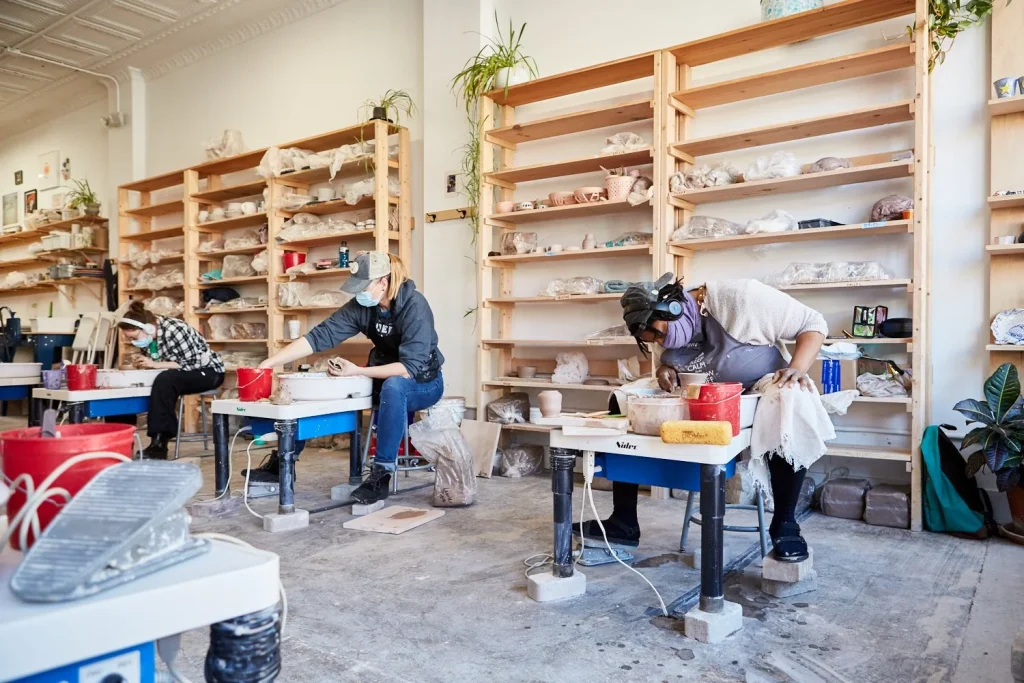
- Wheel Throwing: Although challenging for beginners, wheel throwing can be an exhilarating experience. It involves manipulating clay on a potter’s wheel, allowing for the creation of symmetrical pots and vessels. Even a few successful attempts can lead to immense satisfaction.
Once these foundational skills are acquired, beginner ceramists can begin layering techniques and experimenting with advanced approaches.
Advanced Techniques: Mastering the Craft
For those with a bit more experience, the world of ceramics expands into creative realms with possibilities that are as boundless as one’s imagination. Advanced users often seek to hone their skills and explore intricate methods such as:
- Sgraffito: This technique involves carving through a layer of colored slip to reveal a contrasting clay body underneath, allowing for stunning designs and patterns on the piece.
- Mishima: Mishima is an ancient Japanese technique where designs are inlaid with contrasting clay. This method requires precision and patience, resulting in exquisitely detailed pieces that showcase an artist’s dedication to craft.
- High-Fire Stoneware: Exploring high-fire stoneware broadens the range of glazes and firing techniques available to artists. This process can yield durable and aesthetically pleasing pieces that withstand the test of time.
- Raku Firing: Raku firing is a unique process that involves removing the pottery from the kiln while it’s still hot and placing it in combustible materials. This technique produces distinctive crackle patterns and vibrant colors, making it popular among advanced ceramists.
The journey through ceramics is not merely about mastering techniques but also about developing an understanding of materials and their interaction through different processes. Whether you’re shaping your first pinch pot or firing intricate porcelain, each step brings deeper insights and a chance to cultivate your artistic identity. This vibrant craft offers endless opportunities, inviting you to innovate and express your vision through clay.
The Art of Ceramics Techniques and Styles
When venturing into ceramics, understanding the diverse techniques and styles can significantly enhance your appreciation and skill. Both beginners and advanced users will find that exploring various methods not only enriches the creative process but also allows for personal expression.
Handbuilding Techniques
One of the most captivating aspects of ceramics is the handbuilding technique. This method is particularly popular among beginners because it requires minimal tools and equipment. By manipulating clay through methods such as pinch, coil, and slab construction, artists can create unique and personalized pieces. Each technique offers a different approach to forming shapes, encouraging creativity and experimentation. For instance, while pinch pots are great for quick and simple forms, coil building allows for more intricate designs, thereby advancing one’s skills progressively.
Wheel Throwing for Advanced Craftspersons
For the more experienced ceramicist, wheel throwing provides a thrilling challenge. This method involves shaping clay on a spinning wheel, allowing for the creation of symmetrical and refined vessels. Mastering wheel throwing can be a time-consuming process, but it is immensely rewarding. As users hone their skills, they can explore throwing techniques for functional pottery or artistic sculptures, paving the way for professional development in ceramics.
Glazing Styles
Glazing is another exciting area that encompasses both surface decoration and functional aspects of pottery. Beginners may find joy in exploring simple glazing techniques such as dipping or brushing, while advanced users might experiment with intricate layering or sculptural glaze applications. The choice of glaze can dramatically change the final appearance of a piece, inviting artists to consider color, texture, and finish thoughtfully.
Combining Techniques
Ultimately, combining various techniques can lead to the creation of innovative works. Integrating handbuilding with wheel throwing, or employing different glazing methods, encourages a more comprehensive understanding of the medium. By embracing a variety of approaches, ceramic artists can push their creative boundaries and discover new styles that reflect their personal journey in the art of ceramics.
| Category 1 | Category 2 |
|---|---|
| Handbuilding Techniques | Allows for creativity through pinch, coil, and slab methods. |
| Wheel Throwing | Creates symmetrical forms and allows for advanced sculpting. |
| Glazing Styles | Offers decorative versatility and functional beauty. |
| Combining Techniques | Encourages innovation and personal expression in creations. |
By delving into these various techniques and styles, artists at all levels can enhance their ceramic practice and express their individuality through their crafted pieces. Understanding these fundamental aspects lays the groundwork for further exploration and mastery in the world of ceramics.
EXPLORE MORE: Click here for exciting creative techniques
Exploring Styles in Ceramics
In addition to mastering techniques, understanding the diverse styles in ceramics is essential for any artist aiming to make their mark in this versatile field. Each style reflects cultural influences and personal interpretation, allowing ceramists to express their unique perspectives. A deep dive into ceramic styles can inspire both beginners and advanced users, pushing the boundaries of creativity.
Traditional Styles: Roots and Rich Heritage
Traditional ceramic styles often draw inspiration from cultural significance and historical customs. For beginners, familiarizing oneself with these styles can be both educational and creatively enriching. Here are a few notable examples:
- Chinese Porcelain: Renowned for its delicate beauty and intricate designs, Chinese porcelain has a long history dating back to the Tang and Song dynasties. Techniques such as underglaze painting, with cobalt blue pigments, are distinctive features of this style.
- Japanese Stoneware: Japanese ceramics, especially those used for tea ceremonies, emphasize form and function. Traditional methods like *Mizusashi* (water jars) and *Chawan* (tea bowls) are created with natural materials and often feature rustic glazes, appreciating authenticity and imperfection.
- Mexican Talavera: This colorful ceramic style hails from Puebla, Mexico, known for its bold colors and elaborate designs. Talavera ceramic pieces are often adorned with floral patterns, making them vibrant focal points in any setting.
Understanding these traditional styles can lay a strong foundation and context for budding ceramists as they begin to define their own artistic identities.
Contemporary Styles: A Catalyst for Innovation
On the other hand, contemporary ceramics have embraced a more experimental approach. Advanced ceramists often push the boundaries of technique and form, as evidenced in these modern styles:
- Abstract Sculptures: Many contemporary artists utilize ceramics to create abstract sculptures that challenge traditional perceptions of form and function. This style often incorporates mixed media, inviting unexpected combinations of textures and materials.
- Minimalism: The minimalist trend emphasizes simplicity, often resulting in sleek lines and monochromatic glazes. This style aims for purity in design, where every element serves a specific purpose, allowing the beauty of the clay to dominate.
- Functional Art: Artists have increasingly integrated art into everyday items, creating pieces that are visually striking, yet functional. From striking dinnerware to unique planters, this style celebrates both aesthetics and utility.
By experimenting with contemporary styles, ceramists can find their voice among diverse influences while contributing to the evolving narrative of the craft. The blend of traditional and modern techniques offers vast creative opportunities for those eager to express themselves through ceramics.
With every technique and style explored, the true beauty of ceramics lies in its ability to evolve while paying homage to its rich history. Whether crafting a simple mug or an elaborate sculpture, ceramists engage in a dialogue that bridges the past and the present, inviting all to be part of this timeless art form.
DISCOVER MORE: Click here to start your creative journey
Conclusion: Embracing the Journey of Ceramics
The allure of ceramics lies in its intricacies, from the tactile nature of clay to the myriad of techniques that breathe life into raw materials. Whether you are a beginner embarking on this artistic journey or an advanced user seeking to deepen your mastery, the exploration of both traditional and contemporary styles has the potential to elevate your creative expression. Understanding the rich history behind styles like Chinese porcelain and Mexican Talavera not only grounds your work in cultural significance but also fosters a greater appreciation for the craft.
As you navigate through diverse techniques—from the precise art of wheel-throwing to the spontaneous beauty of hand-building—you engage in a dialogue with both historical practices and modern innovations. This harmonious blend allows for endless possibilities as each piece you create becomes a reflection of your unique vision. Embracing experimental practices, such as abstract sculptures or minimalist designs, can inspire you to challenge norms and redefine functionality in art.
Ultimately, the art of ceramics invites you to push boundaries, discover new potentials, and cultivate a lasting relationship with this timeless medium. Whether crafting a humble pot or an expansive installation, remember that each creation carries a story—yours. As you delve deeper into this captivating realm, united by shared passion and creativity, you will find that the journey itself is as fulfilling as the final artwork.