The Art of Upcycling: Transforming Reusable Materials into Creative Crafts
The Impact of Upcycling on Sustainability
As the global community grows increasingly aware of the necessity for sustainable practices, the concept of upcycling has gained significant traction. Upcycling allows individuals to reinvent discarded items, transforming them into innovative, functional, or artistic creations. This movement not only reduces waste but also encourages a paradigm shift in how we perceive consumption and creativity. In this way, upcycling emerges as both a personal and communal effort toward environmental stewardship.
Diverse Materials for Upcycling
Upcycling encompasses an extensive range of materials, limited only by one’s creativity and imagination. For instance:
- Old furniture: Imagine turning a weathered dresser into a stylish bookshelf by removing a few drawers and repainting it with a fresh, vibrant hue. This not only gives the furniture a new life but adds character to any room.
- Glass jars: Instead of discarding that old spaghetti sauce jar, consider its potential as a chic storage container for your kitchen utensils or an eye-catching decorative piece adorned with twine and seasonal flowers.
- Textiles: Worn-out denim jeans can be skillfully transformed into a trendy tote bag or fashionable cushion covers, merging practicality and style in a single project.
The Creative Possibilities of Upcycling
The art of upcycling not only promotes sustainability but also invigorates your creative skills. It fosters adaptability, encouraging individuals to see potential where others see waste. Engaging in upcycling can lead to a multitude of benefits:
- Cost Savings: By reimagining items you already possess, you can drastically reduce your expenses. Instead of purchasing new furniture or home décor, refashioning what you have can save money while also yielding unique, personalized results.
- Personal Expression: Every upcycled project is an extension of your personal style and vision. Whether you prefer a rustic aesthetic or a modern minimalist approach, each piece reflects your individuality.
- Community Engagement: Many communities offer workshops focused on upcycling techniques. These gatherings not only provide learning opportunities but also a chance for social interaction, allowing participants to share ideas, resources, and inspiration.
Conclusion
In conclusion, the practice of upcycling embodies a powerful blend of creativity and sustainability. From simple projects that transform everyday objects to complex endeavors that reimagine entire pieces of furniture, there is a wealth of possibilities waiting to be explored. As you embark on your upcycling journey, remember that each creation contributes to a healthier planet while allowing you to express your distinct personality. Let the journey not just be about recycling materials, but about redefining their purpose in your life and community.
DISCOVER MORE: Click here to learn about the benefits of storytelling in mental health
Unlocking Creativity Through Upcycling
The art of upcycling is not merely a trend; it is a transformative approach that reinvigorates our connection with the materials around us. It encourages a mindset shift, inviting individuals to envision new possibilities for items typically discarded. This shift is evident in the numerous innovative projects that can emerge from everyday materials, ultimately fostering a culture of resourcefulness and creativity.
The Foundations of Upcycling
At its core, upcycling is driven by the desire to enhance the value of used items without the need for excessive processing or energy consumption. Each project begins with a simple concept: taking something that no longer serves its original purpose and reinventing it into something unique and usable. This ethos resonates particularly in a world clamoring for sustainable solutions, where the need to reduce waste and protect the environment is more pressing than ever.
As individuals embark on their upcycling journeys, they often uncover a wealth of potential in materials they previously overlooked. Here are a few inspiring examples:
- Plastic Bottles: Instead of tossing those endless plastic bottles into the recycling bin, consider converting them into easy-to-make plant hangers or colorful garden markers. This not only helps to reduce plastic waste but also adds an enchanting aesthetic to your outdoor space.
- Pallets: Wooden pallets can easily be transformed into trendy outdoor furniture, such as benches or tables, by simply sanding them down and applying a coat of paint or varnish. This reinvention not only showcases craftsmanship but also supports eco-friendly practices.
- Magazines and Newspapers: Old publications can find new life as upcycled home décor alongside projects like decoupage or paper mâché crafts. By layering them into new creations, they take on a fresh identity while preserving their stories.
The Environmental Benefits of Upcycling
The benefits of upcycling extend far beyond individual craft projects. By choosing to upcycle, individuals contribute to a larger communal effort aimed at reducing landfill waste and conserving resources. Materials that might have been discarded can find renewed purpose, thus helping to diminish the overall environmental impact of consumerism.
Moreover, upcycling fosters a sense of responsibility towards our planet. Each creation embodies the user’s commitment to sustainability, inspiring others in the community to rethink their consumption patterns. This ripple effect—where a single project can motivate a network of others—highlights the profound impact that creative crafts can have on society as a whole.
In a landscape where eco-consciousness is more relevant than ever, upcycling emerges not just as a hobby, but as a vital practice that blends sustainability with artistry. It’s an invitation to reimagine everyday objects, urging us to reconsider what it means to be a consumer in a rapidly changing world.
| Upcycling Benefits | Creative Craft Ideas |
|---|---|
| Environmental Impact | Transforming waste reduces landfill contributions. |
| Personalization | Custom crafts add unique flair to your home. |
| Cost-Effective | Creating art from materials you already have saves money. |
| Skill Development | Enhances creative skills and promotes innovative thinking. |
In addition to these compelling benefits, upcycling presents a wealth of opportunities for creative expression through crafting. Imagine turning old glass jars into decorative lanterns or transforming worn-out clothing into stylish tote bags. The possibilities are endless and encourage individuals to let their imaginations soar. With every upcycled item, you not only contribute to sustainability but also cultivate a sense of accomplishment. This art form fosters an appreciation for the versatility of everyday materials, urging crafters to explore beyond conventional uses. By diving into upcycling, you become part of a movement that embraces creativity while prioritizing the environment. Thus, every project you undertake not only breathes life back into materials that would otherwise be discarded but also paves the way for innovative and beautiful creations.
DISCOVER MORE: Click here for inspiring techniques
Exploring Innovative Upcycling Techniques
With a wealth of inspiration available at our fingertips, the techniques of upcycling offer a vast canvas for creativity. As individuals dive deeper into this world of making, they often discover that the limitations are only bound by their imagination. From textile arts to furniture restoration, the spectrum of upcycling techniques ensures that there’s something for everyone.
Textiles and Fashion Upcycling
The fashion industry is one of the largest polluters globally, prompting many to seek alternatives that lessen their environmental impact. Upcycling textiles not only reduces waste but also allows for the creation of one-of-a-kind garments. Using worn-out clothing or fabric scraps, enthusiasts can create new outfits, accessories, or even home textiles, often right from their own closets.
One innovative approach is the transformation of denim, a fabric commonly discarded or left to wither in closets. Consider cutting old jeans into patches, which can then be sewn onto bags or blankets, creating a visually striking collage. This practice not only elevates the fashion statement but also speaks to a growing trend where individuality and sustainability coexist. Alternatively, tie-dying can breathe new life into faded t-shirts, turning them into fashionable and unique pieces.
Creative Uses for Glass and Metal Containers
Glass jars and metal tins are often overlooked, yet these materials can serve as adaptable bases for several creative crafts. From candle holders to terrariums, the possibilities are endless. An example is the trend of creating upcycled lanterns using glass jars. With minimal tools and materials, individuals can transform a simple jar into a whimsical light source by adding fairy lights or tea candles. This approach not only provides functional illumination but also adds a charming ambiance to any space.
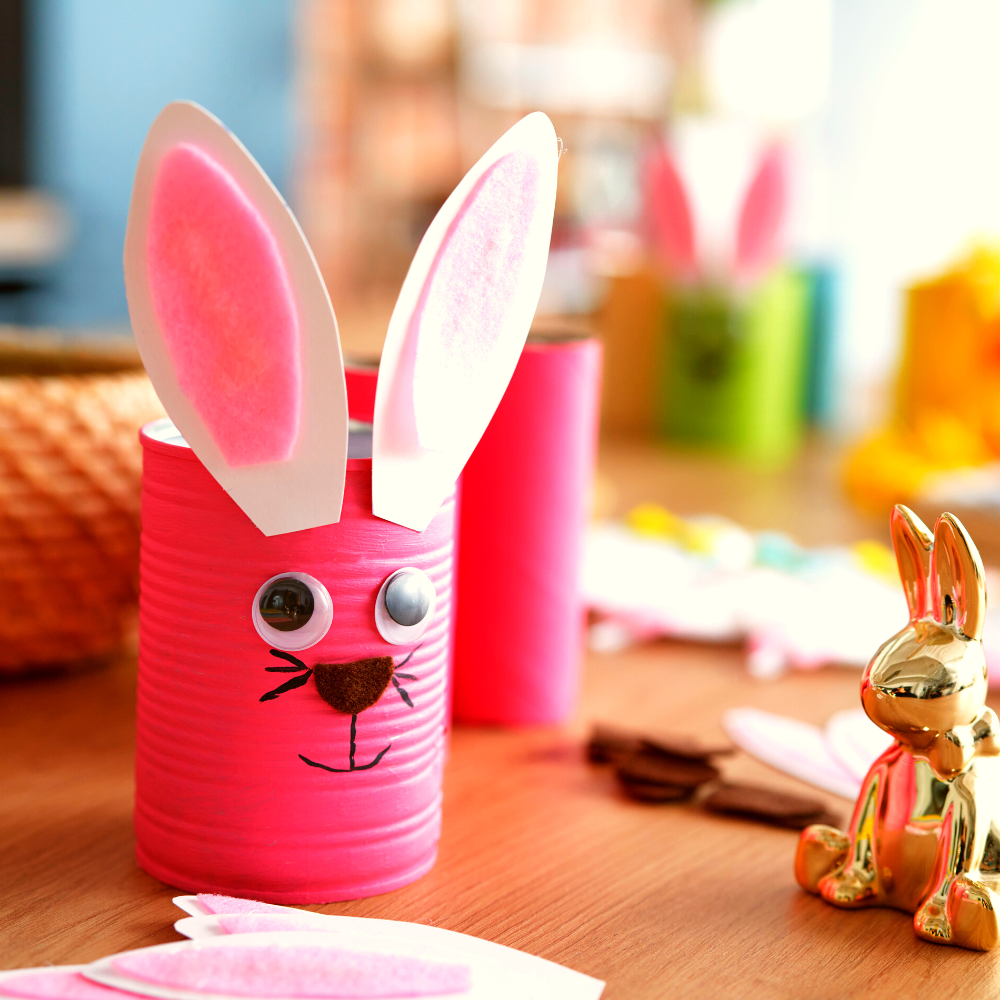
Metal cans, on the other hand, can be repurposed as plant pots or pencil holders. By cleaning and decorating them with paint, fabric, or decorative paper, they can become beautiful components of your home or office decor. Incorporating a rustic or vintage design scheme can surface a unique aesthetic that marries creativity with sustainability.
Engaging the Community: Workshops and Events
The community aspect of upcycling is an often-overlooked benefit that encourages collective creativity. Many communities across the United States are hosting upcycling workshops and events, where individuals gather to share ideas, techniques, and resources. These events not only foster collaboration but also enhance awareness about sustainability practices. Local craft shops, community centers, and even online platforms are offering classes ranging from basic sewing to advanced furniture restoration.
Moreover, social media platforms have become a vital tool in spreading the upcycling movement. Instagram and Pinterest are brimming with tutorials and DIY projects that inspire users to embark on their upcycling journeys. Following popular hashtags such as #Upcycling, #CreativeReuse, or #DIYProjects can help budding crafters connect with like-minded individuals and learn from their shared experiences.
Engaging with local art initiatives dedicated to upcycling, such as community art spaces, can also spark inspiration while encouraging residents to appreciate the value of their discarded items. By participating in public art projects focusing on upcycling, individuals can contribute to larger visual statements while activating conversations around sustainability and resourcefulness.
Through innovative techniques and community engagement, upcycling morphs from a mere craft into a lifestyle choice. As more individuals begin to explore the art of transforming reusable materials into extraordinary crafts, they ensure that sustainability remains at the forefront of creativity.
DIVE DEEPER: Click here to discover more about mastering musical creativity
Conclusion: Embracing Upcycling as a Creative Lifestyle
In a world increasingly aware of its environmental footprint, the art of upcycling emerges as a beacon of creativity and sustainability. This transformative practice invites individuals to rethink the potential of discarded materials, granting new life to what was once deemed waste. By exploring innovative techniques, whether through fashion, home decor, or community engagements, crafters are not only enhancing their personal spaces but are also making a significant statement about the need for responsible consumption.
The journey into upcycling is also a gateway to community engagement, where shared experiences and collective creativity flourish through workshops and events. These interactions strengthen communal bonds and spread the awareness that sustainability is not merely a solitary endeavor but a collective responsibility. As the upcycling movement continues to gain momentum, new avenues for exploration and creativity will undoubtedly arise, encouraging even the casual crafter to delve deeper into their artistic potential.
With abundant resources readily available online and within local communities, there has never been a more accessible time to engage with upcycling. From reconnecting with the tactile nature of handmade crafts to embracing thoughtful and sustainable living, each project serves as a reminder that in creativity lies not just the act of making, but a chance to significantly impact our world. As we embrace upcycling, we pave the way for a brighter, more resourceful future, one creative craft at a time. The only limit is our imagination—so let’s start transforming today!