The Connection Between Artistic Exploration and Mindfulness Practices in Creative Hobbies
The Intersection of Creativity and Mindfulness: A Transformative Journey
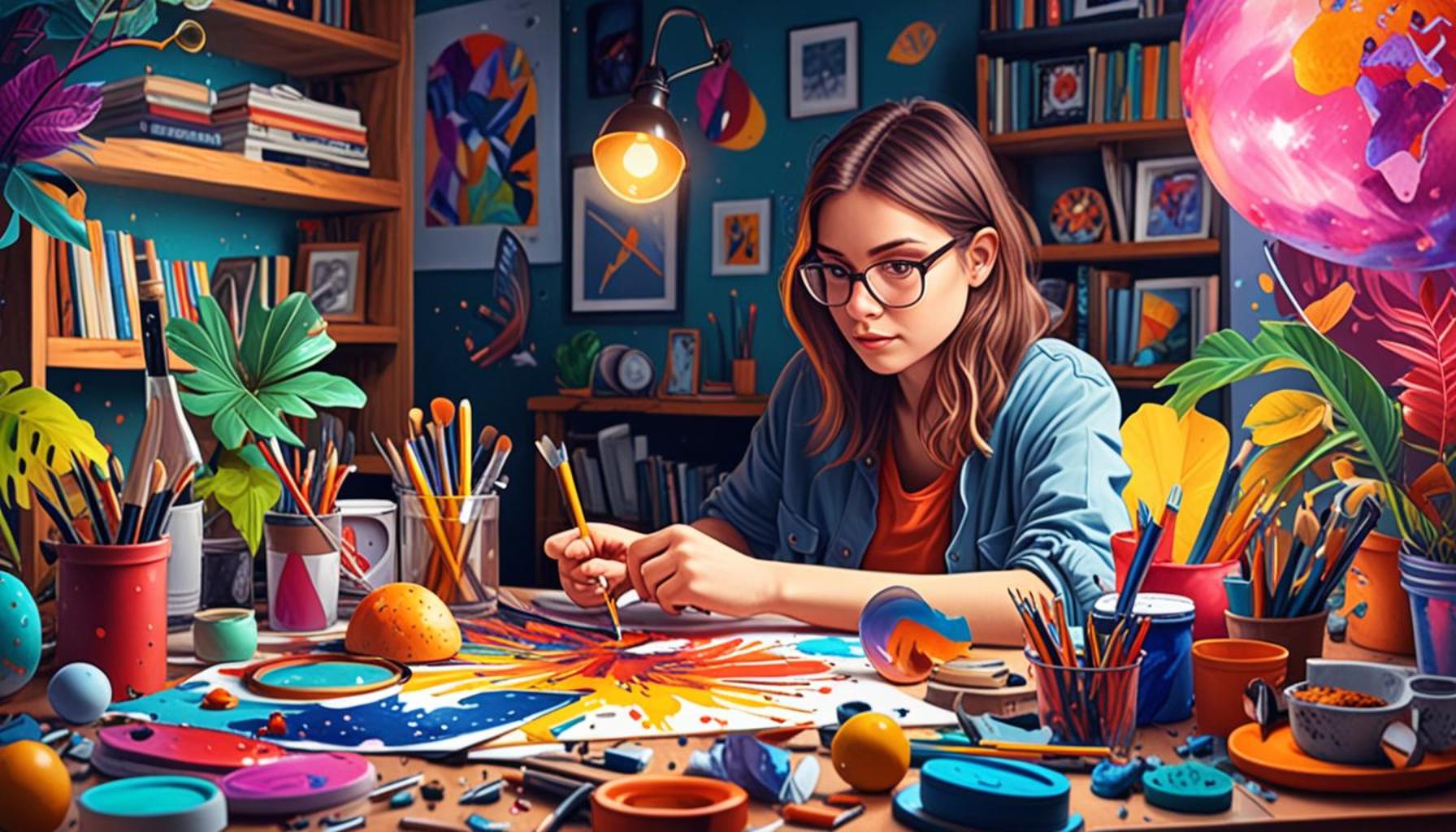
Artistic exploration and mindfulness merge to create an enriching experience, offering individuals a deeper engagement with their surroundings while igniting their imagination. Participating in creative hobbies such as painting, writing poetry, or playing musical instruments encourages not just a form of artistic expression but also nurtures an acute awareness of the present moment. This dual engagement can pave the way for holistic personal development.
The Therapeutic Benefits of Creativity and Mindfulness
Numerous studies support the mental health benefits derived from the communion of these two practices, showcasing a variety of psychological advantages:
- Stress Reduction: Engaging in artistic activities can significantly lower stress levels through the focus and engagement they require. For instance, painting can create a meditative state, allowing individuals to channel their anxiety into art and, thus, experience a profound sense of calm.
- Enhanced Focus: Mindfulness cultivates a sense of concentration, inherently improving the quality of creative output. For example, writers who practice mindfulness may find themselves better able to immerse in their stories, leading to more coherent and impactful narratives.
- Emotional Release: Creative hobbies provide a healthy outlet for expressing complex emotions. Engaging in activities like journaling or music composition can serve as a therapeutic means to process feelings such as grief or joy, which are often challenging to articulate.
Community and Individual Practices
Across the United States, a growing number of individuals are embracing these practices, viewing them as not only therapeutic but also pathways toward self-discovery. Community art classes, for instance, are popping up in urban areas, providing spaces where people can connect and explore their creativity together. Alternatively, individuals might engage in solo activities like journaling under the autumn leaves or playing guitar during sunset, creating personal rituals that foster mindfulness.
A Pathway to Personal Growth
By understanding the intricate relationship between artistic exploration and mindfulness practices, individuals can unlock new routes for personal growth and cultivat a sense of inner peace. Workshops that blend elements of art therapy with mindfulness techniques demonstrate this synergy effectively; participants learn to navigate their emotional landscapes while creating. This potent combination not only enhances creativity but also facilitates a transformative journey towards self-awareness.
As we continue to delve deeper into this fascinating interplay between creativity and mindfulness, it becomes increasingly evident that these practices offer much more than mere hobbies. They represent tools for enhancing our lives, inviting us to explore new dimensions of personal insight and emotional resilience.
DISCOVER MORE: Click here to learn about storytelling’s therapeutic benefits
The Healing Properties of Creative Expression
The fusion of artistic exploration and mindfulness practices has emerged as a powerful conduit for healing and self-expression. As individuals immerse themselves in creative hobbies, they inadvertently cultivate mindfulness—not just as an ancillary benefit, but as a core element of the artistic process. This natural synergy enhances the therapeutic aspects of creativity, allowing people to connect with themselves on a deeper level.
Unlocking Mental Clarity Through Creative Endeavors
When individuals engage in creative activities, they often enter a state known as “flow,” characterized by complete focus and immersion. Research indicates that this state can lead to profound mental clarity, enabling artists, writers, and musicians to tap into their inner selves. Activities such as painting or pottery allow practitioners to momentarily silence the noise of daily life, leading to a heightened sense of awareness and presence. This, in turn, can manifest in various benefits, including:
- Thinking Outside the Box: Engaging in art can foster innovative thought as individuals learn to approach problems from new perspectives. For instance, a designer playing with colors and textures may envision solutions to challenges that felt insurmountable before.
- Cognitive Flexibility: Artistic hobbies often require adaptability—whether it’s changing a sculpture’s direction or rewriting a story. This adaptability translates into better problem-solving skills in real-life situations.
- Frequency of Positive Emotions: Creating art can amplify feelings of happiness and satisfaction. Writers may feel joy after completing a heartfelt poem, while musicians may find solace in composing a soothing melody. This boost in positive emotions is crucial for maintaining mental health.
Mindfulness in the Art-making Process
Incorporating mindfulness techniques into artistic exploration can further enhance the experience. Practices such as deep breathing, intentional observation, and self-compassion can transform how creators engage with their work. For example, a mindful painter might begin each session by closing their eyes and centering their thoughts, while a poet could practice free writing, allowing their emotions to flow without judgment. These techniques encourage authenticity in the creative process, breaking down barriers that often stifle self-expression.
Educational institutions in the United States have begun to recognize the importance of integrating mindfulness into the curricula for the arts. Schools and community organizations now offer programs that meld creativity with mindfulness exercises, promoting emotional wellbeing among participants. Such initiatives contribute to a growing understanding of how artistic exploration can serve as a pathway to developing mindfulness practices in everyday life.
By embracing the intimate relationship between creativity and mindfulness, individuals are provided with a roadmap to navigate their emotional landscapes and nurture their overall wellbeing. As we further explore the benefits of these practices, we observe that the combination does not merely enhance the creative endeavor; it offers a transformative process that enriches our lives and fosters genuine personal growth.
The Connection Between Artistic Exploration and Mindfulness Practices in Creative Hobbies
Artistic exploration is not merely about creating visually appealing pieces; it serves as a powerful facilitator of mindfulness. When individuals engage in creative hobbies, such as painting, writing, or crafting, they often find themselves immersed in a flow state. This heightened focus can lead to a profound sense of presence in the moment, making artistic expression a natural partner to mindfulness practices.Engaging in creative activities has been shown to alleviate stress and promote emotional well-being. This is particularly relevant in today’s fast-paced world, where distractions abound and mental clutter can overshadow our peace of mind. By channeling energy into artistic endeavors, one can cultivate a transformative space, fostering awareness and emotional regulation.Another crucial aspect is the sensory engagement involved in creative hobbies. The colors, textures, and sounds experienced during artistic creation can ground individuals, reinforcing their connection with the present. For instance, experimenting with different paintbrush techniques or the rhythm of writing can anchor the mind, pulling attention away from racing thoughts.But the benefits do not stop at improved focus and stress reduction. Artistic endeavors also cultivate self-expression, empowering individuals to explore thoughts and feelings that might otherwise remain unexpressed. This self-discovery process aligns seamlessly with mindfulness techniques, as both encourage introspection and authenticity.To delve deeper into how these two practices interlink, consider the various creative hobbies available today – each offers its unique approach to blending artistic exploration with mindfulness practices. Whether through the meditative act of pottery or the expressive freedom found in dance, the connection between creativity and mindfulness opens up pathways for individual growth, healing, and understanding. Now, let’s take a closer look at the documented advantages of blending these practices through the table below.
| Advantage | Description |
|---|---|
| Enhanced Focus | Artistic engagement promotes deep concentration, helping one to remain present. |
| Stress Relief | Creative practices can serve as outlets for processing emotions and reducing anxiety. |
| Self-Expression | Art provides a voice for feelings and thoughts that may be hard to articulate. |
| Sensory Engagement | Creative activities stimulate the senses, grounding one in the current moment. |
DISCOVER MORE: Click here to explore innovative design tools
The Role of Community in Fostering Mindful Artistic Expression
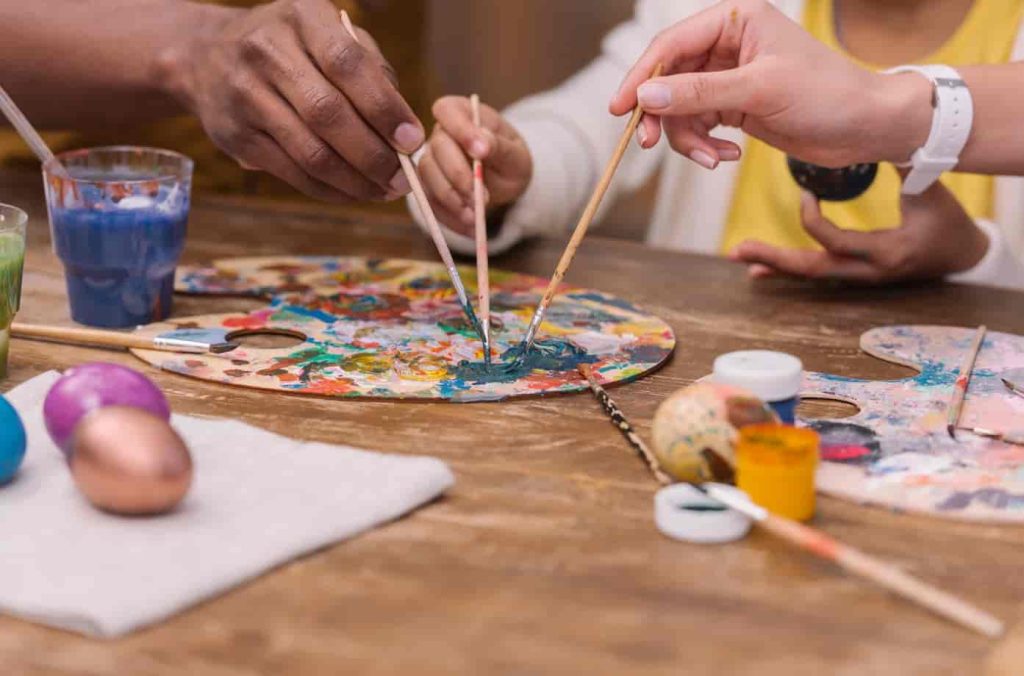
As the intersection of artistic exploration and mindfulness practices gains traction, the role of community in these practices cannot be overstated. Collective environments serve as fertile grounds for creativity, amplifying the benefits derived from both art-making and mindfulness. Community workshops, art therapy groups, and collaborative projects provide individuals the opportunity to share experiences, cultivate connections, and enhance their engagement in these practices.
Building Connections Through Shared Experiences
Participating in community art projects often invites individuals to achieve a sense of belonging, which is essential for emotional health. The very act of creating in a group setting can foster open dialogue about personal experiences and challenges. When artists share their creative processes openly, they often find that others resonate with their narratives—whether through a shared moment of frustration during a painting session or the joy of completing a collaborative mural. Such transparency promotes a culture of mindfulness where individuals practice empathy not only towards themselves but also towards their peers.
- Strengthening Social Bonds: Art has always had the power to bridge gaps between diverse groups. In community centers across the U.S., local artists often lead classes that are inclusive to all ages and backgrounds. This inclusivity encourages the sharing of various perspectives, enhancing creative expression while nurturing mindfulness through community support.
- Increased Inspiration: When individuals collaborate or simply observe fellow artists at work, they can draw inspiration from one another’s techniques and emotions. Attending a sculpture workshop at a community space may ignite a participant’s desire to explore an entirely new medium they had not considered before, fostering both skill enhancement and mindful engagement.
- Accountability and Motivation: Being part of a creative community can provide a sense of accountability. Artists committed to frequent gatherings or exhibitions can boost motivation and keep each other engaged in their practice. This shared enthusiasm can transform individual journeys of artistic exploration into collaborative adventures enriched by mindfulness.
The Therapeutic Impact of Group Mindfulness Practices
Moreover, integrating group mindfulness practices into artistic endeavors multiplies the benefits associated with each. Activities such as group meditation before an art session or shared mindful breathing exercises can be transformative. Participants report feeling more centered, focused, and connected to their creative work. Research indicates that consistent participation in these collective practices can significantly reduce stress levels and improve overall mental well-being.
In various U.S. cities, initiatives are emerging to fuse these two worlds. For example, “art and mindfulness” workshops have become popular in urban community spaces, where instructors lead participants through guided meditation on creativity, followed by hands-on artistic activities. Feedback shows that participants appreciate these integrated experiences, often expressing enhanced emotional regulation and creativity. Findings indicate that a community-focused approach to creativity can facilitate deeper mindfulness practices, providing individuals with tools necessary for everyday challenges.
Ultimately, the combination of artistic exploration and mindfulness practices within community settings creates pathways for personal growth, healing, and connection. These shared experiences encourage individuals not only to express themselves artistically but also to explore the depths of their emotional selves, fostering a holistic approach to well-being and creativity.
DISCOVER MORE: Click here to dive deeper
Conclusion: Embracing the Harmony of Art and Mindfulness
The profound connection between artistic exploration and mindfulness practices highlights how creative hobbies transcend mere self-expression to become vital tools for emotional well-being and personal development. As we’ve explored, engaging in artistic activities within community settings not only fosters creativity but also cultivates a sense of belonging, empathy, and shared experience. The intertwined nature of these practices encourages individuals to embrace their artistry as a form of mindfulness, where every brushstroke, note, or sculpted piece becomes an act of conscious presence.
Furthermore, the therapeutic benefits of integrating mindfulness into artistic endeavors cannot be overlooked. From group meditations that ground participants to collaborative projects that motivate and inspire, these practices serve as mechanisms for stress relief and emotional healing. In cities nationwide, the rise of initiatives merging art and mindfulness is testament to this growing awareness, providing accessible pathways for individuals to navigate life’s complexities through creativity.
As we move forward, it is crucial for individuals, educators, and mental health practitioners to recognize and harness the synergistic relationship between artistic exploration and mindfulness. Encouraging greater access to these practices can unleash the potential within communities, transforming lives through the art of mindfulness. By embracing this dual approach, we not only enrich our own lives but also foster a more compassionate and connected society, where creativity serves as a bridge to deeper understanding and well-being.