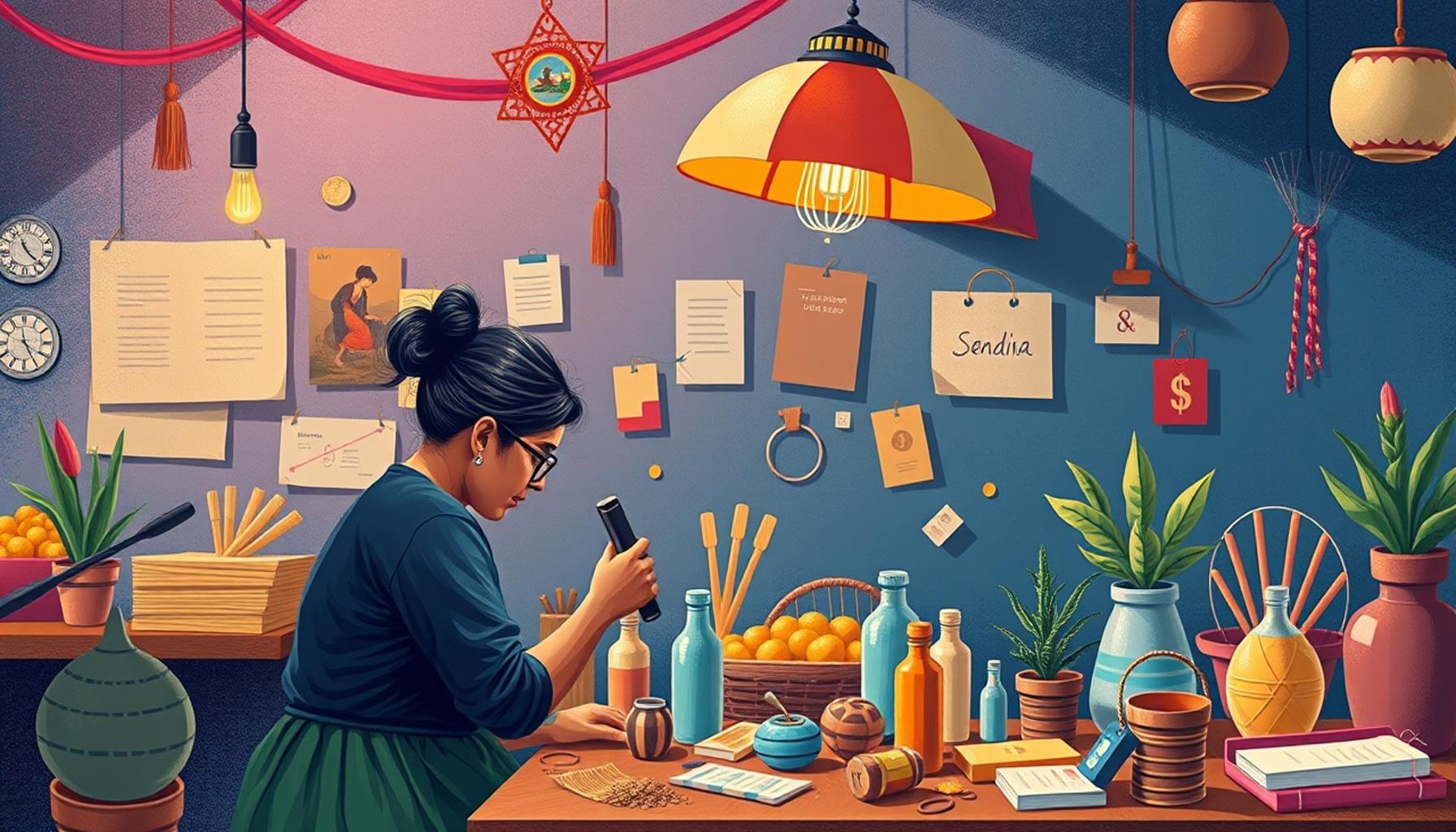
The Evolution of Artistic Handicrafts: Traditions and Innovations
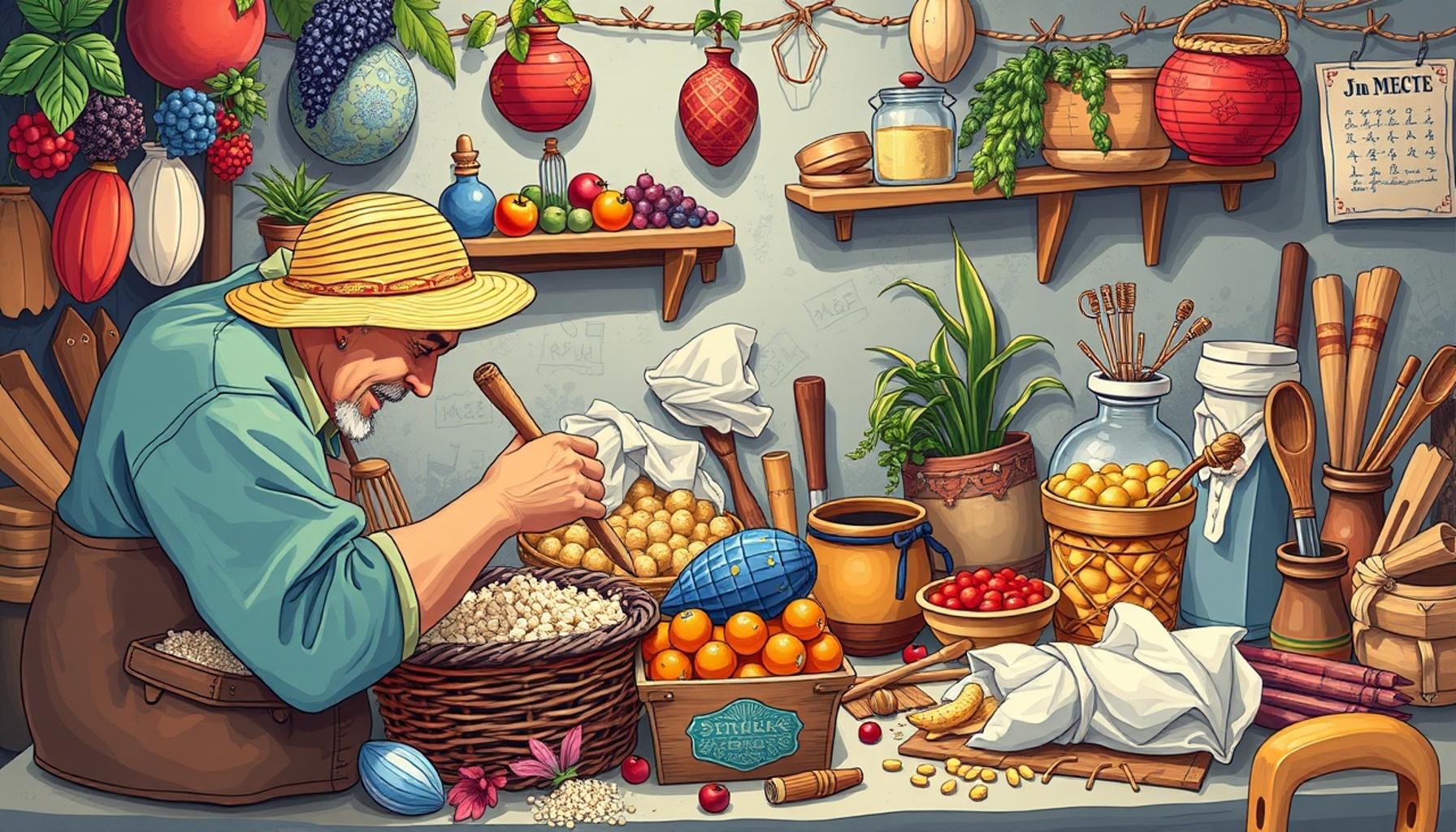
Exploring the Rich Landscape of Artistic Handicrafts
The realm of artistic handicrafts serves as a vibrant reflection of the cultural identity and historical narratives of various societies. Every region, from the intricate ceramic works of Indigenous American artisans to the colorful quilts of the Appalachian mountains, presents unique craftsmanship that embodies the stories and traditions passed down through generations. Each handcrafted item carries with it a rich tapestry of heritage, showcasing not only the technical skills of the artisans but also their cultural values and beliefs.
As we traverse through the evolution of handicrafts in recent years, it becomes evident that these traditional forms of art are undergoing significant transformation. The contemporary landscape of handicrafts is defined by trends that balance honoring age-old methods with embracing the advancements of modern technology. Here are some key trends shaping the future of artistic handicrafts:
- Fusion of Techniques: Numerous artists are currently experimenting by merging traditional crafting techniques with contemporary technologies. For instance, a potter might incorporate 3D-printed elements into their hand-thrown pottery, creating unique pieces that marry the old and the new. This fusion allows for greater creativity and innovation while respecting the foundational skills that define the craft.
- Sustainable Practices: In an era where environmental consciousness is increasingly vital, artisans are shifting towards sustainable methodologies. The use of eco-friendly materials such as organic dyes for textiles or recycled materials in sculpture not only reduces waste but also tells a compelling story about the artisans’ commitment to preserving the planet. This shift has gained momentum among consumers who are seeking products that align with their values of sustainability.
- Digital Artistry: The advent of digital tools has opened up new avenues for artists in the realm of handicrafts. Digital crafting software and online marketplaces enable artists to design, create, and market their work in ways that were previously unimaginable. For example, an artist can use graphic software to create intricate designs that can then be transferred to fabric or paper, allowing for mass production without losing the essence of handcrafted items.
Examining the impact of these trends reveals much about the artisans themselves and the broader marketplace. While the essence of handicrafts remains intact, there is a noticeable evolution in how these creations are perceived and valued. Artisans are not only preserving their unique identities but also adapting their works to resonate with contemporary audiences.
This exploration of artistic handicrafts invites readers to appreciate the delicate equilibrium between legacy and innovation. As we navigate through the layers of meaning within these exquisite creations, we gain insight into the significant stories they tell—stories of culture, resilience, and the human spirit. Join us on this journey to uncover the intricate world of handicrafts, a timeless testament to the creativity and diversity of human expression.
Traditions in Artistic Handicrafts: A Historical Perspective
The world of artistic handicrafts is deeply rooted in cultural traditions, with each piece serving as a testament to the rich history of a community. From Native American beadwork that symbolizes stories and tribal affiliations to the hand-woven tapestries of the Navajo, each artisan has inherited techniques that date back centuries. These traditions do not merely represent the aesthetic preferences of their creators; they encapsulate the social, political, and spiritual narratives that shaped the communities they originate from.
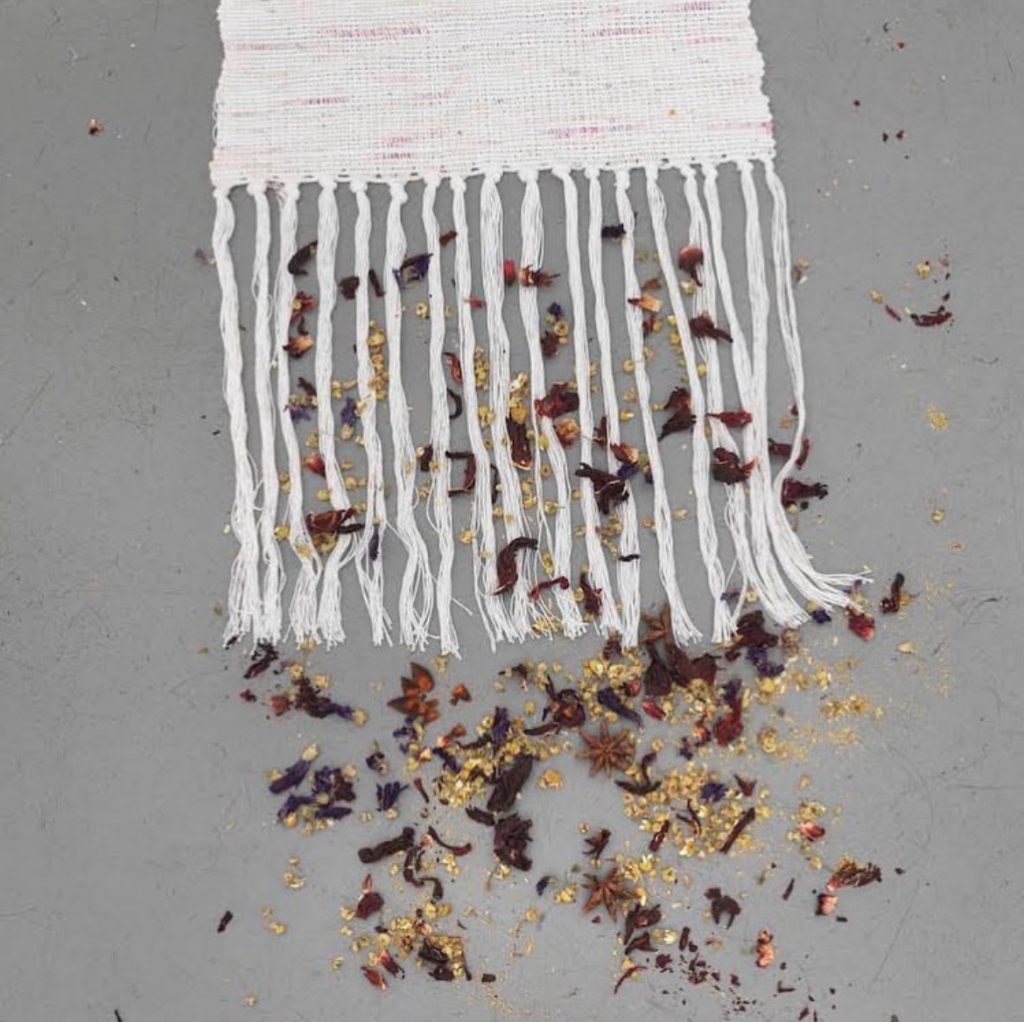
The evolution of these handicrafts is often intertwined with the broader historical events that influence societal change. The industrial revolution, for instance, marked a significant turning point, leading to a shift away from handcrafted goods to mass production. This transformation posed a challenge to artisans who aimed to preserve the integrity of their craft in a world increasingly dominated by machinery. However, the struggle to maintain traditional methods and the craftsmanship rooted in personal touch has fueled a renaissance among makers seeking to reconnect with their heritage in recent years.
Preservation of Craftsmanship
Efforts to preserve traditional handicrafts have spurred initiatives across the United States, with various organizations dedicated to reviving and promoting these art forms. Programs that offer apprenticeships and workshops are vital in ensuring that artisanal techniques are passed on to the next generation. By learning from master artisans, younger creatives can gain invaluable insights into the meticulous methods that characterize these crafts. Notable examples include:
- The American Craft Council: This organization plays a crucial role in nurturing traditional crafting techniques through exhibitions, educational programs, and community events.
- Local Artisans Collectives: Many regions are home to collectives that emphasize the importance of preserving local crafts, fostering collaborations among artisans to showcase and sell their work.
- Cultural Festivals: Events like the Smithsonian Craft Show in Washington, D.C., bring together artisans from various backgrounds, providing a platform to share their crafts while highlighting cultural significance.
These initiatives underscore the significance of preserving traditional handicrafts as a means to maintain cultural continuity. The workshops and events facilitate dialogues about the history of each craft and its relevance in contemporary society, inviting consumers to appreciate the stories woven into each piece.
The Impact of Globalization
Alongside preservation efforts, globalization has significantly reshaped the landscape of artistic handicrafts. The accessibility of materials from around the globe has allowed artisans to experiment with new influences and techniques. This cross-pollination of ideas often leads to innovative designs that blend traditional aesthetics with modern sensibilities. As traditional crafts travel beyond their geographic boundaries, they stand as symbols of cultural exchange, challenging the notion of authenticity and ownership.
In this evolving landscape, it is essential to recognize that while traditional craftsmanship is being redefined, the core values are being reimagined rather than diminished. The dialogue between tradition and innovation continues to inspire artisans, inviting them to explore new techniques while cherishing their cultural roots.
The Evolution of Artistic Handicrafts: Traditions and Innovations
The realm of artistic handicrafts has long been a tapestry woven from cultural threads, merging ancient traditions with contemporary innovations. As we explore this dynamic evolution, it becomes clear how artisanal methods adapt and thrive in modern contexts. Handicrafts reflect not only the skill of the craftsmen but also the cultural heritage of a community, echoing the values and stories passed through generations. In our current fast-paced world, the fusion of technology with traditional techniques has given birth to a new wave of creativity, often referred to as contemporary craftsmanship.
Digital tools are now empowering artisans to push the boundaries of their creativity. The integration of 3D printing for sculpting intricate designs and the use of laser cutting for precision are modern marks that breathe new life into age-old practices. Such innovations enable artisans to create unique pieces that resonate with both local and global consumers, enhancing the appeal of handmade goods.
Equally important is the rise of sustainable practices within the handicraft sector. Artisans are increasingly recognizing the need for eco-friendly materials and processes, often reclaiming resources to minimize waste. This not only honors the traditions of resourcefulness but also attracts a conscientious consumer base that values sustainability, making the narrative of handicrafts even more compelling.
| Advantage | Description |
|---|---|
| Cultural Heritage | Preservation of traditional techniques that represent cultural identity. |
| Innovation | Use of modern technology to enhance craftsmanship and creativity. |
As we delve deeper into the narrative of artistic handicrafts, we see how each piece created is a reflection of both the past and the future, signifying the resilience of human creativity. The journey of these crafts embodies an ongoing dialogue between tradition and modernity, an evolution worth exploring further.
Modern Innovations in Artistic Handicrafts
In the current era, the intersection of technology and craftsmanship has given rise to innovative practices within artistic handicrafts. Artisans today are leveraging advances such as 3D printing, digital design, and sustainable materials to push the boundaries of creativity while honoring traditional methods. This fusion of modern technology with age-old techniques not only enhances the artistic possibilities but also addresses contemporary issues such as environmental sustainability.
The Role of Technology
The introduction of digital tools has revolutionized how artisans approach their craft. For instance, 3D printing offers the ability to create intricate designs that would be nearly impossible to replicate by hand. This technology enables artisans to experiment with new forms while retaining a unique handmade aesthetic. Notably, artists such as Marina Zurkow have embraced these technologies to create immersive installations that challenge perceptions of craft and art.
Moreover, digital platforms have enhanced the visibility and reach of artisanal products. Social media outlets and e-commerce websites allow artisans to share their work with a global audience, creating new markets for traditional crafts. This exposure not only provides financial opportunities but also fosters a community of like-minded creators from around the world who inspire each other through shared knowledge and innovation.
Sustainable Practices in Handicrafts
As consumers increasingly demand transparency and sustainability, many artisans are integrating eco-friendly materials into their work. The movement towards sustainability translates into sourcing responsibly, advocating for organic processes, and utilizing recycled materials. An example includes makers using natural dyes derived from plants and minerals, which not only enhance the beauty of textiles but also minimize environmental impact.
Artisan groups, such as the Global Organic Textile Standard, promote practices that encourage artisans to adhere to sustainable principles. This ensures that creations not only reflect cultural heritage but also align with ecological values. As more artisans espouse the zero-waste philosophy, each piece becomes part of a larger narrative that respects both the earth and the artistry.
The Rise of Social Enterprises
Perhaps one of the most exciting developments in the realm of artistic handicrafts is the rise of social enterprises. These organizations are created with a dual mission: to empower artisans from marginalized communities while also elevating traditional crafts to a global stage. For instance, companies like Ten Thousand Villages partner with artisans from developing countries to fair trade their handmade goods, ensuring that artisans receive equitable compensation for their work.
This movement not only helps sustain traditional craft techniques but also fosters a sense of pride and identity among artisans. By amplifying their stories and emphasizing the importance of their craft within a global context, these social enterprises challenge consumers to consider the origins of their purchases and the stories they support.
As new methods and platforms emerge, the artistic landscape continues to evolve, revealing the adaptability of traditional crafts in the modern world. The conversation surrounding artistic handicrafts is no longer solely about preservation but also about innovation and responsibility, cultivating a rich dialogue that spans generations and cultures.
Conclusion: Bridging Past and Future in Artistic Handicrafts
The journey of artistic handicrafts reflects an intricate tapestry woven with threads of tradition and innovation. From the ancient practices that shaped cultural identities to the modern technological advancements that enhance creativity, the evolution of these crafts illustrates a dynamic interplay between heritage and progress. The embrace of sustainability and digitalization has not only revitalized traditional techniques but also opened new avenues for artists and consumers alike, challenging the conventional notions of craftsmanship.
As artisans explore the potential of 3D printing and eco-friendly materials, the possibilities for creativity seem limitless. This willingness to adapt is essential in a world increasingly driven by awareness of social and environmental issues. Organizations focused on fair trade and social enterprises continue to empower marginalized creators and elevate the narratives surrounding their art, creating a bridge between creators and consumers that fosters genuine appreciation for the origin of handmade goods.
Ultimately, the evolution of artistic handicrafts invites all of us to participate in a broader conversation about value—value in the materials we choose, value in the stories we support, and value in the traditions we sustain. As we move forward, the craft community stands at an exciting crossroads, where the merging of old and new inspires future generations to cherish and innovate. Embracing this duality promises not only the survival of artistic handicrafts but also the flourishing of a rich cultural legacy that moves in sync with contemporary society.