The Evolution of Visual Design: How Aesthetic Trends Influence Our Creative Hobbies
Exploring the Impact of Aesthetic Trends
The world of visual design is a dynamic landscape, constantly shifting with the influence of cultural and technological advancements. From the bold shapes of Art Deco to the minimalism of Scandinavian design, these aesthetic trends often reflect the times and are intertwined with our creative hobbies.
Throughout history, certain styles have emerged that resonate with the public, inspiring artists and hobbyists alike. Consider how these movements shape our creative expressions:
- Vintage Revival – Nostalgia for retro designs can ignite a passion for crafts like scrapbooking and DIY home decor. For instance, the appeal of 70s color palettes and typography has led many to incorporate these elements into modern products, such as throw pillows and wall art, evoking a sense of comfort and familiarity.
- Modern Minimalism – This trend encourages clarity in photography and web design, promoting a streamlined aesthetic. Brands often adopt this style, focusing on clean lines and ample white space, allowing their products to shine. Apple’s design philosophy exemplifies this approach, emphasizing functionality and simplicity, which in turn influences hobbyists to adopt similar techniques in their personal photography projects.
- Bold Colors – The resurgence of vivid palettes influences painting, graphic design, and fashion, encouraging experimentation. Designers are now blending unexpected color combinations, pushing boundaries and inspiring a new generation of creators. For example, the popularity of ’80s neon colors can be seen in social media posts and street fashion, encouraging individuals to express their unique identities through vibrant and eye-catching creations.
Understanding these shifts not only enhances our appreciation for visual design but also enriches our personal creative pursuits. Artists experimenting with these trends often find that they can connect with wider audiences, bridging the gap between personal expression and community engagement. By incorporating contemporary styles into their work, they are able to reach people who resonate with these familiar yet innovative aesthetics.
Uncovering Visual Trends and Their Impact
Why do these aesthetic trends matter? They serve as a mirror to society, reflecting our collective choices while simultaneously shaping our individual interests. By examining the evolution of these trends, we can better understand the cultural context that informs our creative practices. For instance, the rise of environmental consciousness has led to a preference for sustainable design, where artists prioritize eco-friendly materials and practices. This transformation not only influences their work, but it also encourages communities to adopt similar values.
This exploration leads us to ask: how do these transformations in design affect our creativity? The answer lies in the inspiration drawn from these trends. As more individuals engage with various artistic movements, the possibilities for creative expression expand, inviting collaboration and innovation. By participating in these ongoing dialogues, artists and hobbyists alike find themselves enriched, continually adapting to the evolving tapestry of visual culture.
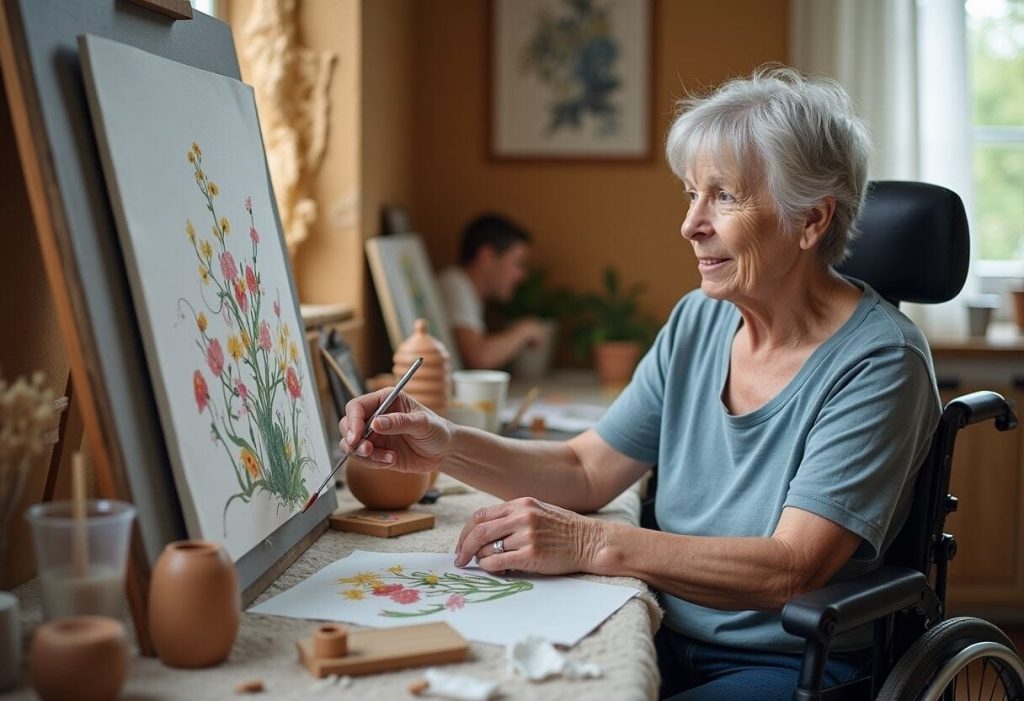
DIVE DEEPER: Click here to explore the evolution of graphic design
The Interplay Between Aesthetic Trends and Creative Expression
As we delve deeper into the relationship between aesthetic trends and our creative hobbies, it becomes evident that the visual language of our time is not just about aesthetics; it serves as a pivotal influence on how we create, engage, and connect. Analyzing the cycles of these trends reveals patterns reflecting societal values, technological shifts, and even economic conditions.
For instance, the rise of technology has led to the emergence of digital art forms, which are reshaping not only artist practices but also how the general public engages with creative expressions. As graphic tablets and software such as Procreate and Adobe Creative Cloud have become more accessible, hobbyists are embracing digital illustration and design, often melding traditional techniques with modern technology. This evolution has also paved the way for new platforms, facilitating collaborative projects and shared creative spaces on social media networks.
The Role of Social Media in Driving Trends
The impact of social media on visual design trends cannot be underestimated. Platforms like Instagram and Pinterest serve as visual repositories where users seek inspiration and share their creative endeavors. The viral nature of these platforms means that once a particular style gains traction, it spreads rapidly, influencing countless artists and hobbyists. For example, the popularity of flat design in digital graphics can be traced back to exposure on these platforms, where its simplistic aesthetic lent itself well to the mobile interfaces that were on the rise.
Moreover, the community aspect nurtured by social media creates a feedback loop, enabling artists to refine their work and adapt to changing tastes swiftly. This interaction transforms traditional solitary practices into collaborative experiences that invigorate the creative scene. Individuals are increasingly responding to visual cues from their online communities, often adopting and expanding upon trending styles.
- DIY and Handcrafted Aesthetics – Recent years have seen a surge in the desire for handmade items, with the slow living movement championing craftsmanship over mass production. This shift has reignited interest in hobbies such as knitting, woodworking, and pottery, driven by an appreciation for authentic, tactile experiences.
- Street Art and Urban Aesthetics – Artists are increasingly inspired by the vibrancy of urban environments, leading to a fusion of graffiti elements in various visual mediums, including fashion and home decor. This trend encourages creative exploration beyond traditional settings, inspiring individuals to use their surroundings as sources of inspiration.
- Eco-Conscious Design – As discussed earlier, artists now gravitate towards sustainable practices, driven by increasing awareness surrounding environmental issues. This ideology encourages a return to nature-inspired aesthetics, manifesting in choices like earthy tones and biodegradable materials.
These examples highlight how aesthetic trends transcend the realm of visual culture, instilling a renewed enthusiasm for creative hobbies. As we adopt and personalize these influences, the cyclical nature of design trends continues to foster a rich tapestry of artistic expression that resonates across generations. Ultimately, as we embrace the evolution of visual design, we unlock new doors to creativity, allowing individual voices to emerge in the ongoing dialogue of design.
The Interplay of Technology and Aesthetics in Creative Hobbies
In today’s fast-paced digital world, technology plays a critical role in shaping aesthetic trends that deeply influence our creative hobbies. From graphic design to photography and DIY projects, the way we perceive and engage with visual elements has evolved dramatically. The availability of tools such as Adobe Creative Suite, Canva, and countless design apps allows individuals, regardless of skill level, to express themselves creatively, heightening the demand for aesthetically pleasing creations.As we dive into the visual language that is permeating various creative hobbies, it becomes apparent that minimalism is one of the dominant trends. This aesthetic emphasizes simplicity and functionality, and its influence is evident in popular crafts like home decor, where less truly becomes more. In photography, the emphasis on clean lines and uncluttered compositions reflects this design philosophy, prompting hobbyists to refine their skills to produce striking images that stand out amidst the visual noise of modern life.Moreover, emerging movements such as maximalism are also challenging the minimalist paradigm. This trend encourages a vibrant, detailed approach to creativity, where bold colors and intricate patterns provide a feast for the eyes. The rise of platforms such as Pinterest and Instagram has amplified this trend, as users share visually stimulating content that inspires others to explore their creative boundaries.The convergence of these different aesthetics is resulting in hybrid styles that offer artists and hobbyists unique ways to express themselves. For instance, visual storytelling through mixed media combines bold graphics with narrative, allowing for an innovative exploration of artistic expression. In this way, the backdrop of aesthetic trends not only influences the tools we use but also informs the very core of our creative endeavors.As we continue to witness these changes, it is essential to consider how aesthetic trends will evolve and shape the future of our creative hobbies. The investigative journey into understanding the impact of visual design on our passions can lead to a more informed, conscious approach to our projects. This evolution is not merely a passing fad but a significant cultural shift that invites us to rethink our relationship with creativity and design.
| Aesthetic Trend | Influence on Creative Hobbies |
|---|---|
| Minimalism | Encourages simplicity and functionality in design, resonating with DIY projects and photography. |
| Maximalism | Invites boldness and intricate designs, inspiring vibrant home decor and mixed media arts. |
The evolving relationship between aesthetic trends and creative hobbies presents a wealth of opportunities for expression and exploration. Each trend serves as a driving force, shaping the methodologies and mindsets of creators across various fields. As these trends continue to develop and intertwine, they not only enrich our creative experiences but also challenge us to broaden our understanding of beauty and artistry.
DIVE DEEPER: Click here to discover how creativity can change lives
Reviving Traditional Techniques and Embracing New Media
As aesthetic trends continue to evolve, there is a fascinating resurgence in traditional techniques, drawing a striking balance with modern media. This revival not only celebrates historical practices but also integrates them into contemporary creative hobbies. The growing popularity of techniques such as letterpress printing, calligraphy, and even watercolor painting serves as a reminder of the value placed on skill, patience, and artistic exploration.
Moreover, as younger generations look for ways to disconnect from technology while still expressing their creativity, there has been a significant shift towards analog art forms. The tactile nature of materials like charcoal, pastels, and ink encourages a sensory experience that digital mediums often lack, nurturing a deeper connection between the artist and their work. Workshops teaching these traditional skills have surged in popularity, often attracting participants of all ages eager to cultivate new talents.
Mixed Media as a Futuristic Canvas
On the other side of the spectrum, the incorporation of mixed media has transformed visual design in ways previously unimaginable. Artists and hobbyists are increasingly blending traditional methods with cutting-edge technology, creating works that challenge the boundaries of artistic expression. This fusion is not just limited to visual representation; it integrates sound, movement, and interactive elements. For example, installations that combine augmented reality with physical art pieces captivate audiences, offering an immersive experience that transcends conventional art forms.
The rise of this eclectic style aligns closely with the tastes of contemporary audiences who crave novelty and interactivity. Many DIY enthusiasts are adopting mixed media techniques by incorporating found objects, textiles, and digital elements into their creative processes, leading to a vibrant reimagining of their hobbies. This trend showcases a democratization of art, as anyone can participate, adapt, and innovate, whether they are professionals or casual creators.
- Community Workshops and Collaborations – As interest in mixed media grows, local studios and community centers often host workshops that encourage collaboration among diverse artists. Such spaces foster an exchange of ideas, methodologies, and perspectives, resulting in a rich cultural dialogue that inspires fresh aesthetics.
- Influence of Video Content – Platforms like TikTok and YouTube provide a venue for artists to share their processes, tips, and finished pieces, further popularizing unique techniques. DIY challenges encourage hobbyists to experiment and refine their skills while simultaneously allowing them to promote their work within vibrant online communities.
- Trend Towards Minimalism – In a world saturated with visuals, a counter-movement emphasizing minimalism has gained traction. This trend prioritizes simplicity in design, focusing on essential forms and colors, leading to a return to basics for many creatives embracing decluttered aesthetics in their hobbies.
The blending of traditional and modern practices reveals an ongoing dialogue within visual design, where influences are constantly exchanged and ideas explored. Such adaptability demonstrates that despite shifts in aesthetic trends, the core motivation behind creative hobbies remains constant: a desire to express oneself, connect with others, and foster a sense of community. As we move forward, exploring this evolving landscape ensures that creativity remains both dynamic and inclusive, inviting all to participate in its vibrant journey.
DIVE DEEPER: Click here to uncover new artistic techniques
Conclusion: Embracing the Future of Visual Design
In conclusion, the evolution of visual design reflects a rich tapestry woven from traditional techniques and modern innovations. As artistic trends shift, they continuously influence our creative hobbies, encouraging both novices and seasoned artists to explore new avenues of expression. The resurgence of analog art forms demonstrates a yearning for tactile experiences amidst a digital landscape, while the rise of mixed media paves the way for boundary-pushing creativity. This synthesis of the old and new not only fosters individual artistic exploration but also promotes community through collaboration and shared experiences.
Moreover, the power of social media platforms cannot be understated, as they play a pivotal role in democratizing art. This accessibility invites individuals to participate in the vibrant world of visual design, showcasing the diverse skills and styles that comprise today’s creative landscape. As trends like minimalism gain traction, they remind us of the beauty found in simplicity, reflecting a collective desire to reconnect with our artistic roots while embracing the future.
As we navigate through these changes, it is essential to remain open and adaptable, recognizing the myriad influences that shape our creative pursuits. By doing so, we empower ourselves not only to engage with evolving aesthetic trends but also to enrich our personal journeys in creativity. Thus, the evolution of visual design continues to inspire and invite exploration, igniting the passion for artistic expression in every enthusiast.