The fusion of visual design with technology: exploring the possibilities of augmented reality in creative projects
Breaking New Ground with AR Technology
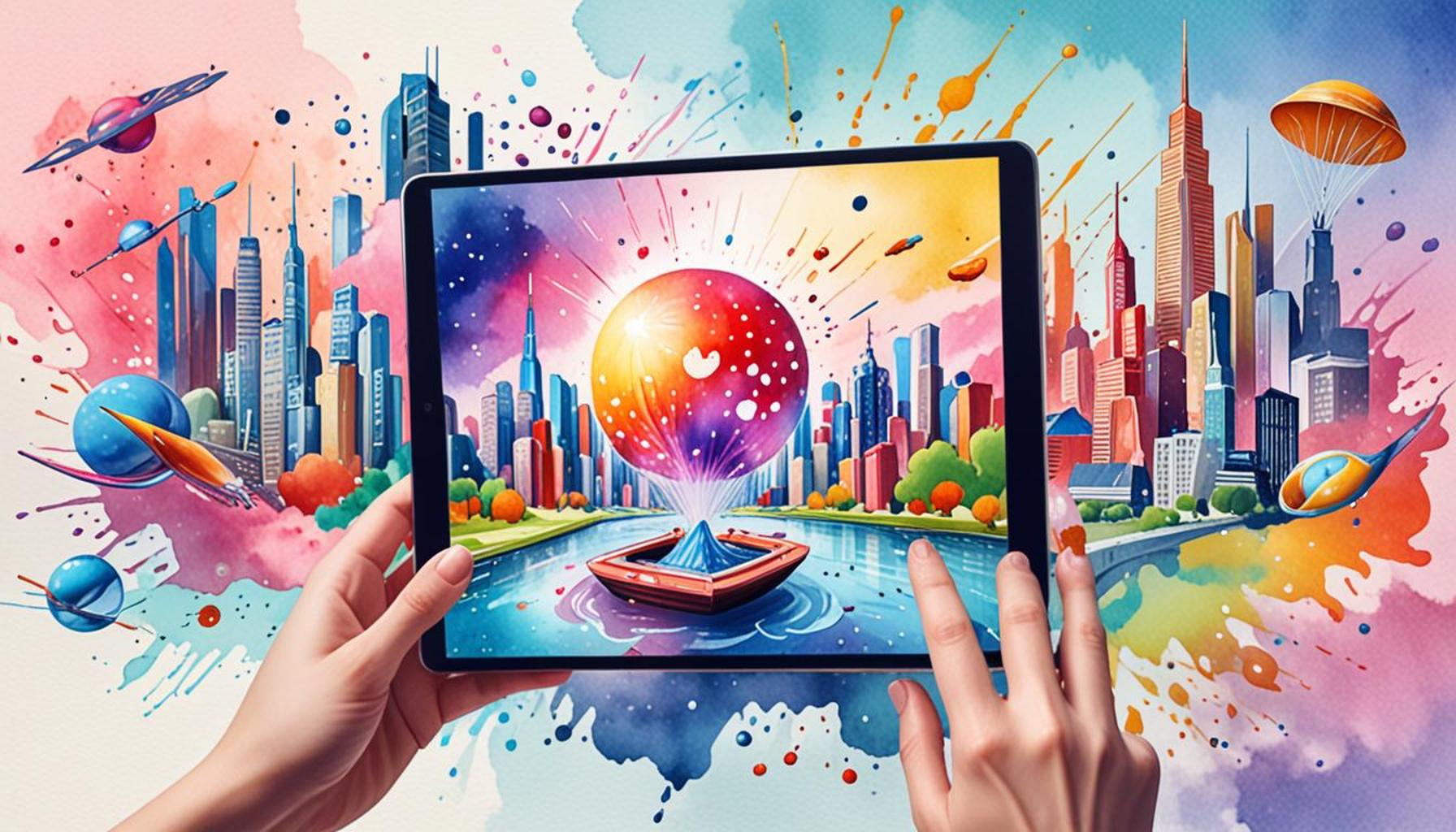
As the boundary between visual design and technology blurs, we enter an era where creativity knows no limits. One of the most transformative technologies reshaping the creative landscape is augmented reality (AR). By overlaying digital elements onto the physical world, AR opens up a realm of possibilities for innovative projects and interactions.
This technology is revolutionizing various fields, changing how creators and consumers interact with content. Some of the most notable applications include:
- Advertising: Brands are increasingly leveraging AR to create immersive campaigns that engage consumers in real-time. For instance, companies like IKEA have developed AR apps that allow customers to visualize how furniture would look in their homes before making a purchase, significantly enhancing the shopping experience.
- Art: Artists are using AR to enhance their installations, creating interactive artworks that invite viewers to engage with them. Notable exhibitions like the “AR Art Experience” open up new dimensions where the audience can transform static museum displays into vivid and interactive encounters through their smartphones.
- Education: Learning is becoming more interactive thanks to AR. Imagine a biology class where students can visualize and interact with a 3D model of the human body, enhancing their understanding of anatomy. Educational tools like Google Expeditions enable students to take virtual field trips to historic or scientific sites, providing hands-on learning experiences that traditional textbooks simply cannot match.
- Entertainment: The entertainment industry is tapping into AR for gamification of experiences, blending digital elements with real-world settings. For example, Pokémon GO has demonstrated how AR can create thrilling, community-driven experiences as players hunt for Pokémon in their own neighborhoods, combining physical movement with virtual gaming.
The integration of visual design with AR technology pushes the boundaries of creativity. Designers can transform static images into dynamic experiences, inviting audiences to interact rather than passively consume. This enthralling union between AR and design presents a unique set of challenges and opportunities for creators across industries.
Furthermore, the evolving capabilities of augmented reality raise important considerations about design, user experience, and accessibility. As AR becomes more prevalent, it is essential to ensure that these experiences are inclusive and accessible to everyone, including individuals with disabilities. Developers must prioritize user-friendly interfaces and equitable access to AR content to realize the full potential of this transformative technology.
The future promises an exciting blend of technology and creativity that we must critically navigate and embrace. As AR continues to develop, it holds the capacity not only to enhance our everyday experiences but to enable innovative solutions that challenge traditional approaches across various disciplines.

DISCOVER MORE: Click here to dive deeper
Unlocking New Dimensions in Visual Design
The fusion of visual design with augmented reality (AR) is redefining the way we perceive and interact with our environment. By merging the physical and digital worlds, designers can create experiences that captivate audiences, turning ordinary interactions into extraordinary journeys. This transformative approach enables creators from various sectors to push the limits of their imagination while simultaneously enhancing user engagement.
At the heart of this fusion lies the creative opportunity to blend storytelling with immersive experiences. Through carefully crafted AR applications, designers are no longer limited to static images or traditional mediums; instead, they can invite users into a narrative brimming with interactivity and personalization. Consider the potential for AR-infused marketing campaigns that allow consumers to explore character-driven stories embedded within their favorite products. Here are a few areas where the marriage between design and AR paves the way for concept evolution:
- Branding: The ability to create engaging visual identities through AR greatly enhances branding efforts. Brands can deliver curated experiences that not only highlight their products but also foster emotional connections. For example, fashion labels like Gucci have begun experimenting with AR filters that allow consumers to “try on” clothes or accessories virtually, reshaping the retail landscape.
- Interior Design: Homeowners and designers are leveraging AR to revolutionize how spaces are conceived and executed. With applications such as Houzz’s AR tool, users can visualize an entire room setup or decor, significantly mitigating uncertainty in design choices and ensuring that the final aesthetic meets their expectations.
- Public Installations: In public art, AR enhances audience participation. Projects like “The Night Cafe” reimagine famous artworks, transforming static pieces into living canvases that narrate stories and provide deeper insights through user interaction.
- Gaming and Experiences: Much like the success of Pokémon GO, AR in gaming has rewritten the rules of engagement, merging the virtual realm with reality. Developers can construct entire worlds layered over our existing reality, where players can unlock virtual quests in their immediate environment.
As we explore the fusion of visual design with technology and the boundless potential of AR, it becomes imperative to also consider the essential components of user interface and experience (UI/UX) design. Designers are tasked with creating interfaces that are intuitive and seamlessly integrated with the real world. This poses an exciting challenge, as they must balance aesthetic elements with practical functionality to ensure a cohesive experience.
Furthermore, with advancements in AR technology, creating an inclusive environment for all users is paramount. Accessibility must be at the forefront of every design decision, ensuring that AR experiences are thoughtfully developed for individuals with varying abilities. By embracing diverse perspectives, designers can cultivate innovative solutions to bridge gaps in traditional experiences.
As we continue to unveil the potential of AR in creative projects, it’s clear that the fusion of visual design and technology is not merely a trend but a significant turning point in the creative landscape. This integration not only challenges conventional practices but also invites exploration and collaboration across a myriad of disciplines, promising a future where imagination knows no bounds.
As the world delves deeper into the fusion of visual design with technology, augmented reality (AR) is emerging as a pivotal tool that reshapes creative projects. This revolutionary technology allows designers to overlay digital information on the physical world, creating dynamic experiences that engage users in unprecedented ways. The myriad applications of AR span various domains, from marketing and branding to education and entertainment, showcasing its versatility in enhancing visual storytelling.
In marketing, for instance, brands are harnessing AR to create interactive advertisements that captivate audiences. Interactive features, such as virtual try-ons for apparel or makeup, propel consumer engagement to new heights, leading to increased sales and enhanced brand loyalty. In the realm of education, AR offers immersive learning environments that make complex subjects more accessible. Imagine students witnessing ancient civilizations come alive through interactive models or visualizing scientific phenomena through layered information.
The impact of AR extends to the arts and creative fields where artists are blending digital and physical mediums. Installations featuring AR components challenge traditional perceptions and invite audiences to experience art in a more participatory manner. This integration fosters innovative collaborations that break down the barriers between creator and spectator, allowing for personalized narratives and experiences.
Furthermore, with the advent of AR development tools, designers are empowered to push the boundaries of their creativity. Platforms that facilitate AR content creation are democratizing access to this technology, enabling even those without extensive technical backgrounds to experiment and innovate. As this trend continues, the accessibility of AR will undoubtedly lead to a surge of pioneering projects that redefine the creative landscape.
As we continue to explore the possibilities of augmented reality, the potential for groundbreaking discoveries and creative expressions seems limitless. The ongoing dialogue between visual design and technology is a testament to humanity’s relentless quest for innovation, ensuring that AR will play a crucial role in shaping the future of creative projects.
| Category | Advantages |
|---|---|
| Interactivity | Engages users through immersive experiences. |
| Enhanced Storytelling | Brings narratives to life with visual depth and context. |
| Accessibility | Facilitates learning and creativity in an interactive manner. |
| Innovation | Encourages experimentation with new visual mediums. |
DISCOVER MORE: Click here to learn about the evolution of musical instruments
Revolutionizing Creative Collaboration
As augmented reality (AR) continues to reshape the landscape of visual design, it has also catalyzed a new collaborative framework, engaging diverse talents in creative projects. This collaborative spirit discards the traditional barriers between designers, technologists, and consumers, fostering dynamic ecosystems where ideas thrive and innovation flourishes. The integration of AR facilitates a cooperative approach that allows teams to visualize concepts in real-time, encouraging iterative feedback and rapid prototyping.
One realm where this collaborative potential stands out is in the architecture sector. Architectural firms are harnessing AR to present intricate designs to clients and stakeholders more effectively. Tools like Microsoft’s HoloLens enable architects to project digital models of their structures onto physical sites. This practice not only aids in spatial understanding but also opens pathways for immediate alterations based on client feedback, ensuring that the final design resonates with the community’s vision. This real-time engagement serves to deepen the relationship between designers and their clients, grounding the creative process in tangible experience.
The fusion of AR in design projects also nurtures an enriched educational framework. Schools and institutions are adopting AR technologies to teach students about visual design principles in interactive ways. For example, Google has launched various AR-enabled educational tools that allow students to explore complex concepts, from 3D anatomy to historical architecture, by simply scanning images in textbooks. This revolutionary method engages students beyond passive learning, promoting a hands-on approach where they can manipulate digital representations of physical objects.
Additionally, the entertainment industry serves as a prime example of how AR expands the frontiers of creativity. AR-enhanced experiences are becoming common in theme parks and live events, transforming the way audiences engage with performances. Notably, the immersive experiences offered at venues such as Universal Studios allow visitors to step into their favorite movie worlds. Through the use of AR apps, guests can interact with beloved characters and environments, making each experience uniquely personalized and memorable. This not only boosts visitor engagement but also signifies a crucial evolution in how we perceive entertainment.
Moreover, the gaming industry continues to be a stronghold for AR applications, illustrating a profound shift in user interaction. Titles like Ingress and Harry Potter: Wizards Unite further exemplify how augmented reality allows players to explore their real world through a virtual lens. The richness of the gaming experience is markedly enhanced when players encounter game elements embedded within their actual surroundings, laying the groundwork for a future where AR will redefine not only gameplay but social experiences as well.
As we delve deeper into the integration of visual design and technology, the necessity for rigorous testing and iteration becomes ever more apparent. Designers are challenged to refine their AR applications to ensure consistent performance across different devices and environments. Techniques such as user testing in diverse scenarios help identify pain points and improve usability, paving the way for innovations that resonate with users on multiple levels.
In this rapidly evolving landscape, the ability to adapt and integrate emerging technologies into creative practices will dictate which projects thrive. The promise of AR lies not just in the allure of new experiences, but in its potential to inspire a rethinking of how we connect with design, culture, and each other in an increasingly digital world.
EXPLORE MORE: Click here to start your creative journey
Embracing the Future of Design
The intersection of visual design and augmented reality presents unprecedented opportunities that are reshaping the creative landscape. As we’ve seen, AR is not merely a technological add-on; it is a transformative force that enhances collaboration, enriches educational frameworks, and revolutionizes user experiences across industries such as architecture, entertainment, and gaming. This fusion allows for a more immersive connection to design, encouraging interaction and participation from stakeholders and audiences alike.
However, the journey does not end with the adoption of AR technologies. As designers, educators, and developers navigate this new terrain, continuous adaptation and innovation will remain critical. The embrace of an iterative process and user-focused feedback mechanisms will foster resilience and creativity, ensuring that AR applications meet diverse needs. In this evolving field, staying informed about emerging trends and technologies will empower creators to push boundaries and leverage AR in novel ways.
Ultimately, the future of design lies in its adaptability to the digital landscape, where the potential to reimagine our everyday experiences awaits. For designers keen to lead this charge, the challenge will be to harness AR’s capabilities while maintaining a focus on the human experience. By doing so, the integration of visual design and technology can yield not only engaging projects but also create meaningful connections that inspire collaboration and creativity in our increasingly interconnected world.