The Importance of Improvisation in Performing Arts and its Impact on Creativity
The Significance of Improvisation in Artistic Expression
Improvisation serves as a crucial element in the realm of performing arts, breathing vitality and spontaneity into creative expression. It is not merely an escape from scripted constraints; rather, it opens doors to uncharted territories of imagination and innovation. Through spontaneity, artists explore dimensions of their craft that can transform performances and resonate deeply with audiences.
The power of improvisation is evident across various performance disciplines, including:
- Theater: In the world of theater, actors often find themselves in situations where they must think on their feet. A missed cue or an unexpected audience reaction can lead to spontaneous lines or actions that enhance the authenticity of the performance. For instance, a well-known technique among actors is using improv games to warm up, creating a space where they can practice responding to unplanned moments, ultimately enriching their performances. An outstanding example is the long-running show “Whose Line Is It Anyway?”, where actors engage in completely unscripted comedic sketches that delight viewers.
- Music: In the realm of music, whether in jazz, rock, or classical genres, musicians frequently take liberties with melodies. Jazz artists might stretch a piece by inserting unique solos, leading to moments that surprise both the audience and the musicians themselves. For instance, legends like Miles Davis are celebrated for their improvisational prowess, often creating songs that evolve uniquely during each performance. This spontaneous creativity during a live show adds an exhilarating ambiance that is distinct to each concert.
- Dance: With dance, improvisation manifests through fluid movements that allow dancers to respond to melodies organically. In contemporary dance, performers often explore their relationship with music by reacting in real-time, leading to captivating expressions that may appear unchoreographed. This can be observed in works by renowned choreographers like Martha Graham, who emphasized the importance of personal interpretation through movement, showcasing how spontaneous expression amplifies storytelling within dance.
The effects of this practice extend beyond the stage. Studies indicate that engaging in improvisational activities can:
- Boost confidence: Performers become more adept at handling surprises and adapting quickly, making them more resilient in unpredictable situations.
- Enhance collaboration: It fosters teamwork and communication among artists, which is essential in creating cohesive performances. For example, Ensemble theater relies heavily on actors being able to support and react positively to each other’s spontaneous contributions.
- Stimulate mental agility: Quick thinking enhances overall problem-solving skills in everyday life, equipping individuals with the ability to tackle challenges head-on, whether it be in personal relationships, workplaces, or other social environments.
In the United States, where diverse artistic traditions interweave, improvisation holds a unique place within cultural narratives. From the vibrant jazz clubs of Harlem to the spirited street performances in San Francisco, it thrives in environments where multicultural influences converge. A deeper exploration of its significance reveals not just the artistry involved but also the profound impact on creativity across various facets of life. This artistic spontaneity often reflects broader societal values, encouraging innovation and adaptability in a rapidly changing world.
As we delve further into this topic, it becomes clear that improvisation is more than an art form; it’s a catalyst for innovation and resilience in the world of performing arts. Through improvisation, artists not only enrich their own craft but also inspire communities, inviting audiences to appreciate the unexpected beauty of creativity in motion.
The Transformative Nature of Improvisation
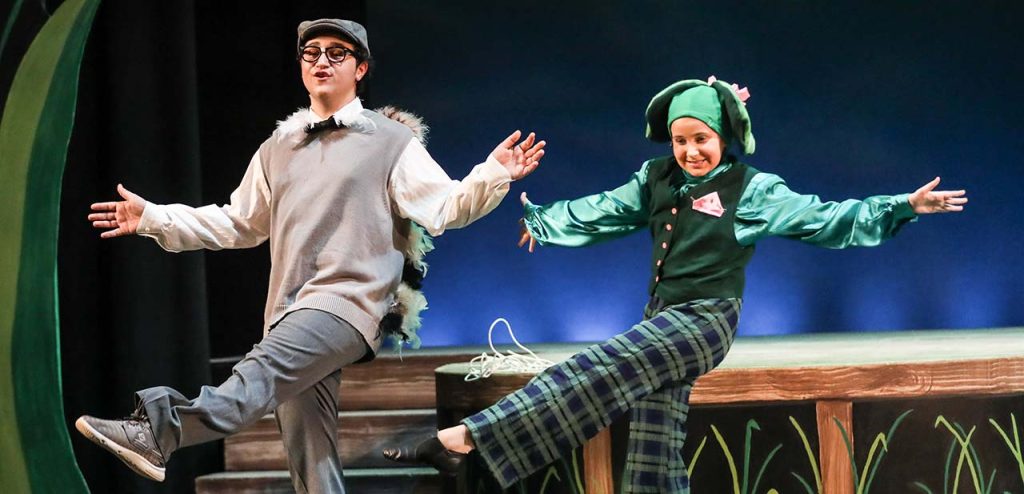
At the core of the performing arts, improvisation serves as a transformative force that elevates the creative experience for both artists and audiences alike. It challenges the traditional boundaries of performance, allowing for a dialogue between the performer and the viewer, fostering a connection that is often absent in scripted scenarios. One of the most profound impacts of improvisation is its ability to cultivate a space where creativity thrives, leading to unexpected interpretations and performances that captivate and inspire.
Improvisation, fundamentally, hinges on the principle of spontaneity. This element encourages artists to tap into their instincts, resulting in a performance that feels fresh and immediate. In disciplines such as theater, actors develop a keen sense of awareness and openness, enabling them to react authentically to the evolving dynamics of a scene. When an actor improvises a line or gesture that breaks from the script, it can create a ripple effect—transforming the mood and direction of the entire performance. These moments are not merely distractions; instead, they can enrich the narrative, making it feel more genuine and relatable.
The improvisational approach can also lead to powerful moments of vulnerability, which resonate deeply with audiences. When performers embrace the unexpected, they invite viewers to share in their artistic journey, thus heightening emotional engagement. This interaction is particularly evident in music, where improvisation not only alters melodies but also connects with listeners on a visceral level. For example, during live jazz performances, musicians engage in “call and response” interactions, creating a dynamic synergy that transcends the limitations of written music.
The Role of Improvisation in Fostering Creativity
Improvisation offers a wealth of benefits that extend beyond the stage and into broader contexts, particularly in how creativity is approached in everyday life. Engaging in improvisational practices can lead to:
- Enhanced problem-solving abilities: By encouraging quick thinking and adaptability, improvisation nurtures a mindset that is open to exploring multiple solutions to challenges.
- Increased resilience: Artists accustomed to improvisation learn to navigate unforeseen circumstances with confidence, helping them manage unforeseen obstacles in various realms of life.
- Heightened emotional intelligence: Through real-time interactions, performers develop a deeper understanding of human emotions, which translates into greater empathy and communication skills.
Research underscores the importance of these skills in professional development. With the growing emphasis on creativity in the workplace, the ability to think on one’s feet and collaborate effectively is a valuable asset. Organizations that recognize the benefits of improvisation can cultivate environments that embrace flexibility and innovation, ultimately driving success in an ever-evolving market.
In conclusion, the importance of improvisation in performing arts cannot be overstated. It serves as both a catalyst for artistic expression and a fundamental driver of creativity, enabling individuals to transcend conventional limits. As we continue to explore the intricacies of this art form, we discover its potential not only to enrich the performing arts but also to transform how we approach creativity in all aspects of life.
| Category | Description |
|---|---|
| Enhanced Spontaneity | Improvisation encourages performers to tap into their innate creativity, allowing for surprising and spontaneous moments that captivate audiences. |
| Stronger Connection | By engaging with the audience and fellow performers in real-time, improvisation fosters a deeper emotional connection, enhancing the overall experience. |
| Creative Problem Solving | Improvisation hones critical thinking skills, enabling artists to address challenges in a performance seamlessly and creatively. |
| Opportunity for Innovation | Through experimentation in improvisation, artists often discover new techniques and concepts, pushing the boundaries of their craft. |
The importance of improvisation in performing arts cannot be understated; it serves as a catalyst for innovation and creativity among artists. By fostering an environment where spontaneity is not just welcomed but celebrated, artists can unlock new dimensions of their craft. In live performances, this translates to electrifying moments that resonate with audiences, showcasing the dynamic interplay between performer and viewer. Moreover, improvisation revitalizes creativity by encouraging performers to push their limits and explore different artistic avenues. In this way, they not only challenge their own skills but also exemplify the essence of adaptation and transformation, characteristics essential to the ever-evolving landscape of the performing arts. As these artists navigate the unpredictable paths of their performances, they create art that is remarkably alive and reflective of human experiences, prompting audiences to reflect on life’s complexities and joys. By understanding the foundational role improvisation plays in enhancing both personal expression and collaborative artistry, one can appreciate its profound impact on the creative landscape at large.
The Interdisciplinary Impact of Improvisation
Beyond the stage, improvisation possesses a unique capacity to influence various domains, intertwining with disciplines such as education, business, and therapy, thereby underscoring its significance in fostering creativity on multiple fronts. As educators incorporate improvisational techniques into the classroom, they create an environment that encourages students to explore ideas without fear of failure. For instance, applying improvisational games can enhance students’ engagement and collaboration, promoting critical thinking and adaptability among learners. This method has been shown to increase confidence, as students realize their ability to generate creative responses and solutions on demand.
In the business world, the role of improvisation cannot be overstated, particularly in sectors that require quick decision-making and innovative approaches to challenges. Companies that adopt a culture of improvisation witness increased collaboration and employee satisfaction. For example, organizations like Google and Pixar emphasize the importance of creative thinking and flexibility in their corporate frameworks. These companies have created spaces where employees are encouraged to brainstorm freely and pivot quickly, empowering them to innovate and keep pace in fast-changing markets.
Therapeutic Improvisation: Healing Through Creativity
The therapeutic potential of improvisation is also remarkable. Arts therapists utilize improvisational methods to facilitate healing in various settings, allowing individuals to express complex emotions and experiences in a safe environment. Programs focused on music therapy often use improvisation to help clients articulate their feelings, improving communication and emotional regulation. For example, improvising with instruments can lead to breakthroughs for individuals grappling with anxiety or depression, helping them foster connections with their inner selves and others.
Moreover, the concept of improv extends to community-building initiatives, where improvised performances can serve as a vehicle for social change and dialogue. In contexts such as community theater or local art festivals, improvisation inspires inclusivity, giving voices to diverse perspectives and experiences. It transforms ordinary events into extraordinary interactions, allowing performance to act as a vehicle for social commentary and collective catharsis. Such engagements can initiate conversations around pressing societal issues, further showcasing the enriching qualities of improvisational artistry.
Data from studies reveal that environments which incorporate improvisation often invite innovation and increased productivity. A report from a leading educational research organization found that 85% of educators observed improvements in students’ collaborative skills and quick-thinking abilities when they employed improvisational activities. These skills are essential in today’s interconnected workplace, where challenges emerge rapidly, and the capacity to pivot creatively can set individuals and organizations apart from their competitors.
In summary, the influence of improvisation in the performing arts extends far beyond entertainment; it is a transformative tool that enhances creativity across various sectors. Whether in education, business, therapy, or community initiatives, the principles of improvisation empower individuals to unlock their creative potential, adapt fluidly to challenges, and foster meaningful connections with one another.
Conclusion: The Transformative Power of Improvisation in Creativity
In conclusion, improvisation is not merely an essential practice within the performing arts but a vital catalyst that enhances creativity across an expansive array of fields. Its influence transcends the boundaries of theatre and dance, permeating educational settings where it fosters innovation and self-expression among students. As businesses increasingly recognize the need for adaptive thinking, the application of improvisational techniques empowers employees to collaborate effectively, think on their feet, and engage in dynamic problem-solving. This cultural shift reflects a broader recognition that creativity is not a static trait but a skill that can be nurtured and developed.
Furthermore, the therapeutic applications of improvisation showcase its healing capacity, allowing individuals to navigate complex emotions while fostering community connections through collective artistry. By serving as a conduit for dialogue and social change, improvisation promotes inclusivity and shared experiences. The data consistently highlights that organizations that embrace improv not only foster an atmosphere of innovation but also enhance overall productivity and morale, emphasizing its critical role in today’s fast-paced environments.
The rich tapestry of improvisation’s applications calls for a deeper exploration into its various forms and effects. As researchers and practitioners continue to investigate its profound implications, society stands to benefit significantly from embracing improvisational thinking as a core competency. The future holds boundless potential for harnessing this creative approach, paving the way for a more adaptable and inventive world.