
The Influence of Local Cultures on Contemporary Craftsmanship: Masters and Their Techniques
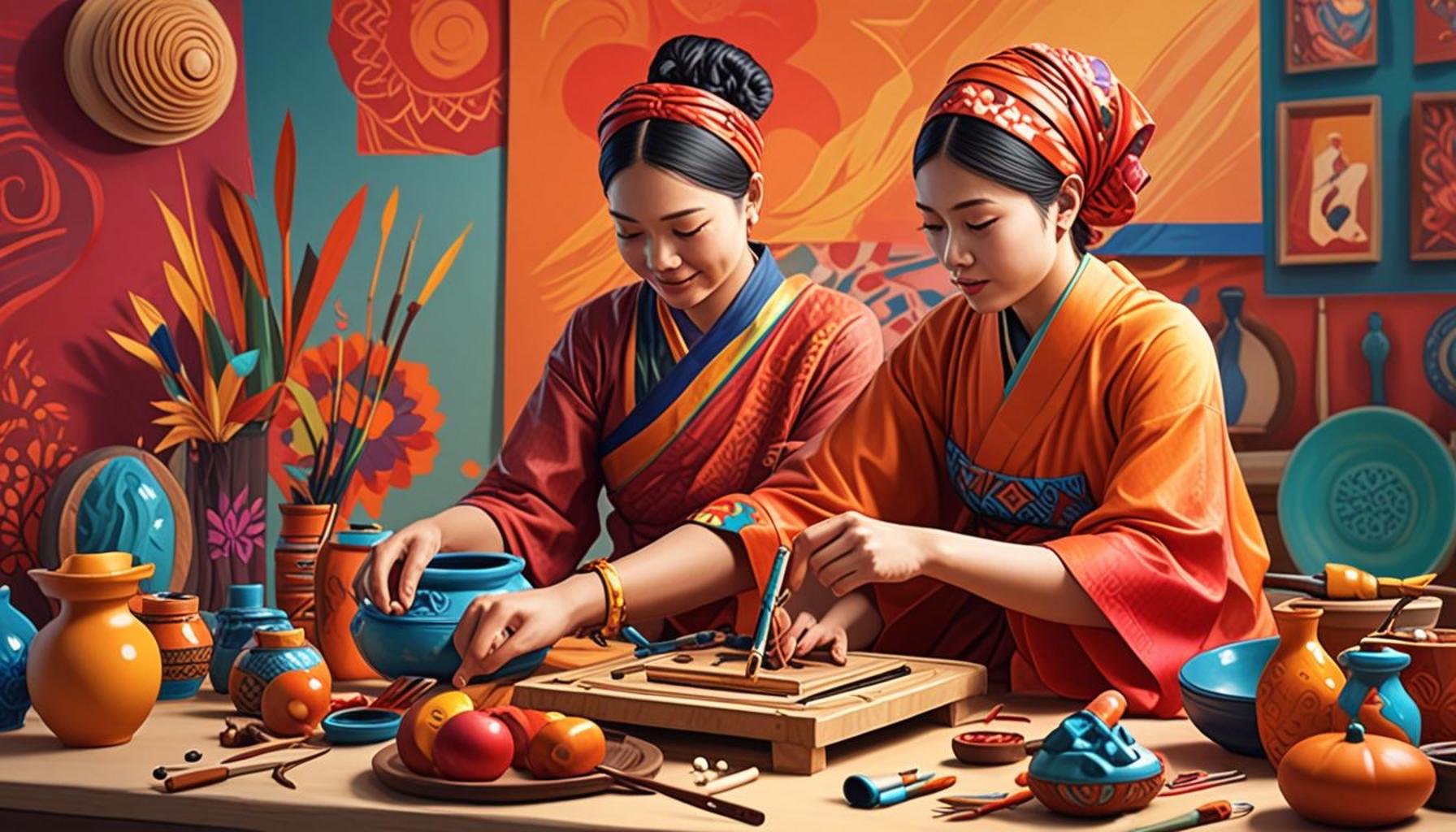
Exploring the Intersection of Craftsmanship and Cultural Heritage
The world of craftsmanship encapsulates the rich narratives of local cultures, intricately linked through generations of artisans. While globalization has indeed introduced a wave of uniformity in various artistic expressions, it is the uniqueness of local traditions that continues to flourish and inspire contemporary techniques. A deeper examination reveals the dedication of skilled craftsmen and women who not only preserve their heritage but also innovate, adapting timeless methods to modern sensibilities.
Key Elements of Local Influence
- Materials: The materials utilized in crafting are profoundly influenced by local environments. For example, the orange and red clay found in the arid deserts of the Southwest United States is ideal for creating the traditional pottery of the Pueblo tribes. These artisans have learned to harness the distinct qualities of their local clay, enriching their ceramic creations with color and texture that symbolically represents their land.
- Techniques: Time-honored techniques are often a hallmark of local craftsmanship, passed down through family lines and community teachings. A striking example can be seen in the elaborate beadwork of Native American tribes, such as the Lakota or Navajo. This art form is not merely decorative; it serves as a medium for storytelling, where each bead and design choice carries historical and spiritual significance, embodying the wisdom of generations.
- Symbolism: When exploring craftsmanship, one must consider the power of symbolism embedded within various designs. African textiles, characterized by their vibrant patterns, are testament to this ethos. Each design element communicates cultural values and stories, allowing wearers and viewers to engage with their heritage and history. For instance, the Kente cloth of Ghana, with its intricate patterns, conveys messages of social status and personal achievements.
Today’s artisans effectively merge tradition and modernity, fostering a dialogue between styles. Notably, contemporary Native American artists are reinterpreting their heritage through modern forms, showcasing works that resonate with both historical significance and current trends. This ongoing evolution not only preserves cultural identity but also contributes richly to the artistic landscape of the United States and beyond, bringing diverse stories into a shared space.
As we further investigate the realm of craftsmanship, we will find that each technique and creation is a narrative thread in the grand tapestry of human creativity. This exploration unveils the delicate balance artisans maintain as they honor their past while looking towards the future, ultimately connecting us to the vast mosaic of human expression that defines diverse cultures around the world.
DISCOVER MORE: Click here to learn about music’s impact on mental health
Tradition Meets Innovation: Craftsmanship Through Local Lenses
In examining the influence of local cultures on contemporary craftsmanship, one quickly recognizes the dynamic interplay between traditional practices and modern innovations. Skilled artisans around the globe, particularly in the United States, have found ways to enrich their works by integrating indigenous techniques with contemporary designs. This unique synergy not only ensures the preservation of local crafts but also inspires a new generation of creators.
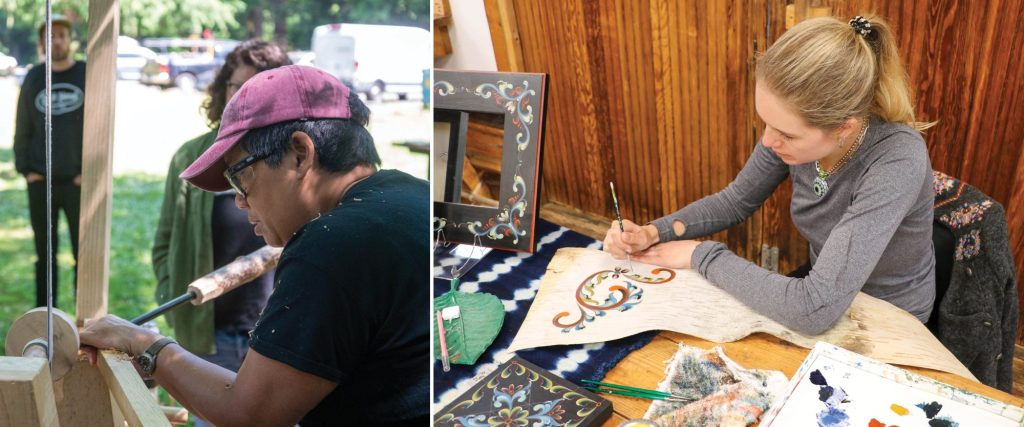
The Role of Community and Heritage
At the core of local craftsmanship is the concept of community. Many artisans are rooted in their cultural histories, engaging in practices that echo their ancestors’ work. This deep connection often fosters a sense of pride and responsibility to maintain these traditions. For instance, the basket weaving techniques of the Cherokee and other Native American tribes are not merely functional but represent a cultural legacy. The choice of materials, often sourced from local flora, and methods passed down through generations, showcase the rich tapestry of knowledge embedded in their craft.
Additionally, artisans often participate in community workshops and festivals, where they share their skills and foster appreciation for their cultural practices. Events like the annual Santa Fe Indian Market not only serve as platforms for artists to sell their wares but also celebrate the richness of Native American art and inspiration. This dialogue between artists and the community strengthens the bond between craftsmanship and cultural identity.
Cultural Adaptation and Global Trends
While local traditions serve as a foundation, contemporary artisans are increasingly adapting to global trends, creating a fascinating blend of the old and the new. Artisans are embracing technology and innovative materials that might not be traditionally associated with their crafts. For example, the use of sustainable materials has gained traction as environmental awareness grows. Artisans incorporating recycled materials into their designs not only rethink traditional methodologies but also contribute to global sustainability efforts.
Moreover, social media platforms offer a revolutionary avenue for artisans to reach broader audiences. Artists like Sheila Hicks in textile art have gained international acclaim, emphasizing their unique, culturally rooted styles while engaging with contemporary aesthetics. This connectivity allows for cultural exchange and invites practitioners to evolve their craft while respecting their roots.
Transformative Techniques: A Closer Examination
As we delve deeper into specific techniques that characterize contemporary craftsmanship, we can highlight several key elements:
- Natural Dyes: The adoption of natural dyes rooted in local flora not only reflects ecological practices but diversifies color palettes in textile artistry.
- Mixed Media: Artisans increasingly combine different media, such as wood, metal, and ceramics, allowing for greater artistic expression while honoring their cultural origins.
- Modern Interpretations: Artists are reinterpreting traditional patterns and motifs, such as in quilt-making, to align with contemporary tastes while preserving their historical significance.
Through these transformative techniques, local craftsmanship continues to evolve, building upon the foundation of cultural heritage while embracing innovation. In the following sections, we will explore specific artisans whose works exemplify this blend of tradition and modernity, revealing how they contribute to the ongoing narrative of craftsmanship. Their stories remind us that each piece of art, while aesthetically valued, carries a deeper significance tied to cultural memory and identity.
| Cultural Techniques | Impact on Craftsmanship |
|---|---|
| Traditional Weaving | Promotes sustainable practices and revitalizes ancient skills. |
| Pottery Techniques | Blends artistic expression with functional design, attracting global interest. |
| Carving and Sculpture | Enhances cultural storytelling through visual art, preserving heritage. |
| Metalworking | Combines innovation with tradition, inspiring new generations of craftsmen. |
In exploring local cultures and their influence on contemporary craftsmanship, one can see how each skill reflects the heritage and values of a community. For example, traditional weaving techniques not only produce stunning fabrics but also foster a sense of community by sustaining ancient skills, driving a renaissance in eco-friendly textile practices. Similarly, pottery techniques merge artistic expression with practical usage, capturing the attention of collectors and enthusiasts worldwide. The creative narratives embedded in carving and sculpture revive essential aspects of cultural storytelling, allowing crafts to convey deep meanings and connect with audiences across the globe. Furthermore, metalworking exemplifies the art of fusing innovation with tradition, whereby masters continuously explore new ideas, sparking interest and inspiring young artisans to embrace their cultural legacies while evolving their craft. Each of these elements illustrates the profound intersections of craftsmanship and local culture, contributing to a vibrant tapestry of contemporary artistry.
DISCOVER: Click here to find out how creativity can uplift mental health
Embodiment of Local Narratives: Artisans as Storytellers
Within the sphere of contemporary craftsmanship, artisans increasingly serve as storytellers, weaving personal and communal narratives into their work. This practice often transforms individual pieces into significant cultural artifacts that connect the present with historical roots. For instance, the pottery created by the Hopi tribe in Arizona carries stories of the earth and the ancestors, with designs that reflect their cosmology and the symbiotic relationship with nature. Each vessel becomes not merely utilitarian but a canvas that embodies strong cultural stories and teachings.
Homegrown Sustainability: Craftswomen Leading the Way
Another noteworthy trend is the rise of craftswomen who champion sustainability while honoring traditional practices. Female artisans like Elisabeth Eaves, known for her intricate beadwork, embrace local materials that are often overlooked. This conscious effort not only preserves indigenous techniques but promotes a sustainable economic model that benefits their communities. Their work reinforces the notion that craftsmanship can contribute positively to the environment, as these artisans frequently implement practices like foraging for natural materials, ensuring that their crafts are in harmony with the ecosystem.
Collaborative Artistry: Festivals and Collective Efforts
The fusion of local cultures and modern craftsmanship is often showcased at festivals and fairs where collaboration is key. Events like the American Craft Council’s Craft Shows bring together artisans from diverse backgrounds, fostering a spirit of exchange that highlights various techniques rooted in cultural traditions. At these gatherings, artisans not only display their work but also engage in live demonstrations, sharing the intricacies of their techniques with attendees. This collective creativity amplifies the message that local craftsmanship is an evolving entity that thrives on community and collaboration.
Regional Variations: Craftsmanship Across America
Understanding the influence of local cultures involves examining how regional variations manifest within contemporary craftsmanship. The Pacific Northwest is renowned for its totem pole carving and weaving among various Indigenous tribes, where artisans incorporate rich narratives into their work. In contrast, the Appalachian region showcases its own unique craftsmanship with traditions like quilt-making, characterized by vibrant patterns and textures that tell stories of family and heritage. Each area contributes a rich layer to the national tapestry of craftsmanship, celebrating the intricate connections between landscape, materials, and cultural identity.
As we reflect on the multifaceted impact of local cultures on contemporary craftsmanship, it becomes evident that artisans are not just creators but vital preservationists of heritage. Their work encapsulates the narratives of their communities and honors the legacies of their predecessors. In the following sections, we will explore the journeys of specific masters, dissecting their techniques and the creative processes that blend tradition with innovation, solidifying their place in the continuum of a dynamic craft culture.
EXPLORE MORE: Click here to discover the benefits of storytelling for mental health
Conclusion: Crafting a Cultural Legacy
In examining the intricate relationship between local cultures and contemporary craftsmanship, it is clear that artisans function as the custodians of their community’s narratives and traditions. Each piece they create does more than serve a purpose; it encapsulates the essence of its origin – be it through the spiritually imbued pottery of the Hopi, the sustainable practices championed by craftswomen like Elisabeth Eaves, or the vibrant quilt patterns from the Appalachian region that celebrate familial history. These diverse expressions of craftsmanship reveal a broader narrative of identity, resilience, and sustainability that fluctuates in tandem with social and environmental shifts.
As we observe the collaborations at events such as the American Craft Council’s Craft Shows, we recognize that local craftsmanship is not merely a display of skill but a vibrant dialogue between artisans and their communities. This dialog fosters innovation while remaining deeply rooted in tradition, ensuring that the techniques of the past are not lost but rather evolve with each new generation. The geographic and cultural variations across America add rich layers to this tapestry of craftsmanship, showcasing how different regions contribute uniquely to a collective understanding of artistry.
Ultimately, the stories told through contemporary craftsmanship highlight an enduring connection between the past and present. They invite us to engage further with the artisans behind the craft, urging us to appreciate the labor, passion, and cultural heritage that shape each creation. As consumers and admirers, we hold the power to uplift these artisans, encouraging a future where global appreciation for local craftsmanship can thrive, sustaining both culture and craft for generations to come.