The Influence of Social Media on Contemporary Performing Arts
The Role of Social Media in Shaping Performing Arts
In today’s fast-paced digital landscape, social media has become an integral part of the contemporary performing arts scene. It has established new channels for artists, producers, and audiences to connect, enriching the way performances are marketed, experienced, and discussed. With platforms like Instagram, Twitter, and TikTok, the possibilities for engagement and creativity are nearly endless, reshaping traditional paradigms of the arts.
Key Influences of Social Media
- Accessibility: Social media has revolutionized accessibility in the performing arts, breaking down geographic barriers that once limited audience reach. For instance, a theater production in San Francisco can now attract viewers from across the country or even around the globe through live-streaming on platforms like Facebook Live or Instagram Live. This democratization allows diverse audiences to access performances that previously may have been out of reach, fostering a more inclusive arts community.
- Promotion: Gone are the days when marketing required extensive budgets and traditional media buys. Today, artists harness social media to showcase their work instantly. For example, a choreographer might share snippets of their rehearsal on TikTok, capturing the attention of potential audiences and critics. This behind-the-scenes glimpse creates intrigue and anticipation, often leading to sold-out shows. Additionally, hashtags have become essential tools for creating buzz around specific performances, events, or themes, making it easier for people to join the conversation.
- Engagement: Social media facilitates direct interaction between artists and fans, fueling community support. For example, musicians often engage with their audiences through Twitter polls or Instagram Stories, allowing fans to feel involved in the creative process, whether by voting on song choices or suggesting setlists. This interactive relationship not only enhances the overall experience of the performing arts but also builds a loyal fanbase that feels personally connected to the artists.
Moreover, social media platforms offer unique opportunities for collaboration and innovation. Artists can share their creative processes in real-time, inviting feedback that can shape their work before it even hits the stage. For instance, a visual artist collaborating on a multimedia performance may use social media to gather input from followers, which encourages creativity and responsiveness, ultimately resulting in more relevant and resonant art forms. This evolution creates an ongoing dialogue that challenges both the medium and the message they convey.
Impact on Traditional Norms
While some critics argue that social media diminishes the essence of live performances, others advocate for its role as a tool for enhancement. The pervasive influence of social media invites us to reconsider how we consume, understand, and appreciate the arts today. It generates a cultural phenomenon where audiences no longer passively watch performances but actively participate in them. This phenomenon was notably observed during the pandemic when theaters and performing arts groups turned to social media to connect with audiences, offering virtual performances that maintained engagement albeit in a socially distanced world.
With the ongoing digital revolution, the performing arts are entering a new era, one rich with opportunities for exploration and critical examination. As artists adapt to these changes, the landscape of performing arts continues to transform, inviting a broader spectrum of voices and experiences into the fold. This intersection between artistry and technology not only enriches the art form but also opens the door for future innovations that will shape how we collectively experience and appreciate the richness of live performance.
Bridging Gaps and Creating New Opportunities
The emergence of social media has reshaped the landscape of contemporary performing arts in profound ways. Historically, the performing arts were often constrained by physical and financial barriers, restricting access to those within specific communities or socioeconomic groups. However, with the advent of platforms like Facebook, Twitter, and Instagram, artists have found a persuasive avenue to reach wider audiences, breaking down these barriers and democratizing the arts.
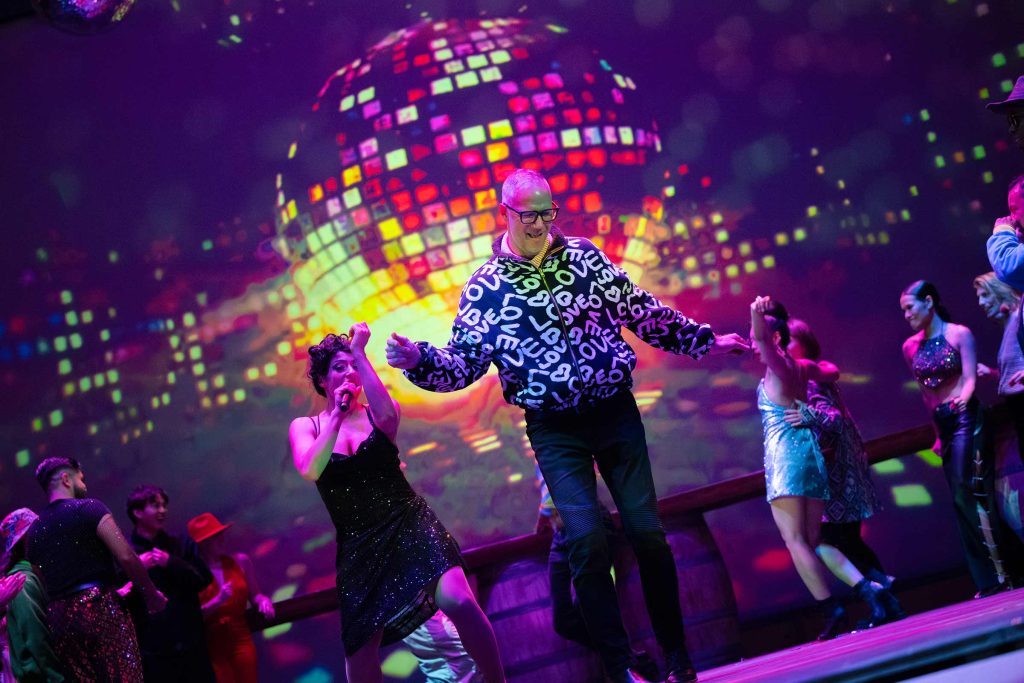
One of the most noticeable effects of social media is the enhanced accessibility it provides to performances and artistic endeavors. A local theater company in a small town can showcase its production to audiences hundreds of miles away, and arrangements such as virtual live-streaming have made this possible. For instance, organizations like the American Theatre Wing have premiered performances online, allowing individuals who may have never set foot in a theater to experience groundbreaking work from the comfort of their homes. This shift has not only expanded the audience base but has also promoted inclusivity by allowing people from varying backgrounds to engage with the arts.
- Community Building: Social media has proven to be a powerful tool for fostering communities around the performing arts. Artists can connect directly with their fanbase, allowing for a more personalized experience. For example, dancers and performers often share their journeys and create interactive content, which enhances audience engagement.
- Real-Time Feedback: Another advantage of social media is the ability for performers to receive immediate feedback from their audiences. This instantaneous interaction can guide artists in their creative processes, affecting everything from content selection to varying performance styles. A musician might post a demo on Instagram and use the comments to inform their final album cuts, showcasing how social media can directly influence artistic development.
- Networking Opportunities: The interconnected nature of social media allows artists to collaborate across disciplines and geographic borders. For instance, a New York choreographer could partner with a visual artist in Los Angeles through shared online platforms, creating multi-faceted performances that incorporate varying creative perspectives. These collaborations push the boundaries of traditional art forms, enticing audiences with innovative experiences.
As artists embrace social media, they are not just promoting their work but are also inviting audiences to be part of a larger conversation about the arts. This new mode of interaction reshapes the relationship between artists and spectators, allowing for a more engaging and immersive experience that transcends the barriers of physical performances.
The impact of social media on contemporary performing arts is undeniable; it has allowed for a dynamic and fluid exchange of ideas, aesthetics, and cultural narratives. With artists leveraging these platforms to redefine engagement and accessibility, the future of performing arts appears vibrant and inclusive. The ongoing evolution invites a renewed exploration of how audiences connect with, nurture, and celebrate the diverse forms of artistry that enrich our cultural landscape.
| Advantage | Description |
|---|---|
| Enhanced Audience Engagement | Social media platforms allow artists to interact with audiences in real-time, fostering a deeper connection and increasing audience loyalty. |
| Wider Reach | Performers can extend their visibility beyond geographic limitations, reaching global audiences and increasing potential revenue streams. |
In today’s interconnected world, the influence of social media on contemporary performing arts cannot be overstated. Artists not only share their work through traditional channels but also via platforms like Instagram, TikTok, and YouTube, which serve as venues for creativity and performance. This evolution has transformed how modern performances are created and consumed.For instance, platforms like Instagram allow dancers and theater performers to showcase snippets of their art, rendering new styles and ideas instantly available to a global audience. Moreover, the ability to share stories and behind-the-scenes content helps build a larger narrative around performances, drawing in audiences who feel personally connected to the artists.Additionally, direct feedback from social media creates an immediate loop of interaction, leading to adjustments in performances based on audience preferences. This also incentivizes performers to push boundaries and innovate in their art, as they gauge real-time reactions from their followers, further driving the evolution of the art form.Exploring this digital influence reveals a deeper interplay between technology and creativity, where social media serves not just as a promotional tool, but as a canvas for new forms of performance altogether, reshaping the landscape of the performing arts today.
Innovations in Promotion and Engagement
As social media continues to evolve, its role in the promotion of contemporary performing arts grows increasingly sophisticated. The traditional methods of advertising—such as printed brochures, billboards, or posters—are making way for more engaging and interactive promotional strategies that resonate with modern audiences. This shift not only amplifies the reach of promotional content but also fosters a deeper connection between artists and their fans.
One notable trend is the rise of video content, particularly short-form videos, which have gained immense popularity on platforms like TikTok and Instagram Reels. Arts organizations and individual artists are harnessing these platforms to create compelling teaser clips or behind-the-scenes footage that captivates potential audience members. For instance, a theater company could showcase snippets of outstanding performances or rehearsal processes, allowing followers to engage with the art before its official launch. This dynamic form of storytelling not only enhances visibility but also establishes a narrative that viewers can relate to, encouraging them to share the content within their networks.
Moreover, collaborative efforts between arts organizations and social media influencers have emerged as a powerful marketing tool. By partnering with influencers who share a passion for the arts, organizations can tap into diverse demographics and reach broader audiences. These influencers often have established trust with their followers, making their endorsements even more effective. For example, a local ballet troupe may enlist a well-known fashion influencer to attend their gala and share their experience online, illuminating the event and attracting a fresh crowd to the performance.
- Interactive Campaigns: Engaging with audiences through interactive campaigns, such as polls or contests, can create buzz surrounding events. Inviting fans to vote on set designs or help choose songs for a performance amplifies their investment in the project and builds anticipation.
- Live Q&A Sessions: Artists can utilize live video features on platforms like Facebook and Instagram to host Q&A sessions where they discuss their work, share insights into their creative process, and directly interact with their audience. This personal touch fosters a sense of community between creators and their supporters.
The integration of data analytics also plays a significant role in shaping how artists market their work on social media. By analyzing engagement metrics, artists and organizations can tailor their content strategy according to what resonates with their audience. This data-driven approach allows for more informed decision-making; for example, if a promotional post featuring dancers receives higher engagement than a standard announcement, the artist might focus on similar content to attract more viewers in the future.
By activating these innovative promotional strategies, the intersection of social media and performing arts not only enhances visibility but fosters an ongoing dialogue between artists and audiences. This collaborative atmosphere cultivates excitement and anticipation, fueling a resurgence in interest within the performing arts community.
Conclusion
In conclusion, the influence of social media on contemporary performing arts is undeniably transformative, reshaping how artists create, promote, and engage with their audiences. The shift from traditional promotional methods to innovative digital strategies has allowed artists and organizations to foster deeper connections with fans, enabling a richer cultural dialogue. Platforms like TikTok and Instagram have emerged as vital avenues for expression, transcending geographical boundaries and offering creatives an unlimited canvas to share their work.
Moreover, collaboration with social media influencers not only broadens the reach of performing arts but also introduces new audiences who may not have previously engaged with such art forms. By leveraging interactive campaigns and live sessions, performers can create a community atmosphere that encourages audience participation, driving excitement and anticipation for their events. This dynamic interaction serves to democratize the arts, making them more accessible and relatable to diverse demographics.
As data analytics become an integral part of marketing strategies, artists can ensure they are achieving maximum engagement and reaching their target audiences effectively. The potential for growth within the performing arts community is immense, with ongoing dialogue between artists and audiences paving the way for future innovations.
Ultimately, as we continue to navigate this digital age, it is essential for stakeholders in the performing arts to embrace and adapt to these changes. The fusion of art and technology is not just a trend; it is the next frontier in enriching our cultural landscape. Exploring this intersection invites us all to reimagine the possibilities of creative expression and to discover how social media can propel the performing arts into exciting new realms.