The Influence of Visual Art on Writing: Inspiring Narratives Through Paintings and Photographs
The Interplay of Visual Art and Literary Expression
The realms of visual art and written narratives might seem distinct at first glance, yet they are deeply intertwined in a multitude of ways. Artists and writers often engage in a creative dialogue, where inspiration flows back and forth, giving rise to innovative stories and vibrant imagery. This fascinating crossover has enriched both art forms, leading to works that evoke powerful emotions and provoke thoughtful reflection.
Visual art has an unparalleled ability to elicit emotions and generate ideas, serving as a muse for many writers. For instance:
- Paintings: The vibrant hues and abstract concepts found in masterpieces can inspire entire plots. A striking painting, such as Edward Munch’s “The Scream,” can ignite discussions about fear and isolation, compelling a writer to explore these themes through the lens of a protagonist facing their own inner turmoil.
- Photographs: A single image can convey a complex narrative and evoke a multitude of feelings. A photograph of a deserted street can prompt character development centered around themes of loss and nostalgia, encouraging writers to delve into the emotional landscapes of their characters.
- Street Art: The often politically charged messages found in urban murals can serve as a basis for societal critiques in literature. Authors might draw from the vibrant commentary of street artists, allowing their words to reflect contemporary issues and spark meaningful conversations about social justice.
Throughout literary history, many acclaimed authors have underscored the profound influence of visual art on their writing. Virginia Woolf often celebrated the beauty of the world around her, letting the imagery of her surroundings seep into her narratives. Similarly, the works of Ray Bradbury often draw on visual elements, with imagery that brings his fantastical tales to life, reflecting shared human experiences.
In contemporary settings across the United States, collaboration between local artists and writers has flourished, as creative communities come together to explore these enchanting intersections. Events such as gallery readings or art-infused literary festivals showcase how visual inspirations can seamlessly mingle with rich storytelling, creating immersive experiences that captivate audiences.
This article aims to delve deeper into the intricate relationship between visual art and writing. By examining how these two disciplines can intertwine, we can discover the processes that transform visual stimuli into compelling text, and appreciate the myriad ways they complement and enhance each other.
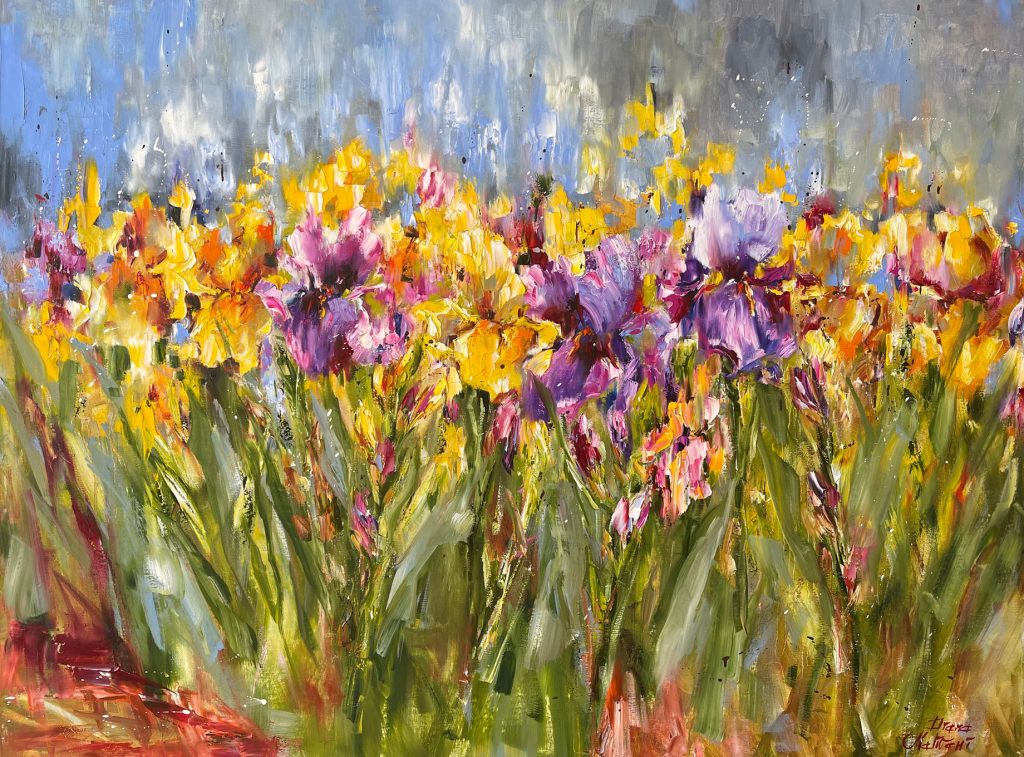
DISCOVER MORE: Click here to dive into the world of musical creativity
Visual Art as a Catalyst for Narrative Creation
The symbiotic relationship between visual art and writing manifests in various forms, where a single brushstroke or the click of a camera shutter can serve as the fervent spark igniting a writer’s imagination. The profound ability of art to convey a rich tapestry of emotions often propels writers into uncharted creative territories, engaging their senses and sharpening their narratives. This dynamic interaction resonates strongly with both emerging and established authors, proving that visual art is not merely an inspiration but a transformative element in the writing process.
The Emotional Resonance of Paintings
Paintings often encapsulate complex human experiences in a single frame, offering writers a plethora of themes to explore. For instance, the use of color and form in a piece like Vincent van Gogh’s “Starry Night” transcends the mere visual experience, inviting interpretations that range from existential pondering to a sense of cosmic wonder. Writers can tap into the emotional depth depicted in such works, shaping characters who reflect similar internal struggles or find solace in the beauty of their surroundings.
- Thematic Depth: Colors and textures in a painting can evoke specific themes like hope, despair, or nostalgia, facilitating a rich foundation for story arcs.
- Character Development: Writers can create multi-dimensional characters inspired by figures in paintings, infusing their narratives with distinct motives and emotions drawn from the art’s essence.
- Setting Establishment: The imagery within a painting can serve as a backdrop, enriching the world in which the characters reside and enhancing the overall atmosphere of the narrative.
The Narrative Power of Photography
With the advent of modern photography, the narrative potential has expanded exponentially. A photograph can freeze a moment in time, capturing raw emotions and invoking stories waiting to unfold. For example, photographs taken during pivotal historical events serve as powerful prompts. An image from the civil rights movement can inspire poignant reflections on social injustice, urging writers to examine the impact of history on personal identities.
Moreover, photographs can spark innovative storytelling techniques, fueling genres like memoir and creative nonfiction where images and words coexist harmoniously. The interplay between visuals and texts can break traditional barriers, allowing readers to experience narratives in a more immersive manner. Photographers such as Dorothea Lange, known for her poignant depictions of the Great Depression, illustrate how images of struggle can provoke deep emotional responses and inspire narrative exploration.
Art as a Collaborative Experience
As contemporary writers increasingly gravitate towards collaborative projects with artists, the exploration of visual art in literature continues to evolve. Writers’ retreats that pair authors with visual artists create environments ripe for innovation, leading to unique blendings of prose with visual elements. Such fusion allows for a creative process where the two disciplines inform and enhance one another, reinforcing the idea that words and images together can create narratives that resonate profoundly with audiences.
This exploration of the connections between visual art and literature reveals a rich landscape where creativity flourishes, encouraging writers to delve into the colors and contours of emotion. As we continue to uncover the intricate interplay between these art forms, the potential for inspired narratives through paintings and photographs becomes increasingly apparent, shaping the way stories are told and experienced.
Visual art has an unparalleled ability to evoke emotions and tell stories, effectively bridging the gap between visual and written expression. Paintings and photographs, steeped in history and culture, can breathe life into narratives, guiding writers to explore new dimensions and depths in their work. For instance, consider how Monet’s impressionist landscapes can inspire vivid descriptions of nature in poetry, illuminating a writer’s imagination with shades of color and light.Writers often find their muse within the frames of iconic art pieces. The stark contrast and deep emotions captured in Edvard Munch’s “The Scream” can serve as a catalyst for crafting narratives surrounding themes of existential dread and human experience. This intersection fosters a creative synergy where visual aesthetics inform literary style, allowing for a richer tapestry of storytelling. The act of “[painting](https://example.com)” with words can draw from an artist’s palette, inviting readers to not only visualize scenes but also to feel the intricate nuances of mood.Moreover, photography opens a window into narratives that might otherwise remain untold, capturing fleeting moments in time that resonate with the audience. A powerful photograph can encapsulate layers of meaning, prompting writers to delve into backstories or potential future implications. With the rise of visual culture, writers have more opportunities than ever to harness the emotional resonance of imagery, transforming scenes into compelling narratives.As writers engage with visual art, they embark on a journey that often leads to unexpected discoveries. Techniques like ekphrasis—descriptions of visual art within text—profoundly enhance storytelling, offering a dialogue between the two forms of creativity. Not only does this practice enrich the writer’s repertoire, but it also invites readers to engage with art and literature in a multidimensional manner.In summary, the interplay between visual art and writing not only inspires creativity but also serves as a reminder of the power of imagery in shaping our perceptions and narratives. As writers seek new pathways for expression, they will continue to draw from the wellspring of visual art, cultivating stories that resonate deeply with audiences, inviting reflection and dialogue. For those curious to explore this connection further, resources abound, including workshops and exhibitions that showcase the relationship between these vital forms of human expression. Whether through research or firsthand experience, the journey of integrating visual art into writing holds endless possibilities for discovery and enlightenment.
DIVE DEEPER: Click here to start your creative journey
Connecting Art with Cultural Narratives
The influence of visual art on writing extends beyond individual interpretation; it often encapsulates broader cultural narratives that resonate with specific audiences. Art serves not only as a reflection of personal experiences but also as a commentary on societal issues, providing writers with rich material to explore themes of identity, resistance, and transformation. For instance, the Harlem Renaissance was marked by a potent fusion of visual and literary arts, where painters like Jacob Lawrence visually chronicled the African American experience, inspiring writers such as Langston Hughes and Zora Neale Hurston to shape their narratives around the cultural struggles and triumphs depicted in art.
Artistic Movements and Their Impact on Writing
Throughout history, various artistic movements have sparked waves of literary innovation. The Impressionist movement, characterized by its focus on light and color, inspired writers to adopt similar techniques in their prose. For example, writers like Virginia Woolf embraced stream-of-consciousness narratives that captured the fluidity of thought and experience, much like how Impressionist paintings capture fleeting moments. These literary techniques allow for rich, layered storytelling that invites readers to engage their imaginations actively.
- Intersections with Modernism: Modernist literature, emerging from the late 19th to early 20th century, was deeply intertwined with contemporary visual art movements like Cubism. Authors such as James Joyce and T.S. Eliot utilized fragmented narratives and unconventional structures that echoed the disjointed forms of the visual arts, ultimately transforming the landscape of narrative form.
- Postmodern Eclecticism: In a postmodern context, writers draw upon diverse genres and artistic styles, using visual art as both a muse and a method of exploration. This eclectic approach fosters creative storytelling that transcends boundaries, illustrating how images can be manipulated through words to construct intricate narratives.
The Role of Exhibitions in Shaping Literary Culture
Art exhibitions, from gallery showcases to museum installations, serve as a vital conduit for interaction between the visual and literary realms. Writers often attend these exhibitions seeking inspiration or even collaboration opportunities. Special exhibits, such as the renowned “Art and Literature” series, invite authors to compose works inspired by specific artists or collections. This collaborative environment creates new narratives, as writers are challenged to articulate their responses to visual stimuli, thus, further enriching the literary canon.
Moreover, the increasing trend of artist residencies for writers highlights the importance of immersive experiences in creative development. Author residencies at art centers offer writers time to engage with visual works directly and create unique pieces that blend literary imagination with artistic expression. Such endeavors not only strengthen the writer’s voice but also promote a broader appreciation for visual art’s role in narrative construction.
The Digital Era: A New Canvas for Creative Expression
The advancement of digital media has introduced innovative avenues for merging visual art and writing. Online platforms allow writers to share their work alongside visual content, whether through social media, blogs, or e-books featuring embedded images. This accessibility encourages a new generation of artists and writers to engage and redefine storytelling in a multi-sensory format. By integrating visual elements into literary works, authors can reach broader audiences, creating narratives that resonate on various emotional levels.
As writers immerse themselves in the vibrant world of visual arts, the scope of their narratives expands, leading to a richer, more engaging literary landscape that reflects the complexity of human experience. Embracing this interplay between art and writing opens up exciting possibilities, inviting both artists and writers to play vital roles in shaping the narratives that define our world.
DIVE DEEPER: Click here to unlock your creativity
Conclusion: The Symbiotic Relationship Between Visual Art and Writing
The intricate connection between visual art and writing has proven to be a profound source of inspiration for countless narratives throughout history. By exploring the ways in which visual art influences narrative construction, we uncover a dynamic interplay that enriches both fields. As seen through various artistic movements—from the emotive brush strokes of Impressionism to the fragmented reflections of Modernism—writers can echo the aesthetic experiences captured in paintings and photographs, resulting in layered storytelling that resonates with audiences on multiple levels.
Moreover, the digital era has revolutionized this relationship, offering modern writers the tools to seamlessly blend words and images, thus inviting readers into immersive experiences that transcend traditional storytelling. As this multi-sensory approach gains traction, it caters to a diverse audience, fostering deeper connections and facilitating dialogues that bridge the gap between art and literature.
Ultimately, the exploration of visual art continues to inspire writers, encouraging them to delve into cultural narratives that reflect societal issues and shared human experiences. As writers draw from their encounters with visual works, they contribute to a rich tapestry of narratives that celebrate the interconnectedness of art and literature. By embracing this collaborative spirit, both artists and writers can push boundaries, creating innovative works that invite reflection and dialogue, shaping the cultural landscape for future generations.