
The intersection between visual design and handcraft: exploring the value of authenticity
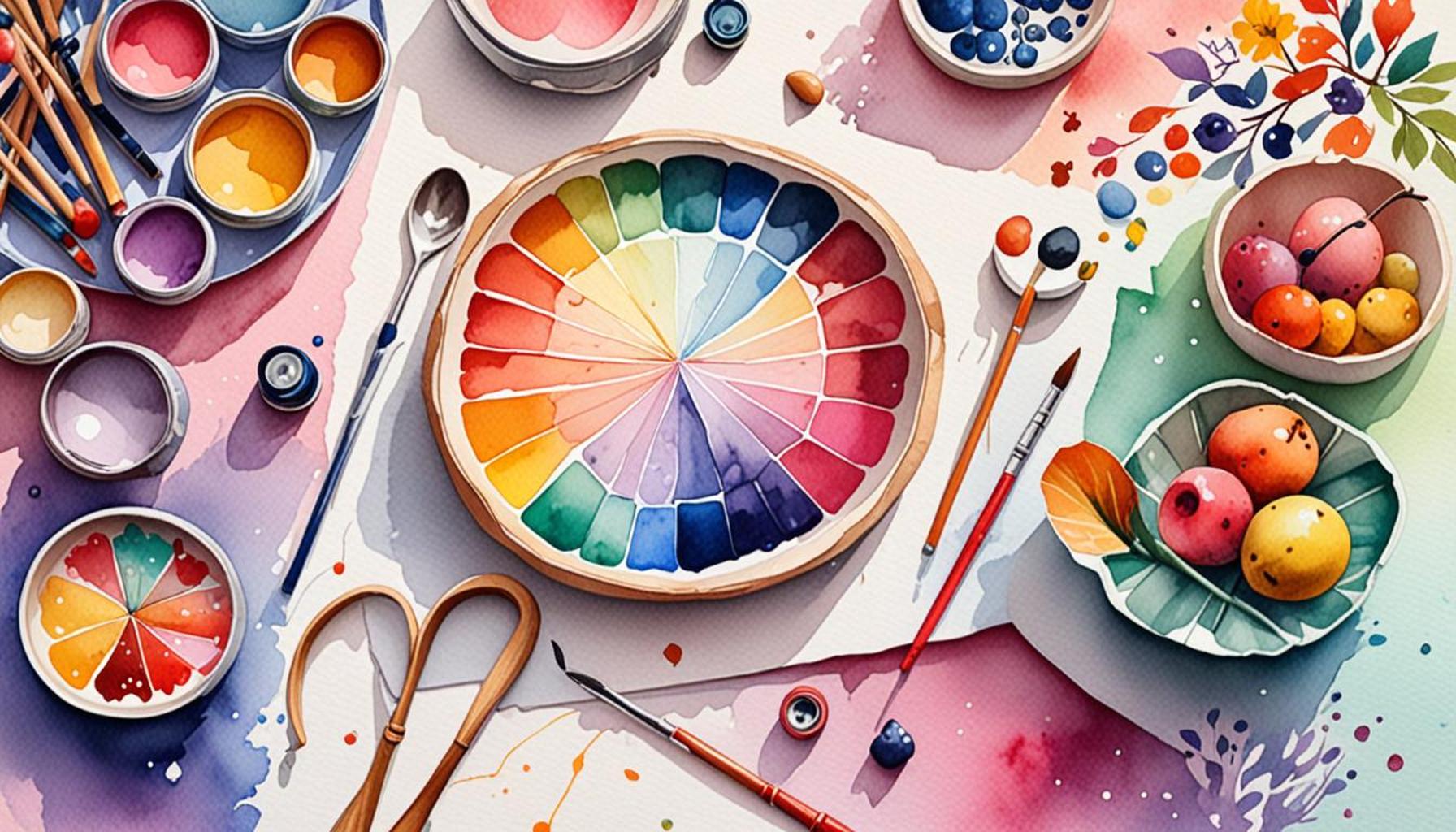
The Intersection of Visual Design and Handcraft
In a world dominated by digital creation, the value of authenticity in design is gaining renewed interest. As consumers become increasingly aware of the stories behind products, the blend of visual design and handcraft is emerging as a compelling narrative. This convergence invites us to consider the emotional and aesthetic significance of handmade items in a mass-produced landscape. The process of handcrafting lets artists inject their personal touch into each piece, making every item distinct and meaningful.
Key aspects that fuel this intersection include:
- Individuality – Each handcrafted item holds a unique story, reflecting the skills and personality of its creator. For example, in communities like Asheville, North Carolina, artisans often incorporate local materials and cultural references, embodying the landscape’s spirit in their work. This individuality resonates deeply with consumers who seek more than just a product; they desire a connection to the maker and their process.
- Sustainability – Many craftspeople prioritize eco-friendly materials, offering an alternative to disposable design. As awareness about environmental impact increases, artisans in the U.S. are adopting practices that minimize waste. Brands such as 1% for the Planet encourage businesses to donate a portion of revenue to environmental causes, fostering a culture of responsibility among creators while promoting sustainable goods.
- Connection – The bond between the maker and the consumer strengthens through appreciation of the craft. Through platforms like Etsy or local craft fairs, shoppers can meet the creators, hear their stories, and even see the production process. This direct interaction enhances the purchase experience, transforming a simple transaction into a meaningful exchange that honors craftsmanship.
As we explore these themes further, we see contemporary examples from the United States where local artisans are redefining aesthetics in visual design. Notable trends include the rise of handmade pottery, textile arts, and custom furniture that prioritize rich textures and personal narratives. The artisans often fuse traditional techniques with modern aesthetics, resulting in works that are both functional and artistic. This integration raises questions about the role of technology in crafting: what are the benefits and drawbacks of using digital tools in the handcraft process?
Thought-provoking questions emerge from this dialogue:
- Can authenticity thrive in a fast-paced, digital environment? As online shopping becomes increasingly prevalent, customers must navigate a sea of options, distinguishing genuine handmade products from mass-produced imitations.
- What role does craftsmanship play in visual branding? Many companies now leverage storytelling as a marketing strategy, showcasing not only their products but also the artisans behind them, thus adding layers to their brand identity.
- How can design advances enhance, rather than dilute, the handmade ethos? The adoption of tools such as 3D printing can raise questions about originality; however, when used correctly, these technologies could enable artisans to expand their creative horizons while remaining true to their handcrafted roots.
Join us as we uncover the values that lie at this intriguing intersection, celebrating the rich layers of meaning behind visual design and handcraft. In this exploration, we will reveal not only the aesthetic dimensions but also the sustainable and emotional narratives that connect consumers to their purchases, enriching both lives and communities.

DISCOVER MORE: Click here to learn how creativity can change lives
Embracing Individuality in a Mass-Market World
The concept of individuality is paramount in the intersection of visual design and handcraft, serving as a counterpoint to the sterile uniformity often associated with mass production. Handcrafted items encapsulate not only the skills but also the personal narratives of their makers. For instance, in the vibrant artisanal scene of Santa Fe, New Mexico, local potters and weavers draw from Native American traditions, infusing contemporary techniques with ancient practices. Such works reflect a cultural tapestry enriched by history and tradition, setting them apart in a marketplace flooded with generic designs.
As consumers increasingly seek authenticity, they are naturally drawn to products that tell a story. This desire extends beyond mere aesthetic appeal; it encompasses a longing for a connection with the maker. Artisans in the United States often use materials sourced from their surroundings, incorporating elements that celebrate their unique locales. Every piece becomes a conversation starter, a bridge between the artist’s experience and the buyer’s home. This desire for unique craftsmanship parallels a growing trend toward personalization in consumer goods, where individuals are eager to cultivate spaces that speak to their own identity.
The Role of Sustainability in Handcraft
Sustainability is an essential thread in this tapestry, intertwining with the ethos of handcraft to create a robust alternative to mass-produced items. Many contemporary artisans prioritize the use of eco-friendly materials, which not only contribute to environmental conservation but also elevate the quality of their work. In urban centers like Portland, Oregon, makers are utilizing reclaimed wood, organic fabrics, and non-toxic finishes to create aesthetically pleasing and environmentally responsible products. This commitment to sustainability resonates with consumers who are increasingly mindful of their choices and the implications of their purchases on the planet.
As we navigate this landscape, it is evident that the marriage of sustainability and authenticity is not just a trend but a growing movement. Artisans who prioritize these values often find themselves at the forefront of a cultural shift, crafting goods that are both beautiful and responsible. When consumers choose these products, they are not merely acquiring a physical item; they are endorsing a lifestyle that values ethical practices and sustainability.
Strengthening Connections through Local Craft
The emergence of platforms like Etsy and local craft fairs has transformed the way people communicate with artisans. Direct interaction fosters a sense of community and connection that is often absent in traditional retail settings. Shoppers gain access to the stories that breathe life into products, enriching the experience of ownership. The dialogue fostered by these platforms allows consumers to appreciate craftsmanship on a deeper level, where the narrative surrounding a piece becomes as significant as its form and function.
This enhanced interaction raises several questions for the industry:
- How can artisans effectively communicate their stories to potential buyers?
- What methods can be employed to ensure that authenticity remains a guiding principle in the era of digital design?
- In what ways do local craft movements impact regional economies and cultural identities?
In exploring these intersections, we can gain a profound appreciation for the emotional and cultural dimensions that accompany visual design and handcraft. The celebration of authenticity not only transforms consumer behavior but also invigorates communities, creating a richer tapestry of human experience in the modern marketplace.
| Category | Description |
|---|---|
| Visual Design | Captivating aesthetics that evoke emotion and connection. |
| Handcraftsmanship | Uniqueness and individual expression reflected in each crafted piece. |
| Cultural Significance | Preservation of traditions and crafts that tell a story. |
| Sustainability | Supporting local artisans and reducing environmental impact. |
In today’s fast-paced world, where mass production often overshadows authenticity, the intersection of visual design and handcraft offers a refreshing perspective. This blend emphasizes the significance of authenticity in visual narratives, providing a bridge between people and the stories embedded in handmade items. Each piece not only reflects a skilled artist’s vision but also embodies the cultural heritage from which it originates.Moreover, the allure of handcraftsmanship extends beyond mere aesthetics; it offers substantial environmental benefits as well. By opting for handmade creations, consumers engage in a sustainable marketplace that cherishes artistry while promoting ecological responsibility. This movement encourages a return to our roots, reminding us of the value found in individual craftsmanship. As visual design continues to evolve, the importance of these authentic expressions cannot be overlooked, encouraging individuals to seek out items that resonate deeply with their personal values and desires.
DISCOVER MORE: Click here for creative recycling ideas
Reviving Traditional Techniques in Contemporary Design
At the heart of the intersection between visual design and handcraft is the revival of traditional techniques that have often been overshadowed by modern methods. Craftspeople are increasingly looking to historical practices as a source of inspiration, marrying time-honored skills with modern aesthetics. For instance, in regions known for their rich heritage, such as New England or the Appalachian Mountains, artisans are reinterpreting lost forms of craftsmanship, such as Shaker-style furniture-making or quilting traditions. This blending of old and new not only enriches the design landscape but also elevates the cultural significance of handmade objects.
Moreover, the pursuit of authenticity can be observed in the meticulous attention to the material qualities inherent in handcrafted goods. Many artisans opt for locally sourced materials, which often carry an intrinsic narrative of the land they are harvested from. For example, the use of stoneware made from clay only found in specific regions familiarizes consumers with the geological identity of a product. This inherent connection between materials and place fosters a sense of pride among buyers, who often cherish the geographical story behind their acquisitions.
The Influence of Digital Tools on Handcraft
While handcraft may seem to stand in opposition to digital design, the reality is more nuanced as technology becomes a vital ally in the handcraft sector. Tools such as laser cutters and 3D printers have started to be utilized not to replace traditional handcraft techniques but to enhance them, allowing artisans to explore new dimensions in their work. For instance, ceramicists can employ digital modeling software to create intricate designs that would be nearly impossible to achieve by hand alone, then use these designs in conjunction with traditional glazing techniques. This hybridization maintains authenticity while embracing the possibilities of contemporary visual design.
Furthermore, the digital age has facilitated better access to global markets. Artisans can now showcase their work beyond local craft fairs, reaching an audience ready to invest in authentic, handcrafted items through social media platforms and dedicated websites. This democratizes visibility for artisans across the country and encourages a more diverse array of voices within the design community. Platforms like Instagram or Pinterest allow makers to not only share their finished products but also document their processes, thus inviting consumers into the intricate world of handcrafted artistry.
Connectedness: A Driving Force Behind Craft Communities
The resurgence of craft communities and contemporary makerspaces signifies a renewed interest in the processes behind handcrafted goods. These spaces facilitate collaboration among artists, designers, and hobbyists, breaking down the isolated nature of traditional artisan work. Such communal efforts often lead to the exchange of techniques, ideas, and resources, fostering innovation that respects historical methods while embracing modern sensibilities.
In cities like Chicago and San Francisco, craft festivals have mushroomed, drawing attention to the importance of community engagement in the creation of authentic works. These gatherings allow artisans to network, learn from one another, and engage directly with consumers, enhancing pride in craftsmanship and building a stronger community identity. An environment that promotes sharing stories, experiences, and techniques is crucial in navigating the complexities of visual design intertwined with handcraft.
Through the exploration of traditional techniques and the application of modern technology, a vibrant dialogue emerges between craftsmanship and contemporary design. This dialogue not only brings forth a new wave of authentic artistic expression but also breathes life into communities, fostering a robust connection among makers and consumers alike.
DIVE DEEPER: Click here to discover essential worldbuilding techniques
Conclusion: Embracing Authenticity in Design
The intersection between visual design and handcraft serves as a rich tapestry where authenticity thrives. Today’s consumers are increasingly drawn to the unique narratives behind handcrafted items, understanding that each piece encapsulates not just functionality but a cultural and historical narrative. As artisans revive traditional techniques and pair them with modern aesthetics, they provide a fresh lens through which to appreciate the past while innovating for the future. This fusion fosters an environment where creativity flourishes, inviting enthusiasts and casual buyers alike to delve deeper into the stories embedded within their purchases.
The integration of digital tools enhances this conversation, offering artisans new ways to express their craft without sacrificing authenticity. Tools such as 3D printers or digital modeling not only expand creative possibilities but also democratize access to markets, allowing a diverse range of voices to resonate in the design community. The thriving craft festivals and makerspaces across American cities further invigorate the movement, encouraging collaboration and the exchange of ideas that hold true to artisanal roots.
Ultimately, the value of authenticity in both visual design and handcraft goes beyond mere aesthetics; it embodies a deeper appreciation for the skills, materials, and narratives that shape our understanding of art and commerce. As we explore this intersection, we cultivate a greater awareness of the importance of community, sustainability, and individuality, enriching our cultural landscape one handcrafted piece at a time. In this vibrant dialogue, consumers have the opportunity to embrace not just products, but the stories and journeys behind them, fostering not only a personal connection but a sense of collective heritage.