The Intersection of Art and Nature: Exploring Outdoor Painting Techniques
The Beauty of Outdoor Painting
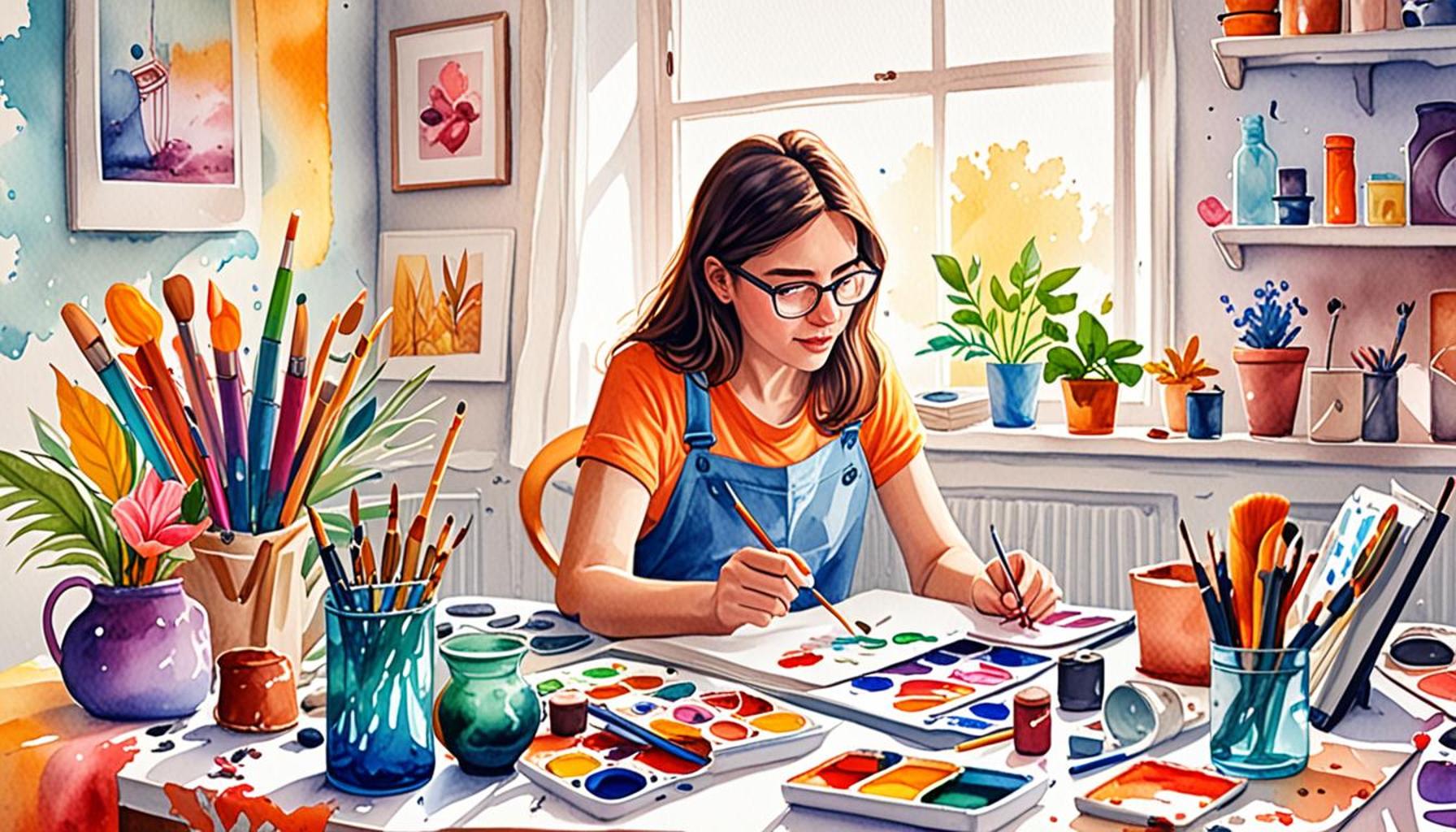
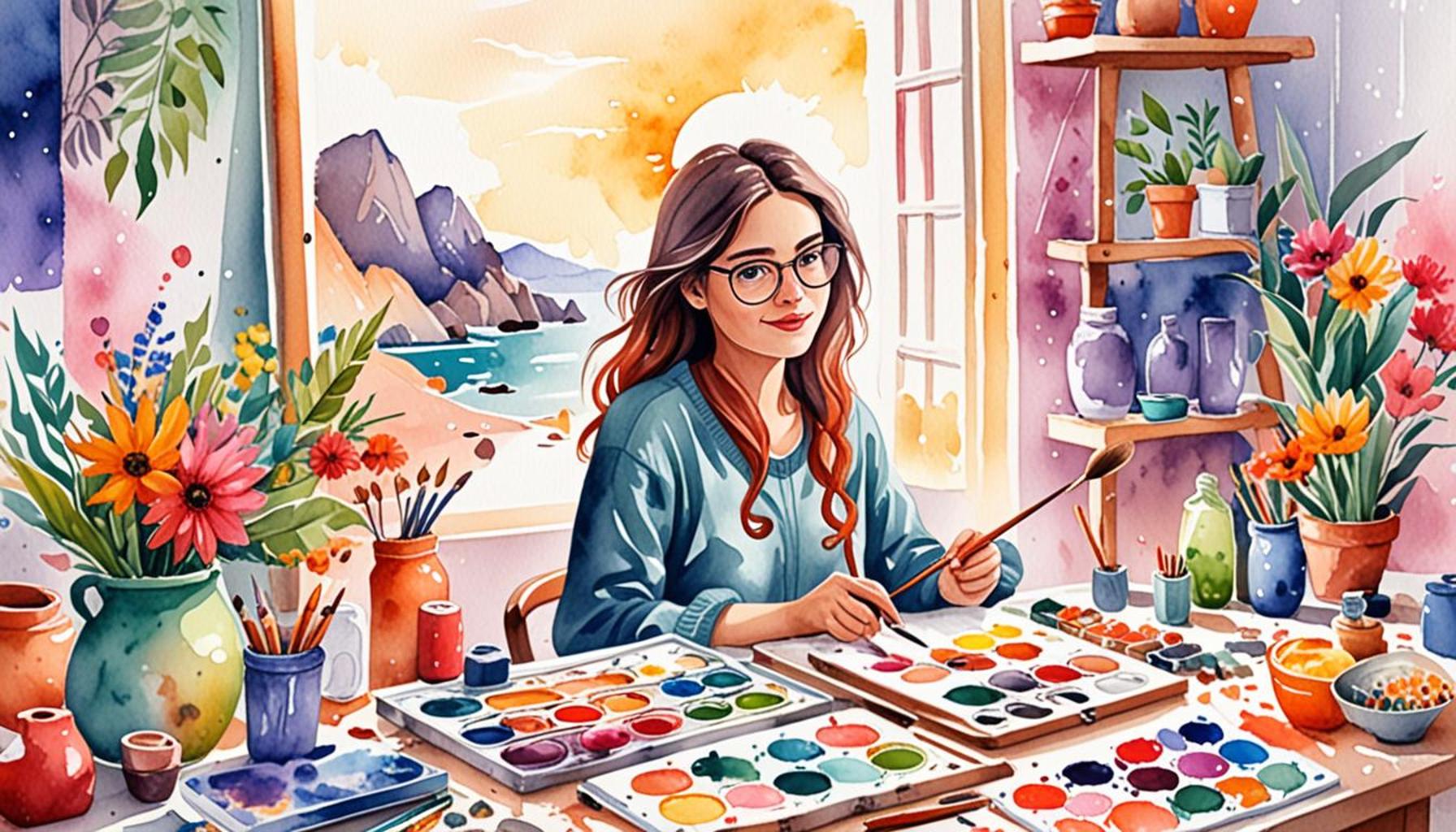
In the serene embrace of nature, creativity flourishes. Outdoor painting, where art meets landscape, offers artists a unique opportunity to capture the beauty and dynamism of the natural world. The act of stepping outside with canvas and brushes transforms the artist’s experience and enhances their connection to their surroundings, resulting in more profound artistic expression.
Imagine experiencing the rustling of leaves, the scent of fresh earth, and the play of light on water, all while creating your next masterpiece. These sensory elements are not mere distractions; they are crucial to the artistic process, influencing techniques and styles, and prompting countless inquiries:
- What techniques best reflect the essence of nature?
- How can artists effectively harness changing weather conditions?
- Which materials are best suited for outdoor environments?
Understanding the intersection of art and nature involves a careful exploration of varying mediums that can best translate the visual wonders of the world. For instance, watercolor is favored by many for its fluidity and ability to convey vibrant light effects; it allows for a spontaneous approach, as colors can blend seamlessly and create captivating landscapes with ease. Conversely, oil paints provide depth and richness, offering excellent texture and blending opportunities. Their slow-drying nature allows artists the luxury of time to refine their works outdoors. Meanwhile, acrylics have gained popularity due to their quick-drying properties and versatility, making them apt for artists working in varying climates and conditions.
For artists looking to capture the essence of a forest scene in Oregon or the vibrant colors of a sunset over the Grand Canyon, selecting the right medium is just the beginning. Weather conditions can dramatically influence an artist’s approach; painting in the humid heat of a summer afternoon in the Midwest contrasts sharply with a cool, crisp morning in the Rockies. Therefore, adaptability and preparedness become essential skills in outdoor painting.
As we delve deeper into this captivating subject, we will uncover essential tips and techniques. Consider the practice of plein air painting, which not only emphasizes the spontaneous beauty of the landscape but also encourages artists to immerse themselves fully in their surroundings. Join us in discovering how to best respond to the inspiration found in nature, ultimately enriching both your artistic practice and your appreciation of the natural world.
DISCOVER MORE: Click here to delve into the evolution of graphic design
Embracing the Elements: Key Techniques for Outdoor Painting
When artists set out to paint in nature, they are not merely replicating a landscape but engaging with it in a dynamic and immersive way. The act of outdoor painting, often referred to as “plein air” painting, allows artists to capture the essence of the moment, revealing the subtleties of light, color, and movement that can only be truly appreciated in situ. This practice encourages a deep connection with the environment, transforming the creative process into an exhilarating adventure that involves both technical skill and personal expression.
Natural light is arguably one of the most transformative elements in painting outdoors. Unlike a controlled studio setting, the changing light conditions outdoors present both challenges and opportunities. For instance, during the golden hours—the hour after sunrise and the hour before sunset—the sun casts warm tones that can illuminate a landscape in an ethereal glow. Artists often find that this time offers an exceptional range of color possibilities, from soft pinks and warm yellows to deep oranges. Similarly, the blue hour, occurring just before sunrise and after sunset, presents cooler tones that evoke tranquility and depth, making it a pivotal moment for capturing serene compositions.
To harness the power of light effectively, artists must train their eyes to observe not just how light illuminates a scene, but how it interacts with color. For example, the way sunlight filters through the leaves of a tree can create a dappled effect on the ground, allowing artists to play with contrasts, shadows, and reflections. Keeping a sketchbook handy to jot down color notes or quick sketches can be incredibly beneficial in facilitating this process.
Moreover, the element of movement in the natural world adds another layer of intrigue to outdoor painting. Elements such as gently flowing rivers, rustling leaves, or clouds drifting across the sky introduce a sense of dynamism to a static medium. Techniques from impressionism, which emphasizes capturing the fleeting qualities of light and motion, can be particularly advantageous here. For example, an artist might use rapid, short brush strokes to depict the movement of water, or a swirling mix of colors to represent the shifting clouds overhead. By embracing these techniques, artists not only translate motion into visual form but also invite viewers to experience the scene’s vitality and rhythm.
In addition to light and movement, composition is essential in creating engaging outdoor artworks. Here are several key strategies for artists to consider:
- Foreground Interest: Adding elements in the foreground—like flowers or rocks—can create a three-dimensional feel, pulling the viewer deeper into the space of the painting.
- Rule of Thirds: This classic approach divides the canvas into a 3×3 grid, helping artists position focal points at intersections. This technique not only enhances balance but also creates visual tension and interest.
- Leading Lines: Natural features such as paths, rivers, or fences can lead the viewer’s eye through the painting, establishing a clear journey and narrative within the artwork.
- Framing: Utilize existing elements within nature—trees or rock formations—to frame key subjects, drawing focus and adding context to the composition.
By employing these compositional strategies thoughtfully, artists can craft compelling narratives within their landscapes. This careful arrangement not only enhances the aesthetic quality of the work but also conveys a profound connection to the natural world. As outdoor painters continuously refine their techniques, they unlock new dimensions of creativity, ultimately inviting their audience to engage with nature in a fresh and inspiring way. In the following sections, we will explore practical tips that help artists streamline their workflow and cultivate their creative spirit amidst the beauty of the great outdoors.
| Advantages | Descriptions |
|---|---|
| Enhanced Creativity | Outdoor painting encourages artists to harness the elements of nature, fostering a unique artistic vision. |
| Direct Observation | Artists can capture the intricate details of natural scenery, enhancing their understanding of light, color, and texture. |
| Mindfulness and Connection | Being outdoors promotes a serene mindset, leading to greater emotional engagement in the creative process. |
| Expanding Techniques | Outdoor settings offer diverse conditions that challenge artists to expand their techniques and adapt their styles. |
Continuing with the exploration of outdoor painting techniques allows artists to experience creation in novel ways. The benefits of painting en plein air are not solely aesthetic but deeply experiential. For instance, the enhanced creativity gained from drawing inspiration from the environment opens doors to imaginative interpretations that cannot be achieved in a studio.Ultimately, this connection between art and nature does not solely refine artistic skills; it fosters a heightened sense of awareness of the world surrounding us. Observing changes in sunlight throughout the day can lead to insights into color theory and composition, as the shifting hues create a dynamic canvas that teems with life and fluctuation. Adding to this is the direct observation of nature which teaches artists to adapt quickly to various lighting conditions, improving responsiveness and technique versatility.Incorporating outdoor painting into one’s artistic routine serves to normalize exploration, cultivate a deeper understanding of environmental variables, and inspire a meaningful dialogue with nature’s complexities.
DISCOVER MORE: Click here
Connecting with Nature: Practical Tips for Outdoor Artists
While the principles of light, movement, and composition are foundational for outdoor painting, the practical aspects of painting en plein air also play a significant role in an artist’s ability to translate their vision onto the canvas. Embracing the unpredictability of nature requires a well-structured approach, ensuring that artists can maximize their time and creativity while outdoors.
Essential Supplies are paramount for any outdoor painting excursion. Artists should consider investing in a portable easel and lightweight, durable materials that can withstand various weather conditions. A basic plein air kit typically includes quality paints, brushes of varying sizes, a suitable palette, and a good set of canvas boards or pads. One popular option among artists is a field palette, which features a lid that protects the paints while being easy to transport and set up. Additionally, utilizing a watercolor sketchbook helps artists capture spontaneous ideas and observations without the anxiety of a large canvas.
Moreover, choosing the right location is essential to both inspiration and convenience. Artists should scout out locations that offer a mix of subject matter and accessibility, considering the time of day they plan to paint. For example, public parks and nature reserves often provide diverse landscapes, including rolling hills, lakes, and a variety of flora and fauna. Artists might also explore local urban parks or street corners, where the intersection of nature and humanity can create compelling compositions. Engaging with local art communities may also reveal hidden gems, allowing artists to gather insights about the best spots to paint.
As weather conditions can be unpredictable, preparation for the elements is crucial. Outdoor painters should pay attention to forecasts and be equipped with essentials such as sun hats, sunscreen, insect repellents, and even rain gear. Investing in a weatherproof art kit allows for flexibility; water-resistant canvases and paints can ensure one’s artwork remains intact even in changing conditions. Learning to embrace sudden changes in weather can lead to unexpected creative opportunities, offering new perspectives and moods that may not have been present in clearer skies.
Another integral part of outdoor painting is developing a quick setup routine. Efficiency can significantly enhance an artist’s experience, allowing for quick adjustments and maximizing painting time during fleeting moments of inspiration. Setting up in less than ten minutes not only streamlines the creative process but also encourages immersion into the scene before light or weather conditions alter significantly. To this end, practicing a simple, repeatable setup routine before heading outdoors can be immensely beneficial.
Documentation of the painting journey expands beyond just the artwork itself; keeping a nature journal can greatly enrich an artist’s creative practice. Documenting the experiences, observations, and emotions tied to specific locations—through sketches, notes, or photographs—serves a dual purpose: it sharpens observation skills for future projects and creates a reservoir of inspiration for future studio work. This archival practice can become an invaluable resource for exploring recurring themes, styles, and techniques in an artist’s body of work.
In sum, while techniques and aesthetics are crucial, the experience of outdoor painting is enhanced through thoughtful preparation, practical strategies, and a keen awareness of the ever-changing world around us. By embracing these elements, artists not only enrich their skills but also deepen their connection to the landscape, ultimately leading to more authentic and engaging artwork. As we delve further into this topic, we will consider the role of mindfulness and observation techniques in cultivating a harmonious relationship between artist and nature during the creative process.
DISCOVER MORE: Click here to dive into the world of musical creativity
Conclusion: Embracing the Harmony of Art and Nature
As we explore The Intersection of Art and Nature, it becomes clear that outdoor painting is not merely an artistic pursuit; it is a transformative experience that bridges the gap between the artist and the world around them. By engaging with the natural landscape, artists can immerse themselves in a sensory journey, capturing the essence of fleeting moments that may never be replicated. The practical wisdom gleaned from this article—essential supplies, location scouting, and preparation for the unpredictable elements of weather—serves as a foundation for thriving in the ever-changing outdoor environment.
Moreover, the importance of documentation through nature journaling adds another layer to the artist’s practice, allowing for a deeper reflection on their artistic evolution and the inspirations that bloom from their surroundings. The process of painting en plein air cultivates not only artistic techniques but also enhances one’s observational skills, igniting a renewed appreciation for the intricacies of the natural world.
Ultimately, outdoor painting empowers artists to nurture their creativity amidst the beauty of nature, fostering a symbiotic relationship that enriches both their work and personal growth. As you venture into the realm of outdoor art, remember to embrace spontaneity, cherish each unique encounter with nature, and let the environment guide your creative expression. The journey is just as important as the final piece, and in that exploration, you may uncover new layers of inspiration waiting to be painted on your canvas.