The Role of Artistic Exploration in Personal Growth and Self-Discovery
Unveiling the Depths of Personal Growth
Artistic exploration serves as a profound conduit for personal growth and self-discovery. Engaging in creative activities can open doors to new perspectives, enhance emotional expression, and deepen our understanding of ourselves. Through various forms of art, individuals can embark on a journey that fosters autonomy and imagination. This journey is not just about creating art; it’s about becoming more attuned to one’s thoughts and feelings, and understanding one’s place in the world.
- Creative Writing: Crafting stories or poetry allows for reflection and catharsis. For instance, journaling can provide a safe space to explore emotions that one may find difficult to express verbally. Many find solace in writing about their experiences, transforming pain into powerful narratives. Renowned authors like Maya Angelou often highlighted how writing served as an outlet for pain and triumph alike.
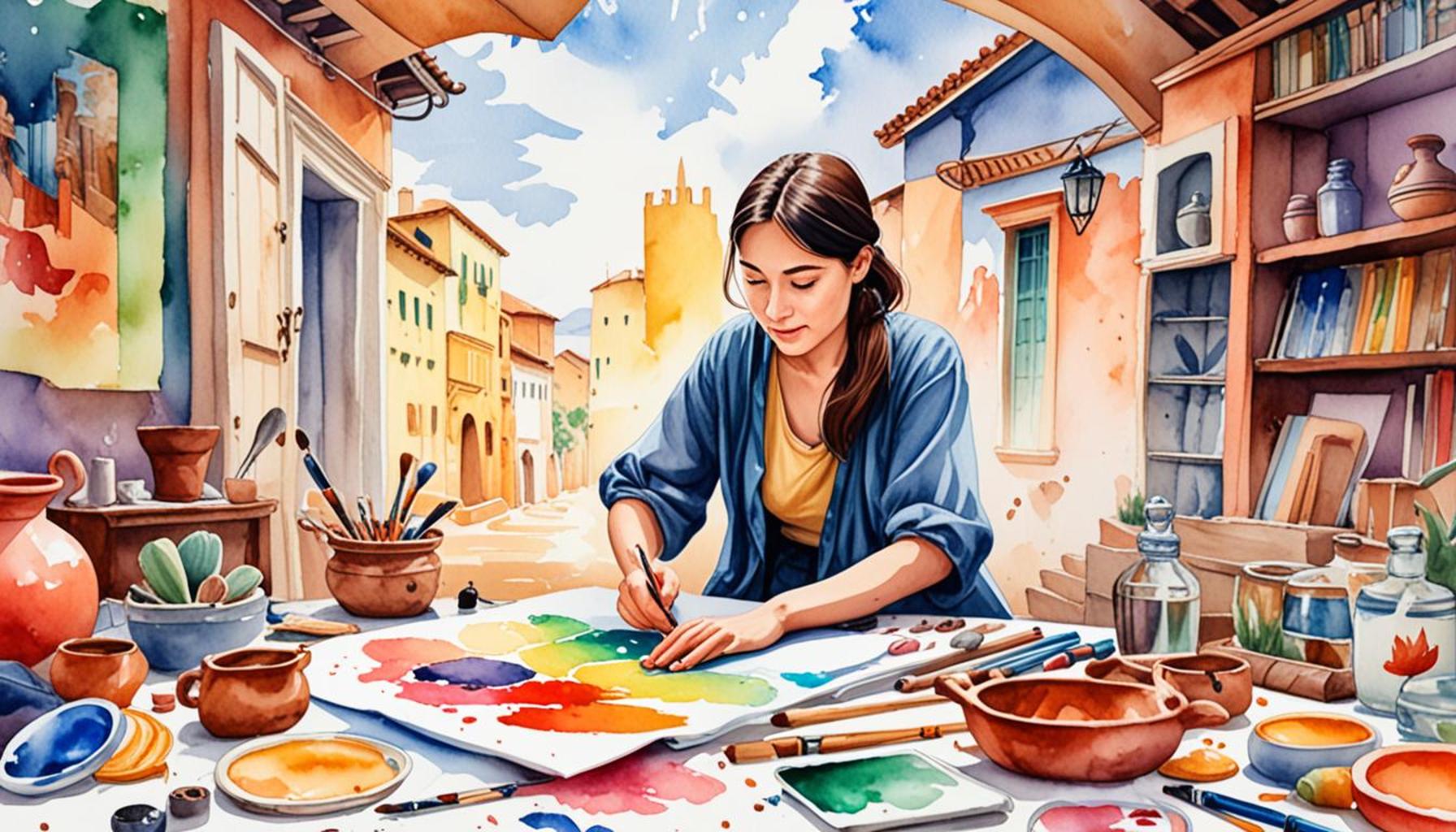
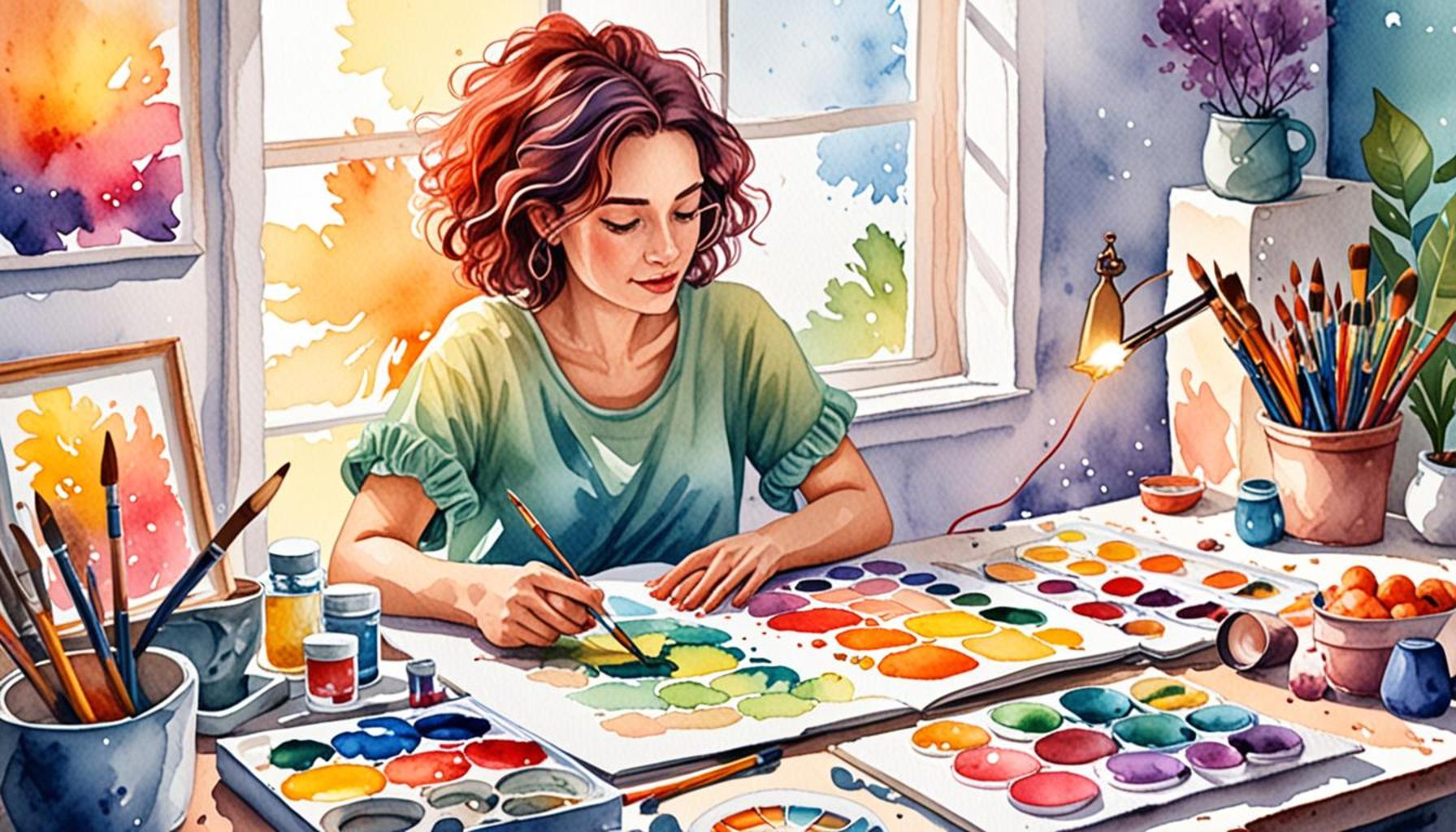
- Visual Arts: Painting or drawing can translate feelings into images, revealing hidden truths. Programs such as art therapy enable individuals to express difficult feelings non-verbally, often leading to breakthroughs in self-awareness. The works of Vincent van Gogh, who struggled with mental health, illustrate the profound connection between emotional turmoil and visual expression.
- Music: Composing or playing instruments nurtures connection and emotional release. Playing an instrument can be a meditative experience, allowing musicians to process feelings and connect with others. Community music programs across the United States exemplify how the power of collective music-making can forge connections among diverse groups.
These artistic pursuits not only encourage experimentation but also empower individuals to confront their inner thoughts and feelings. As one delves into the realm of creativity, they often discover:
- A renewed sense of identity and purpose, often articulated through art.
- The ability to navigate life’s challenges more effectively, using creative problem-solving techniques drawn from their artistic experiences.
- Stronger emotional resilience and adaptability, as engaging with art can foster a mindset open to change and growth.
Understanding this connection between art and self-awareness is crucial. By integrating artistic exploration into our lives, we enhance not only our creativity but also our capacity for personal transformation. For example, individuals recovering from traumatic events may find painting or music therapy instrumental in their healing journeys. The vibrant arts communities in cities like Nashville or New York also highlight the richness of artistic expression as a tool for societal growth and connection.
This article will delve into how these interactions shape our identity and encourage growth, inviting readers to explore their own paths. As we embrace art in its many forms, we not only enrich our own lives but also contribute to the cultural tapestry of our communities, paving the way for a collective journey toward self-discovery.
DIVE DEEPER: Click here to discover the evolution of graphic design
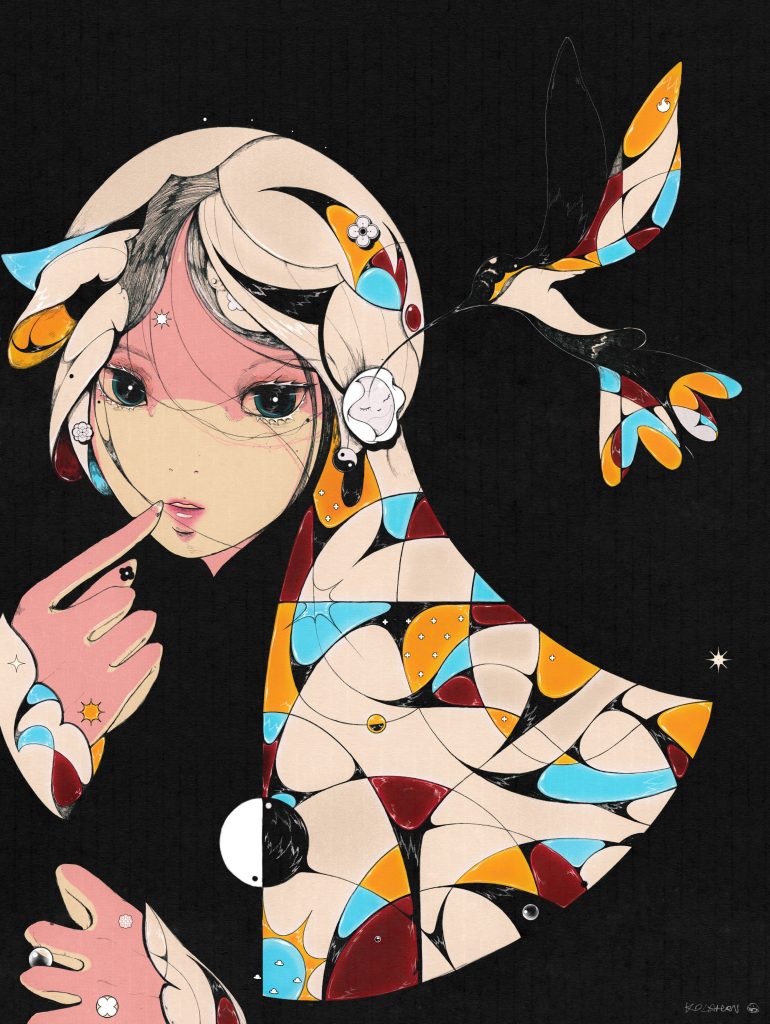
Artistic Mediums as Mirrors to the Soul
In the labyrinth of personal growth and self-discovery, artistic exploration functions not merely as an outlet for creativity but as a reflective surface revealing our deepest selves. Each brushstroke, note, or word penned serves as a beacon illuminating uncharted territories of our psyche. By engaging in creative endeavors, individuals embark on a quest to connect with their innermost thoughts, emotions, and ultimately, their essence. A variety of artistic mediums have emerged as tools of revelation, each offering unique avenues to explore and understand oneself.
Unlocking Emotions Through Creative Writing
Creative writing stands out as a formidable vehicle for introspection, inviting individuals to articulate their hopes, fears, and experiences. Journaling, in particular, acts as a sanctuary, facilitating a dialogue between the writer and their emotions. Studies show that those who engage in regular journaling report increased emotional clarity and reduced stress levels. Notable figures like Sylvia Plath have demonstrated how writing strips away superficial layers to expose raw, authentic experiences. The cathartic process of putting pen to paper not only legitimizes feelings but also catalyzes personal transformation by allowing individuals to rewrite their narratives.
Visual Arts as a Pathway to Insight
Visual arts furnish a vibrant canvas for emotional expression and understanding. Engaging in activities such as painting, drawing, or sculpture can serve as an exploration of one’s emotional landscape. Art therapy, a respected discipline, harnesses the power of creative expression as a means to facilitate healing. When individuals create visual art, they often access emotions that lie beyond verbal articulation. For example, a study conducted by the American Art Therapy Association revealed that individuals participating in art therapy experienced significant reductions in anxiety and depressive symptoms, highlighting the effectiveness of visual arts in promoting mental well-being and awareness.
The Harmonic Connection of Music
Music also plays a crucial role in the journey of self-discovery. Whether through composing melodies, playing instruments, or singing, participants often find themselves in a state of flow, a psychological phenomenon that enhances focus and creativity. Engaging in communal music-making activities, such as drum circles or choirs, fosters a sense of belonging and shared experience. Research indicates that participating in group music activities can boost self-esteem and social connectivity, both of which are vital components of personal growth. The emotional power of music, from the haunting strains of a solo piano to the exuberance of a lively band, invites individuals to explore and express their emotional depths significantly.
- The act of creation fosters self-awareness and reflection, empowering individuals to confront challenges directly.
- Artistic expression allows for experimentation with identity, leading to a clearer understanding of oneself.
- Community engagement through artistic practices cultivates a support system essential for personal growth.
Artistic exploration does not merely serve as an escape; it ignites the flame of self-awareness and understanding. Engaging with art strengthens the mind’s resilience, providing tools to navigate life’s complexities. The vibrant creative practices across the United States—from local poetry slams to community art installations—underscore how art can not only transform individual lives but also reshape communities, paving pathways to collective self-discovery.
| Advantage | Impact on Growth |
|---|---|
| Enhanced Self-Awareness | Artistic exploration encourages individuals to reflect on their feelings and experiences, fostering a deeper understanding of themselves. |
| Increased Creativity | Engaging in art forms such as painting or music can spark new ideas and approaches to problems in everyday life. |
| Emotional Healing | Art acts as a powerful outlet for expressing emotions, facilitating recovery from trauma or stress. |
Artistic exploration is not merely a hobby; it serves as a pathway to achieving profound personal growth and self-discovery. By delving into various art forms—whether through visual arts, music, or dance—individuals can unlock hidden aspects of themselves, leading to greater clarity and purpose. The practice nurtures innovation and imaginative thinking, pushing the limits of conventional problem-solving in daily life. Engaging in artistic endeavors also provides a unique form of emotional release, helping people process and heal from their life’s challenges. These elements combined illustrate why artistic exploration is crucial for anyone looking to establish a deeper connection with themselves and the world around them. Exploring these facets of personal growth can drastically transform one’s life, revealing the innate potential each individual possesses when unearthing their creative side.
DIVE DEEPER: Click here to unlock the power of creativity on mental health
Embracing the Transformative Power of Performance Arts
While visual arts and writing serve as profound mediums for introspection, performance arts such as theater, dance, and improvisation offer unique experiences that fuse emotional expression with physical embodiment. Through these dynamic forms of art, individuals step into roles that allow them to explore aspects of their identity, ultimately leading to a deeper understanding of self. The transformative nature of performing not only enhances emotional intelligence but also cultivates confidence and communication skills.
Theater as a Tool for Empathy and Reflection
Theater provides a compelling platform for personal growth, as it invites participants to inhabit diverse characters and perspectives. Acting training encourages individuals to delve into emotional nuances, fostering a profound sense of empathy. Programs such as Augusto Boal’s *Theater of the Oppressed* empower communities to enact social issues and challenge personal beliefs, enhancing self-awareness among participants. Moreover, studies have shown that engagement in theater can lead to increased critical thinking and problem-solving abilities—skills vital for navigating life’s complexities.
Dance: Moving Beyond Words
Dance transforms the body into a vehicle of communication, where movement becomes the language of emotions. This artistic exploration cultivates mindfulness, as dancers focus on their physical sensations, breath, and rhythm. Styles ranging from ballet to hip-hop encourage self-expression while also fostering a sense of community among performers. Research highlights that dance can lower levels of anxiety and depression while enhancing cognitive function due to its combination of physical activity and creative engagement. A notable example includes programs like *Dancing Classrooms*, which demonstrates the profound impact dance can have on youth development, teaching discipline, teamwork, and self-esteem.
Improvisation and the Art of Adaptability
Improvisation offers a unique path to self-discovery by training individuals to think on their feet and embrace uncertainty. The spontaneous nature of improv requires participants to let go of rigid expectations, encouraging a mindset of acceptance and flexibility. Hosts like Tina Fey and Steve Carell have often credited improvisational training as instrumental in shaping their careers, emphasizing its role in enhancing creativity and adaptability. Moreover, community improv workshops can foster connections among participants, strengthening interpersonal skills and creating profound support networks vital for personal development.
- Performance arts cultivate both emotional and physical self-awareness, enriching the personal growth journey.
- Participating in theater, dance, or improvisation empowers individuals to challenge societal norms and confront personal barriers.
- Engaging in performance arts invigorates a sense of community, offering opportunities for collaborative growth and shared experiences.
The realm of artistic exploration through performance arts is a gateway to deeper connections with oneself and others. As individuals immerse themselves in these creative practices, the potential for transformation and self-discovery becomes boundless. Through rehearsal rooms, stages, and dance studios across the United States, people continue to discover the life-changing effects of artistic expression, reminding us that true growth often lies just beyond the edges of our comfort zones.
DISCOVER MORE: Click here to learn about the evolution of graphic design
Conclusion: Unlocking Potential Through Artistic Exploration
In summary, the journey of artistic exploration serves as a powerful catalyst for personal growth and self-discovery. By engaging in various forms of creative expression, from visual arts to performance pieces, individuals unlock hidden facets of their identity and hone their emotional awareness. Each artistic medium not only provides a space for introspection but also helps cultivate vital life skills, such as empathy, adaptability, and confidence, which are critical for navigating the complexities of modern life.
The intimate yet interconnected nature of theater, dance, and improvisation showcases how these forms of art can disrupt self-imposed limitations and foster resilience. Programs across the United States exemplify this transformative potential, highlighting the importance of community and collaboration in the growth process. The arts remind us that vulnerability is a strength and that by stepping outside our comfort zones, we can uncover deeper truths about ourselves and the world around us.
As we embrace the myriad ways artistic exploration enriches our lives, we must be open to its profound impacts, allowing creativity to guide us toward enhanced self-awareness and fulfillment. Engaging with the arts invites us to embark on an ongoing adventure of discovery—one where the journey itself is as meaningful as the destination. Ultimately, the choice to explore art in our lives can lead to unparalleled opportunities for self-discovery, making it a vital component of personal development.