The Role of Handicrafts in Mental Health and Well-Being
Exploring the Connection Between Handicrafts and Mental Health
Handicrafts have long been celebrated for their ability to foster creativity and self-expression. Recent studies have uncovered a deeper significance to these activities: they play a crucial role in promoting mental health and well-being. In an age where stress and anxiety levels are on the rise, engaging in handicrafts offers a therapeutic escape, allowing individuals a break from the everyday pressures of life. Crafting is not just a pastime; it is a transformative experience that can lead to meaningful benefits.
- Reduces Stress: Crafting provides a mindful distraction, allowing individuals to focus on the task at hand. The repetitive motions involved in activities like knitting or painting can enter the brain into a meditative state, significantly lowering cortisol levels, which are associated with stress. For example, studies have shown that both knitting and crocheting can help reduce anxiety and promote relaxation, making them perfect stress-relievers.
- Enhances Mood: The act of creating something tangible can boost self-esteem and provide a sense of achievement. Completing a project, whether it’s a hand-knit scarf or a beautifully painted canvas, instills a sense of accomplishment that can elevate mood significantly. Engaging in these activities often results in a visual manifestation of one’s efforts, providing both a physical and emotional reward.
- Fosters Connection: Group crafting sessions encourage social interaction and community building. Joining a class or a local crafting group can lead to new friendships and a support network that is crucial for mental well-being. Activities such as community quilting bees or pottery classes not only promote teamwork but can also combat loneliness, which is a growing concern in today’s fast-paced society.
Moreover, various forms of handicrafts are accessible to everyone. From knitting and woodworking to pottery and painting, there’s something for every skill level. This inclusivity makes handicrafts an effective tool for improving mental well-being, breaking down barriers that often inhibit engagement in therapeutic activities. For instance, someone with no previous crafting experience can easily start with simple projects like painting stones or making friendship bracelets, which require minimal materials and can provide immediate gratification.
In recent years, mental health initiatives across the United States have increasingly recognized the value of arts and crafts as complementary therapies. Organizations like Art Therapy Credentials Board (ATCB) promote these forms of creative expression as viable options for coping with mental health issues. In particular, community-based workshops are becoming popular, where individuals can come together to create and share their experiences, reinforcing the connection between crafting and emotional healing.
In the following sections, we will delve deeper into the specific benefits and therapeutic effects of handicrafts. You will learn how these creative pursuits can transform mental health outcomes and contribute to a more fulfilling life. As you explore these benefits, consider how incorporating handicrafts into your daily routine could enhance your overall sense of well-being, and inspire you to discover new avenues of self-expression and community engagement.
The Therapeutic Benefits of Crafting
Engaging in handicrafts has been shown to offer numerous therapeutic benefits that directly contribute to mental health and well-being. The act of creating something with one’s hands taps into a primal form of expression and has been used across cultures as a form of stress relief and relaxation. As mental health challenges become more prevalent, the exploration of handicrafts as a source of healing and emotional support has gained significant interest. Here, we delve into some of the key benefits that crafting provides, emphasizing its role in enhancing mental wellness.
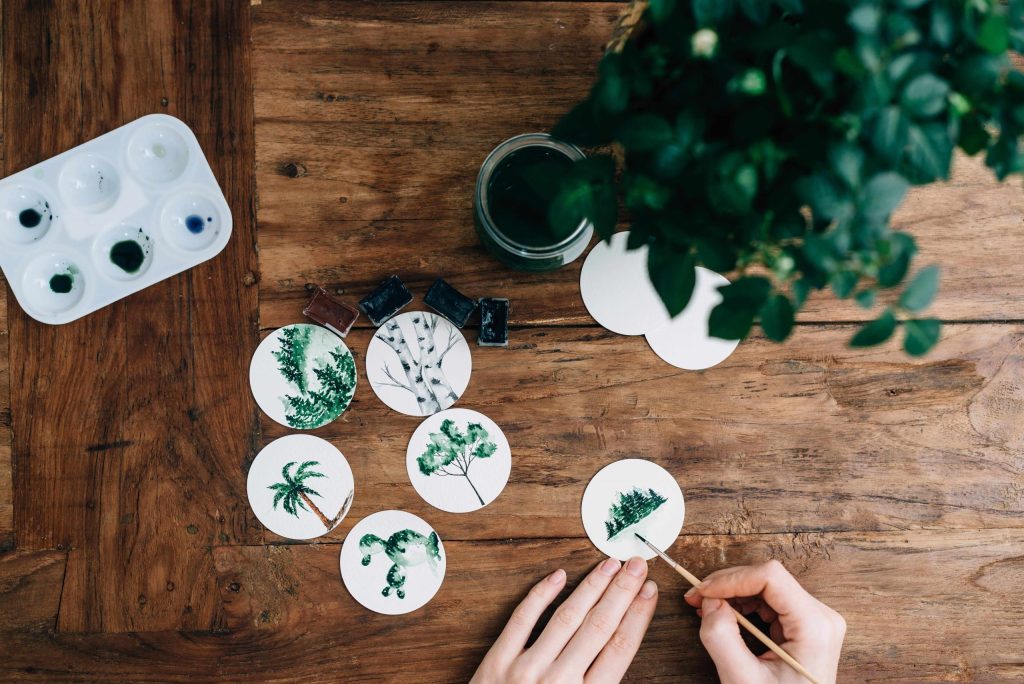
- Encourages Mindfulness: Crafting inherently requires focus and attention, which can lead to a mindfulness practice. Whether it’s embarking on a complex woodworking project or simply coloring in an adult coloring book, the concentration required helps individuals to be present in the moment. This mindfulness can reduce racing thoughts and create a calming escape from anxiety.
- Promotes Cognitive Function: Handicrafts often involve problem-solving and critical thinking skills, especially in activities like sewing or building. These mental exercises stimulate brain function and may even contribute to improved cognitive health over time. Engaging in such tasks enhances neuroplasticity—the brain’s ability to adapt and grow—which is essential for ongoing mental acuity.
- Facilitates Emotional Expression: Crafting provides a unique outlet for expressing feelings that may be difficult to articulate verbally. Art therapy, for instance, employs creative processes to help individuals process emotions and communicate non-verbally. Through color, texture, and form, practitioners can convey experiences of sadness, joy, or anger, making crafting a powerful tool for emotional release.
- Builds Resilience: Encountering challenges during the creative process—be it a mistake in knitting or a miscalculation in a pottery piece—can teach problem-solving skills and resilience. Learning to navigate through these obstacles fosters a sense of strength and perseverance that can be translated to everyday life challenges.
Research highlights that individuals who engage in crafting report feelings of fulfillment and joy, often attributing their improved mental health to the time spent creating. A study from the American Journal of Public Health indicated that people who participated in creative activities such as knitting, ceramics, and painting experienced decreased feelings of depression and increased levels of happiness. These findings underscore the profound impact of handicrafts as a means of enhancing emotional stability.
As mental health practitioners look for holistic approaches to treatment, incorporating handicrafts into therapeutic programs is steadily gaining traction. From hobby groups in community centers to art therapy sessions led by trained professionals, the accessibility and versatility of handicraft activities make them an appealing option for many seeking relief from mental distress. These programs not only offer resources for individual therapy but also encourage social connections, further emphasizing the communal aspects of crafting.
Next, we will examine how specific types of crafts relate to different mental health challenges and provide insights into integrating these creative outlets into daily routines for maximum benefit.
| Category | Benefits |
|---|---|
| Stress Relief | Engaging in creative activities like handicrafts can significantly reduce levels of stress and anxiety. The repetitive nature of crafting allows individuals to focus on the task at hand, promoting mindfulness. |
| Sense of Accomplishment | Completing a craft project fosters a sense of achievement. This can boost self-esteem and promote feelings of well-being, encouraging individuals to take on new challenges. |
Handicrafts play an instrumental role in enhancing mental health and well-being. By participating in such activities, individuals often find a therapeutic outlet to express their emotions and creativity. Many studies have shown that crafting can not only serve as a distraction from daily stressors but also promote a deeper connection to oneself and one’s surroundings, cultivating overall mental clarity. Furthermore, the process of creating handmade items invites individuals into a community of similar interests, providing opportunities for social engagement which is crucial in combating feelings of isolation. The act of sharing and exchanging ideas within this community strengthens bonds and fosters a collaborative spirit. Moreover, through the exploration of various crafting techniques, individuals can develop new skills that contribute to personal growth. This continuous learning fosters a growth mindset and can improve cognitive function, ultimately leading to improved mental agility.
Crafting as a Community Connector
In addition to individual benefits, handicrafts play a significant role in fostering community and social connections, which are essential components of mental health and well-being. Interaction and collaboration during crafting activities can reduce feelings of isolation and loneliness, two key contributors to poor mental health. Whether in organized workshops, community centers, or casual meetups, the social aspect of crafting creates opportunities for dialogue and companionship.
Many therapeutic programs incorporate group crafting sessions to encourage interaction among participants. For example, community knitting circles have emerged as popular venues where individuals gather to share their passion for yarn work while fostering friendships. Research has shown that engaging in group activities can lead to better mental health outcomes, including lower levels of anxiety and higher self-esteem. A study by the University of California, Berkeley highlighted that group crafting reduces stress hormones and enhances feelings of belonging, suggesting that social crafting may act as a buffer against isolation.
Moreover, community-based programs targeting specific groups, such as veterans, cancer survivors, or individuals recovering from addiction, utilize handicrafts as a means of therapy. These tailored programs often focus on re-establishing self-worth and providing a creative outlet for individuals facing adversities. For instance, quilting bees have gained popularity in rehabilitation facilities, allowing participants to create meaningful pieces that symbolize resilience and recovery, while also connecting with others who share similar experiences.
The Role of Technology in Crafting Communities
Technological advancements have further amplified the role of handicrafts in mental health by facilitating online crafting communities. Social media platforms and forums provide space for enthusiasts to share projects, exchange tips, and form virtual connections. Websites dedicated to crafts, such as Ravelry and Craftster, allow users to engage in discussions, collaborate on projects, and showcase accomplishments, enhancing the sense of community even among geographically distant participants.
Online crafting challenges and tutorials, like the viral “30-Day Craft Challenge,” motivate individuals to participate in creative activities and share their progress. These platforms can be especially valuable for people with limited mobility or those who may not have access to local crafting groups, ensuring that the mental health benefits of crafting are accessible to a broader audience.
Integrating Handicrafts into Daily Routine
To harness the mental wellness benefits of handicrafts, it’s vital to find ways to integrate crafting into daily routines. Simple strategies, such as setting aside dedicated crafting time each week or incorporating craft projects into family activities, can create a positive outlet for stress relief. Engaging in even 15-30 minutes of crafting has shown to improve overall mood, giving individuals a sense of accomplishment and satisfaction from completing a tangible project.
Furthermore, schools and workplaces are recognizing the value of incorporating creative activities into their environments. Initiatives such as “Craft Breaks” or art-infused wellness programs encourage individuals to take short mental health breaks through crafting. Surveys have indicated that organizations that promote creativity see increases in employee morale and cohesion, highlighting the extensive reach of handicrafts beyond personal use to professional and educational settings.
As the conversation around mental health continues to evolve, the significance of incorporating handicrafts into therapeutic practices becomes clearer. Emphasizing both individual and communal aspects of crafting presents an exciting avenue for enhancing mental wellness that resonates across cultural and generational lines.
Conclusion: Embracing Handicrafts for a Healthier Mind
In a world increasingly dominated by digital interactions, the resurgence of handicrafts highlights their crucial role in promoting mental health and well-being. Through their capacity to reduce stress, enhance self-esteem, and foster social connections, handicrafts serve as a powerful tool for individual and communal healing. Engaging in creative activities not only invites a moment of respite from daily pressures but also cultivates a sense of accomplishment and personal satisfaction that can positively impact overall mood.
The communal aspect of crafting, whether through local gatherings or online forums, amplifies these benefits by creating supportive networks that combat isolation. As evidenced by various studies and community programs, group crafting fosters companionship and belonging, which are essential in mitigating mental health challenges. Furthermore, technological advances have democratized access to these benefits, allowing remote individuals to form meaningful connections through shared crafting experiences.
Integrating handicrafts into daily routines presents a simple yet effective strategy for enhancing mental wellness. By designating time for creative pursuits, individuals can reap increased happiness and productivity in their personal and professional lives. As society continues to prioritize mental health, recognizing the multifaceted benefits of handicrafts becomes essential.
Ultimately, the call to embrace handicrafts lies not only in their therapeutic potential but also in their ability to cultivate a vibrant community focused on well-being. As we explore the intertwining of creativity and mental health, it is imperative to champion handicrafts as a valuable resource for enhancing personal and communal resilience in an ever-evolving world.