The Therapeutic Impact of Crafting: How Making Crafts Can Reduce Stress and Increase Creativity
The Therapeutic Impact of Crafting
In today’s fast-paced world, stress and anxiety are common experiences. Many people are seeking effective ways to unwind and cultivate their creativity. Crafting offers a unique combination of relaxation and self-expression, making it an ideal pastime for those looking to enhance their mental well-being.
The mental health benefits of engaging in creative activities are both profound and scientifically supported. Various studies highlight how crafting can serve as a powerful antidote to the pressures of modern life. For instance, a 2016 study published in the journal Art Therapy found that participants who engaged in creative endeavors, such as drawing and painting, exhibited significantly reduced levels of anxiety. This is largely because working on a craft can lower cortisol levels, the hormone often associated with stress, leading to a greater sense of relaxation.
Furthermore, crafting has been linked to boosting mood. When individuals immerse themselves in craft projects, the brain releases dopamine, a neurotransmitter associated with pleasure and satisfaction. This biological response can help mitigate feelings of depression and may lead to overall enhanced emotional well-being. Consider someone who takes up knitting; the repetitive motions and creative process can provide a therapeutic rhythm that fosters happiness and contentment.
Crafting activities also offer a unique way to enhance focus. When engaged in intricate projects, like woodworking or complex painting techniques, one must concentrate fully on the task at hand. This process diverts attention from daily worries and intrusive thoughts, which is akin to a form of mindfulness. Imagine a busy professional who spends their weekends at a pottery studio; the focus required to shape clay can create a sense of clarity and peace that is often hard to find in everyday life.
Crafting encompasses a broad range of activities, appealing to diverse interests and skills. Whether it’s knitting and crocheting, which can lead to cozy garments and home items; painting and drawing, which provide space for creativity and personal expression; scrapbooking, a way to preserve memories while being creative; or woodworking, where one challenges their skill and patience, each of these pursuits represents an opportunity for self-discovery.
The beauty of crafting lies in its ability to transform the mundane into something extraordinary. It’s not just about making artifacts; it’s about finding joy and meaning in the creation process. As you explore the therapeutic benefits of crafting, you might discover that it offers a fulfilling escape from the daily grind, allowing for both personal reflection and joyful expression. For those in the United States seeking ways to incorporate crafting into their lives, local craft fairs and community classes offer great starts to explore new hobbies while connecting with like-minded individuals.
DIVE DEEPER: Click here to discover more about sustainable craft making
The Power of Crafting for Mental Wellness
As individuals seek means to cope with daily pressures, the act of crafting has emerged as a significant outlet. Many enthusiasts report experiencing a sense of calm and fulfillment while engaging in various creative projects. The reasons behind this phenomenon are numerous and compelling, revealing the profound relationship between crafting and mental health.
One key reason why crafting has such a therapeutic impact lies in its ability to promote mindfulness. Similar to yoga or meditation, crafting demands attention and focus, drawing participants into a state of present awareness. As you paint a canvas, mold clay, or weave yarn, your mind shifts from stressful thoughts to the intricate details of your project. This substantial displacement of focus helps individuals break free from the cycle of anxiety and creates a sense of peace that may be hard to find elsewhere in daily life.
Moreover, crafting serves as a form of self-care. It creates an opportunity for individuals to devote time to themselves, often leading to enhanced self-esteem and a sense of achievement. Completing a craft project can be immensely satisfying, invoking a feeling of accomplishment that can positively impact mental health. For example, creating a pattern in quilting or finishing a knitted scarf can serve as a rewarding reminder of what one can achieve when given time and space to create.
The Scientific Backing
Data gathered from various studies continue to substantiate the notion that crafting yields emotional benefits. A notable research project conducted by researchers at the University of Exeter in 2016 demonstrated that engaging in craft activities could reduce cortisol levels significantly. The study highlighted the importance of active engagement in creative tasks in promoting relaxation. Taking part in crafting can decrease stress levels by up to 75%, making it a valuable tool for individuals who regularly experience high levels of stress or anxiety.
- Reduces cortisol levels: Crafting has been linked to decreased levels of the stress hormone.
- Enhances mood: Creative activities boost dopamine release, leading to a natural high.
- Improves self-esteem: Completing projects instills a sense of pride and achievement in individuals.
- Develops skills: Crafting can teach patience and perseverance, important qualities beyond the activity itself.
For many, the deep sense of satisfaction gained from crafting goes beyond the finished product; it encapsulates the entire experience of creation. Crafting encourages the merging of creativity with relaxation, enabling a connection between the mind and the material. As stress melts away, the doors to increased creativity often swing wide open, revealing new ways of thinking and creating.
As you delve deeper into the world of crafting, consider which activities resonate most with you. Whether it’s the visual arts, textile crafts, or even paper projects, each endeavor invites exploration and personal growth, encouraging a rejuvenation of mind and spirit.
The Psychological Benefits of Crafting
Crafting is not just a hobby; it’s a powerful tool for psychological well-being. Engaging in creative activities such as knitting, painting, or woodworking can have profound effects on mental health. Research indicates that the act of crafting can lead to decreased levels of the stress hormone cortisol. As individuals become engrossed in crafting, they often enter a state known as “flow,” characterized by heightened focus and engagement. This immersive experience can provide a much-needed escape from daily stresses and worries, allowing for a mental reset.Moreover, the repetitive actions and tactile nature of crafting can evoke a sense of calm. Many crafters report feelings of peace and satisfaction as they see their projects take shape, ultimately boosting their self-esteem and sense of accomplishment. This positive reinforcement can foster a cycle of creativity, encouraging individuals to explore new crafts and techniques, further expanding their creative horizons. In essence, crafting serves as an accessible and enjoyable form of self-care that not only reduces stress but also enhances creativity. Whether it’s through the vibrant colors of painting or the intricate patterns of sewing, crafting invites individuals to express themselves, leading to improved emotional balance and overall well-being.
| Category | Benefits |
|---|---|
| Stress Reduction | Crafting lowers cortisol levels and promotes relaxation. |
| Enhanced Creativity | Engagement in crafting fosters innovation and expression through new projects. |
| Increased Mindfulness | Crafting promotes mental presence, enhancing overall well-being. |
| Social Connection | Participating in craft groups creates a sense of community and belonging. |
By promoting engagement in crafting, we can pave the way toward a healthier, more creative society. Therefore, embracing this therapeutic activity not only enriches individual lives but also strengthens communal ties, highlighting the integral role of creativity in our overall health.
DISCOVER MORE: Click here to learn about innovative art exploration techniques
Crafting as a Community Connection
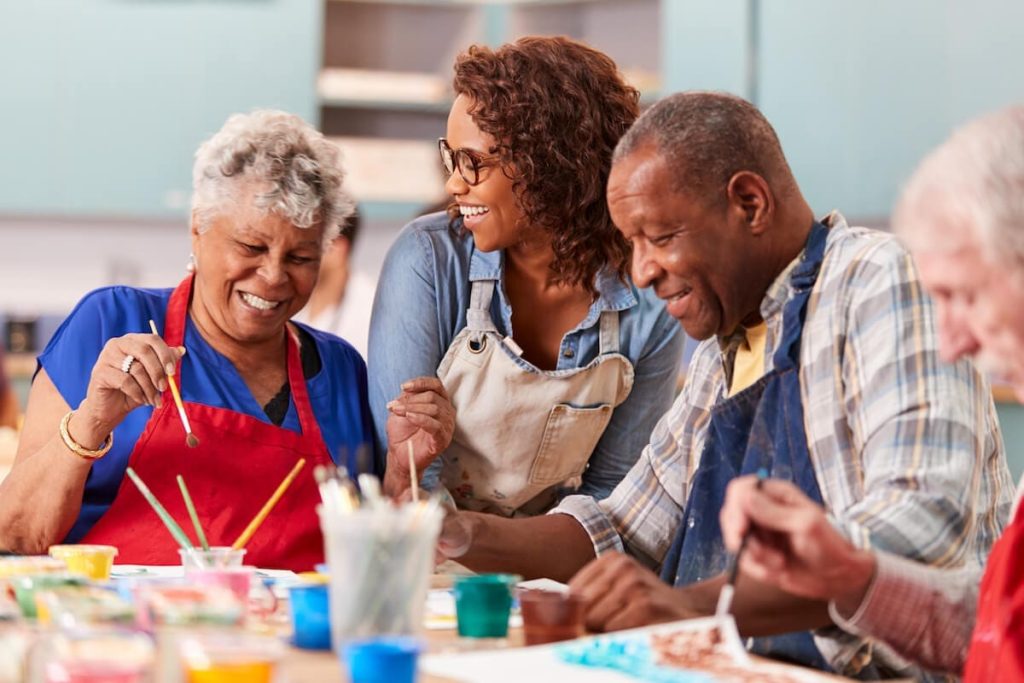
Beyond the individual benefits that crafting provides, it can serve as a remarkable way to foster community connections. Participating in group crafting sessions—such as knitting circles, pottery classes, or art workshops—allows individuals to bond over shared interests while collectively engaging in the therapeutic process. Research indicates that social support plays a vital role in enhancing mental health, making crafting communities an ideal environment for connection.
Organizations like the Craft Yarn Council in the United States have emphasized the social aspect of crafting by promoting events such as “Knit in Public Day.” Such initiatives encourage crafters to come together, share their knowledge, and support each other’s creative journeys. The camaraderie built through these gatherings not only increases the enjoyment of the craft but also provides a powerful buffer against feelings of loneliness and isolation, which can often accompany stress and anxiety.
The Role of Crafting in Enhancing Problem-Solving Skills
While crafting can dramatically reduce stress, it also enhances cognitive function by challenging the brain to develop problem-solving skills. Engaging in craft projects often requires critical thinking, creativity, and perseverance—attributes that can be advantageous in various aspects of life, both personally and professionally. For instance, the intricate planning involved in woodworking or the mathematical calculations required for sewing patterns cultivates a sense of logic and systematic thinking.
This stimulation of the mind is especially important in our rapidly changing world, where innovation is key. Studies suggest that creative activities, including crafting, stimulate brain connectivity and can even lead to improved performance in work-related tasks. Crafting promotes divergent thinking, which is the ability to generate multiple ideas or solutions. As individuals navigate through different techniques and materials, their capacity for innovation increases, making crafting not only a means of expression but also a powerful tool for professional development.
Crafting for All Ages
The therapeutic impact of crafting transcends age groups, making it a versatile tool for individuals at various life stages. For children, engaging in crafts promotes fine motor skills, enhances concentration, and boosts self-esteem through successful project completion. Schools across the country are increasingly integrating arts and crafts into their curricula, recognizing the profound impact these creative activities have on cognitive and emotional development.
Adults and seniors also reap substantial benefits from crafting. Techniques such as needlework and scrapbooking can provide significant mental stimulation as they reduce the risk of cognitive decline. Particularly for seniors, adult crafting classes offer both a social outlet and a physical activity that can combat the isolating nature of aging. Care facilities have begun to adopt craft programs to stimulate engagement and reduce feelings of depression among residents.
- Community Building: Crafting brings people together, fostering relationships and social support.
- Enhances Cognitive Function: Engaging in craft activities improves problem-solving skills and promotes critical thinking.
- Inclusive for All Ages: Crafting benefits individuals from children to seniors, offering diverse developmental advantages.
- Induces Lifelong Learning: Every crafting experience creates opportunities for growth and skill acquisition.
With such a broad range of benefits, crafting proves itself not only as an avenue for creativity and expression but also as a powerful remedy for stress and anxiety in a society that demands so much from its individuals. Engaging in craft activities can spark joy, foster connections, and sharpen minds, making it a vital practice to incorporate into our daily lives.
DIVE DEEPER: Click here to discover more about visual design evolution
Conclusion: Embracing Crafting for Mind and Community
In today’s fast-paced world, the importance of finding effective outlets for stress relief and creative expression cannot be overstated. The therapeutic impact of crafting offers a unique fusion of benefits that transcends mere hobby or pastime. From reducing stress to enhancing creativity, the tangible outcomes of engaging in crafts reveal a deeper connection between mental wellness and artistic activity. The meditative nature of processes such as knitting, painting, or woodworking not only soothes anxiety but also fosters a sense of accomplishment and self-worth as crafters create something tangible from their imagination.
The ability of crafting to nurture community support cannot be overlooked. Whether through local knitting groups, pottery classes, or online crafting forums, these connections help individuals build meaningful relationships that can alleviate feelings of isolation. The friendships and networks formed within these communities create an environment where creativity flourishes and social interaction thrives, further enhancing one’s mental health and overall well-being.
As we recognize the diverse advantages of crafting for individuals of all ages, it becomes clear that this activity is more than just a creative outlet; it is a potent tool for lifelong learning and emotional health. By embracing crafting as a regular practice in our lives, we not only stimulate our minds and enhance our problem-solving abilities but also cultivate a more connected and supportive community. In doing so, we can reclaim a sense of joy and purpose amid the stresses of contemporary life, making crafting an essential aspect of our pursuit of happiness and fulfillment.