Transforming Recycled Materials into Art: Sustainable DIY Projects

The Intersection of Art and Eco-Consciousness
Art and sustainability are increasingly intertwined in contemporary society, inviting creative minds to explore innovative avenues of expression. By utilizing recycled materials, artists not only enhance aesthetics but also play a crucial role in fostering a healthier planet. This eco-friendly approach is multifaceted in its advantages, making it an appealing choice for both amateur crafters and seasoned professionals alike.
One of the most significant benefits of using recycled materials is the environmental impact. By repurposing items that would typically end up in landfills, artists can significantly reduce their waste and lower their carbon footprint. For instance, according to the Environmental Protection Agency (EPA), in 2018 alone, about 292.4 million tons of municipal solid waste were generated in the United States. Each act of turning trash into treasure contributes to lessening this staggering statistic.
Beyond environmental stewardship, working with recycled materials fosters creative expression. This approach encourages innovative thinking and resourcefulness as artists are challenged to think beyond traditional art supplies. It can lead to unexpected and visually striking results. A prime example of this would be the artist Tara Donovan, who famously creates sculptures out of everyday materials such as Styrofoam cups or plastic straws, pushing viewers to consider the value of the materials used and the beauty that can arise from them.
Moreover, embracing a DIY mindset that focuses on upcycling is not only environmentally friendly but also cost-effective. Many materials can be easily sourced for little to no cost from recycling centers or even your own household. For creative homeowners, transforming common items can be both a fun project and a creative outlet. Consider these popular ideas to spark inspiration for your next endeavor:
- Plastic Bottle Planters: These make for picturesque additions to your garden or balcony, not only enhancing aesthetics but also providing a sustainable way to garden.
- Magazine Collages: Using vibrant pages from old magazines can create eye-catching wall art that reflects your personality and style.
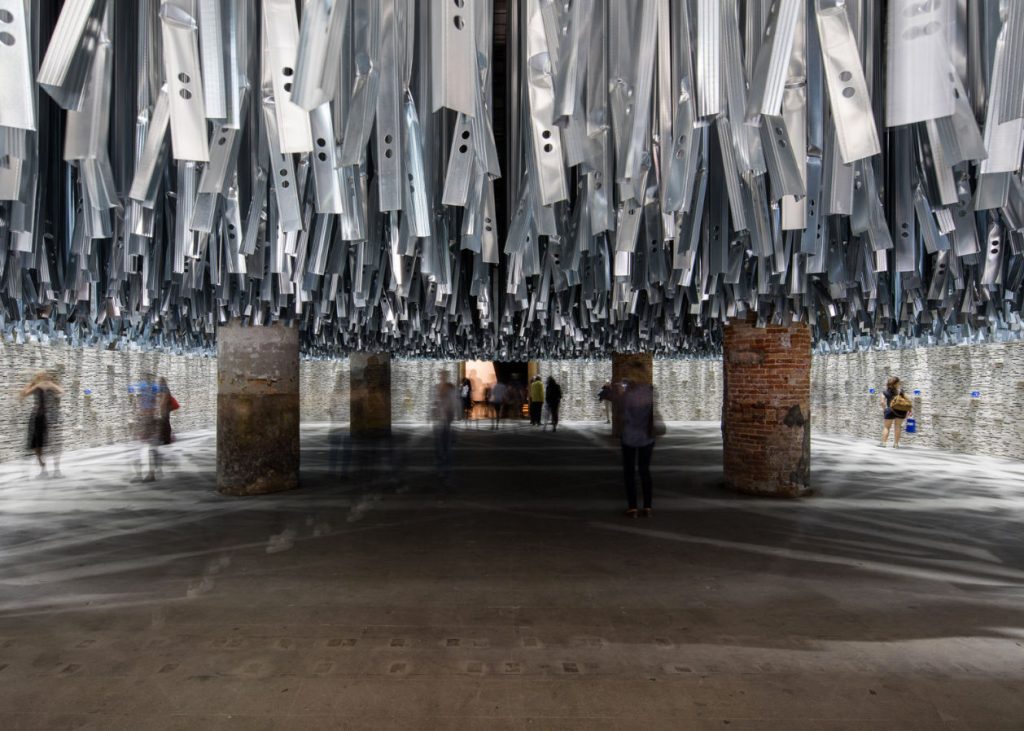
- Metal Sculptures: Old scrap metals can be welded or glued into stunning works of art that not only serve as unique decor but also can become conversation starters.
As you take a deeper dive into the exhilarating realm of transforming recycled materials into intriguing artwork, you will uncover the vast potential of sustainability in artistic expression. Each creative project not only reduces waste but also emboldens individuals to embrace a more conscious lifestyle. By joining this movement, you discover that your creativity can lead to meaningful change, making a powerful statement about the world we inhabit.
Creative Possibilities in Upcycled Art
The world of upcycled art offers endless possibilities for individuals looking to channel their creativity while also promoting sustainability. With a little imagination and a willingness to experiment, anyone can turn ordinary discarded items into extraordinary works of art. This transition from trash to treasure not only promotes a culture of reuse but also sparks conversation about the materials we consume and discard every day.
When engaging in these sustainable DIY projects, the first step is often sourcing materials. Common household items such as cardboard boxes, glass jars, and old textiles can be repurposed into functional art pieces. For instance, cardboard can be fashioned into intricate sculptures or decorative wall art, while glass jars can be transformed into unique candle holders or terrariums. The key is to see potential where others may see waste.
A noteworthy trend in the realm of upcycled art is the use of tech waste. As technology rapidly evolves, outdated devices often end up accumulating in drawers or landfills. Artists around the country have begun utilizing components from old electronics to create striking visual pieces. By integrating circuit boards, wires, and even screens, upcyclers are not only alleviating e-waste issues but are also giving a new life to these often-overlooked materials.
Popular Upcycling Techniques
Embracing the art of upcycling involves various techniques and methods. Below are some popular approaches that can inspire your next DIY project:
- Paint and Decorate: Transform mundane household items with a splash of paint or a decorative touch. Vintage furniture, for example, can experience a revival with new colors and patterns, giving new life to old pieces.
- Assembly and Collage: Combine different materials to create mixed media pieces. For those who enjoy storytelling, using found objects and discarded images can lead to powerful narrative art that reflects personal or social themes.
- Textile Upcycling: Clothing that no longer serves its purpose can be turned into beautiful quilts, bags, or wall hangings. The customization potential is endless, allowing individuals to stitch their unique style into every project.
As you explore the captivating world of transforming recycled materials into art, it becomes clear that each project is more than just a creative outlet—it is a step towards a sustainable lifestyle. The integration of artistic expression with environmental responsibility fosters a deeper connection to the materials we use, encouraging us to think critically about consumerism and waste. With every piece created, artists not only contribute to their own narratives but also promote a broader message about the importance of recycling and upcycling in our everyday lives.
Exploring the Benefits of Sustainable DIY Art Projects
As we delve deeper into the realm of sustainable DIY projects, it’s essential to recognize the profound impact these creative endeavors can have not only on individual artists but also on the environment. Engaging in the art of transforming recycled materials into unique creations does more than simply beautify our surroundings; it plays a pivotal role in promoting environmental consciousness and inspiring sustainable living. Below, we present a detailed table highlighting key advantages of embracing this artistic movement.
| Advantages of Recycled Art | Impact on Sustainability |
|---|---|
| Creativity Boost | Encourages innovative thinking by using everyday materials. |
| Cost Efficiency | Reduces expenses by utilizing materials that would typically be discarded. |
| Community Engagement | Fosters collaboration and sharing among artists and enthusiasts. |
| Environmental Awareness | Highlights issues of waste and promotes recycling practices. |
Through lifestyle changes, embracing sustainable DIY projects enriches communities while nurturing creativity. This movement not only transforms materials but also mindsets, inviting everyone to contribute to a greener future. Explore the different avenues this artistic journey offers and uncover the vast potential nestled within everyday items.
Inspiring Examples of Upcycled Art
As the movement of sustainable art gains momentum, numerous artists and hobbyists across the United States have made significant impacts by showcasing inventive ways to transform recycled materials into stunning art pieces. Their creations not only spotlight the beauty of repurposed objects but also serve to educate communities about the benefits of recycling and sustainability.
One noteworthy example is the work of Eliza Finn, a California-based artist who specializes in creating striking sculptures from plastic waste. Finn collects discarded plastic items from local beaches and urban areas to craft her intricate installations, conveying potent messages about ocean pollution. Her work serves as a reminder of the environmental challenges we face while highlighting the potential for creativity in addressing these issues. As she often states, “Each piece is a conversation starter about the life cycle of plastic.” Her profound approach teaches viewers the importance of reducing plastic consumption and encourages them to participate in local cleanup efforts.
Similarly, Tom Deininger, an artist from New Hampshire, employs items typically deemed trash, such as broken toys and rusty metal, to create striking, larger-than-life murals. His vivid, colorful compositions engage audiences and spark discussions about waste and consumer habits. The intricate textures and forms in his artworks not only appeal visually but also highlight society’s throwaway culture. Deininger’s dedication to the concept of using refuse for fine art make a strong statement on the value of rethinking the materials we choose to dispose of.
Community Initiatives and Workshops
The trend of transforming recycled materials into art has also inspired numerous community initiatives and workshops across the country. ReThink, a nonprofit organization based in Colorado, demonstrates the power of collaboration in art and sustainability by hosting upcycling events. Participants are guided through the process of creating their own art pieces using reclaimed materials collected from their surroundings. These workshops not only boost local engagement but also teach valuable skills in repurposing and crafting.
Furthermore, cities like Portland, Oregon, have established “Trash to Treasure” programs that encourage citizens to repurpose items that might otherwise be discarded. Through community art projects, individuals come together to create large-scale installations from items collected in local neighborhoods. These murals and sculptures not only beautify the urban landscape but also carry a message of environmental stewardship, leaving a lasting impression on those who view them.
Another powerful aspect of converting recycled materials into art is its educational component. Schools are increasingly integrating sustainable art projects into their curricula, allowing students to explore the intersection of creativity and environmental impact. By involving young minds in art made from recycled materials, educators are instilling a sense of responsibility toward sustainability in the next generation. Projects often culminate in school-wide art shows, providing students with a platform to share their creations and insights into environmental issues.
The ability to turn waste into artistic expression fosters a culture of innovation, exploration, and community responsibility. As artists and everyday individuals alike continue to push boundaries, the conversation surrounding waste, sustainability, and creativity continues to expand, inviting more minds to think critically about the materials they consume and discard. By embracing these practices, we can work together to create a more sustainable future—one art piece at a time.
Conclusion: The Transformative Power of Upcycled Art
As the world grapples with pressing environmental challenges, the movement of transforming recycled materials into art emerges as a beacon of hope and creativity. This sustainable DIY project initiative not only celebrates artistic expression but also champions a crucial conversation about waste management and environmental stewardship. With artists like Eliza Finn and Tom Deininger leading the charge, we witness the potential of discarded objects to convey powerful messages about consumer habits and ecological responsibility.
Community involvement further amplifies these artistic endeavors. Programs and workshops across the United States, such as ReThink and “Trash to Treasure,” empower individuals to engage with their surroundings and reimagine the possibilities within mundane materials. Such initiatives remind us that art can extend beyond aesthetics to serve as a platform for dialogue and awareness. The educational component woven into these projects, particularly in schools, plays a pivotal role in shaping a generation that values sustainability and creativity. By nurturing these ideals from a young age, we set the stage for a future where resourcefulness and artistic ingenuity thrive.
Ultimately, transforming recycled materials into art invites us all to rethink our relationship with waste. It inspires individuals to see beauty and potential in what is often overlooked, fostering innovation while addressing pressing environmental issues. As this movement continues to evolve, it challenges us to embrace a more mindful lifestyle, where we not only create art but also cultivate a sustainable future—one recycled masterpiece at a time.