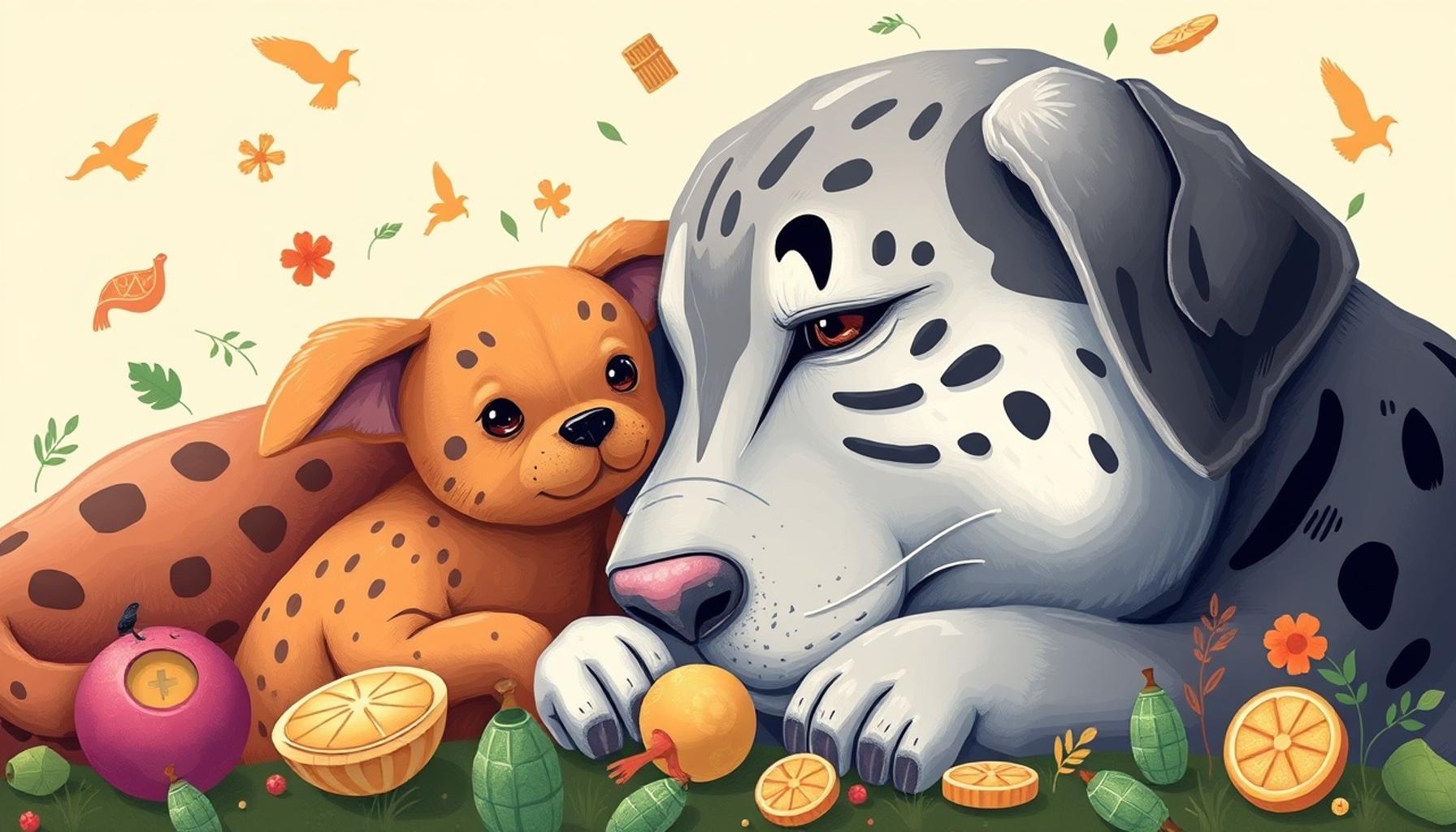
Understanding the Emotional Journey of Adopting a Pet
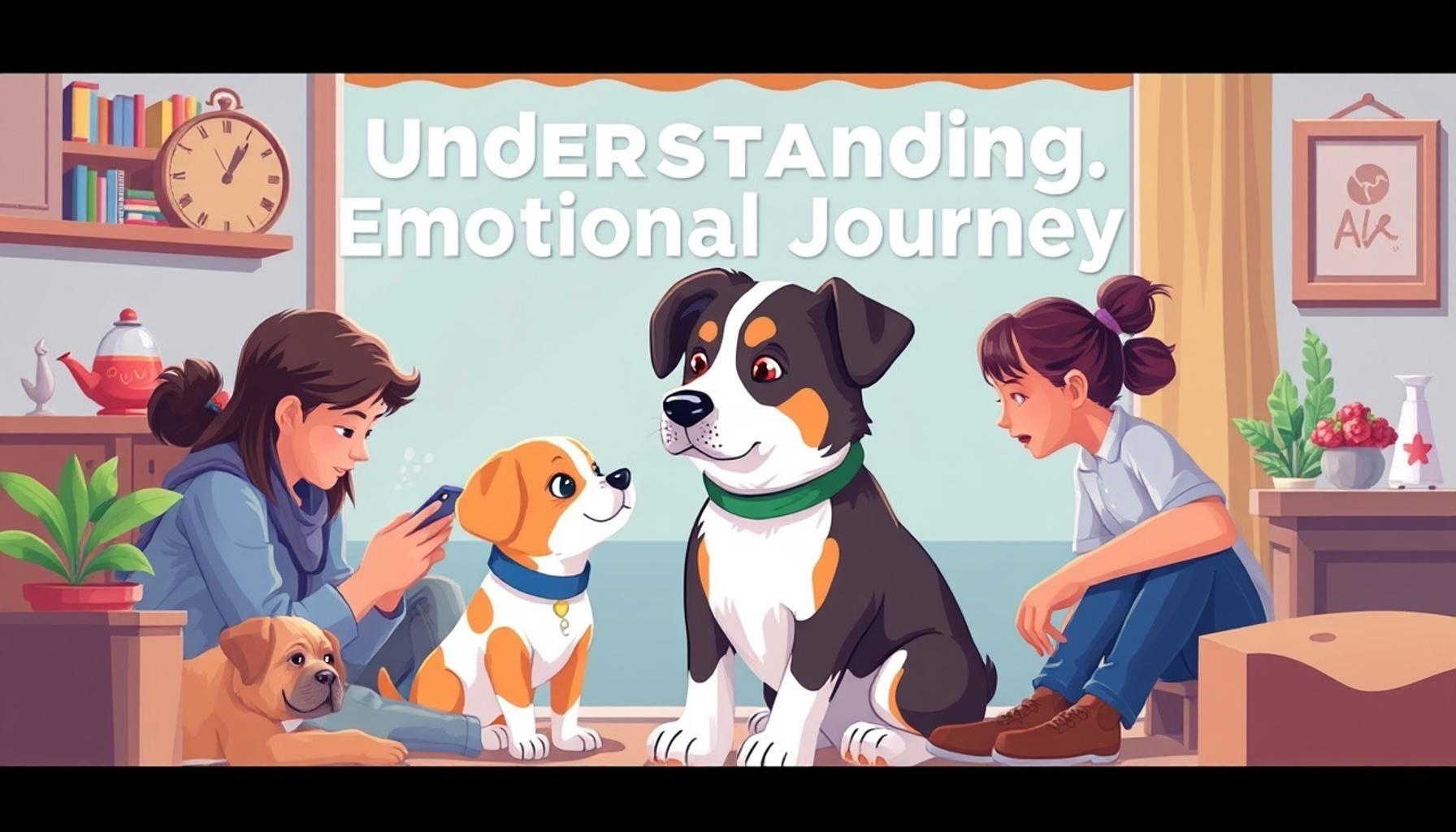
The Adventure Begins
Bringing a pet into your home is an exciting yet complex emotional journey. From the moment you first consider adoption to the day you finally welcome your furry friend into your life, a whirlwind of feelings emerges. This transition is not merely about providing shelter to a pet; it symbolizes a profound shift in responsibility and companionship. Understanding this journey can help you navigate the inevitable highs and lows effectively.
Key Emotional Stages
- Anticipation: During this stage, a sense of hope builds as you research different breeds and visit animal shelters. You might spend countless hours online exploring information about the temperament, exercise needs, and health issues common to various breeds. You may feel a mixture of excitement and nervousness. Will you choose a playful Labrador Retriever or an affectionate Beagle? This phase sets the stage for connection, where your dreams of pet ownership become tangible.
- Connection: Meeting potential pets at local shelters can spark immense joy and affection. This phase often engages your emotions deeply; as you interact with different animals, it may feel overwhelming to choose just one. For instance, a shy cat might rub against your leg while a rambunctious puppy jumps excitedly at your feet. These interactions can ignite the decision-making process as each encounter adds layers to your emotional investment, making the eventual adoption feel even more special.
- Adjustment: After adoption, both you and your new pet face the adjustment phase. It is common to encounter challenges as you both acclimate to your new routines. Your pet may experience anxiety and act unpredictably in its new environment, while you might grapple with feelings of doubt. For example, your new dog may chew on furniture during its first few nights, or your cat might hide from you under the couch. Patience and understanding become crucial as you build a bond over time.
Adopting a pet isn’t just about finding a companion; it represents a profound emotional investment. Each stage of this journey brings its unique set of challenges and rewards. Understanding these stages can empower you to become not only a good pet owner but also a responsible guardian, ensuring a thriving relationship between you and your new friend.
A Broader Perspective
Research indicates that over 6 million pets are adopted each year in the United States. However, alongside the overwhelming joy of pet ownership, many new pet owners also experience feelings of guilt or uncertainty. You may worry about whether you’re providing enough care or if your new pet is happy. Recognizing that you’re not alone in this emotional experience can be immensely comforting.
This exploration into the emotional facets of adoption addresses what to expect and how to effectively manage your feelings throughout this transformative experience. With guidance and insight, you can better prepare for the challenges ahead, ensuring that your journey into pet ownership is filled with love and connection. Join us as we delve deeper into this life-changing experience, armoring yourself with the knowledge necessary to adapt and flourish in your new role as a pet owner.
LEARN MORE: Click here for effective dog training techniques
Unpacking the Emotional Rollercoaster
As you embark on the journey of adopting a pet, anticipation, connection, and adjustment all intertwine to create an emotional rollercoaster. Each stage not only shapes your perception as a pet owner but also influences the future bond you’ll forge with your new companion. Understanding these emotions can prepare you for the profound experience of bringing home a pet and help you navigate this transformative transition with greater ease.
The Anticipation Stage
During the anticipation stage, excitement bubbles up as you contemplate the joy of welcoming a new pet into your life. This phase often triggers a deep dive into research, where prospective pet owners explore a variety of resources, from online articles to local rescue organizations. With approximately 70% of shelter animals being dogs and 30% cats, the first decision lies in choosing the right fit for your lifestyle. Do you prefer a playful pup that requires lots of exercise or a laid-back cat that relishes quiet companionship? This phase is characterized by a mixture of eagerness and trepidation, laying the groundwork for a meaningful connection.
The Connection Stage
Once you step into the animal shelter, the connection stage transforms the theoretical into the tangible. The moment you meet potential pets, emotions surge. Some may feel a natural affinity for a pet’s personality, while others may wrestle with the heart-wrenching decision of leaving a lovable animal behind. This internal conflict can be profound, as pet owners weigh their emotional responses against practical considerations. Thus, the more you engage with these animals—whether through play, petting, or even a simple gaze—the deeper your emotional investment becomes.
- The Physical Connection: The tactile experience of stroking a furry coat can invoke strong feelings of affection and comfort.
- Shared Moments: Playing with a spirited puppy or coaxing a shy kitten out of hiding can lead to unforgettable memories even before the adoption is finalized.
- Intuitive Bonds: Animals have a unique way of sensing a human’s emotional state, often mirroring feelings like excitement or nerves, which deepens the bond.
However, the connection phase can also ignite feelings of guilt and urgency, especially for those aware that many animals in shelters are in dire need of loving homes. Being confronted with the reality of abandoned pets can intensify the emotional stakes, driving home the idea that every choice made comes with a responsibility—not just to your new pet, but to all the others seeking shelter and love.
The Adjustment Stage
Transitioning to the adjustment stage signifies the beginning of life with your newly adopted pet. It’s a critical juncture characterized by a mixture of joy and stress. As your furry friend settles into their new environment, they may exhibit signs of anxiety—like barking, hiding, or destructive behavior. For you, the new role as a pet owner comes with its own set of challenges, leading to moments of doubt. You may question whether you’re well-equipped to handle these early hurdles. However, understanding that this is a normal part of the adaptation process can empower you to tackle the situation with patience.
Reflecting on this emotional journey, it becomes clear that adopting a pet is not a simple act but a profound experience that reshapes lives. Each stage of this journey offers unique lessons and emotional insights, preparing the way for a lasting, fulfilling relationship with your furry companion.
| Emotional Aspects | Support Mechanisms |
|---|---|
| Anticipation | Joining communities and forums dedicated to pet adoption can offer invaluable support. |
| Joy and Connection | Connecting with others who have adopted pets can help ease the transition. |
| Fear and Doubt | Educational resources can assist in addressing common fears about pet ownership. |
Experiencing the emotional journey of pet adoption is a multifaceted aspect that often begins with a sense of anticipation. Potential pet owners might find themselves excitedly preparing their homes, selecting essential supplies, and even imagining the bond they will share with their new pet. This stage can be accompanied by a range of feelings from joy to nervousness.As the journey progresses, many individuals encounter profound joy and connection as they welcome a new furry friend into their lives. This bond can be incredibly rewarding, providing companionship and enhancing overall well-being. It’s worth noting that during this phase, many adoptive parents actively seek support from pet communities, sharing their experiences and receiving tips on nurturing their pets.However, it is not uncommon for people to battle feelings of fear and doubt as they question their readiness for such a commitment. Luckily, many organizations offer educational resources that can guide new adopters through the initial concerns they face. By understanding these emotional dynamics, potential pet owners can better navigate the complex feelings that arise during this rewarding transition.
DISCOVER MORE: Click here for tips on choosing the perfect pet
Navigating the Post-Adoption Landscape
Once the initial thrill of bringing your pet home subsides, the post-adoption landscape unfolds, revealing its own set of emotional landmarks. This phase often highlights the importance of nurturing a sustainable bond with your pet while also addressing the highs and lows that may arise as you settle into your new routine.
Managing Expectations
The early days can be a delicate balancing act. Many pet owners enter the journey under the impression that adopting a pet will be a seamlessly joyful experience, but reality can often diverge sharply from expectations. After all, your furry friend is navigating a significant life change, which may lead to unexpected behaviors. This can result in emotional turbulence as you reconcile your anticipation of a loving pet with the reality of anxiety-induced challenges.
For example, adopting a shelter dog may mean dealing with issues related to past trauma, such as fear of loud noises or difficulty trusting new people. Understanding that your pet’s behaviors are often rooted in their history can foster a greater sense of empathy, enriching the bond between you and your new companion.
Embracing the Training Process
In this stage, training becomes a cornerstone not only for creating a well-behaved pet but also for deepening your emotional connection. Investing time in training your pet, whether it’s basic commands or more specialized skills, can be immensely rewarding. Studies have shown that dogs who receive consistent, positive reinforcement training demonstrate increased emotional connection and reduced anxiety levels, both for the pet and the owner.
- Establishing Routines: Consistent schedules around feeding, play, and training can instill a sense of security for your pet, positively impacting their emotional well-being.
- Socialization Opportunities: Engaging with other pets and people can help to mitigate anxiety and encourage confidence, making outings to parks or social events great avenues for learning.
- Bonding Activities: Incorporating interactive play, like agility or fetch, not only aids in training but also creates treasured moments that further strengthen your relationship.
Seeking Support Networks
During this post-adoption phase, tapping into available support networks can significantly ease emotional burdens. Many communities have pet support groups, training classes, or workshops dedicated to helping new owners navigate the complexities of pet parenting. These resources often provide practical advice and emotional reassurance, fostering connections among other pet owners who understand the unique challenges faced in this journey.
Moreover, online platforms and social media groups can be excellent avenues for finding solidarity through shared experiences. Engaging in discussions about the triumphs and trials of pet ownership can be a source of comfort, reminding you that you are far from alone in this venture.
Recognizing the Joys and Breakthroughs
Amid the learning curve and adjustment challenges lies an abundant source of joy. Celebrating your pet’s small victories—whether it’s mastering a new command, overcoming a fear, or simply snuggling on the couch—provides essential reminders of why this journey began. Each positive interaction serves as a testament to the growing bond you share, reinforcing the emotional reward of adopting a pet.
In essence, navigating the post-adoption landscape reveals the multifaceted emotional journey of becoming a pet owner. By managing expectations, embracing training, and seeking support, you can cultivate a rich, fulfilling relationship that evolves over time, reinforcing the idea that the journey of adopting a pet is always a work in progress, blending efforts, emotions, and love along the way.
DISCOVER MORE: Click here for strategies to enrich your pet’s life
Wrapping Up the Emotional Journey
In conclusion, the emotional journey of adopting a pet is a rich tapestry woven with joy, challenges, and profound connections. From the exhilarating moment you bring your furry companion home to the nuanced experiences of adjusting to life together, each stage contributes to a deeper understanding of both yourself and your pet. As highlighted throughout this article, managing expectations is crucial; realizing that the transition may not always be smooth allows for a more compassionate perspective on your pet’s behavior.
Moreover, embracing the training process not only cultivates good habits but also fosters a cherished bond built on trust and understanding. Engaging in consistent routines and positive reinforcement is essential for both pets and owners, making the learning curve an opportunity for growth. In addition, leveraging support networks can alleviate feelings of isolation. Finding community, whether through local groups or online forums, can offer invaluable advice and emotional solace during tough times.
Ultimately, recognizing and celebrating the small victories—whether it’s a newfound trick, a moment of calm, or an overcoming of fears—can transform the daily experience of pet ownership into a rewarding partnership. This journey evolves over time, reminding us that every challenge faced is intertwined with a moment of joy, reinforcing the notion that the love and fulfillment gained from adopting a pet far outweigh any hurdles encountered. As you navigate this path, embrace every part of the process, and cherish the beautiful bond forged between you and your beloved animal companion.

Linda Carter
Linda Carter is a writer and pet care expert specializing in pet health, grooming, and wellness. With extensive experience helping pet owners create safe, loving, and enriching environments for their animals, Linda shares her knowledge on our platform. Her goal is to empower readers with practical advice and strategies to ensure their pets thrive and lead joyful, healthy lives.