Unusual Instruments: Discovering New Sounds in Musical Exploration

Exploring the Richness of Uncommon Musical Instruments
In the expansive universe of music, the journey into unusual instruments presents countless opportunities to discover new auditory experiences. These instruments, stemming from both ancient cultural practices and cutting-edge inventions, challenge conventional notions of music and sound. They serve as powerful tools for emotional expression and creative exploration.
One of the most captivating characteristics of these instruments is their unique sound qualities. For instance, the theremin, played without physical contact, produces eerie and ethereal tones that have been utilized in various genres, including classical and electronic music. Similarly, the hang drum, a relatively modern instrument, emits soothing, melodic sounds reminiscent of steel drums but with a distinct, meditative quality. These soundscapes can transport listeners to other realms, making them popular in wellness and therapeutic environments.
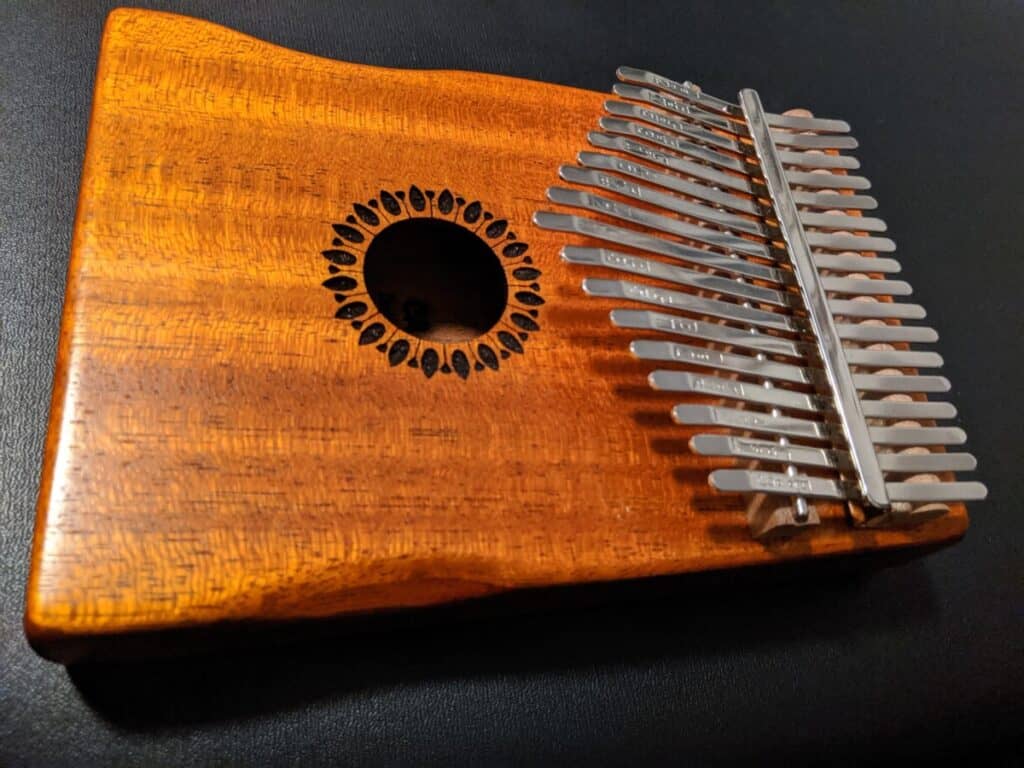
Moreover, the varied cultural origins of unconventional instruments add richness to the global tapestry of music. Take the Didgeridoo, an ancient wind instrument from Australia, which has been played by Indigenous Australians for thousands of years. Its deep, resonant drone is often used in ceremonial contexts and is rooted in the spirituality of Aboriginal culture. On the other hand, the Kalimba, originating from Africa, features tines attached to a wooden board and produces bright, plucking sounds that resonate deeply in many traditional African music styles. Each of these instruments tells a story, bridging cultural divides and revealing the historical contexts from which they emerged.
In recent years, there has been a surge of creative construction in music, where artists utilize everyday objects to create unique sounds. Instruments fashioned from trash, such as trash can drums or PVC pipe horns, demonstrate the ingenuity and resourcefulness of musicians who seek innovative ways to produce music. These DIY approaches not only reduce waste but also encourage experimentation, providing a fresh perspective on what can be considered a musical instrument.
As musicians increasingly turn to these unconventional tools, they aim to expand their musical vocabulary. Social media platforms have become invaluable for showcasing unique sounds, making it easier to share and collaborate across genres. Platforms like Instagram and TikTok allow artists to reach broader audiences and inspire one another, fostering a community built on exploration and innovation.
For both seasoned musicians and curious listeners alike, discovering new sounds from unusual instruments offers an exhilarating adventure. This exploration can lead to unexpected musical fusion, cultural appreciation, and a deeper understanding of the arts. By immersing oneself in the world of unconventional instruments, you may just uncover your next favorite sound, transcending geographical boundaries and historical eras through the captivating power of music.
Delving into the World of Unique Soundmakers
As the quest for novel musical expression continues, many musicians are scouring the depths of creativity to seek out unusual instruments that inspire their artistic journeys. These instruments not only offer distinctive soundscapes but also represent a myriad of cultural backgrounds, historical contexts, and innovative design. From tools passed down through generations to modern inventions, the array of unusual instruments is both vast and enriching.
Among the notable examples of such instruments, the theremin stands out as a pioneering electronic instrument that requires no physical touch. Invented in 1920 by Leon Theremin, it is played by moving one’s hands in proximity to two metal antennas, allowing for pitch and volume variations. Its otherworldly sound is famously associated with sci-fi films and avant-garde music, capturing the imagination of listeners everywhere. Notably, the theremin is not just relegated to experimental music; renowned artists like Jimmy Page of Led Zeppelin and Beach Boys’ member Brian Wilson have incorporated its unique tones into popular music.
Another fascinating entry is the glass armonica, created by Benjamin Franklin in 1761. This instrument consists of a series of glass bowls of varying sizes mounted on a spindle, which are played by rubbing wet fingers along the rim. Producing hauntingly beautiful, ethereal sounds, it quickly gained popularity during the Classical era, finding its way into the works of composers like Mozart and Beethoven. However, its usage declined due to myths surrounding its supposed effects on mental health, leading to its rarity today.
The Berimbau, a traditional Brazilian instrument, showcases how cultural significance can shape musical styles. Made from a single wooden bow with a wire and gourd, the Berimbau is primarily used to accompany capoeira, a martial art that combines dance and music. Its rhythmic plucking serves to set the tempo and mood of the capoeira performances, adding a layer of emotion that transcends words.
To further appreciate the breadth of unusual instruments, consider the following list highlighting a few more unique soundmakers:
- Hang Drum: A percussion instrument that produces melodic tones and is often used for relaxation and meditation.
- Ocarina: An ancient wind instrument made from ceramic or clay, known for its sweet, flute-like tones.
- Sampling and Looping Devices: Modern tools that enable musicians to create music using snippets of sound from unconventional sources, blurring the lines of musical classification.
By incorporating unconventional musical instruments into their work, artists allow listeners a glimpse into the diverse sounds that can elevate musical storytelling. This exploration does not only foster a sense of curiosity but also encourages cross-cultural appreciation, as musicians uncover different techniques and styles that enrich their own personal expression. As the boundaries of music continue to expand, these instruments remain vital in pushing the creative envelope and inspiring both artists and audiences on their musical explorations.
As musical exploration expands, so does the variety of instruments that artists and composers can utilize to create unique sounds. These unusual instruments not only enhance the auditory experience but also enrich the storytelling aspect of music. The inclusion of innovative and lesser-known instruments paves the way for creativity in compositions, offering musicians the chance to break away from the conventional.
Consider instruments like the handpan, a modern steel percussion instrument that produces a melodic soundscape, or the theremin, known for its ghostly tones produced without physical contact. These instruments invite musicians to explore new sonic territories, enabling them to express emotions and ideas that traditional instruments might not fully capture.
In addition to developing a new palette of sounds, integrating unusual instruments fosters a more inclusive musical community. Artists from diverse backgrounds can bring their cultural sounds into contemporary music, making it a melting pot of global influences. This not only broadens the audience’s musical horizons but also promotes a deeper appreciation for diverse musical traditions.
Moreover, the use of unconventional instruments in live performances can create captivating visual spectacles. The way a handpan player interacts with their instrument, or how a thereminist dances around their device, adds a theatrical element to the auditory experience. Such performances highlight the artistry involved in music-making and invite audiences to engage with the music on multiple levels: listening, seeing, and feeling.
With the digital age facilitating access to information and resources, aspiring musicians can easily learn about and experiment with these unconventional tools. Music schools, online tutorials, and community workshops are increasingly incorporating the study of unusual instruments, opening doors for innovation among future generations of artists.
| Category 1 | Category 2 |
|---|---|
| Unconventional Instruments | Instruments like handpan and theremin offer unique sounds. |
| Cultural Fusion | Encourages artists to blend diverse musical traditions and modern techniques. |
Innovative Treasures from Around the Globe
In the ever-expanding landscape of musical exploration, one can find a vast array of unusual instruments that offer new auditory experiences. These instruments serve as a bridge connecting diverse cultures and styles, bringing to light the rich tapestry of human expression. Let us dive deeper into some additional unconventional instruments that push the boundaries of creativity and sound.
Take, for instance, the kalimba, also known as a thumb piano. This enchanting instrument, originating from Africa, features metal tines stretched over a wooden resonator. Each tine produces a unique pitch when plucked, allowing musicians to create intricate melodies that resonate with warmth and depth. The kalimba has gained traction in various contemporary musical genres, drawing attention from artists such as Paul Simon and Michael Franti, who weave its delicate sounds into their compositions. Its portability and user-friendly design make it an accessible option for budding musicians wanting to explore rhythms and melodies.
Another captivating soundmaker, the didgeridoo, is a wind instrument developed by Indigenous Australians. Made from a hollowed-out log, the didgeridoo produces a deep, resonant drone that can be modified with varied techniques, such as circular breathing and vocalization. It holds an important cultural significance, traditionally used in ceremonies and storytelling. In recent years, musicians across genres—from jazz to world fusion—have begun incorporating the didgeridoo’s meditative sounds into their performances, highlighting its versatility.
Additionally, the serpent, a brass instrument shaped like a snake, presents a compelling unique sound profile. Dating back to the 16th century, the serpent was traditionally used in military bands and church music. Its distinct timbre is achieved through a coiled pipe and a bell-shaped end, creating a mellifluous resonance that intrigues today’s musicians. Some modern composers appreciate its historical value, experimenting with the serpent to evoke a sense of nostalgia while exploring new musical territories.
Meanwhile, advancements in technology have given rise to a plethora of electronic instruments that continue to redefine sound exploration. The laptop orchestra is an intriguing example, where musicians utilize computers and software to compose and perform live, allowing for instant sampling and manipulation of sound. This innovative approach inspires musicians to think outside the box and create auditory landscapes that are entirely unique—proving that the definition of ‘instrument’ is ever-evolving.
Exploring the repertoire of unusual instruments does not only enhance Tonal diversity but also opens pathways for collaboration and fusion among artists. The ukelele, for instance, hails from Hawaii yet has found a warm reception in various genres, from folk to pop. Its cheerful sound and playful aesthetic make it a favorite among many contemporary singers and songwriters, bridging cultural divides and nurturing creative partnerships.
The world of unconventional musical instruments is teeming with life, providing endless opportunity for exploration and discovery. As musicians embrace these distinct soundmakers, they keep the spirit of musical exploration alive, continually weaving new narratives and challenging perceptions about what music can truly represent. With every pluck, blow, and twirl of these remarkable instruments, the canvas of sound expands, inviting listeners and creators on a harmonious journey through the artistry of sound.
Embracing the Sound of Discovery
In conclusion, the realm of unusual instruments offers a rich palette of sounds that not only captivate the ear but also ignite the imagination. As we have seen through the exploration of instruments like the kalimba, didgeridoo, and serpent, each has its own unique character and historical significance. These intriguing soundmakers are more than mere tools for creating music; they embody cultural stories and artistic expressions that transcend geographical boundaries.
The intersection of traditional and contemporary practices, alongside the influence of technology, has led to an era of musical exploration that is both expansive and inclusive. As musicians continue to embrace these unconventional instruments, they break through the confines of genre and encourage collaborative efforts that bring forth innovative sounds. The laptop orchestra, for example, invites a new generation of artists to engage with music in a dynamic way, highlighting the transformative power of technology.
As we traverse the vast world of unconventional musical instruments, we are reminded of the profound diversity that exists within music itself. These instruments not only invite us to listen but also inspire us to participate in a global dialogue about creativity, identity, and cultural heritage. By seeking out and learning these unusual sounds, we can embark on a harmonious journey that celebrates the vastness of human expression and the endless opportunity for artistic discovery.