
Vertical Gardening Projects: Transforming Small Spaces into Green Oases
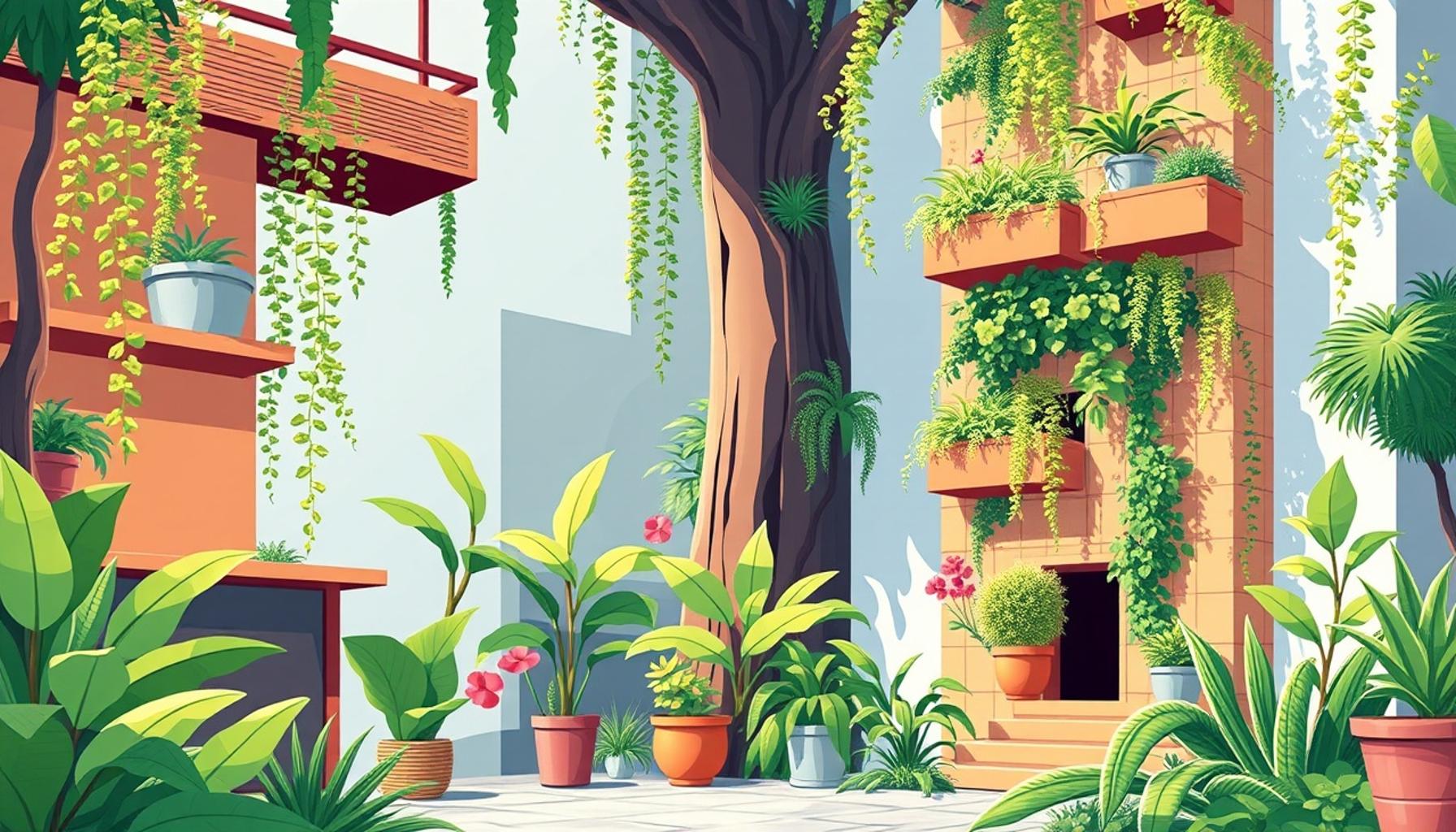
Embracing Vertical Gardening
With urban living spaces continuously shrinking, the desire for personal green oases has become increasingly urgent. Vertical gardening emerges as a creative and pragmatic solution, enabling city dwellers to cultivate lush greenery without sacrificing precious square footage. This innovative gardening technique elevates plant life above ground level, allowing for a flourishing ecosystem even in the most constrained of environments.
This method presents a myriad of benefits that extend beyond mere aesthetics. Firstly, it maximizes limited space. By transforming walls, fences, and balconies into vibrant gardens, vertical gardening makes it possible to cultivate a diverse range of plants without taking up any ground area. For instance, an otherwise dull brick wall can be adorned with a colorful array of flowering vines or lush ferns, providing both beauty and privacy.
Secondly, vertical gardens improve air quality. Plants act as natural air purifiers; they absorb carbon dioxide and release oxygen, while also filtering out harmful pollutants. A well-placed vertical garden near a busy street can greatly enhance the air quality of an urban apartment, making the environment healthier for its inhabitants. Moreover, such gardens can help reduce noise pollution, as plants absorb sound and create a tranquil retreat amidst the urban clamor.
Another significant advantage is the aesthetic appeal of vertical gardens. They breathe life into concrete jungles, providing much-needed color and vibrancy. For example, a simple set of stacked planters filled with herbs and flowers can transform a bland balcony into a chic outdoor dining space. The visual impact of lush greenery can make any area feel inviting and homey, allowing personal expression through the choice of plants.
Various vertical gardening projects cater to different scenarios, catering to both novice and seasoned gardeners. Some popular options include:
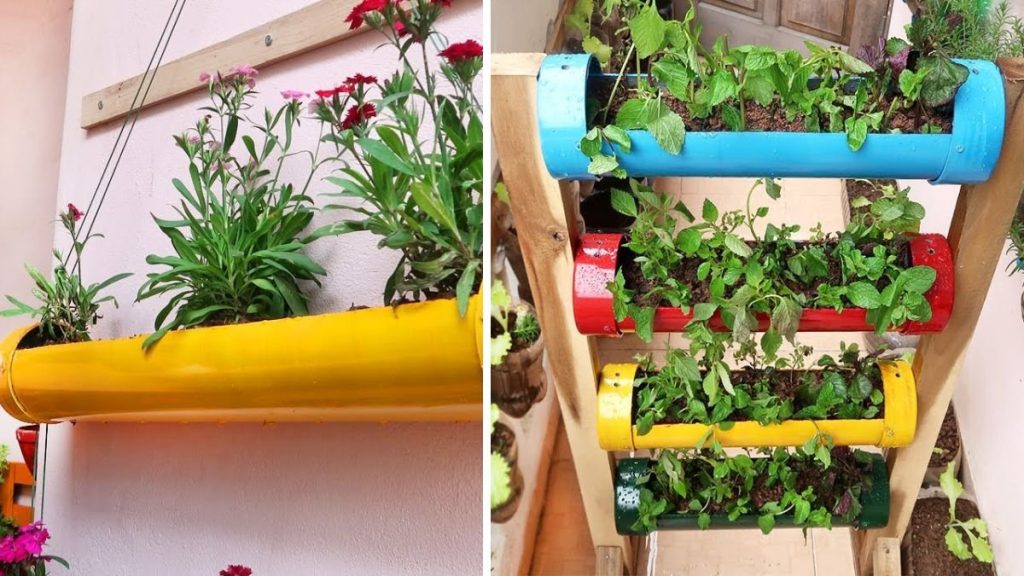
- Living Walls: These vertical planters turn ordinary surfaces into breathtaking displays of greenery, often incorporating various species for a textured and dynamic effect. Some innovative companies even offer pre-planted wall panels, making it easy for anyone to start their vertical garden.
- Vertical Planters: Attractive stacked pots are ideal for allowing multiple plant varieties to cohabit in one compact space. These can be utilized for herbs, flowers, or even small vegetables, showing versatility while maintaining style.
- Hanging Gardens: By utilizing ceiling space or railing hooks, hanging gardens achieve a cascading effect that adds an impressive three-dimensional aesthetic to any space. These gardens are perfect for trailing plants such as pothos or ivy.
By embracing vertical gardening, we not only create outdoor retreats within limited spaces, but we contribute to more sustainable urban ecosystems. This method aligns with ongoing trends in eco-friendly living, and as urban populations grow, the need for green spaces will only continue to rise. Now is the perfect time to explore innovative projects, whether through DIY initiatives or purchasing ready-made systems, and discover how to transform your small area into a thriving garden paradise.
Innovative Ideas for Vertical Gardening Projects
As urban environments become increasingly dominated by concrete and steel, residents are seeking out ways to incorporate nature into their lives. Vertical gardening offers an inspiring approach that not only enhances outdoor spaces but also transforms indoor areas. By adopting innovative vertical gardening projects, individuals can create their own green oases, improving both their surroundings and their well-being.
One effective way to get started is by utilizing upcycled materials. For the environmentally conscious, using items such as wooden pallets, old ladders, or even discarded shoe pockets can provide an eco-friendly option to build unique vertical planters. These projects not only reduce waste but also allow gardeners to express their creativity. For instance, a rustic wooden pallet can become the foundation of a stunning vertical herb garden, enabling the grower to enjoy fresh ingredients right from their kitchen.
Another popular approach is the use of modular vertical gardening systems. These systems are designed to maximize space efficiency while ensuring optimal plant growth. Companies across the U.S. provide a range of options, from lightweight pocket systems that adhere to walls to freestanding structures that can accommodate multiple plants. Such systems often incorporate irrigation options, reducing the time and effort needed to maintain them. The convenience they offer is unmatched, making it easier for beginners to cultivate their own lush gardens.
In addition to functionality, the aesthetic appeal of vertical gardens cannot be overstated. Implementing color-coordinated plants or seasonal flowers can create stunning visual displays. Consider a collection of plants with varying textures and colors, such as purple petunias, green ferns, and variegated ivy. Not only do these combinations provide beauty, but they also construct a dialogue between the indoor and outdoor environment. Arranging plants strategically can draw the eye upward, creating the illusion of space in cramped areas.
An increasingly popular option worth exploring is the concept of vertical vegetable gardening. Urban dwellers can experiment with vertical growing techniques to cultivate tomatoes, lettuce, and peppers on balconies or patios. Utilizing wall-mounted planters tailored for vegetables enables gardeners to grow their own produce while minimizing the space required. This trend resonates well with the growing interest in self-sufficiency and local food accessibility, providing an opportunity to enjoy the fruits of one’s labor without the need for expansive yard space.
- Herb Towers: These vertical structures are specifically designed for growing various herbs, allowing easy access while optimizing space. A revolving herb tower can grant a gardener easy harvesting access without needing to navigate around traditional dirt plots.
- Wall Gardens: Leveraging wall space for garden installations, wall gardens can transform any flat surface into a lush display. This method can even be combined with decorative art pieces, creating a harmonious blend of design and nature.
- Pallet Gardens: Utilizing old wooden pallets to create tiered garden beds allows for an organic look perfect for growing flowers and herbs. This solution is not only budget-friendly but also an excellent conversation starter.
Through these various vertical gardening projects, individuals can redefine their small spaces, cultivating an enriching blend of art and nature that enhances their living conditions. The potential for creativity is boundless, inspiring homeowners to delve deeper into the world of vertical gardens while contributing to a greener urban landscape.
Vertical Gardening Benefits and Approaches
Vertical gardening projects have rapidly gained popularity among urban dwellers and gardening enthusiasts. These innovative gardening strategies are not just about aesthetics; they offer a range of practical benefits that can transform even the tiniest of spaces into vibrant green oases. One of the most significant advantages is maximizing space. With vertical gardens, you can utilize walls, fences, and other vertical surfaces to accommodate a variety of plants, from herbs to flowering vines, creating an impressive visual impact while optimizing the available area.Moreover, vertical gardens contribute to improved air quality. Plants naturally absorb carbon dioxide and release oxygen, resulting in cleaner and fresher air within limited spaces. This is particularly beneficial in urban environments where air quality is often compromised. Not only do these gardens purify air, but they also provide shelter for small wildlife, contributing to urban biodiversity.The beauty of vertical gardening lies in its versatility. Homeowners can customize their gardens according to their tastes and the specific environmental conditions of their spaces. For instance, using modular planting systems allows for easy rearrangement, while incorporating drip irrigation systems ensures that plants receive the right amount of moisture, even in tight spots. If you’re intrigued by how vertical gardening can enhance your home, consider exploring innovative approaches that combine design and functionality, potentially leading to a sustainable and eco-friendly lifestyle.
| Advantages | Details |
|---|---|
| Space Optimization | Allows for the cultivation of plants in limited areas through vertical arrangements. |
| Improved Air Quality | Plants help to filter pollutants and provide oxygen, enhancing environmental health. |
Exploring these advantages can pave the way for more sustainable urban living, encouraging individuals to take on their own vertical gardening projects. Whether you are a seasoned gardener or just beginning, the rewards of creating your own vertical oasis are immense. With attention to detail and a willingness to experiment, anyone can cultivate lush greenery in even the smallest of spaces.
Maximizing Your Vertical Gardening Space
In addition to innovative project ideas, the success of vertical gardening heavily relies on strategic planning. Understanding plant needs, sunlight availability, and moisture levels is crucial for creating a thriving vertical garden. Many urban gardeners often underestimate these factors, leading to disappointing results. However, through careful planning, anyone can maximize their vertical space to cultivate a vibrant array of plants.
Choosing the right plants is paramount. Not all plants thrive in vertical settings; it is essential to select varieties that suit the chosen environment. For sunny spots, try succulents such as sedum or aeonium, which require less water and can flourish in the vertical realm. On the other hand, shade-friendly plants like ferns or pothos can bring life to dimmer corners of a home. The notion of planting according to sunlight conditions paves the way for numerous combinations that cater to various exposures and elevates the aesthetic appeal of the space.
Indoor Vertical Gardens: A Breath of Fresh Air
Indoor vertical gardens are rapidly gaining popularity as more individuals recognize their benefits beyond simple aesthetics. Research indicates that plants can significantly improve indoor air quality, effectively reducing toxins and promoting a healthier environment. Installing a vertical garden in your living room or workspaces can introduce a sense of tranquility, boosting productivity and creativity. Moreover, easy-to-manage indoor systems like hydroponics make it possible to cultivate herbs and small vegetables indoors without much fuss.
Additionally, consider incorporating automated irrigation systems into your vertical gardening projects for both indoor and outdoor gardens. These systems manage water supply efficiently—saving time and effort while ensuring that your plants receive adequate moisture without fear of overwatering. Smart gardening technologies are becoming increasingly accessible, making it an alluring option for beginners. This innovation creates hassle-free maintenance, allowing the gardener to focus on enjoying their green oasis rather than frequent upkeep.
Community and Shared Vertical Gardens
The rise of vertical gardening projects is not limited to personal spaces; these gardens are increasingly appearing in community settings. Urban environments are witnessing the establishment of community vertical gardens, often located in underutilized public spaces or educational institutions. These collective efforts foster a sense of belonging and collaboration while encouraging environmental stewardship among residents. Such gardens not only beautify neighborhoods but also serve as educational tools, providing workshops that focus on sustainability and gardening techniques.
Moreover, initiatives like green walls in public spaces present an opportunity for local governments to enhance urban biodiversity and improve mental well-being. These creations can be found on building exteriors or in public parks, creating habitats for birds and beneficial insects while showcasing native plants. Organizations focusing on urban greening recognize the crucial role of vertical gardens in mitigating the heat island effect typically seen in cities, promoting a cooler urban climate.
Through these multifaceted applications of vertical gardening, individuals can craft their personal oases while contributing to community beauty and sustainability. The journey into vertical gardening is filled with endless possibilities, where every challenge can lead to a flourishing green space and a deeper connection to nature.
Conclusion: Embracing the Green Revolution
As urban living spaces continue to shrink, the allure of vertical gardening projects emerges as both a practical solution and a creative outlet for enhancing our environments. By transforming otherwise overlooked walls and corners into lush green oases, individuals not only beautify their homes but also nurture a deep connection to nature. The benefits extend far beyond aesthetics; improved air quality, increased biodiversity, and community engagement are just a few of the significant gains from these innovative gardening practices.
Effective strategic planning in vertical gardening enables anyone, from novice gardeners to seasoned horticulturists, to make the most of limited space. The key lies in selecting the right plants tailored to the specific conditions of each location. Gardens can introduce a variety of greenery indoors and outdoors, allowing for visual delight and the joy of harvesting home-grown herbs or vegetables.
Moreover, the rise of community vertical gardens showcases the importance of collective efforts toward sustainability. These projects not only foster collaboration among neighbors but also drive knowledge-sharing and environmental awareness, paving the way for greener cities. As technology continues to advance, incorporating automated systems into vertical gardens can simplify care and maintenance, making gardening more accessible to all.
The movement towards vertical gardening invites us to reconsider how we interact with our living spaces and the environment. By embracing these creative solutions, we can transform not just our homes but also contribute to a healthier, more vibrant urban landscape. Join the green revolution and let your small space flourish into a vertical paradise.