Visual Design and the Creation of Immersive Experiences: The New Frontier of Art
Revolutionizing Audience Engagement in Art
The convergence of art and technology heralds a revolutionary era in visual design. Where traditional forms once confined the artist and audience to a mere observer-creator dynamic, immersive experiences now engage viewers in a participatory dialogue. This shift not only transforms how art is perceived but also expands the boundaries of creative expression, making art accessible and engaging for a broader audience.
Immersive experiences utilize a myriad of contemporary technologies that enhance storytelling and evoke powerful emotions. Among these, Virtual Reality (VR) immerses users in a digitally created environment where they can experience narratives and artworks from new perspectives. For example, a VR artist may create a fantastical realm where viewers can interact with digital sculptures that respond to their movements.
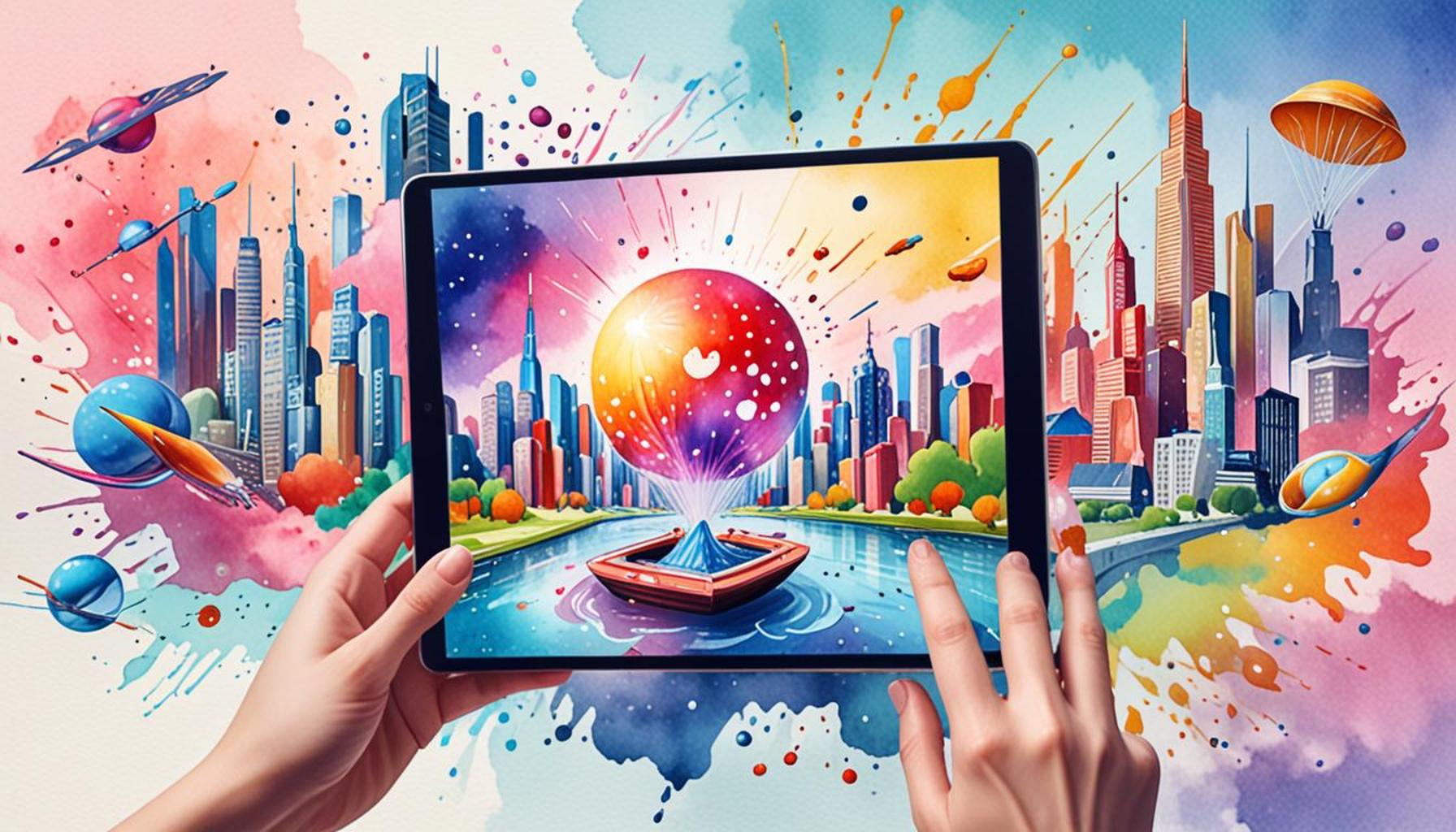
Another tool, Augmented Reality (AR), overlays digital information on the physical world, allowing users to interact with art pieces via their smartphones or AR glasses. This creates opportunities for artists to add layers to their works, allowing the audience to uncover hidden stories or engage with the artwork in dynamic ways. Imagine a simple mural that, when viewed through a device, animates into a story unfolding right in front of the viewer’s eyes.
- Projection Mapping transforms everyday surfaces into engaging canvases that can come alive with light and sound. This technique has been used in various public events, such as the annual Festival of Lights in Berlin, where historic buildings are illuminated with vibrant animations that tell a story about the site.
- Interactive Installations push the boundaries of viewer participation, as they invite the audience to impact the artwork through their actions. The installation “The Obliteration Room” by Yayoi Kusama encourages visitors to cover a white room with colorful dot stickers, resulting in a continually evolving piece of art that reflects the contributions of each participant.
As artists navigate these new mediums, they are increasingly aware of the profound emotional responses these immersive experiences invoke. This evolution leads to heightened emotional responses, where art becomes a shared experience rather than a solitary observation. The engagement fosters a sense of community, allowing diverse voices to be heard within the artistic narrative.
Moreover, the integration of interactive elements expands accessibility, breaking down barriers for those who may find traditional art unapproachable. Through technology, art can now reach individuals across various demographics, including those with disabilities who may interact with art in ways previously unimaginable.
However, as we embark on this new artistic frontier, there are critical questions about the authenticity of artistic experience and the role of the artist. Are we witnessing the birth of a new artistic language that blurs the lines between creator and viewer? The intersection of visual design and immersive experiences invites us to explore these trends further, reflecting on their implications for the future of contemporary art.
DIVE DEEPER: Click here to discover the evolution of visual design
Exploring New Frontiers in Visual Design
The landscape of art is evolving, driven by advancements in visual design that create immersive experiences. This evolution redefines the parameters of artistic expression, allowing creators to develop innovative platforms where their work can transcend traditional boundaries. By intertwining technology with artistic intent, artists are not merely presenting static creations but are engaging audiences in dynamic conversations that echo far beyond the gallery walls.
Immersive experiences invite viewers to become active participants in the artwork, fundamentally altering how art is consumed and appreciated. With the advent of technologies such as Virtual Reality (VR), audiences can don headsets to explore 3D environments filled with vibrant detail and interactive features. In these virtual realms, viewers can walk through an artist’s vision, experiencing the interplay of colors and shapes in a way that is both personal and intense. This immersion fosters a new form of emotional connection that traditional 2D art forms rarely evoke.
Another revolutionary element is Augmented Reality (AR), which enhances real-world environments by superimposing digital content. This technology not only bridges the gap between the viewer and the artwork but also enriches the narrative dimension. By simply pointing a smartphone at an art piece, a user can unveil layered stories or animations hidden beneath the surface. A classic example can be found in contemporary exhibitions where a common painting can reveal a hidden video that chronicles the artist’s journey in its creation, thus adding dimensions of personal context and depth.
- Interactive Installations are rapidly gaining traction among modern artists, as they redefine the concept of audience engagement. Take, for instance, the 2018 installation by artist TeamLab called “Borderless,” located in Tokyo. Visitors can step into a digital universe where their movements shape the displayed art, creating a fluid exchange of creativity between artist and audience.
- Projection Mapping transforms public spaces into canvases where vibrant animations tell stories, often connected to the cultural or historical significance of the location. Events like the Vivid Sydney festival illuminate the city with breathtaking displays, showcasing how visual design can enhance public spaces and foster communal experiences.
As artists adapt to these trends, they are also facing exciting challenges. New questions arise about the role of the artist and the traditional concepts of creativity. Is the artist still the sole architect of meaning, or are they facilitators of experiences that depend on audience interaction? This new artistic language is increasingly collaborative, inviting diverse interpretations and reshaping conventional narratives, thus making the creation of art a shared journey.
Further, this democratization of art through technology allows for broader accessibility, a crucial consideration in the United States where there is a diverse array of audience backgrounds. By employing accessible design principles, artists can engage individuals who may have previously felt excluded from the art world. The fusion of visual design and immersive experiences is not just a trend; it signifies a paradigm shift that promises to enrich cultural dialogues and foster a more inclusive artistic community.
| Category 1 | Category 2 |
|---|---|
| Interactivity | Immersive Art Experiences: Engaging users in multiple ways beyond mere observation. |
| Emotional Resonance | Connection: Art that invokes strong feelings and personal reflections from the audience. |
Delving into the realm of visual design and immersive experiences, the significance of interactivity has never been more apparent. Interactivity transforms passive viewers into active participants, captivating their attention and igniting curiosity. Artistic installations now employ advanced technologies, such as virtual reality and augmented experiences, enabling spectators to explore and manipulate art in unprecedented ways. This not only broadens the understanding of artistic expression but also encourages a level of engagement that invites deeper contemplation.Moreover, the emotional resonance in immersive artwork cannot be understated. Art that elicits strong emotions allows for personal connections, prompting viewers to not only appreciate aesthetic qualities but also reflect on their own experiences. This profound connection transforms the act of viewing into an impactful journey, fostering a community of shared emotions and thoughts. As artists continuously push the boundaries of traditional mediums, this creation of immersive experiences stands as a testament to the evolving landscape of art, urging audiences to engage, feel, and connect on new levels. By embracing these elements, the art world invites a renaissance of creativity rich with potential, inspiring both creators and viewers alike to venture into this new frontier.
DISCOVER MORE: Click here to unlock your creative potential
The Convergence of Art and Technology
At the heart of this artistic revolution lies the convergence of art and technology, where visual design plays a significant role in crafting immersive experiences. One of the most transformational developments has been the rise of 360-degree video installations. These installations allow artists to place viewers at the center of breathtaking visual narratives, enveloping them in expansive landscapes or dynamic urban scenes. Not only does this technology offer a novel aesthetic, but it also encourages viewers to engage with art in multifaceted ways. For instance, artist Chris Milk’s “The Machine to Be Another” project combines robotics and virtual reality to enhance empathy through art—participants can truly see through another’s eyes, forging emotional connections that resonate deeply within diverse audiences.
The emergence of Wearable Art also marks a new chapter in the relationship between visual design and immersive experiences. Artists are increasingly creating pieces that can be worn, not just observed. Using programmable LEDs and reactive materials, designers are crafting garments that respond to the wearer’s movements or emotions. These living artworks challenge the perception of body and space by transforming the wearer into a canvas. An exemplary case is the work of designer Anouk Wipprecht, who creates interactive garments that change based on biometric feedback, effectively merging fashion and technology into an immersive artistic experience.
- Urban Interventions have taken the immersive art scene to the streets, where public installations invite community interaction. Projects like the “Before I Die” wall allow passersby to participate in leaving their marks by writing their dreams and aspirations on public spaces. This not only enriches the urban environment but also fosters community dialogue about life, mortality, and shared human experiences.
- Soundscapes integrated into visual experiences can create enveloping environments that transport audiences to different realms. Artists like Janet Cardiff and George Bures Miller leverage sound design to transform gallery spaces into immersive narratives, where the auditory experience complements the visual, deepening emotional engagement.
As the border between physical and virtual continues to blur, immersive theatre represents another exciting domain where visual design plays a vital role. Productions like “Sleep No More” seamlessly fuse theatre with interactive visuals, placing the audience in control of their experience. Here, the viewers navigate the story through their movements, making choices that influence their interpretation. This tactile interaction breaks down the fourth wall, making the audience an integral part of the art being created.
In addition to enhancing audience experience, the intersection of visual design and immersive technologies also opens new avenues for artistic monetization. Digital art sales through platforms like NFTs (non-fungible tokens) have exploded, allowing creators to sell unique digital artworks that leverage their visual design skills while tapping into the growing market of cryptocurrency and blockchain technology. Artists can now reach global audiences instantly and directly, bypassing traditional gallery constraints.
The infusion of immersive experiences into the art world is not merely a technical advancement; it reflects a cultural shift toward experiential participation. Where traditional forms of art often demand passive observation, these new practices encourage active engagement, inviting audiences to explore, question, and discover. As artists continue to explore this vibrant landscape, the possibilities for innovation remain boundless, promising to reshape the artistic narrative in profound ways.
DIVE DEEPER: Click here for imaginative writing techniques
Exploring the New Frontiers
As we delve deeper into the dynamic realm of visual design and immersive experiences, it becomes increasingly apparent that this artistic evolution extends beyond mere aesthetics; it is a gateway to profound human connection and understanding. The intersection of art and technology not only facilitates innovative expressions but also sparks meaningful dialogues among diverse audiences. From 360-degree video installations that capture viewers in emotionally charged narratives to interactive garments that invite participation, artists are reimagining the boundaries of creative expression.
The rise of urban interventions and participatory art projects, along with the incorporation of soundscapes, demonstrates a collective movement toward communal enhancement and shared experiences. This trend not only enriches urban landscapes but fosters an intrinsic sense of belonging and interaction. Moreover, immersive theatre exemplifies the power of audience agency, blending narrative and participation in ways that challenge traditional notions of storytelling.
As the art world embraces new technologies such as NFTs for monetization, it simultaneously democratizes access to creativity, allowing artists to engage with global audiences without the constraints of conventional gallery systems. This shift signals not just a change in how art is created and sold, but a cultural transformation in how we perceive and connect with art itself.
Looking ahead, the future of immersive experiences in visual design appears boundless, inviting artists and audiences to question, explore, and redefine the essence of art. As this new frontier unfolds, we are reminded that art is not static; it thrives in its capacity to evolve and inspire, challenging us to engage with our world in richer, more immersive ways.