Writing with Music: How the Soundtrack Can Inspire Your Creative Prose
The Power of Music in Creative Writing
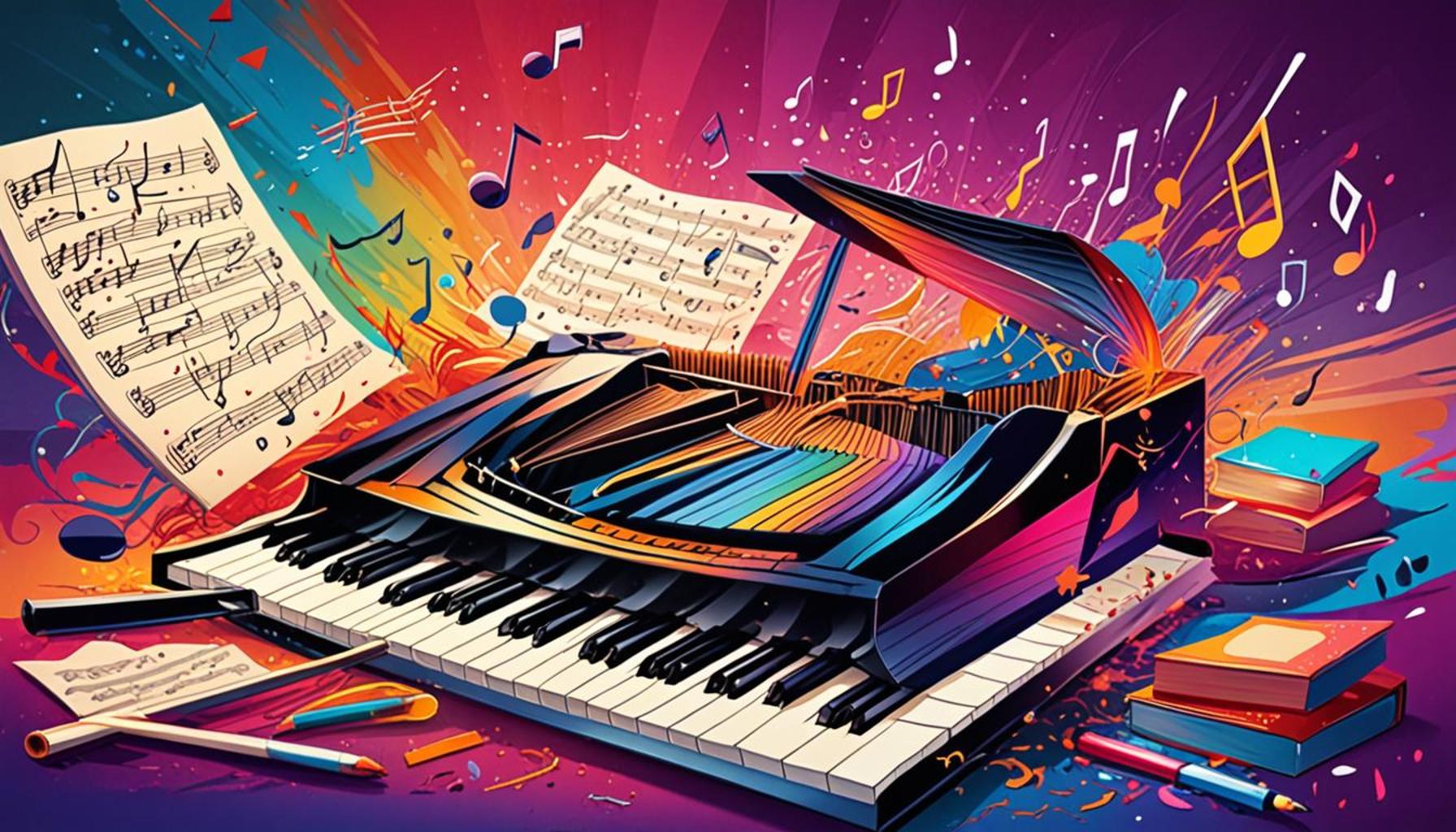
Many writers experience a unique synergy when blending words with melodies. The right soundtrack can evoke emotions, stimulate imagination, and enhance productivity in ways that silence simply cannot. For many, writing isn’t merely about putting pen to paper; it’s about creating a vibrant world where words dance to the rhythm of the heart and soul.
Music as a Muse: Integrating music into your writing routine can:
- Set the mood for your narrative: The emotional landscape of your writing can significantly shift depending on the music you choose. A haunting piano piece might evoke sorrow, while an upbeat pop song can inspire joy and inspiration as you describe your characters’ journeys.
- Inspire character development: If you’re struggling to flesh out a character, try listening to music that embodies their essence. For instance, a character with a rebellious spirit might be brought to life through punk music, while an introspective thinker could come alive through ambient soundscapes.
- Streamline your creative process: Having a predefined playlist can help you slip into the right cognitive state more quickly. By consistently using certain sounds while writing, your brain begins to associate those melodies with creativity and flow, making it easier to dive into your work.
Consider how different genres impact your writing:
- Classical: This genre creates a serene atmosphere conducive to concentration, allowing writers to immerse themselves in their stories. Legendary composers like Bach or Debussy can create an environment where creativity flourishes without distraction.
- Jazz: The improvisational nature of jazz encourages fluid storytelling. Writers like Maya Angelou have noted that jazz informs their prose, instilling a sense of rhythm that draws readers into the narrative.
- Rock: With its energetic beats and powerful lyrics, rock music fuels passionate and intense prose. It can be particularly beneficial during climactic scenes or when one wants to convey a sense of urgency.
Many famous authors, from Ernest Hemingway to Stephen King, have embraced music to fuel their creativity. Hemingway often listened to the likes of jazz while crafting his sparse yet impactful prose, while King has spoken of the element of storytelling inherent in rock music that resonates with his writing style. They understood that the right sounds not only accompany their work but also forge connections with their readers.
The journey of exploring how music influences your writing is an exciting one. Writers have the opportunity to uncover personal soundtracks that stir their creative juices and enhance their productivity. For many, this practice is not just beneficial; it has become an integral part of their writing ritual. By learning to select soundtracks that resonate with your creative flow, you can unlock new dimensions in your prose, exploring uncharted territories of imagination and storytelling.

DIVE DEEPER: Click here to start your creative journey
Finding Your Unique Soundtrack
For many writers, the exploration of writing with music extends beyond mere background noise; it becomes an intimate part of their creative identity. To harness the power of music effectively, it is essential to discover the right soundtrack that aligns with your writing style, genre, and emotional thematic elements. This process allows for a more tailored approach to creativity, encouraging writers to delve deeper into their work.
Identifying Your Creative Vibes: Every writer has distinct preferences when it comes to the sounds that stimulate their creativity. For some, upbeat playlists filled with pop anthems might provide the right energy, while others may thrive in the tranquility of instrumental tracks. Here’s how to begin identifying what works for you:
- Experiment with playlists: Start by creating different playlists for various projects or writing sessions. You might find that a motivational playlist fuels your productivity in a fast-paced writing session, while a more subdued collection aids in introspection and character development.
- Explore themed genres: Consider the genre of writing you are engaging in. If you are crafting a fantasy world, you may find that orchestral soundtracks from films or games enrich your storytelling. In contrast, if you are working on contemporary fiction, singer-songwriter tracks may connect you to the emotional core of your characters.
- Pay attention to your emotions: Note how different tracks make you feel. Do you find yourself writing more vibrantly with a powerful rock anthem? Or does a soft classical piece bring out quieter, more reflective prose? Understanding your emotional responses can guide your selection process significantly.
As you navigate through various soundscapes, consider how they impact your focus and productivity. Some writers report finding their flow state more quickly when a specific song or style of music becomes synonymous with their creative endeavors. The act of applying music as a writing tool can ultimately lead to improved writing sessions and a clearer vision of your narrative.
The Science Behind Music and Writing: Research has shown that listening to certain types of music can boost cognitive performance and enhance creativity. A study published in the journal Psychology of Music suggested that music can improve motivation and reduce feelings of anxiety, offering a favorable environment for writers who may struggle with writer’s block. With music, the writing process transcends into a multi-sensory experience, paving the way for an innovative imaginative landscape.
Moreover, the emotional aspect of music should not be underestimated; it can reach parts of our psyche that words often cannot. As you experiment with different sounds, you may find that certain melodies invoke memories, stirring emotions that shape the narrative elements of your prose in ways that are authentically yours.
In summary, exploring how music influences writing allows creators to tap into a deeper well of inspiration. By committing to this exploration of sound, writers build a rich conduit of creativity leading to fresh perspectives and genuine storytelling.
| Category | Description |
|---|---|
| Musical Mood | Different genres evoke distinct emotions, helping writers create specific atmospheres in their prose. |
| Creative Flow | Soundtracks can enhance concentration and reduce distractions, allowing writers to delve into their imaginative worlds effortlessly. |
Incorporating music into the writing process can significantly elevate a writer’s experience. The musical mood serves as a critical component; for example, a vibrant soundtrack may enhance scenes of triumph, while softer melodies could underscore moments of introspection. Writers might wish to explore how the soundtracks of their favorite films resonate with their own narratives, allowing for deeper connections to both the music and the prose.Moreover, the concept of creative flow becomes paramount. A well-selected playlist can facilitate a state of deep focus, effectively acting as a background companion for writers as they navigate through creative blocks. Background music becomes a tool—a gentle encouragement that fosters productivity and inspires blocks of creativity, perfect for reimagining characters or plotlines. As writers discover the various ways music interacts with their creative processes, they unlock a world of inspiration that goes beyond the written word.
DIVE DEEPER: Click here to uncover the magic of improvisation
The Role of Music in Storytelling
As writers delve deeper into the transformative experience of writing with music, it’s vital to understand how sound can amplify storytelling. Music serves as a powerful narrative device, enhancing the emotional landscape of a scene or adding drama to pivotal moments in a story. By consciously integrating music into their writing process, authors can create resonant imagery and evoke potent emotions in their readers.
Using Music to Set the Mood: Different music genres can evoke diverse atmospheres, prompting writers to set their narratives in a way that aligns with emotional undertones. For example, if a writer is constructing a suspenseful thriller, they may lean toward dark, pulsating electronic beats or ambient soundscapes to prioritize tension. Conversely, for a romantic scene, soft acoustic melodies or romantic classical pieces could be the perfect accompaniment to cultivate an atmosphere of intimacy. Understanding the mood an author seeks to create can be effectively achieved through the careful selection of soundtracks designed for that purpose.
Character Development through Sound: The role of music extends beyond setting the scene; it can also be pivotal in character development. By considering each character’s relationship to music, writers can add layers to their personalities. Does a character feel empowered by hard rock, or do they find solace in instrumental jazz? These musical inclinations can reflect their experiences, moods, and even serve as motifs throughout a narrative. For instance, a character with a love for classical music may exhibit a sophisticated demeanor, while another who prefers punk rock may embody a rebellious spirit.
By incorporating such nuances, a writer can craft a multi-dimensional character that resonates with readers.
Using Music as a Writing Prompt: Music can act as a springboard for inspiration, especially for writers experiencing creative blocks. A single song or a haunting melody could remind an author of a past experience, a vivid scene, or a profound emotion, ultimately propelling them into a creative flow. Creating a playlist with the express purpose of awakening certain memories or feelings can lead to productive writing sessions filled with rich detail. As an intriguing exercise, writers may even consider listening to instrumental pieces without lyrics while brainstorming plot lines – the absence of words might encourage free-flowing thoughts and enable expansive world-building.
Additionally, some writers turn to music-based writing exercises as an effective strategy. For example, one could listen to a piece of music multiple times while jotting down impressions or ideas inspired by the sound. This exercise encourages deep engagement with both music and prose, steering writers away from linear thinking and into a space of more holistic creativity.
Revisiting the Classics: Writers can also draw from classical composers whose works are steeped in narrative. The emotional arcs present in compositions by artists like Beethoven or Tchaikovsky can provide profound insights into character arcs or plot developments. By aligning their writing rhythm with that of a symphony, authors can mimic the rise and fall of tension in their prose, enriching their narrative structures.
Incorporating this multifaceted approach to music in writing not only expands the method itself but also enhances the overall literary experience for readers. By tapping into sound, writers can transform their prose into an immersive journey that leaves a lasting impact.”
DISCOVER MORE: Click here to learn about creative recycling art
Conclusion
In conclusion, the exploration of written prose infused with music invites writers to expand their creative horizons and enhance their storytelling capabilities. As we have seen, music serves not only as a backdrop but as a dynamic catalyst that enriches the narrative experience. By harnessing the emotional power of diverse musical genres, authors can effectively set the mood and evoke feelings that resonate deeply with readers.
Furthermore, the use of music can provide significant insights into character development, allowing writers to craft rich, multi-dimensional personalities. This adds depth to narratives, enabling readers to connect on a more personal level. In times of creative block, music can also act as a source of inspiration, sparking ideas and providing a framework for innovative writing practices. The act of engaging with sound through writing exercises encourages writers to break free from conventional thought patterns, ultimately leading to more imaginative storytelling.
As writers, experimenting with soundtracks, drawing inspiration from classical compositions, and utilizing music as a writing prompt can open doors to new narratives and distinctive voices. Embracing this medium empowers authors to craft stories that not only captivate the mind but also touch the heart, leaving an indelible mark. The next time you sit down to write, consider letting the rhythm of the music guide your pen and explore the boundless possibilities that lie at the intersection of writing and sound.