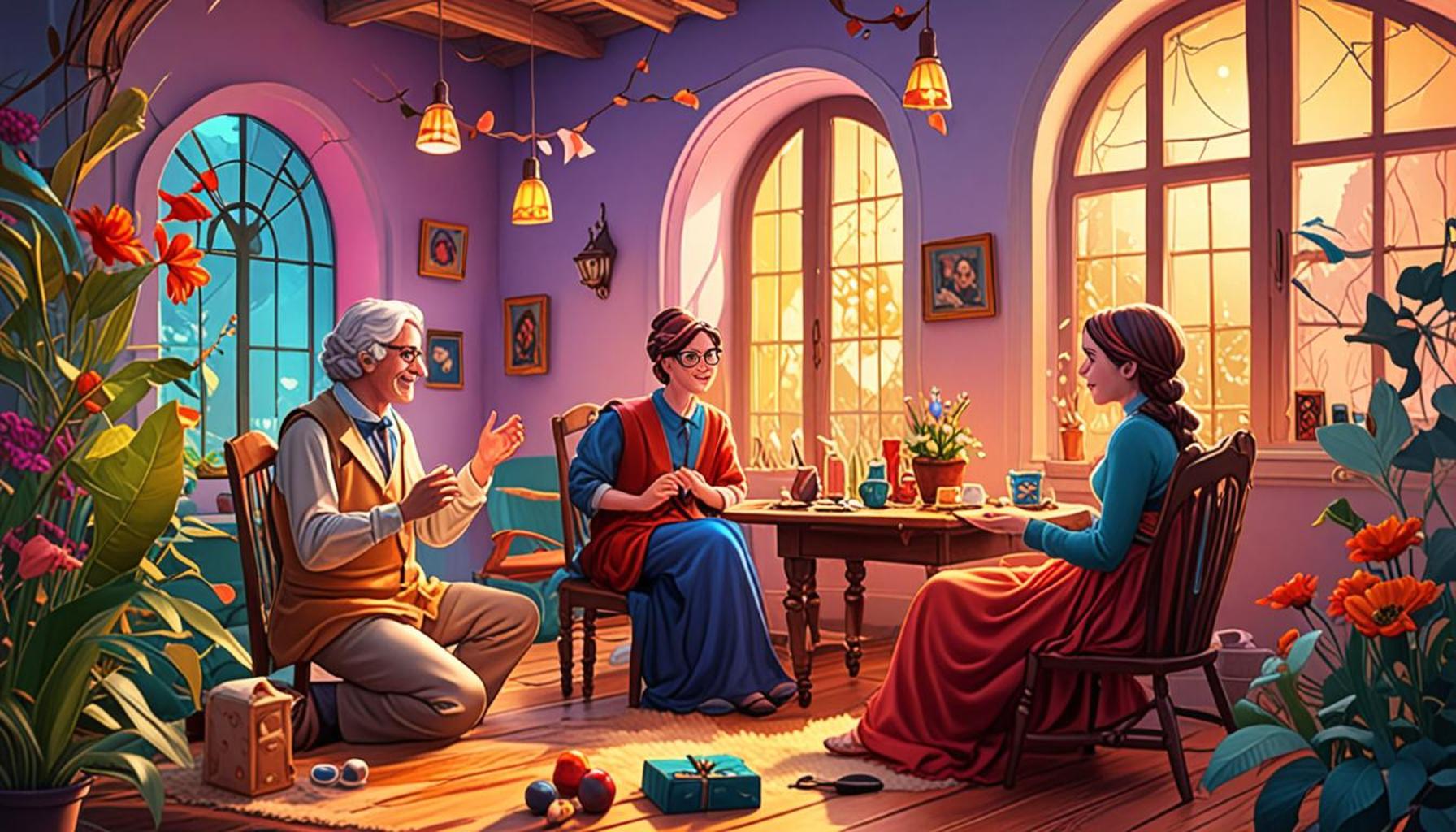
Writing Worlds: How to Create Imaginary Universes Through Inventive Writing

Creating Imaginary Universes
Every great story begins with a spark of imagination. Imaginary worlds invite readers to escape their realities and explore the unknown. But how does one craft a universe that captivates and enchants? The key lies in weaving together elements that not only intrigue but also resonate with the audience.
Those who aspire to be writers often desire to create places and experiences beyond the mundane. Here are several key elements to consider when building your world:
- Geography: Design intriguing landscapes that shape culture and conflict. Consider how the presence of mountains, rivers, or deserts might impact the societies that develop around them. For instance, a civilization thriving in a fertile valley might have different customs and conflicts compared to one surviving in arid conditions. Think of the lush, magical forests of Eregion in Tolkien’s work, contrasting sharply with the desolate expanse of Mordor.
- History: Develop a rich backstory that adds depth to your universe. Every land has a past that influences its present. What wars have shaped its nations? What heroes or villains were born and what legacies remain? In George R.R. Martin’s A Song of Ice and Fire, the extensive histories of the realms, including the Targaryen dynasty and the consequences of the civil war known as the Dance of the Dragons, play a crucial role in the unfolding narrative.
- Characters: Populate your world with diverse and relatable individuals. Characters serve as the vessels through which readers experience the universe. They need distinct motivations, backstories, and arcs that can evolve. Take a note from authors like J.K. Rowling, whose characters like Harry Potter or Hermione Granger are not just inhabitants of Hogwarts but are crucial to its identity and what the school represents in the wider wizarding world.
Consider how successful authors achieve this depth in their storytelling. For instance, J.K. Rowling’s Hogwarts is not only a setting but serves as a character in its own right, with hidden layers and histories that inspire awe. Similarly, Tolkien’s Middle-earth is painstakingly detailed, with languages, cultures, and customs meticulously crafted, enriching not only the narrative but also the lore that fans continue to explore countless years after their initial publication.
The art of imaginative writing extends beyond mere description. It encompasses exploring possibilities that allow readers to become fully immersed. Delve into elements such as the history, climate, societal norms, and even folklore of your world to lay the groundwork for a space where readers can not just witness your world but truly live in it. Aim for a universe that feels as expansive and detailed as our own, prompting readers to ponder its mysteries long after they’ve turned the final page.
As we journey deeper into this exploration of world-building, you will uncover techniques that turn the blank page into a vibrant world full of adventures. This is where creativity flourishes. Are you ready to unleash your creativity and embark on this storytelling trek, crafting an imaginary universe that captivates and invites readers into its realms?

DISCOVER MORE: Click here to learn about sustainable innovations in visual design
Establishing a Foundation: The Pillars of World-Building
Creating an imaginary universe is akin to constructing a compelling narrative—it requires a solid foundation and a vivid imagination. As you embark on this creative journey, understanding the core elements of world-building is essential. Each element serves as a building block, contributing to a cohesive and immersive experience. Here are critical components to consider when laying the groundwork for your universe:
- Culture: Culture shapes the identity of your world. Explore the social norms, traditions, and belief systems that define your communities. Consider how religion, art, and technology influence interactions among characters. For instance, in Ursula K. Le Guin’s Earthsea series, the concept of balance and harmony in life is deeply woven into the fabric of the society, shaping character motivations and conflicts.
- Economics: The economic system establishes how societies function. Is it a barter system, a currency-based economy, or something entirely different? The way resources are distributed can lead to conflict, power struggles, or alliances. For example, the trading cities in Frank Herbert’s Dune rely on the precious spice melange, creating a complex web of political and economic intrigue that drives the plot.
- Technology and Magic: Decide the role of technology or magic in your universe. How does it enhance or complicate life for your characters? Consider if it is a pivotal force driving your plot or if it operates subtly in the background. The advanced technology in Isaac Asimov’s Foundation series plays a crucial role in shaping the outcomes of events, while the magical elements in Neil Gaiman’s American Gods intertwine seamlessly with the modern world to create a rich narrative tapestry.
Drawing inspiration from diverse cultural aspects can enrich your imaginary universe. Think beyond typical constructs and embrace a blend of influences from history and mythology, allowing for a deeper exploration of human experiences. Your world should evoke emotional responses, and relatable cultures can facilitate this connection.
Moreover, the tension and conflicts emerging from economic disparities or technological advancements create a realistic dynamic in your storytelling. Characters that navigate these complexities will resonate with readers, as they reflect the multifaceted nature of our real world.
The wonderful thing about world-building is that it offers endless opportunities for creativity. Each culture has its own set of traditions, technologies, and stories that can coalesce into a universe as vibrant as your imagination allows. As you sketch the broad strokes of your setting, remember that the details will draw readers in and make them believe in the existence of your imagined realm.
As we delve deeper into the art of world-building, recognize how these elements intertwine with character arcs and plotlines, ultimately crafting a tapestry that holds the reader’s attention through every twist and turn. Keep your mind open and adventurous, ready to explore the infinite possibilities that await in the world you’ll create.
Building Blocks of Inventive Writing
Creating imaginary universes requires a solid foundation in both creativity and structure. World-building is not just about inventing fantastical land; it encompasses the very essence of how those worlds interact with storytelling. Every element, from geography to culture, needs to be intricately woven together, giving readers a full, immersive experience.
1. Crafting Detailed Settings
An effective imaginary world begins with a detailed setting. It’s essential to discern the landscapes, weather patterns, and ecological details. Consider the flora and fauna that inhabit your universe. How do these elements affect the civilization that resides there? For instance, a desert world might yield nomadic tribes with a rich tradition of storytelling, shaped by their harsh environment.
2. Developing Unique Cultures
Next, focus on cultural elements such as customs, languages, and belief systems. Cultures provide depth and influence how your characters interact with each other and their environment. Imagine a society that venerates the moon, affecting agricultural practices, rituals, and social hierarchies. Such intricate cultural backgrounds can spice up your narrative, allowing you to explore various thematic arcs.
3. Defining Politics and Conflicts
No world is complete without conflict, which often arises from political structures. Create governments, social classes, and even wars that shape your universe’s history. For instance, rival kingdoms may vie for dominance over a scarce resource. This would incite not only battles but also political intrigue, making for captivating storylines that engage readers deeply.
4. The Role of Magic and Technology
Your imaginary world may also feature unique systems of magic or advanced technologies that influence the universe’s functioning and the characters’ lives. How do these systems coexist? Are they revered or feared? Understanding this interplay adds another layer of complexity to the narrative, offering endless possibilities for character development and plot twists.
These foundational blocks are essential for tapestry-like storytelling that pulls readers into your crafted universe. As you develop these aspects, remember that the consistency of your world plays a crucial role in maintaining the believability of your narrative. The more you invest in intricacy, the more likely your readers will enjoy the journey through your imaginations.
| Category | Benefits |
|---|---|
| Cohesive Worlds | Readers become more engaged as they navigate a believable universe. |
| Character Development | In-depth settings allow for rich backstories and motivations. |
| Thematic Exploration | Offers avenues to delve into complex themes like power, morality, and identity. |
DISCOVER MORE: Click here to learn about the therapeutic benefits of crafting
Depth and Dimension: Enhancing Your World with History and Geography
As you carve out the framework of your imaginary universe, consider how history and geography add depth and dimension to your creation. These elements not only provide a backdrop for your narrative, but they also shape the very identities of your characters and societies. By understanding the evolution of your world, you can create a rich tapestry that resonates with authenticity and intrigue.
- Geography: The physical landscape of your universe plays a pivotal role in shaping its cultures and societies. Are there vast mountains that isolate communities, or expansive oceans that foster trade? The geography influences everything from local customs to climate-related challenges. In J.R.R. Tolkien’s The Lord of the Rings, the varied landscapes—from the lush Shire to the barren wastelands of Mordor—mirror the struggles and triumphs of its characters.
- History: A well-crafted backstory cultivates a sense of realism that captivates readers. Dive into significant events that shaped your world: wars, alliances, or natural disasters. How have these historical moments impacted societal norms and relationships? The complex, intertwined histories in George R.R. Martin’s A Song of Ice and Fire series reveal the consequences of past actions, often dictating the motivations of current characters.
When developing your world’s history, include myths and legends that might exist within it, embedding them into the culture. These narratives can serve as a means of explaining natural phenomena, offering moral lessons, or simply entertaining the populace. Consider how these stories influence the characters’ beliefs and decisions. For example, in many Native American cultures, myths often shape the environmental stewardship that is integrated into their way of life, illustrating the cultural significance of storytelling.
Moreover, intertwining history with geography enhances the uniqueness of your world. Reflect on how the climate and resources have influenced the rise and fall of civilizations. The scarcity of resources might breed conflict or innovation, while fertile lands could lead to prosperity. Explore these themes as you peel back the layers of your universe, allowing readers to engage with its history as they would with that of our world.
As you build upon these foundational elements, keep in mind that consistency is crucial. Ensure that the historical development of your world aligns with your established cultures and economies. This interconnectedness strengthens your narrative, creating a world that feels holistic and inviting to readers willing to immerse themselves in every detail.
Finally, remember that as much as readers crave adventure, they also seek understanding. Drawing parallels between your imaginary universe and reality can provide a profound connection. By interspersing familiar elements with the fantastical, you not only captivate your audience but also invite them to question lineage, heritage, and existence within the framework of your creative work.
DIVE DEEPER: Click here to uncover the magic of storytelling
Conclusion: Unleashing Your Imagination in Infinite Dimensions
In conclusion, creating imaginary universes through inventive writing is an exhilarating journey that lies within the realm of every aspiring storyteller. By meticulously weaving together elements such as history, geography, and cultural dynamics, writers can forge worlds that captivate and resonate with readers. The process not only cultivates a believable setting but also enriches character development and narrative depth, ensuring that your audience is engaged from the first page to the last.
As you dive into the art of world-building, remember that consistency is crucial. Each action should reverberate through the histories and landscapes of your universe, creating a seamless experience for your readers. Integrating universal themes and relatable experiences helps bridge the gap between the fantastical and the familiar, allowing readers to find connections in your narrative that transcend existing realities.
Moreover, always be open to exploring new perspectives. Delve into the unseen corners of your imagination, allowing your world to evolve organically as characters inhabit it. By embracing innovation in storytelling, you empower yourself to build a universe that feels not only authentic but also endlessly intriguing. Whether you draw inspiration from the vastness of nature, social intricacies, or folklore, every detail can contribute to a vibrant tapestry that invites readers to escape into your world.
In a time when readers seek meaning and adventure, your creative efforts can shape new realms filled with wonder and reflection. So, embark on your writing journey with confidence, and don’t hesitate to explore the extraordinary potential that lies within the art of crafting imaginary worlds.