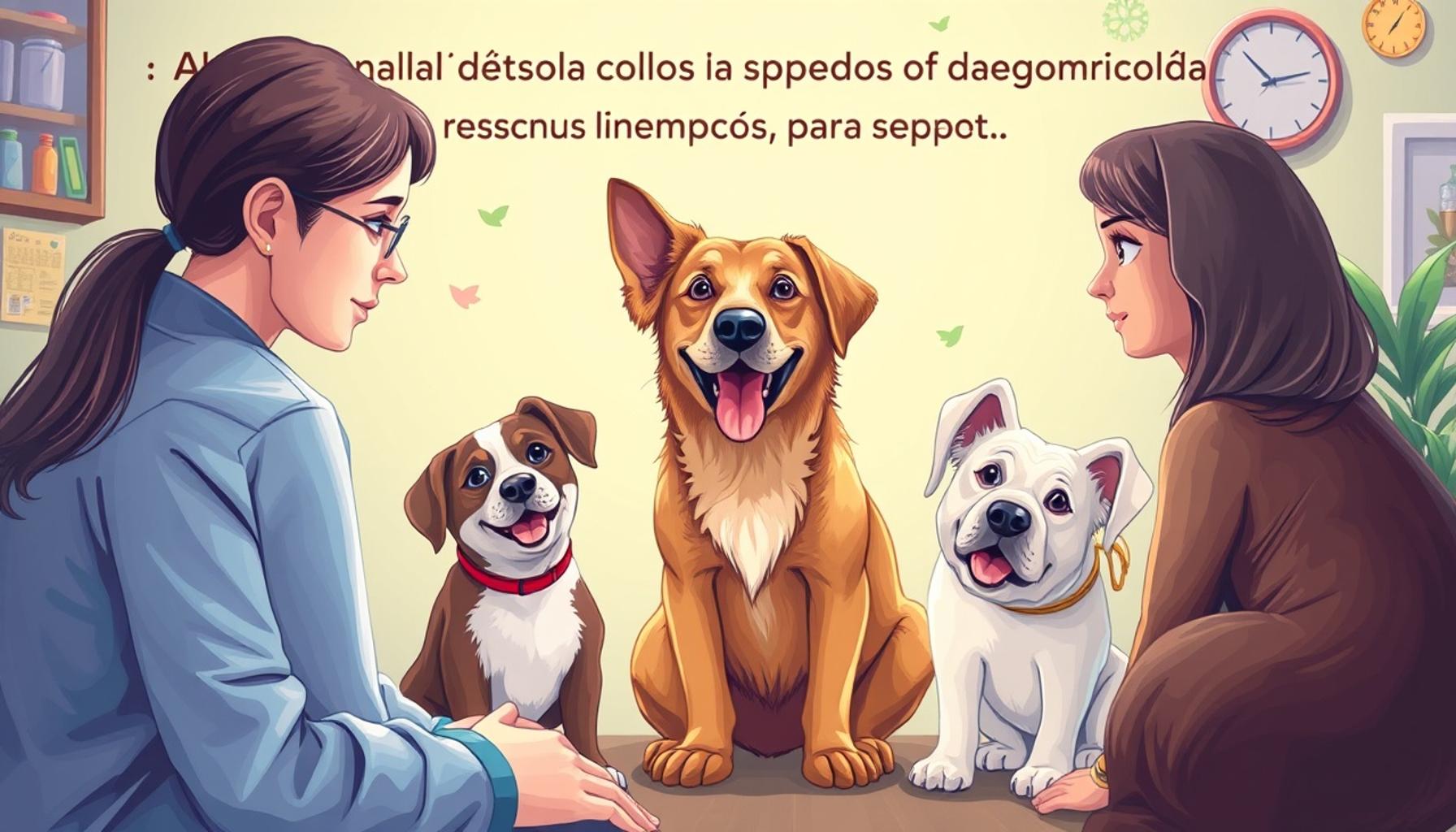
The Animal Adoption Process: Step by Step for New Guardians

Welcome to the Journey of Animal Adoption
Choosing to adopt a pet is a commendable decision that can profoundly change a life. However, the animal adoption process can feel overwhelming, especially for first-time guardians. Understanding each step involved can make the experience rewarding and meaningful.
What to Expect When Adopting
The journey to finding your new furry friend typically includes several key steps, each carefully designed to ensure a successful adoption experience:
- Research the types of pets available for adoption. Begin by considering your lifestyle, living situation, and available time for pet care. For example, dogs require regular walks and playtime, whereas cats are generally more independent. Websites like Petfinder or Adopt a Pet can provide information on various breeds and their specific needs.
- Visit local shelters or rescue organizations. Engaging with local animal shelters allows you to meet animals in person and get a feel for their personalities. Shelters like the ASPCA and local humane societies often host events that allow you to interact with multiple animals. This first-hand experience is invaluable in choosing the right pet.
- Complete an application to express your interest. Most shelters require an application form that includes your contact information, living situation, and other relevant details. This step is crucial; it helps the shelter assess if you are suitable for the specific animal, allowing for a better match.
- Meet and greet potential pets to find the right fit. Once your application is approved, you often have the opportunity to meet pets in a controlled environment. Take this time to observe how the animal interacts with you and other people. It’s important to consider your comfort level and the pet’s temperament during this phase.
- Prepare your home for your new animal companion. Before bringing your pet home, ensure your environment is safe and welcoming. Remove hazardous items, secure loose wires, and invest in essentials like food, water dishes, and a comfortable bed. A well-prepared space will help your new pet adjust more easily.
Each phase provides an opportunity to learn more about the responsibilities of pet ownership. This process not only promotes thoughtful decision-making but also ensures the best match between you and your potential pet. Understanding the commitment involved includes recognizing the financial responsibilities that come with pet care, such as food, veterinary visits, and grooming.
Why Adoption Matters
Every year, millions of animals in the United States end up in shelters waiting for a loving home. According to the ASPCA, approximately 6.5 million animals enter U.S. shelters annually. By considering adoption, you are not only finding a companion but also giving a homeless animal a second chance. Furthermore, adopting an animal can often be less expensive than purchasing one from a breeder or pet store, as many shelters include vaccinations and spaying/neutering in their adoption fees.
As you dive into this guide, you will discover essential tips and insights to navigate the animal adoption process smoothly. From understanding different breeds to tips on settling in your new pet, the wealth of information available can significantly enhance your experience. Join us in making a difference, one paw at a time! Not only do you gain a loyal friend, but you also become part of the movement to find homes for deserving animals in need.
LEARN MORE: Click here to uncover the impact of rescue organizations
Navigating the Animal Adoption Landscape
As you embark on the animal adoption process, it is essential to embrace the journey with an open heart and a thoughtful approach. Every step you take not only brings you closer to your new companion but also prepares you for the responsibilities that come with pet ownership. Understanding the adoption landscape will empower you with the information needed to make wise choices.
Understanding Adoption Requirements
Before selecting the perfect pet, familiarize yourself with the adoption requirements that various shelters and rescue organizations may have. These requirements can vary widely, so being prepared will streamline the process:
- Age Restrictions: Many shelters set age limits for adopters, ensuring that both parties are ready for the commitment involved. For instance, some organizations might require that adopters be at least 18 years old.
- Home Checks: Certain rescues may want to ensure your living situation is suitable for a pet. This could include checks for secure fencing in the yard or verifying that certain areas of your home are pet-friendly.
- References: Some adoption processes may ask for personal references to get a better sense of your lifestyle and suitability as a pet guardian. Having these references ready can expedite your application.
- Fees and Donations: Be prepared to cover adoption fees, which often include spaying/neutering, vaccinations, and microchipping. Understanding the financial commitment ensures that you are ready to provide for your new pet’s health and well-being.
Ensuring that you meet the shelter’s guidelines will not only help you during the application phase, but it also enhances your experience by matching you with the right animal. These requirements promote responsible adoptions and serve to protect both the guardians and the animals.
Choosing the Right Match
The next critical step in the animal adoption process is finding a pet that fits seamlessly into your lifestyle. Different breeds exhibit various temperaments and energy levels, making it crucial to analyze your daily routine and preferences. For example, if you are an active person who enjoys long hikes, a high-energy dog may be your ideal companion. Alternatively, if you live in a small apartment with limited space, a low-energy or more independent pet such as a cat could be the perfect fit.
Consider the following factors when choosing your new companion:
- Energy Level: High-energy pets may require significant physical activity and stimulation, while more relaxed animals are content with less rigorous engagement.
- Size: Larger breeds often need more space and resources, while smaller pets may adapt better to compact living situations.
- Temperament: Assess how the animal interacts with people and other pets. Some may be social butterflies, while others prefer solitude.
- Age: Puppies and kittens typically require more energy and time for training, whereas adult or senior pets may offer a more laid-back option.
By prioritizing these factors, you enhance your chances of forming a rewarding bond with your new pet, setting the stage for years of joyful companionship.
As you continue through this guide, keep in mind that adopting an animal is not just about finding a pet; it is about creating a lasting commitment that enriches both your life and that of your new furry friend.
The Animal Adoption Process: Step by Step for New Guardians
Embarking on the journey of animal adoption is a rewarding experience, but it comes with its own set of steps to ensure both the prospective guardians and the animals find the best match. Understanding these steps can significantly enhance the experience of welcoming a new furry friend into the home.
1. Research and Preparation
Before visiting a shelter or adoption agency, it is crucial for potential adopters to do their homework. Research different breeds, their temperaments, exercise needs, and care requirements. Prepare your home by creating a safe environment where the new pet can thrive. This stage sets the foundation for a successful adoption.
2. Visiting Shelters
Once the research is complete, it’s time to visit local shelters. Interacting with animals in person helps prospective guardians gauge which pet resonates most with them. Many shelters encourage multiple visits, allowing potential adopters time to bond with their chosen animal.
3. The Application Process
Filling out an adoption application is a critical step. This application asks about the potential home environment, experience with pets, and willingness to commit to the pet’s lifetime care. The adoption agency uses this information to ensure it can find the right match, ensuring the new pet will be welcomed into a loving and prepared home.
4. Home Check
Some shelters conduct home visits to assess the living conditions. This ensures the environment is safe and appropriate for the animal. Transparency about home life helps build trust with the shelter and ensures a good fit for the pet.
5. Adoption Fees and Legalities
When approval is granted, guardians will need to pay an adoption fee. This fee often covers vaccinations, spaying/neutering, and sometimes microchipping. Understanding the costs associated with adoption, including ongoing care, fosters responsible pet ownership.
6. Bringing Your Pet Home
With all paperwork completed, it’s time to bring your new pet home! Introduce them slowly to their new surroundings. Ensure that their space is comfortable and that they have access to necessities such as food, water, and a safe area to rest. Patience during this transition is key!
7. Ongoing Care and Commitment
Adoption is just the beginning of a lifelong commitment. Regular veterinary check-ups, training, and socialization ensure the adopted animal is healthy, happy, and well-adjusted. Guardians should also continue to educate themselves on animal care to nurture a fulfilling relationship with their chosen companion.
By following these steps thoroughly, new guardians can not only ensure a successful adoption but also provide a loving home for pets in need. Each step of the process deepens the bond between the guardian and their new furry friend—a bond built on understanding, patience, and love.
| Category | Benefits |
|---|---|
| Informed Decision | Researching breeds helps ensure a match that fits your lifestyle. |
| Long-lasting Relationship | Understanding the commitment fosters a deeper bond between you and your pet. |
DISCOVER MORE: Click here to learn how to prepare your children for a new furry friend
The Adoption Experience: From Application to Home Transition
Once you have identified the right match for your lifestyle, the next stage of the animal adoption process involves submitting your application and preparing for the adoption experience. This is an exciting time, but it also requires careful planning and understanding of the steps involved.
The Application Process
Your journey begins with filling out an adoption application, an essential step that gives the shelter insight into your preferences, lifestyle, and readiness for pet ownership. Be honest and thorough in your application to help the organization pair you with a suitable animal:
- Personal Information: Provide accurate details about yourself, including your living situation, employment, and family members.
- Pet Preferences: Indicate breed preferences, age, and any special needs you may be willing to handle. This helps shelters match you with animals that fit your specific requirements.
- Experience and Intent: Describe your previous experience with pets and your intentions behind adopting. This is vital for organizations to assess your readiness and motivation.
After submitting your application, you may undergo an interview process, including a discussion with shelter staff about the pet you wish to adopt. This allows staff to evaluate your compatibility and offer guidance on the responsibilities involved with pet ownership.
Meeting Your Potential Companion
Upon approval of your application, you will have the opportunity to meet the animal you are considering adopting. Many shelters encourage potential adopters to spend time with the animal in a designated area to gauge compatibility. Here are a few pointers to make the most of this crucial step:
- Observe Interactions: Pay attention to how the animal responds to you and your family members. Look for mutual comfort and enthusiasm.
- Ask Questions: Inquire about the animal’s history, behavior, and any medical concerns. Knowledge about the pet’s past can provide insight into their personality and needs.
- Take Your Time: Do not rush the meeting. Give the animal time to acclimate to your presence, which will help you assess their temperament and energy level.
The meeting phase is crucial; it can significantly influence your decision and ensures that both you and the animal feel secure in making a lifelong commitment.
The Final Steps to Adoption
If you decide to move forward after meeting your potential pet, the next steps usually involve completing final paperwork and paying the adoption fee. This fee often goes toward supporting the shelter, covering spay/neuter costs, vaccinations, and other medical care previously provided to the animal.
Additionally, some organizations may offer trial periods or adoption returns if the arrangement does not work out. This reflects their commitment to ensuring successful matches while emphasizing the importance of finding a compatible guardian-animal pair.
Once all legalities are taken care of and the adoption is finalized, it’s time to prepare for bringing your new family member home. This includes purchasing necessary supplies and setting up a space where your new pet can feel comfortable and secure.
Preparing Your Home for Your New Pet
Transitioning an animal into your home requires creating an environment where they can thrive. Start by gathering essential supplies:
- Food and Water Bowls: Choose quality bowls that suit the size of your pet.
- Bedding: Provide a cozy space for your new pet to rest and sleep.
- Toys: Invest in stimulating toys to engage their mind and keep them entertained.
- Safety Measures: Pet-proof your home to eliminate potential hazards. This includes securing trash cans, removing toxic plants, and ensuring all windows and balconies are secure.
By effectively preparing for your pet’s arrival, you’re not only easing their transition into a new home but also solidifying the bond that is to come. This shared journey starts with understanding the adoption process and culminates in creating an environment of love and care for your new furry companion.
DIVE DEEPER: Click here to learn about the pet adoption process
Conclusion: Embracing the Journey of Animal Adoption
The animal adoption process is not just about finding a pet; it’s a transformative experience that creates lasting bonds and changes lives. By understanding and following the essential steps—from submitting your adoption application to preparing your home for your new furry friend—you are setting the foundation for a successful and fulfilling relationship.
As a potential guardian, take the time to reflect on your lifestyle and the responsibilities that come with pet ownership. Every interaction during the adoption process is an opportunity to learn not only about your prospective pet but also about yourself as a caregiver. Asking questions and observing the animal’s behavior allows you to make informed decisions for a harmonious living environment.
Moreover, it is crucial to remember that adopting an animal is a lifelong commitment. The post-adoption phase is just as important as the pre-adoption steps. Regular veterinary care, social interactions, and mental stimulation are vital for your pet’s well-being. By investing in their care, you ensure that both you and your new companion can enjoy a happy, enriched life together.
So, whether you’re adopting a playful puppy or a wise senior cat, remember that each step of the process brings you closer to the joy of companionship. With commitment and compassion, you’re not just bringing home a pet; you’re gaining a loyal friend. Explore local shelters and resources today to start your journey—you’ll find that the love you receive in return is immeasurable.

Linda Carter
Linda Carter is a writer and pet care expert specializing in pet health, grooming, and wellness. With extensive experience helping pet owners create safe, loving, and enriching environments for their animals, Linda shares her knowledge on our platform. Her goal is to empower readers with practical advice and strategies to ensure their pets thrive and lead joyful, healthy lives.