
The importance of preparing your home for a newly adopted pet
Welcoming a New Companion
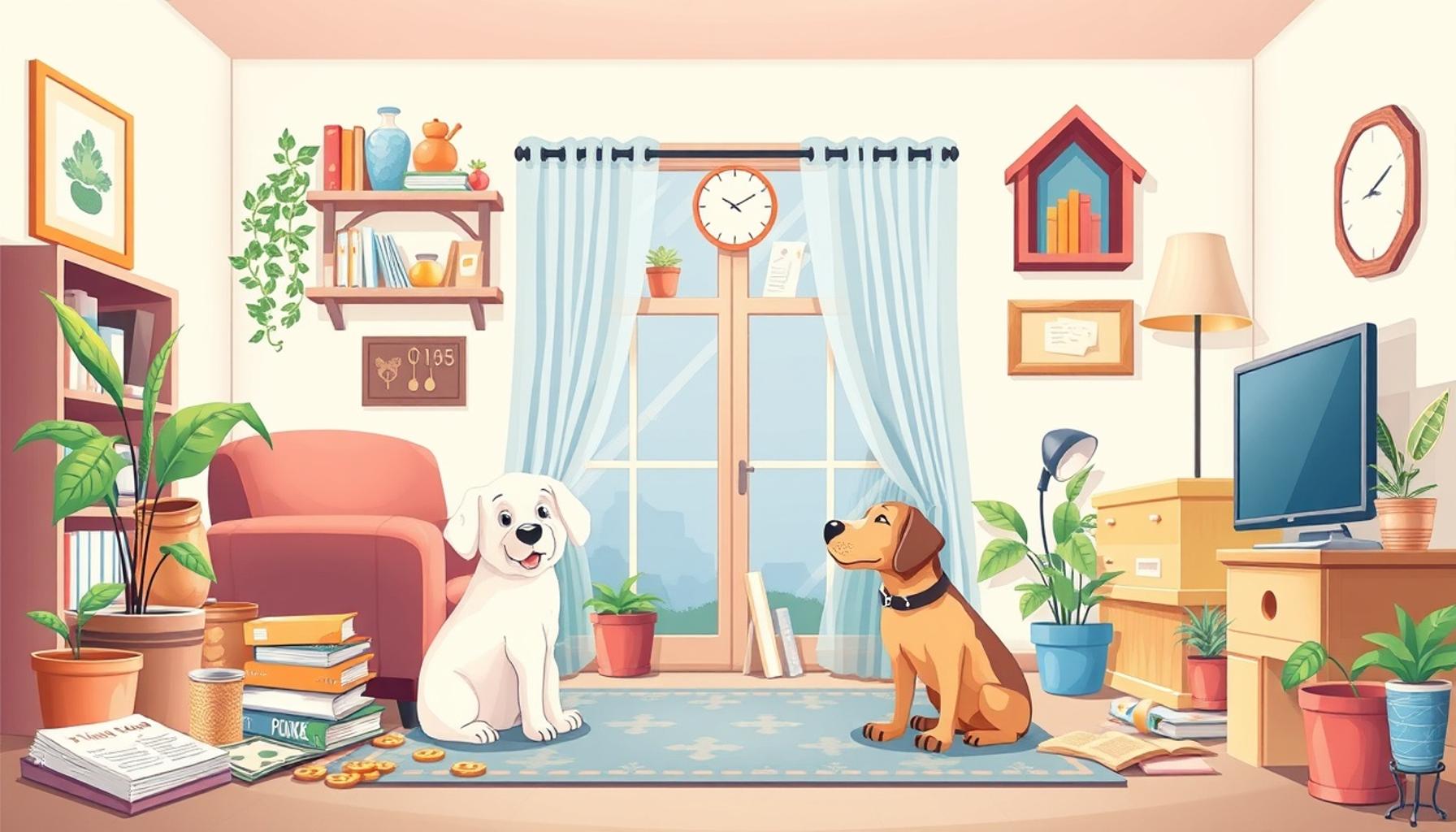
Bringing a newly adopted pet into your home is an exciting adventure, filled with opportunities for companionship and joy. However, it also comes with significant responsibilities. Preparing your living space correctly can make all the difference in your pet’s adjustment and well-being. It is essential to understand the nuances of integrating a new furry friend into your life, as this experience is not just about the joy of companionship but also about creating a safe and comfortable environment for your pet.
Why Preparation Matters
Imagine the chaos a sudden change can bring. Without proper preparation, both you and your pet could face challenges like:
- Stressful Transitions: Pets, especially dogs and cats, are creatures of habit. The introduction of a new environment and household dynamics can lead to anxiety for your new friend. This stress may manifest in a range of behaviors, from excessive barking and hiding to litter box issues, which might discourage potential adopters in the future.
- Safety Hazards: Household items that are unseen by human eyes may pose significant risks to curious pets. Tucked away cables, toxic plants such as lilies or poinsettias, and small objects can be a choking hazard. It is vital to be aware that many common household items we take for granted may pose a danger to your new companion.
- Behavioral Issues: Misunderstandings can arise without a structured environment. An unprepared house can lead to behavioral issues such as chewing furniture or inappropriate vocalizations. Establishing boundaries early can help your pet understand what is acceptable and what is not.
Key Steps to Take
Preparing your home is not just about removing hazards; it’s about creating a welcoming environment. Focus on these critical areas:
- Pet-Proofing: This is a crucial first step. Secure loose wires that could be chewed, remove any toxic plants from reach, and tuck away small objects that a pet might find irresistible. Additionally, consider using childproof latches on cabinets that contain cleaning supplies or food.
- Designating Spaces: Create a cozy area for your new pet. This space should include a comfortable bed, food, bowls, and a selection of toys. Having a designated area in the home gives your new companion a sense of security and a place to retreat when feeling overwhelmed by the new environment.
- Stocking Supplies: Prepare in advance by gathering essential items such as high-quality food appropriate for your pet’s age and breed, grooming tools like brushes and nail clippers, and health supplies including a first-aid kit and any necessary medications. A well-stocked supply can alleviate stress for both you and your pet as you navigate the initial days together.
By taking these steps, you’re setting the stage for a harmonious relationship with your new furry family member. Understanding the importance of preparing your home for a newly adopted pet is a vital part of ensuring a smooth transition for everyone involved. Adequate preparation can facilitate a positive experience for both you and your new companion, leading to a rewarding bond that can last for years to come. Embrace the journey of pet ownership with readiness, and you’ll be rewarded with a loving friend who adds joy and warmth to your life.
LEARN MORE: Click here for tips on helping your new pet adjust
Setting the Stage for a Smooth Transition
Preparing your home for a newly adopted pet is not just a matter of removing dangers but creating an environment that nurtures comfort and security. A well-prepared home can significantly ease the transition for your furry friend, allowing them to acclimate more quickly to their new surroundings. Understanding the importance of these preparations involves recognizing the emotional and physical needs of your pet.
The Emotional Impact of Home Preparation
Every pet arrives with a unique personal history, shaped by their past experiences. This can influence their behavior in a new environment. For many animals, adoption can be a disorienting shift from the comforts of a previous home or a shelter environment. The goal is to create a positive experience that mitigates the emotional stress associated with such changes.
- Establishing Routine: A familiar routine provides pets with a sense of stability. By setting schedules for feeding, playtime, and walks from day one, pet owners can help their new companions feel more secure. Consistency can help alleviate anxiety and foster trust between you and your pet.
- Understanding Stress Signals: It’s critical to pay attention to signs of stress in your newly adopted pet. Common behaviors such as excessive panting, hiding, or withdrawal can indicate that your pet is overwhelmed. A well-prepared environment enables you to mitigate these feelings more effectively by allowing your pet to retreat to their designated safe space when needed.
Practical Steps for a Pet-Friendly Home
Beyond emotional preparation, ensuring practical changes in your home can prevent unwanted accidents and behavioral issues. Here are several key areas to focus on:
- Hazard Identification: Often, we overlook common hazards in our homes that can pose significant dangers to pets. Items like chocolate, grapes, and certain household cleaners can be toxic. Take the time to research and remove or safely store away any items that could pose a risk.
- Setting Boundaries: Using baby gates or designated areas within your home can help help set boundaries for your pet. This is particularly important during the initial adjustment period when pets may be prone to exploring every nook and cranny out of curiosity.
- Creating a Welcoming Atmosphere: Consider items that encourage exploration and comfort. Soft bedding, engaging toys, and food dishes placed in quiet, low-traffic areas can make all the difference. The aim is to create a space where your pet feels safe to roam and explore.
These preparations not only help in easing the transition but also play a crucial role in promoting mental well-being. Understanding the importance of preparing your home for a newly adopted pet is vital in ensuring a successful integration. By creating a safe haven, you set the stage for mutual happiness, connection, and the flourishing bond that comes with responsible pet ownership.
| Advantage | Description |
|---|---|
| Safety | Removing hazardous items and securing areas can prevent accidents. |
| Comfort | Establishing a designated space helps pets feel secure and reduces anxiety. |
| Hygiene | Preparing the home minimizes the risks of infections and pest infestations. |
| Training | A well-organized environment supports easier training and fosters good behavior. |
As you prepare your home for a newly adopted pet, consider that the initial setup is pivotal in shaping their transition into your family. Safety should be your primary focus; identify and remove any small objects, toxic plants, or cleaning supplies that could be harmful. For comfort, create a cozy nook with a bed, toys, and fresh water to encourage relaxation as they settle in. Maintaining proper hygiene is essential to avoid potential health issues; ensure that your living space is clean and free from pests prior to your pet’s arrival. Additionally, a well-structured environment can significantly aid in training, promoting desirable behaviors while establishing a routine that will help your new family member thrive.
DISCOVER: Click here to learn about the pet adoption process
Enhancing Security and Comfort
In addition to nurturing a cohesive emotional environment, securing your home is a fundamental part of preparing for a newly adopted pet. Creating a safe and pet-friendly space is crucial not only for protecting your new family member but also ensuring peace of mind for yourself and your household. Understanding the significance of these preparatory measures can greatly influence the wellbeing of your pet and contribute to harmonious living.
Barriers and Safety Precautions
One of the first lines of defense is ensuring that your home is equipped with strong barriers and safety precautions. Newly adopted pets may be skittish or overly curious, and as such, can easily find themselves in precarious situations. Here are some essential tips to consider:
- Secure Windows and Doors: Ensuring windows and doors are securely closed not only prevents escapes but also keeps out potential threats. Consider reinforcing screens, especially for high-energy dogs or adventurous felines likely to attempt an escape.
- Use Pet-Proof Locks: If you have cabinets or drawers containing harmful substances, installing childproof locks can keep your pet away from hazardous items like medications, chemical cleaners, or food products that may be dangerous if ingested.
- Remove Toxic Indoor Plants: Many common household plants, such as lilies, philodendrons, and azaleas, can be toxic to pets. Taking the time to identify and remove these can be an essential part of ensuring that your home is a safe haven for your new friend.
The Importance of Space and Comfort
Creating ample space for your new pet is equally important. Animals thrive in environments that allow them to feel comfortable and in control. A designated space can help meet both their instinctual needs and provide reassurance during the adjustment period. Consider the following strategies:
- Designate a Rest Area: Providing a cozy area filled with bedding and familiar scents can aid your pet in settling into their new home. This space should be away from high-traffic areas where the pet can retreat when they feel overwhelmed.
- Interactive Play Zones: Setting up a play area that offers toys and scratching posts for cats, or chew toys and tools for dogs, encourages physical and mental engagement. Interactive play not only enriches their new habitat but can also help reduce anxiety and destructive behaviors.
- Hydration and Nutrition Stations: Placing accessible bowls of fresh water and quality food in a consistent location can help your pet establish routines that support their health. Make sure these stations are located away from pathways to reduce the chances of spills or disturbances.
Every detailed preparation brings you a step closer to forming a strong bond with your new pet. By investing time and thought into creating a secure and comfortable environment, you set your pet up for a successful transition while simultaneously enriching your home. The process fosters a nurturing atmosphere for all involved and contributes not only to the physical safety of your pet but also to their emotional well-being as they adjust to their new life. Recognizing the importance of preparing your home for a newly adopted pet extends beyond the initial setup; it’s an ongoing commitment that comes with the joys and responsibilities of pet ownership.
DIVE DEEPER: Click here to learn about the pet adoption process
Conclusion
Preparing your home for a newly adopted pet is not just a physical task; it’s an emotional investment that lays the foundation for a lasting bond between you and your new family member. As we’ve explored, the significance of creating a safe, inviting, and comfortable environment cannot be overstated. From securing your space with barriers and safety precautions to ensuring areas for rest and play, each step is crucial in easing your pet’s transition into their new life.
Moreover, by proactively addressing potential hazards—like toxic plants and unsecured cabinets—you not only protect your pet but also foster a sense of trust and security. This attention to detail speaks volumes in your journey of pet ownership, making them feel genuinely welcomed. The mental stimulation and comfort zones you create help alleviate anxiety and nurture their unique personality, which can lead to a more harmonious household.
As you embark on this rewarding adventure, remember that preparation is a continuous process. Regularly assessing your environment and adapting to your pet’s evolving needs ensures their wellbeing and happiness. In this light, consider ongoing education and community resources, such as local training classes and pet support groups, to further enrich your experience together. Ultimately, understanding and embracing the importance of preparing your home for your new pet translates into a fulfilling companionship—the kind that enriches both your lives for years to come.

Linda Carter
Linda Carter is a writer and pet care expert specializing in pet health, grooming, and wellness. With extensive experience helping pet owners create safe, loving, and enriching environments for their animals, Linda shares her knowledge on our platform. Her goal is to empower readers with practical advice and strategies to ensure their pets thrive and lead joyful, healthy lives.