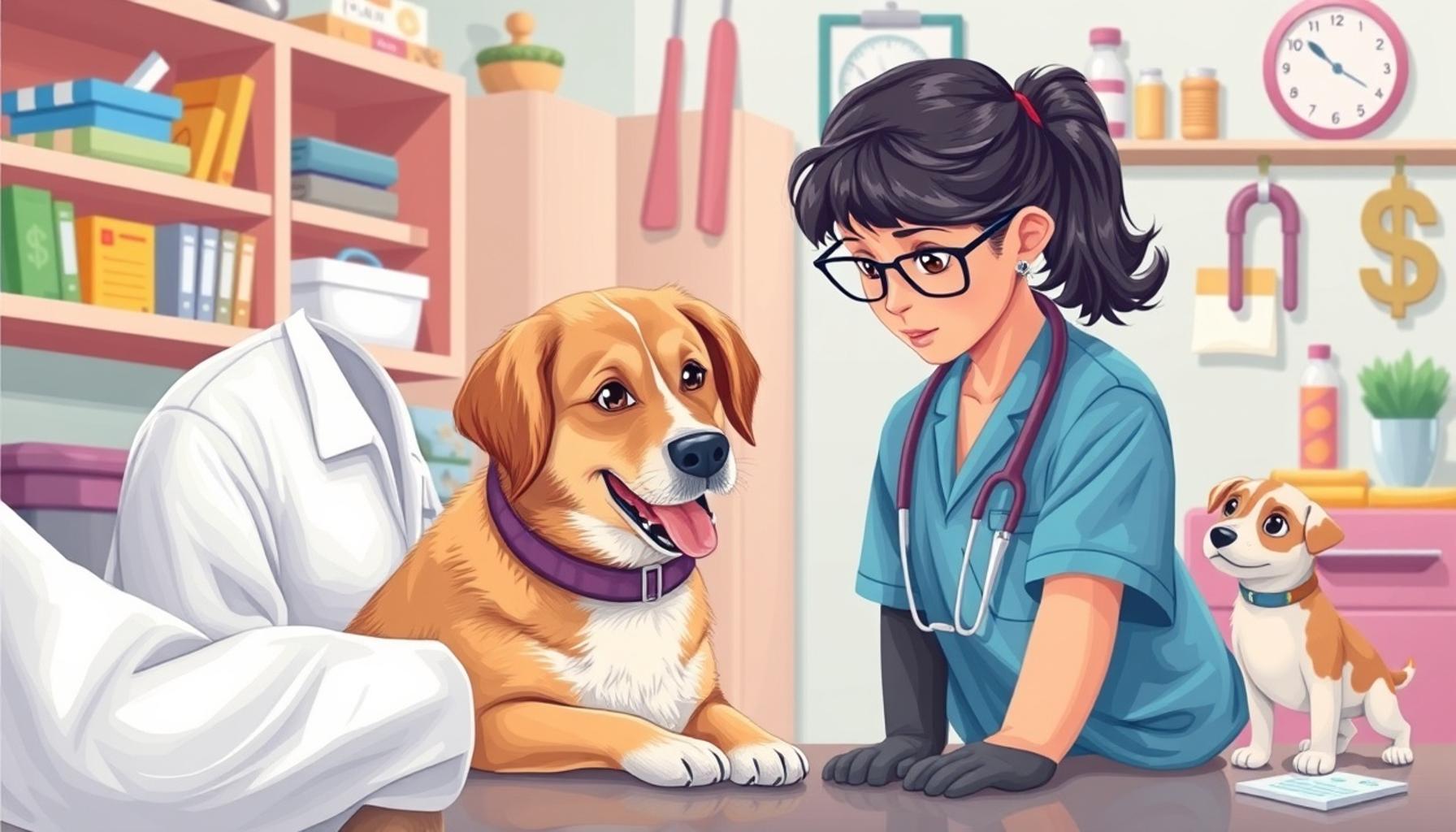
Adopting a Senior Pet: What to Consider Before Giving an Older Animal a Second Chance

Embracing the Golden Years
The decision to adopt a pet is often filled with excitement, leading many individuals to seek out the most adorable puppies and kittens. However, this eagerness frequently overlooks the many senior pets—animals over seven years old—who are equally deserving of love and companionship and are longing for a forever home. Embracing a senior pet can provide a unique opportunity not only to enrich your life but also to offer these wonderful animals a chance at a fulfilling later life.
Understanding the Benefits
Adopting a senior pet can profoundly transform both your life and that of the animal. Here are several compelling reasons to consider bringing a seasoned companion into your home:
- Established Temperament: Many older pets have well-defined personalities, making it easier to assess their compatibility with your family. For example, if you have children, you can select a senior dog known for being gentle and sociable, whereas a more introverted or solitary cat might fit better in a quieter home.
- Lower Energy Levels: Senior pets typically require less exercise compared to their younger counterparts. This makes them especially suitable for individuals or families with a more sedentary lifestyle. For instance, a senior dog may enjoy leisurely strolls around the neighborhood rather than high-energy playdates in the park.
- Less Training Needed: Many older pets are often already house-trained and have a grasp of basic commands like sit, stay, and come. This can significantly alleviate the time and energy required to train a new pet, allowing you to focus on building a loving relationship instead.
Facing the Challenges
While the rewards of adopting a senior pet are undeniable, it is wise to consider potential challenges:
- Health Concerns: Older pets may be prone to various health issues, which can lead to additional veterinary bills and require ongoing commitment. Regular check-ups and possibly a special diet may be necessary. For example, arthritic dogs may require medications to manage pain and improve their quality of life.
- Shorter Lifespan: When you adopt a senior animal, you are likely committing to a shorter-term relationship. This reality can be emotionally challenging, but it’s rewarding to know that you are providing a loving home during their twilight years.
- Adjusting to Change: Senior animals may need extra time to adapt to new environments and routines, especially if they have experienced trauma or multiple moves in their past. Patience is crucial as they navigate these changes; creating a stable and loving environment can facilitate their adjustment.
As you conceptualize integrating a senior pet into your family, being aware of both the remarkable benefits and the potential challenges is essential for ensuring a positive adoption experience. By investing the time to explore how best to support an older animal, you can provide them with the second chance they so richly deserve, while also discovering the immense rewards of companionship that only a senior pet can provide.
DISCOVER MORE: Click here to learn how to prepare your home for a new pet
Preparing for the Decision
When contemplating the adoption of a senior pet, it is essential to conduct thorough research and self-reflection to ensure a successful match between you and a seasoned companion. Unlike younger animals, older pets often come with history, quirks, and potentially unique needs that require a solid understanding from their new owners. With the commitment to offer a loving home, consider the following factors before making your choice:
Assessing Your Lifestyle and Environment
Your living situation plays a crucial role in determining the type of senior pet that will thrive in your home. Here are a few considerations to evaluate:
- Space Requirements: Senior pets may require less space than their younger counterparts, but it’s crucial to ensure that your home is pet-friendly. For instance, if you live in an apartment, consider a smaller dog that doesn’t need a yard but can feel comfortable in a designated area.
- Family Dynamics: If you have children or other pets, discuss the introduction of a senior pet as they may behave differently than younger animals. Understanding how to care for and interact with an older animal can provide a smoother transition into your family unit.
- Activity Level: Senior pets typically have lower energy levels. Assess whether your lifestyle aligns with this, as a less active environment may be perfect for them. If you enjoy calm evenings at home rather than long hikes, a senior pet might be the ideal match.
Budgeting for Future Care
When you consider adopting a senior pet, it is vital to plan for potential veterinary expenses that often accompany older animals. Older pets may have pre-existing conditions or develop age-related health issues, such as:
- Dental Problems: Many senior pets require dental care, which can be costly yet crucial for their overall health.
- Medication: Chronic conditions like arthritis or diabetes may necessitate ongoing medication, requiring a financial commitment.
- Regular Vet Visits: Frequent check-ups become more essential for older pets, ensuring that their health is monitored closely and any emerging issues are addressed promptly.
By engaging in thoughtful planning regarding both your lifestyle and financial capabilities, you can navigate the adoption of a senior pet with confidence and compassion. Remember that this decision is not merely about adding a pet to your home, but about providing a second chance to an older animal that has so much love to give. Such a commitment leads to establishing a lifelong bond, filled with warmth and companionship that benefits both you and your new furry friend.
Understanding the Unique Needs of Senior Pets
When considering the adoption of a senior pet, it’s crucial to recognize their unique needs compared to younger animals. Older pets often come with a history of experiences that shape their current behavior and temperament. Many have been previously loved but find themselves in shelters due to unforeseen circumstances, such as a change in their owner’s situation. Therefore, they may require more patience and understanding as they acclimatize to a new home. Senior pets can exhibit various health problems that necessitate specialized care. Regular vet check-ups become increasingly important, and being prepared for potential medical issues is essential. This could mean being open to the idea of increased veterinary costs as older animals are often prone to chronic conditions such as arthritis or dental issues. Investing in a senior pet’s health can lead to a rewarding bond that lasts for years.Moreover, lifestyle adjustments may be necessary to accommodate the needs of an older animal. These adjustments can include providing them with a comfortable space for rest, ensuring they have low-impact exercise routines, and maintaining a consistent eating schedule with proper nutrition tailored for their age. Being proactive in these areas can drastically improve an older animal’s quality of life.To give a senior pet a second chance, prospective adopters should also consider the emotional benefits. Providing a loving home to an older animal can be extremely fulfilling, promoting a sense of purpose. In turn, the bond formed with a senior pet can be incredibly strong, as they often show immense gratitude and affection for their new families. This rewarding companionship can profoundly impact both pet and owner. As you thoughtfully weigh the responsibilities of adopting a senior pet, it’s advantageous to delve into available resources and support networks for senior pet owners. Understanding the challenges and joys of giving an older animal a second chance is essential in crafting a lasting, positive relationship.
| Category | Considerations |
|---|---|
| Health Care Needs | Regular check-ups to manage conditions like arthritis and dental health. |
| Lifestyle Adjustments | Providing comfortable spaces and tailored nutrition for their age. |
The journey of adopting a senior pet can be one filled with challenges, but the emotional rewards and companionship they offer can be unmatched. Seeking further insights and information about the adoption process for senior pets can provide potential adopters with the confidence they need to take this rewarding step.
DISCOVER MORE: Click here for essential tips
The Unique Benefits of Adopting Senior Pets
When you consider adopting a senior pet, it can be easy to overlook the myriad benefits these older companions bring to the table. Beyond just being cute and cuddly, older pets offer a wealth of personality and experience that younger pets may still be developing. Here are some key advantages to think about:
Established Temperaments
Senior pets come with the gift of experience, having already refined their personalities over years of living. Many older dogs and cats are more settled, making them less likely to cause trouble compared to their younger counterparts. You can expect less chewing on furniture, fewer instances of nighttime crying, and a more relaxed demeanor overall. Adopting a senior pet allows you to invite an animal that knows who they are and requires less time to train in basic manners.
Less Training Required
One of the most striking advantages of senior pets is that many, if not most, have already been house-trained. This means you may avoid the challenges of potty training that come with younger animals. Additionally, many senior pets already have basic obedience skills, such as sitting, staying, and walking on a leash, which can save you time and effort that would otherwise be spent on training. Furthermore, adopting an older animal often means you can skip the teething phase, leading to fewer broken possessions and less stress in your home.
A Companion for Every Generation
Senior pets can adapt well to various living situations, making them suitable companions for a wide range of households. They can be a wonderful match for seniors looking for a calm, affectionate companion, as well as for families who want to teach their children about responsibility and compassion through caring for an older animal. This cross-generational benefit fosters empathy among children, while also offering older adults a source of companionship that can help stave off loneliness.
Saving Lives and Finding Love
By opting to adopt an older animal, you are often saving a life. Many shelters and rescue organizations report that senior pets are frequently overlooked in favor of kittens and puppies. Traditionally, these animals may be at a greater risk of being euthanized due to limited space and funding in overcrowded shelters. Giving a senior pet a second chance not only improves their quality of life, but also invigorates your home with joy and companionship, as they are often endlessly grateful for the love they receive.
Fostering a Strong Bond
Senior pets often bond quickly with their new families due to their desire for affection and stability. Having had various experiences—both good and bad—these animals arrive at their new homes with a deep appreciation for the second chance they’ve been given. As a result, many owners find themselves forming strong connections that deepen with each passing day. This type of bond can be especially rewarding; providing both human and pet with a sense of fulfillment that resonates through daily life together.
Considering the considerable benefits of adopting a senior pet, potential owners should weigh these aspects alongside the responsibilities involved. It’s a decision that not only enhances your life but can profoundly impact the well-being of an older animal in need of love and care.
DIVE DEEPER: Click here to learn more about the vital role of rescue organizations
Final Thoughts on Adopting Senior Pets
In conclusion, adopting a senior pet is not only a noble act but also a decision brimming with substantial rewards. As highlighted, these older animals offer established temperaments that bring peace and reliability, making them ideal for various households. The benefit of reduced training requirements gives new owners a jumpstart in their journey, allowing for more time spent enjoying the companionship rather than managing behavioral issues.
Moreover, the emotional win-win gained from adopting a senior pet resonates deeply. By providing a loving home to a deserving animal, you are helping to combat the unfortunate reality that many older pets face in shelters—overlooking and, at times, euthanasia. The bond forged with a senior pet is often profound and fulfilling, leading to a delightful relationship that enriches both lives.
As you contemplate the possibility of inviting an older companion into your life, it is crucial to evaluate not just the needs of the pet, but also your lifestyle factors, financial considerations, and commitment level. Engaging with your local shelters and fostering discussions with volunteers can provide invaluable insights and support tailored to your specific situation.
Ultimately, adopting a senior pet is about empathy, love, and the chance to make a genuine difference. If you are ready to embrace the joys and responsibilities that come with caring for an older animal, you may find that a senior pet could indeed be the perfect fit for your family. Take the first step and discover the rewarding experience that awaits you and your future furry friend.

Linda Carter
Linda Carter is a writer and pet care expert specializing in pet health, grooming, and wellness. With extensive experience helping pet owners create safe, loving, and enriching environments for their animals, Linda shares her knowledge on our platform. Her goal is to empower readers with practical advice and strategies to ensure their pets thrive and lead joyful, healthy lives.