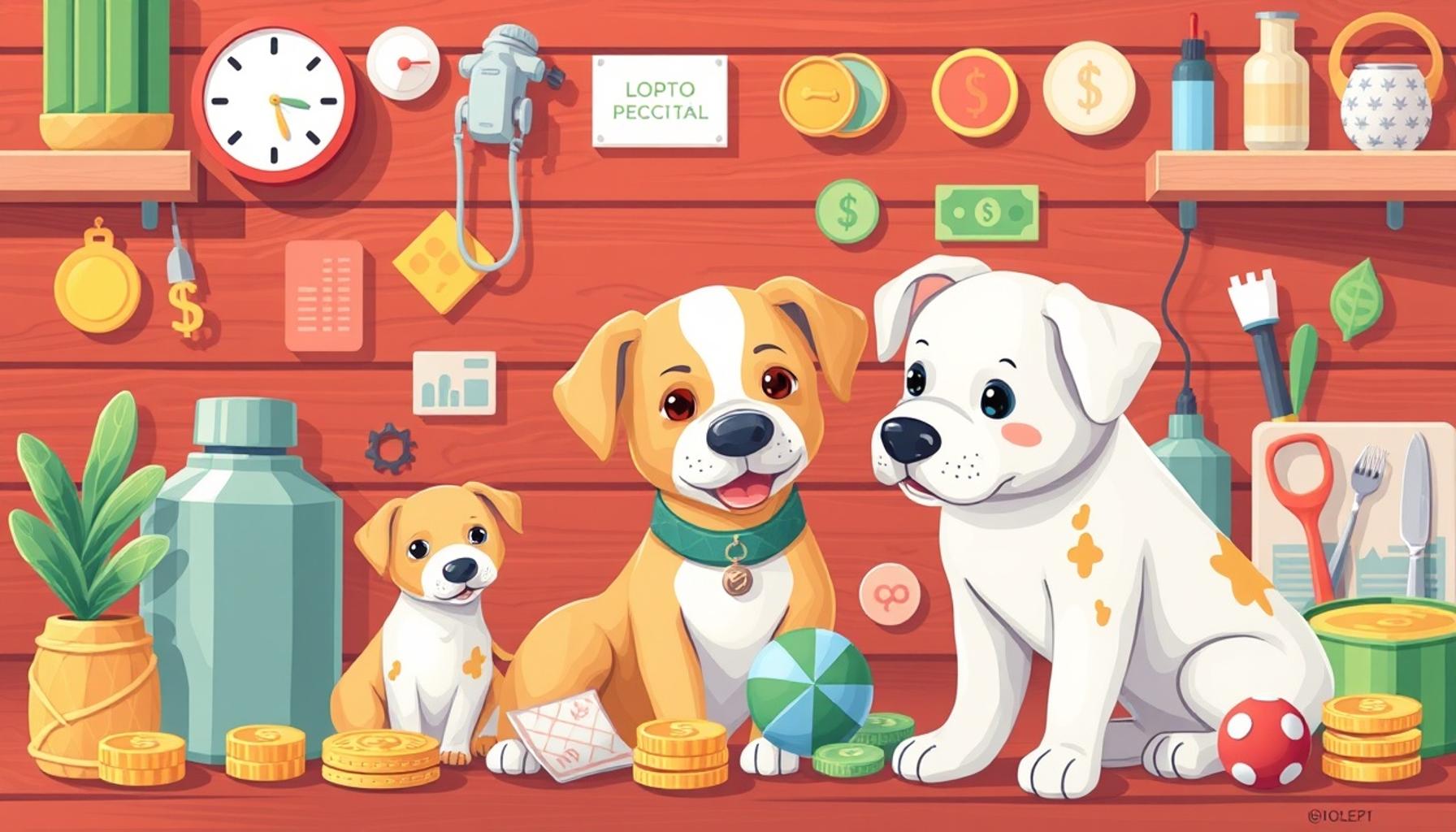
The importance of following local rules and regulations in pet adoption

The Key to Responsible Pet Adoption
Adopting a pet is a deeply fulfilling journey that opens the door to love, joy, and companionship. However, diving into this experience requires a firm understanding of local rules and regulations. These guidelines are not mere formalities; they are structured frameworks designed to foster the welfare of pets and enhance the experience for new pet owners. Familiarizing oneself with the legal aspects of pet adoption can profoundly affect the well-being of both pets and their new families.
Understanding the legal framework around pet adoption is crucial for various reasons:
- Protecting Animal Welfare: Local laws are often established to protect the health and safety of adoptable pets. For instance, ordinances may require shelters to conduct health screenings and vaccinations prior to placing animals for adoption. This ensures that the pets are not only healthy but also less likely to transmit diseases to their new families.
- Reducing Overpopulation: Regulations frequently include measures aimed at controlling the pet population, such as mandatory spaying and neutering. According to the ASPCA, approximately 6.3 million animals enter U.S. shelters every year, and compliance with such regulations can significantly reduce these numbers, giving pets a better chance at finding loving homes.
- Ensuring Healthy Environments: Guidelines typically specify standards for housing, nutrition, and overall care for pets. For example, laws may dictate the minimum space and enrichment activities required for pets in shelters, thereby improving their quality of life while awaiting adoption.
On the other hand, neglecting to adhere to these regulations can result in serious repercussions:
- Legal Issues: Failure to comply with local adoption laws can lead to hefty fines or even criminal charges in extreme cases. For example, some states impose strict guidelines for pet breeding, and non-compliance can culminate in severe penalties.
- Negative Community Impact: Irresponsible adoption practices may perpetuate broader issues, such as animal neglect or abandonment. This can lead to societal reluctance to support future adoption initiatives, undermining community welfare efforts.
- Hindered Adoption Opportunities: Shelters have the discretion to deny adoption to potential pet owners who disregard local guidelines. Such actions can further contribute to the overpopulation crisis in shelters, making it difficult for well-behaved animals to find homes.
By aligning with local laws and regulations, individuals play a pivotal role in cultivating a culture of responsible pet ownership. This not only enhances the quality of life for companion animals but also uplifts community standards surrounding adoption practices. Therefore, beyond the heartwarming goal of finding a furry friend, prospective adopters should view compliance as part of a larger commitment to animal welfare and community responsibility. Engaging with local shelters or animal control agencies can provide invaluable insights into adoption requirements, fostering a smoother transition for both pets and families involved. By prioritizing these considerations, you contribute to a healthier, more sustainable environment for animals and their human companions.
LEARN MORE: Click here for detailed steps on adopting a pet
Understanding Local Laws to Enhance the Adoption Experience
As the journey of pet adoption unfolds, prospective pet owners may feel overwhelmed by the array of rules and regulations that vary by location. However, navigating this legal landscape is not only advantageous but essential for creating a positive experience for both the adopter and the pet. By adhering to localized laws, individuals are making a commitment to animal welfare and responsible ownership.
Firstly, familiarizing oneself with the specific requirements set forth by local shelters or branches of animal control can lead to informed decision-making. Local regulations may encompass a range of critical elements that impact the overall adoption process, including:
- Required Documentation: Most adoption centers require potential adopters to provide identification and proof of residence. This is part of ensuring that each home can accommodate a pet sustainably so that abandonment does not become a risk in the future.
- Home Inspections and Interviews: Some municipalities may mandate home assessments or interviews with adopting families to evaluate the living conditions for the animal. This process is designed to ensure a safe and nurturing environment for pets, which is paramount for their well-being.
- Adoption Fees and Deposits: Many shelters impose fees that help offset the costs of veterinary care, vaccinations, and shelter upkeep. Understanding these financial obligations can help adopters plan accordingly and demonstrates their commitment to responsible pet ownership.
In addition to these specific regulations, the adoption process often includes educational components aimed at preparing new pet owners for their responsibilities. Many organizations offer resources on the following:
- Pet Care Basics: Local shelters frequently provide information on essential topics such as feeding, grooming, and basic training for pets, ensuring that adopters are well-prepared to meet their new companion’s needs.
- Behavioral Assessments: Some facilities conduct behavioral evaluations of pets, which can inform adopters about the animal’s needs and suitability for their household. Understanding these facets can lead to more harmonious relationships between pets and their new families.
- Local Veterinary Resources: Regulations often include connections to local animal clinics that provide ongoing health care for adopted pets, reinforcing the importance of veterinary visits and preventive care.
Moreover, compliance with local rules creates a ripple effect within the community, promoting ethical practices that discourage irresponsible breeding and abandonment. With pet overpopulation continuing to challenge animal welfare organizations nationwide, following regulations serves as a proactive step toward impactful change. By responsibly adopting, individuals contribute not only to the life of their chosen pet but also support broader initiatives dedicated to reducing the number of animals in shelters.
As we explore the intricate relationship between pet adoption and local laws, it becomes increasingly evident that understanding these regulations empowers new pet owners. This knowledge fosters a culture of responsibility and compassion, ensuring that both pets and people can thrive together. As such, before embarking on the adventure of pet adoption, thorough research into local mandates serves as a critical foundation for nurturing a loving and lasting bond.
| Advantage | Description |
|---|---|
| Compliance with Animal Welfare Laws | Ensures that pets are treated humanely and that potential adopters understand their responsibilities. |
| Support from Local Organizations | Access to resources for training, medical care, and post-adoption support, enhancing the overall adoption experience. |
Following local rules and regulations in pet adoption serves multiple purposes that not only protect animals but also provide a structured approach for potential adopters. Firstly, adhering to regulations ensures compliance with animal welfare laws, which are in place to guarantee that pets receive appropriate care and treatment. This can significantly enhance the overall well-being of adopted pets, as these regulations often require vaccinations and health evaluations before an animal is placed in a new home.Secondly, those who follow local guidelines benefit from additional support from local organizations. Many shelters and rescue groups offer invaluable resources such as training sessions, medical care, and ongoing support after adoption. This can prove crucial for new pet owners to ensure a smooth transition and long-term success in their pet ownership journey. By prioritizing the local rules, adopters not only foster a more responsible pet ownership culture but also contribute to the broader community efforts for animal welfare. Exploring these regulations serves as a gateway for a more educated and effective adoption process.
DISCOVER: Click here to uncover the emotional rewards of pet adoption
The Role of Licensing and Microchipping in Responsible Pet Ownership
In addition to the initial adoption protocols, local rules surrounding licensing and microchipping play a critical role in ensuring the long-term safety and well-being of adopted pets. Many regions require pet owners to license their animals within a specific timeframe following adoption. This licensing process is not merely a bureaucratic hurdle; it serves several vital purposes.
Identification and Recovery: A license typically includes unique identification details that assist in reuniting lost pets with their owners. Additionally, it allows local authorities to track and verify pet ownership, which can discourage irresponsible behaviors such as abandonment. Some states even stipulate penalties for failing to license a pet, reinforcing the importance of complying with these regulations.
Microchipping: Alongside licensing, many localities mandate or strongly recommend that adopted pets be microchipped. This permanent identification method is invaluable for lost animals, as it provides vital data directly linked back to the owner. Statistics show that microchipped pets are significantly more likely to be returned to their families when found. For instance, the American Animal Hospital Association reports that about 74% of microchipped dogs are reunited with their owners, a stark contrast to a mere 15% without microchips.
Microchipping also aligns with the broader goals of pet adoption organizations, who aim to address the ongoing issue of pet overpopulation. By increasing the likelihood of reuniting lost pets with their families, microchipping can effectively reduce the number of animals that end up in shelters. As such, adhering to local requirements around microchipping is a proactive step in championing responsible pet ownership.
Community Impact on Animal Welfare
The implications of following local pet adoption regulations extend beyond individual households. A community that is informed and compliant with these rules actively contributes to the health and welfare of their local animal population. For instance, many cities invest in community outreach programs designed to educate existing and prospective pet owners about the legal responsibilities accompanying pet ownership. These initiatives often include workshops, adoption fairs, and “meet and greet” events, allowing prospective adopters to connect with pets before adopting. Such opportunities foster responsible and mindful adoption practices, creating an informed community of pet owners.
Moreover, regions that enforce local pet laws often see a decrease in stray populations and associated issues, such as animal cruelty and public health risks related to uncontrolled breeding. This aspect is especially crucial in urban environments where animal control resources can be stretched thin. By adhering to regulations, residents play a part in making their communities safer, both for animals and the human population.
Collaboration with Local Organizations
Lastly, collaboration with local animal welfare organizations is imperative for prospective adopters to stay informed about regulations and best practices. Many shelters and rescue groups provide not only adoption services but also educational resources focusing on local laws and ethical pet ownership. These entities often partner with governments to ensure that guidelines are easily accessible and clearly communicated to the public.
Potential adopters are encouraged to attend community meetings, participate in discussions, and engage with local organizations to remain updated on changes in regulations as pets and families grow. Staying informed fortifies the bond between people and pets, ensuring a loving environment where regulations are respected and adhered to.
DISCOVER MORE: Click here to learn about the pet adoption process
Conclusion: Embracing Responsible Pet Adoption Practices
In the realm of pet adoption, following local rules and regulations transcends mere compliance; it embodies a commitment to the welfare of both pets and the communities they inhabit. By understanding and adhering to requirements such as licensing and microchipping, pet owners not only safeguard their furry companions but also contribute to broader societal goals—namely, decreasing stray populations and promoting responsible animal care.
Moreover, communities that embrace these regulations often experience positive ripple effects, including reduced incidents of animal cruelty and improved public health outcomes. Local outreach initiatives, collaboration with animal welfare organizations, and participation in educational programs play a crucial role in bolstering the collective knowledge of potential adopters. This shared understanding lays the foundation for informed pet ownership, helping to forge stronger bonds between humans and animals.
In addition, compliance with local pet laws signifies a proactive approach to responsible pet ownership, leading to safer, more harmonious living environments. Prospective adopters are encouraged to stay engaged, learn about their responsibilities, and participate in community efforts to support the welfare of all pets. Ultimately, upholding these regulations is not just about legalities; it is about creating a more compassionate world where every pet can find a loving home and thrive.
As individuals and communities unite in this endeavor, we pave the way for more successful adoptions and enhanced animal welfare for years to come. Embrace the responsibility; follow the rules—and together, let’s ensure that every adopted pet is cherished and cared for, fulfilling their rightful place in our hearts and homes.

Linda Carter
Linda Carter is a writer and pet care expert specializing in pet health, grooming, and wellness. With extensive experience helping pet owners create safe, loving, and enriching environments for their animals, Linda shares her knowledge on our platform. Her goal is to empower readers with practical advice and strategies to ensure their pets thrive and lead joyful, healthy lives.