The essential steps of the pet adoption process: what you need to know
Understanding Pet Adoption
Adopting a pet can be one of the most rewarding experiences of your life. However, it involves a thoughtful process that requires careful consideration and preparation. Understanding the essential steps can make the journey smoother and enjoyable.
Before diving into the adoption process, it is vital to grasp some key factors. Here are the crucial steps you should keep in mind:
- Researching Adoption Agencies: Look for local animal shelters and rescue groups. Resources like the Adopt a Pet website or the Petfinder platform can help connect you with nearby shelters. Many organizations also offer special adoption events, especially during the weekends, where you can meet multiple pets at once.
- Assessing Your Lifestyle: Consider your living situation, work schedule, and finances. Are you living in a pet-friendly rental? Do you travel a lot for work? These factors can significantly influence the type of pet that will best fit your home. For example, a high-energy dog may require more space and time for daily exercise, while a cat might adapt better to apartment living.
- Meeting Potential Pets: Spend time interacting with animals to gauge their temperament. Many shelters allow for meet-and-greets in designated areas, giving you a chance to see how potential pets interact with you and your family members. It’s essential to choose a pet whose energy level and temperament align with your home life.
These initial steps are just the beginning. Adopting a pet is not simply about bringing home an animal; it’s about committing to a lifelong relationship. In the U.S., millions of animals in shelters are waiting for loving homes, and adopting not only saves lives but enriches yours. For instance, studies have shown that pet owners often experience reduced stress levels and increased happiness.
As you navigate the adoption process, you will encounter both exciting and challenging moments. For example, transitioning a new pet into your home may take time; patience is key. A newly adopted dog might need time to adjust to new surroundings and routines, while a cat may take a little longer to feel comfortable and build trust with you. Awareness of what to expect can ease stress and enhance the experience. Get ready to explore the fulfilling path of pet adoption, where each step leads to a new beginning for both you and your future furry friend.
In summary, the journey of pet adoption encompasses far more than simply bringing an animal into your home. It’s about fostering a compassionate relationship built on trust and dedication. By conducting thorough research, considering your lifestyle, and taking the time to understand each animal’s unique needs, you’ll not only make a positive difference in their life but also find a devoted companion that enriches your own.
DISCOVER MORE: Click here for insights on the emotional benefits of adopting
Steps to a Successful Pet Adoption
Embarking on the pet adoption journey is not only a decision but a commitment to a new family member. To guide you through this rewarding process, we’ve outlined essential steps that will help you prepare for and navigate the world of pet adoption successfully.
Preparing Your Home for a New Pet
Before you even step foot in a shelter, it’s crucial to prepare your home for your future pet. This involves creating a safe, welcoming environment tailored to the specific needs of the animal you’re considering. Whether you are adopting a dog or a cat, here are key areas to focus on:
- Secure the Environment: Ensure that windows, balconies, and any potentially hazardous areas are safely secured. Remove household items that could be harmful to pets, such as toxic plants, chemicals, or choking hazards.
- Designate a Space: Choose a location for your pet’s bed, food, and water bowls. This space should be quiet and free from foot traffic, allowing your new friend to feel safe.
- Get Supplies: Invest in the basic necessities, including food and water dishes, a collar and leash (for dogs), litter box and litter (for cats), and toys to help ease the transition. Make sure to also include a vet-approved pet food tailored for your chosen animal.
Understanding the Adoption Application
Once you’ve prepared your home, the next step involves filling out an adoption application. Most shelters have a specific form that must be completed before you can adopt a pet. Though the process may seem daunting, it’s designed to ensure that both you and the pet are a good match. Here are a few elements to keep in mind:
- Personal Information: Expect to provide details about yourself, including your work schedule, family structure, and living arrangements. This information will help the shelter assess your suitability as a pet owner.
- References: Some organizations may require references from friends or a veterinarian to verify your previous experience with pet care, which reflects your reliability and commitment.
- Home Visit: In certain cases, shelters may conduct a home visit to ensure that your living situation is appropriate for pet adoption. Being prepared for this step demonstrates your seriousness in adopting a pet.
Understanding and completing the adoption application is a vital step toward becoming a responsible pet owner. Take the time to be truthful and thorough with your responses, as these will ultimately help the shelter make informed decisions that protect both the animals and potential adopters.
Adopting a pet is an extensive process that goes beyond just filling out forms and selecting a furry friend. It’s about establishing a connection that can lead to years of happiness and companionship. Remember, every pet deserves a loving home, and with each step you take in this process, you move closer to providing one of these animals with a chance at a better life.
The Essential Steps of the Pet Adoption Process: What You Need to Know
Embarking on the journey of adopting a pet is an exciting experience, but it also involves critical steps to ensure a successful transition for both the animal and the adopter. The process can vary slightly by organization, yet several key procedures remain constant. Understanding these can simplify your journey and enhance the welfare of your future furry friend.
Research and Preparation
Before diving into the adoption process, thorough research is essential. Familiarize yourself with various types of pets available for adoption, considering factors such as size, breed, temperament, and your lifestyle. Be prepared to answer questions like: What kind of pet fits your living situation? Do you have the time, resources, and commitment to care for a pet? The more prepared you are, the smoother the process will be.
Finding the Right Shelter or Rescue
Once you’ve decided on the type of pet that suits your lifestyle, the next step is to identify reputable shelters or rescue organizations. Look for places that prioritize animal welfare, provide a transparent adoption process, and offer adequate resources and support for adopters. Reading reviews and asking for recommendations will also help you make an informed choice.
Application Process
Upon selecting a shelter, you’ll need to complete a pet adoption application. This typically requires providing personal information and answering questions related to your home environment, experience with pets, and your motivations for adoption. Being honest and thorough in your application can increase your chances of being approved, as shelters seek to place pets in loving and suitable homes.
Interview and Home Visit
Some organizations may conduct interviews or home visits as part of their adoption process. This step allows the shelter to assess your preparedness and the environment you can offer a new pet. It’s also an opportunity for you to ask questions about the pet’s history, behavior, and care requirements, ensuring that both you and the shelter align on expectations.
Adoption Fees and Finalizing Adoption
If you’re approved, be aware that most shelters charge an adoption fee. This fee usually includes vaccinations, spaying or neutering, and sometimes even microchipping, ensuring a healthy start for your new companion. Once payment is made, you’ll finalize the adoption paperwork and prepare to welcome your new pet home!
Post-Adoption Support
Finally, many shelters offer post-adoption support options, including training resources, behavioral assistance, and veterinary services. Taking advantage of these services can be incredibly beneficial as you and your new pet adjust to life together.
| Advantage | Details |
|---|---|
| Comprehensive Vetting | Shelters conduct interviews to find the best match for the pet. |
| Post-Adoption Resources | Access to training, behavioral assistance, and vet services to ease the adjustment. |
By following these essential steps, not only will you be well-prepared to adopt a pet, but you’ll also provide a loving home to an animal in need. The rewarding experience of pet adoption opens the door to countless joyful moments shared with your new companion.
DIVE DEEPER: Click here to discover more
Meeting Your Potential Pet
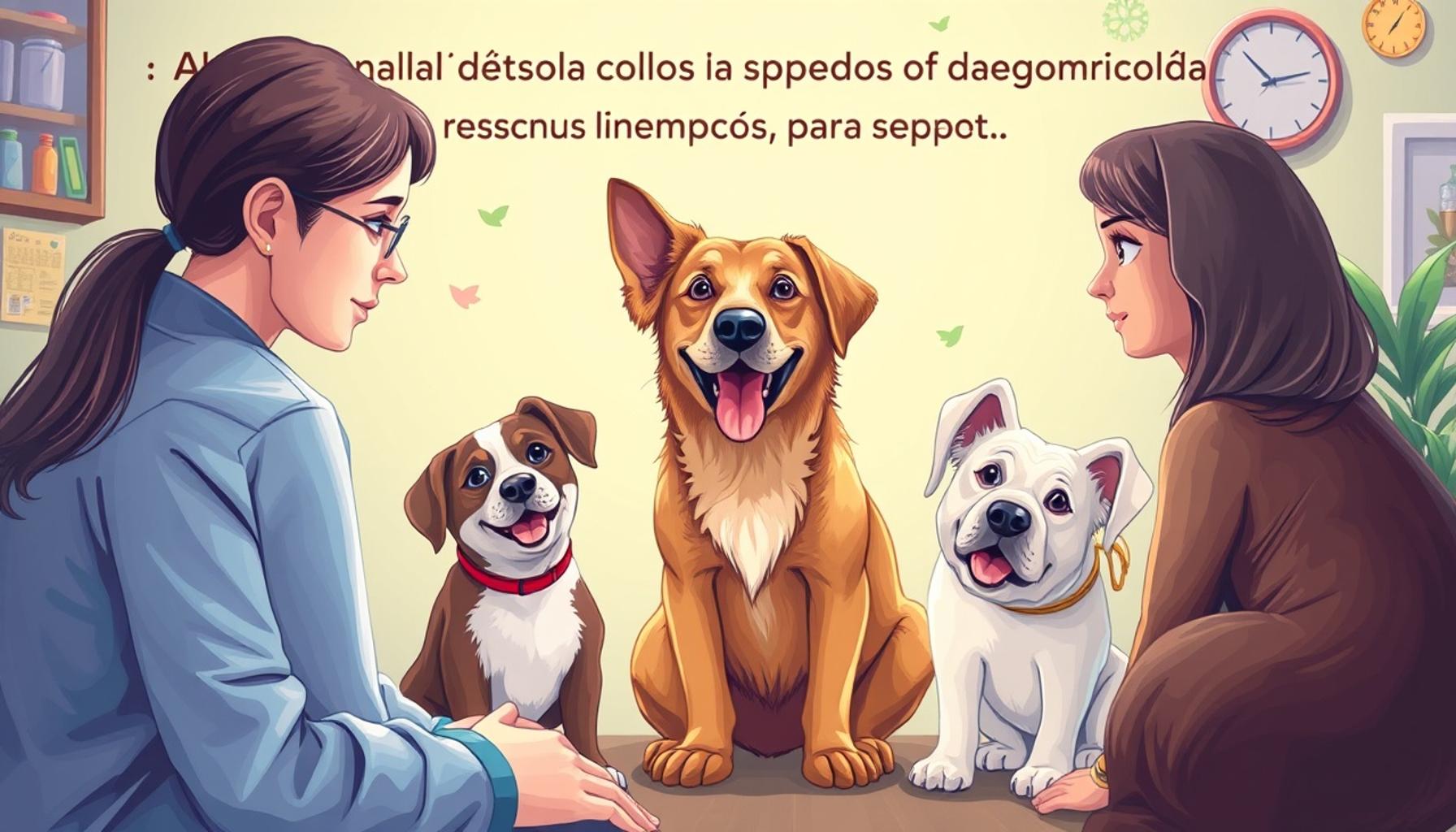
Now that your home is ready and you’ve completed the adoption application, the next exciting phase is meeting potential pets. This is a crucial step in the pet adoption process because it allows you to connect with animals and find the right match for your lifestyle. Here’s how to make the most out of your visit to the shelter:
Interacting with the Animals
When you arrive at the shelter, take your time getting to know the animals. Approach each pet calmly and watch their behavior. Consider the following:
- Personality Matches: Assess the potential pet’s energy level and temperament. If you lead a highly active lifestyle, a playful puppy or an energetic dog may be ideal. Conversely, if you prefer a quieter life, a senior cat or a laid-back dog might be more suitable.
- Allergies and Compatibility: For families that include children or other pets, consider allergies or fears some may have. Ask the shelter staff about the pet’s history, behavior with kids, and compatibility with other animals.
- Spend Time Together: Most shelters allow you to interact with the pet in a designated area. Play with them using toys or take them for a short walk. This experience is not just about the potential pet but also about ensuring a mutual connection.
Assessment of Health and Behavior
It is essential to ensure that the pet you are considering is in good health and has no behavioral issues. Here are a few ways to make a preliminary assessment:
- Observing Behavior: Look for signs of fear or aggression. A dog that shrinks away or growls when approached might need more socialization than you can provide. Similarly, a cat that hides away could indicate anxiety. Communicating with shelter staff about these behaviors can offer insight into how they are working to rehabilitate the animal.
- Health Status: Inquire about the pet’s vaccination status, spaying/neutering, and any medical conditions. Shelters often conduct health checks and will provide records upon adoption, ensuring you’re well-informed before bringing your new pet home.
Decision-Making Process
Finding a new pet is an emotional decision, and it’s natural to feel a pull toward an animal that needs a home. However, it’s crucial to include rational planning in your decision-making. Consider these factors:
- Long-Term Commitment: Pets can live for many years, even decades. Ensure that you are ready for the long-term commitment associated with pet ownership. Some breeds may require more time and attention than others.
- Adoption Fees and Costs: Most shelters require an adoption fee that typically covers vaccinations, spaying/neutering, and microchipping. Factor these costs into your budget along with ongoing expenses like food, vet visits, and pet supplies.
- Consult with Family: If you live with others, it’s essential to involve them in the decision-making process. Discuss what type of pet best fits your household and ensure everyone is on board with the responsibilities involved in pet care.
Choosing to adopt a pet is a significant step that requires thoughtful consideration and preparation. By understanding the importance of meeting potential pets and assessing their needs and compatibility with your lifestyle, you can create a foundation for a fulfilling relationship. Through this process, you not only give a deserving animal a second chance but also enrich your own life with love and companionship. This journey fosters growth and compassion, worthy attributes in pet adoption.
DISCOVER MORE: Click here to learn about the adoption process
Conclusion
In summary, understanding the essential steps of the pet adoption process can significantly enhance the experience for both you and the animal you choose to welcome into your home. From preparing your environment to rigorously assessing potential pets through interaction and health evaluations, each phase plays a critical role in ensuring a successful match. Remember that adopting a pet is not merely a spontaneous decision; it requires a commitment that can span years, demanding ongoing love, care, and financial resources.
Throughout this journey, fostering a genuine connection with your potential companion is key. Take the time to engage with various animals, contemplating their traits and suitability for your lifestyle. Keep in mind that each pet has its unique history and personality, making the decision more than just a choice based on appearances. Communicate openly with shelter staff to gain deeper insights into each animal’s behavior, needs, and background.
Ultimately, pet adoption is a rewarding endeavor that can immensely enrich your life while providing a homeless animal a chance at a loving home. As you navigate through this process, feel empowered to ask questions, seek advice, and embrace the responsibility of pet ownership. With thorough consideration and an open heart, you can begin a profound, enriching relationship with your new furry friend. For more information and resources on the pet adoption process, consider visiting local shelters or online platforms dedicated to helping you find your perfect match.

Linda Carter
Linda Carter is a writer and pet care expert specializing in pet health, grooming, and wellness. With extensive experience helping pet owners create safe, loving, and enriching environments for their animals, Linda shares her knowledge on our platform. Her goal is to empower readers with practical advice and strategies to ensure their pets thrive and lead joyful, healthy lives.