Menu

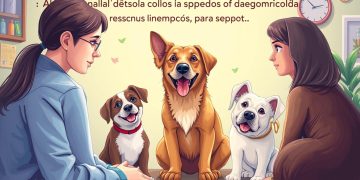
Demystifying the Adoption Process: What to Expect During the Shelter Visit

Navigating the shelter visit is essential for a smooth pet adoption experience. Understanding facility procedures, engaging with potential pets, and familiarizing yourself with adoption requirements can alleviate anxiety and foster meaningful connections. Approach the process with openness, ensuring a fulfilling bond between you and your new furry companion.

How to Deal with the Anxiety of a Newly Adopted Pet: Tips and Strategies

Bringing a newly adopted pet home can be challenging, as they often experience anxiety during the transition. Understanding their needs, recognizing signs of stress, and implementing strategies like creating a safe space and establishing routines are essential for fostering a loving bond and easing their anxiety.

The Importance of Socialization and Training After the Adoption of a Pet

Bringing a pet home requires a commitment to socialization and training, essential for developing a well-adjusted companion. These practices reduce anxiety, improve behavior, and strengthen the bond between pet and owner, ensuring a harmonious life that adapts to shifting needs and environments throughout their journey together.

The Importance of Post-Adoption: Keeping the Commitment to Your New Friend

Bringing a new pet home is just the beginning of a lifelong commitment that emphasizes trust, training, and health. The post-adoption phase is vital for building relationships and addressing challenges. Prioritizing socialization and routine care enriches both your pet's life and your partnership, ensuring a joyful journey together.

The Importance of Responsible Adoption Programs: Ensuring a Safe Home for Pets

Responsible adoption programs are crucial for ensuring safe and loving homes for pets. These programs prioritize pet welfare, educate potential owners, and effectively reduce shelter overcrowding. By fostering community engagement, they promote compassion and responsibility toward pet ownership, ultimately creating lasting bonds between pets and their new families.

The Animal Adoption Process: Step by Step for New Guardians

Adopting a pet is a fulfilling journey that involves essential steps for new guardians. From researching compatible breeds to visiting shelters, completing applications, and preparing your home, each phase ensures a lasting bond between you and your new furry friend. Embrace the process to make a meaningful difference.

The emotional benefits of pet adoption

Pet adoption not only saves lives but also offers profound emotional benefits. Engaging with pets reduces stress, increases happiness, enhances social connections, and instills a sense of purpose. This transformative bond cultivates empathy and emotional resilience, enriching both the adopter's life and creating a compassionate society.

The influence of local culture on pet adoption practices in the United States

Local culture significantly influences pet adoption practices across the United States, shaping community engagement, preferences for certain breeds, and perceptions of shelter animals. Cultural values impact adoption rates, highlighting the importance of tailored initiatives that resonate with diverse regional lifestyles and foster a supportive environment for adopting pets.

The importance of following local rules and regulations in pet adoption

Understanding and following local rules and regulations in pet adoption is crucial for responsible ownership. These guidelines protect animal welfare, discourage overpopulation, and ensure healthy environments for pets. By complying, adopters promote community responsibility and enhance the overall pet adoption experience, creating loving homes for all animals.

The role of rescue organizations in the pet adoption process

Rescue organizations play a crucial role in the pet adoption process, enhancing community awareness, conducting health assessments, and providing foster care. They facilitate successful adoptions through tailored support, behavioral training, and ongoing resources, fostering responsible pet ownership and significantly impacting the well-being of both animals and families.